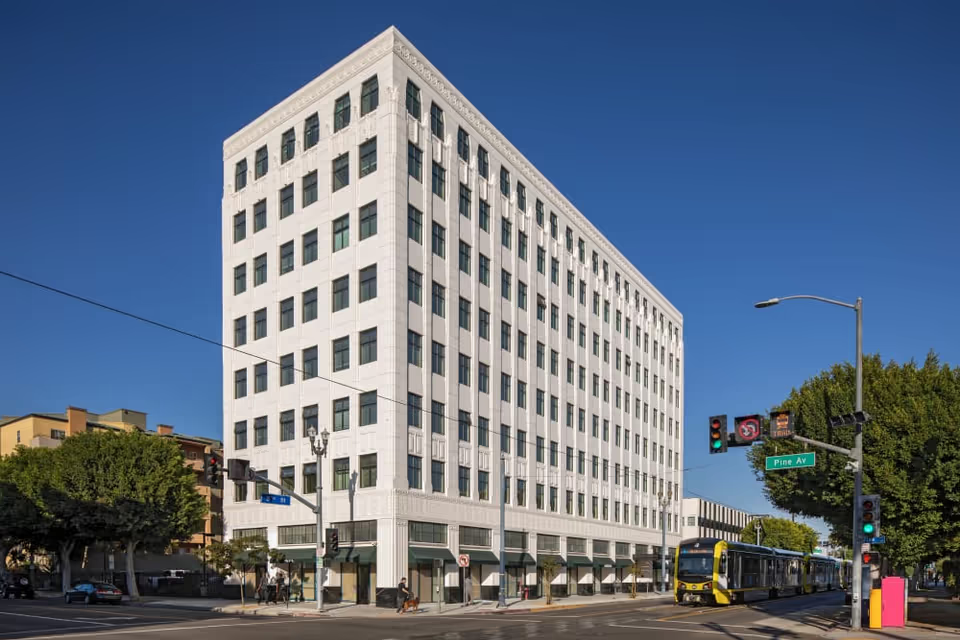
Atlantic Memorial Healthcare Center receives substantial positive feedback for its clinical rehabilitation services and everyday caregiving. Reviewers consistently highlight the rehabilitation team—physical and occupational therapists and therapy aides—as knowledgeable, effective, and instrumental in returning residents home. Nursing staff and CNAs are frequently described as compassionate, attentive, and capable; many families emphasized clear explanations of care plans, individualized medication explanations, and supportive bedside interactions. Case managers and social-work staff also draw praise for facilitating smooth discharges and arranging home-health equipment and caregiver training.
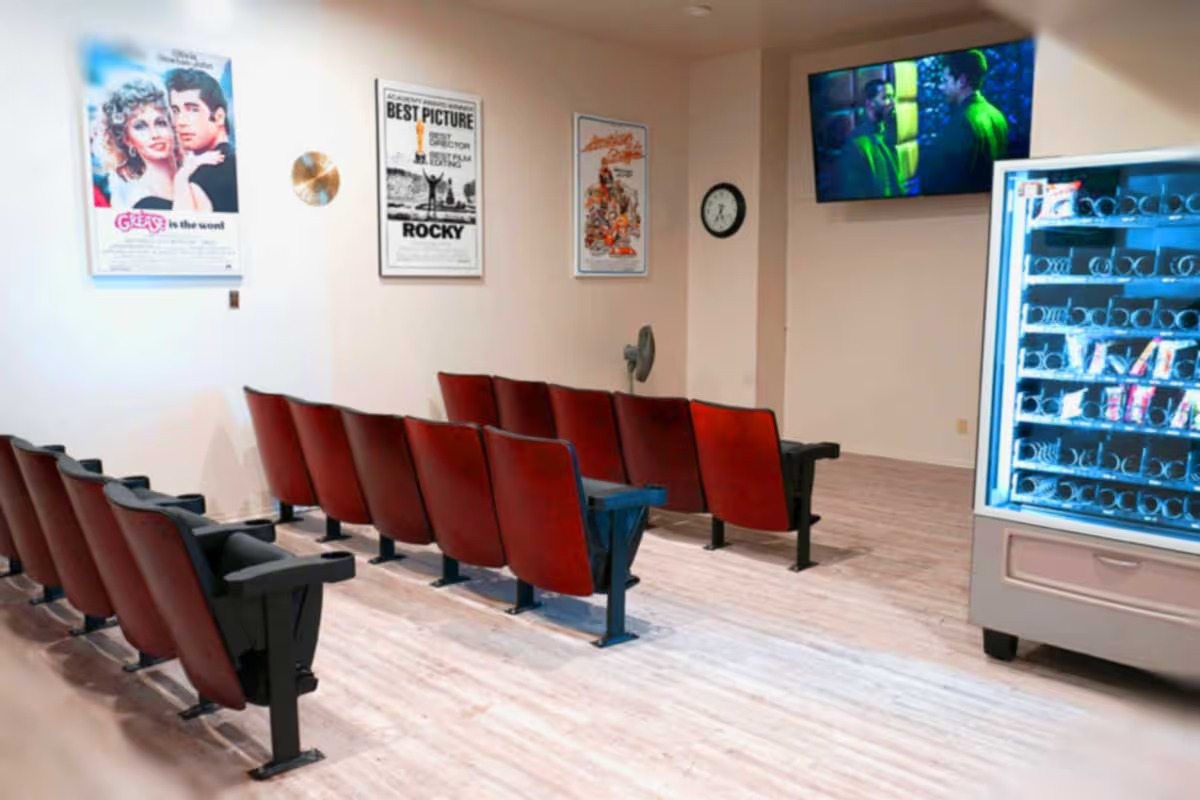
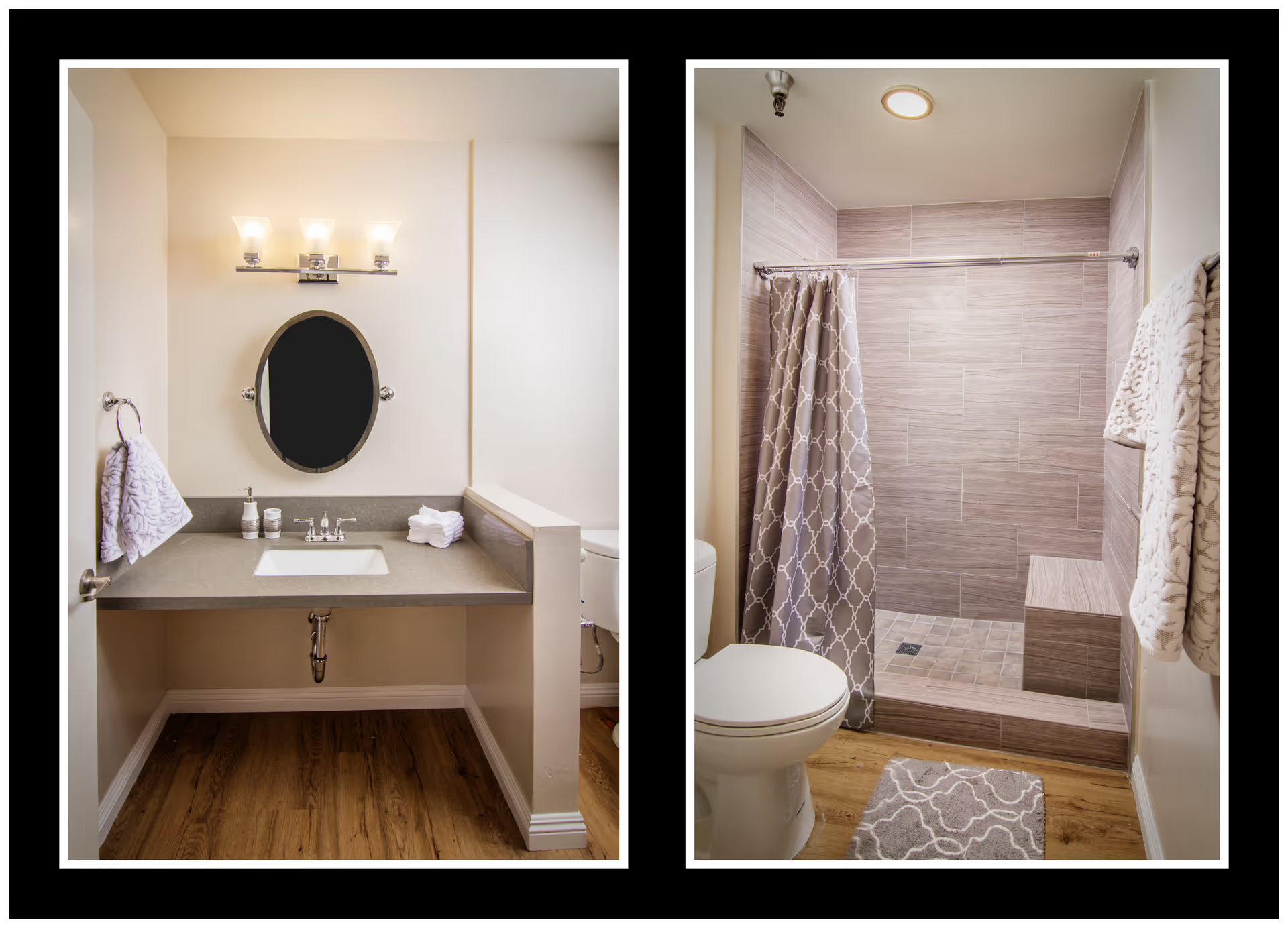
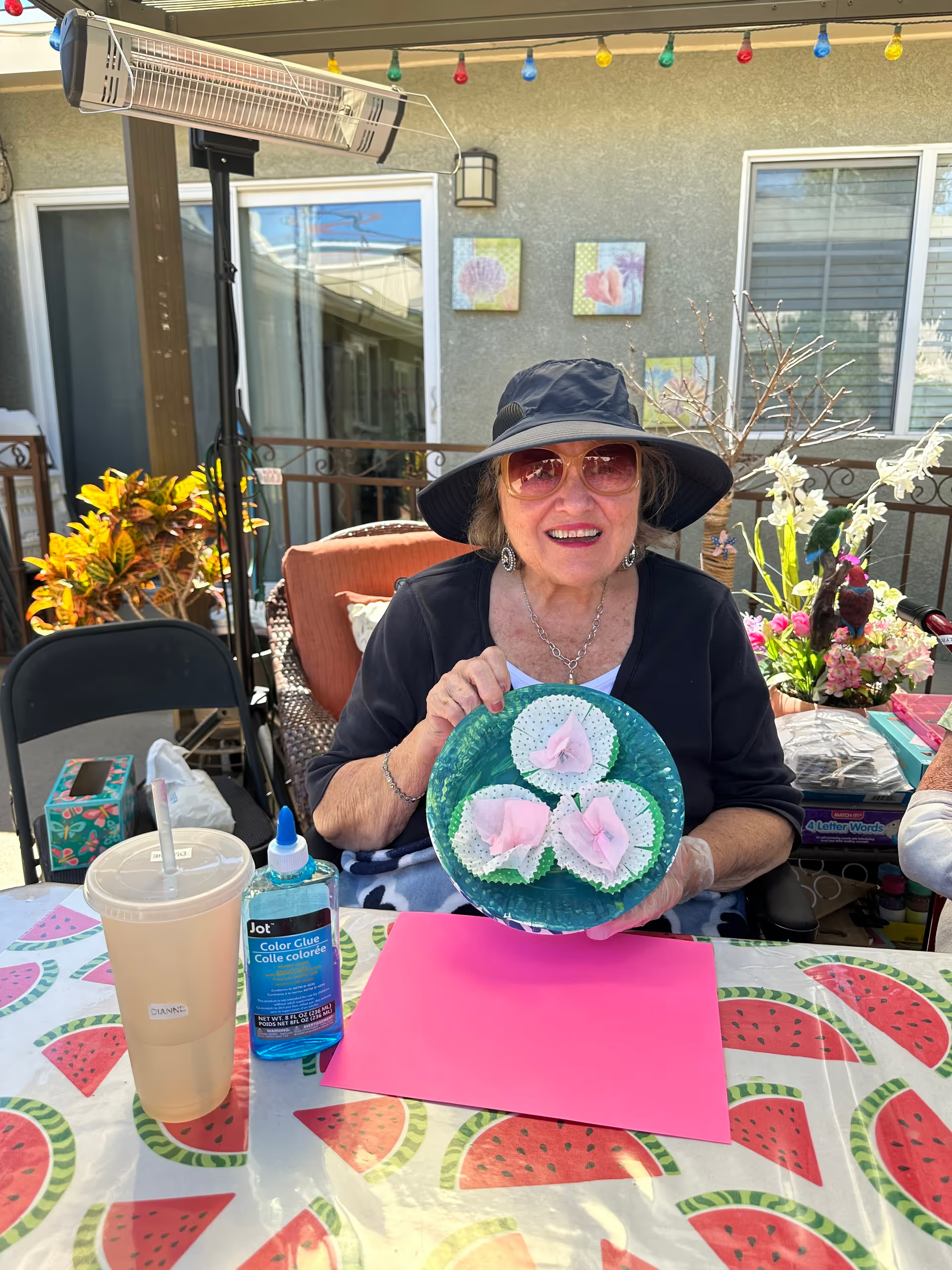
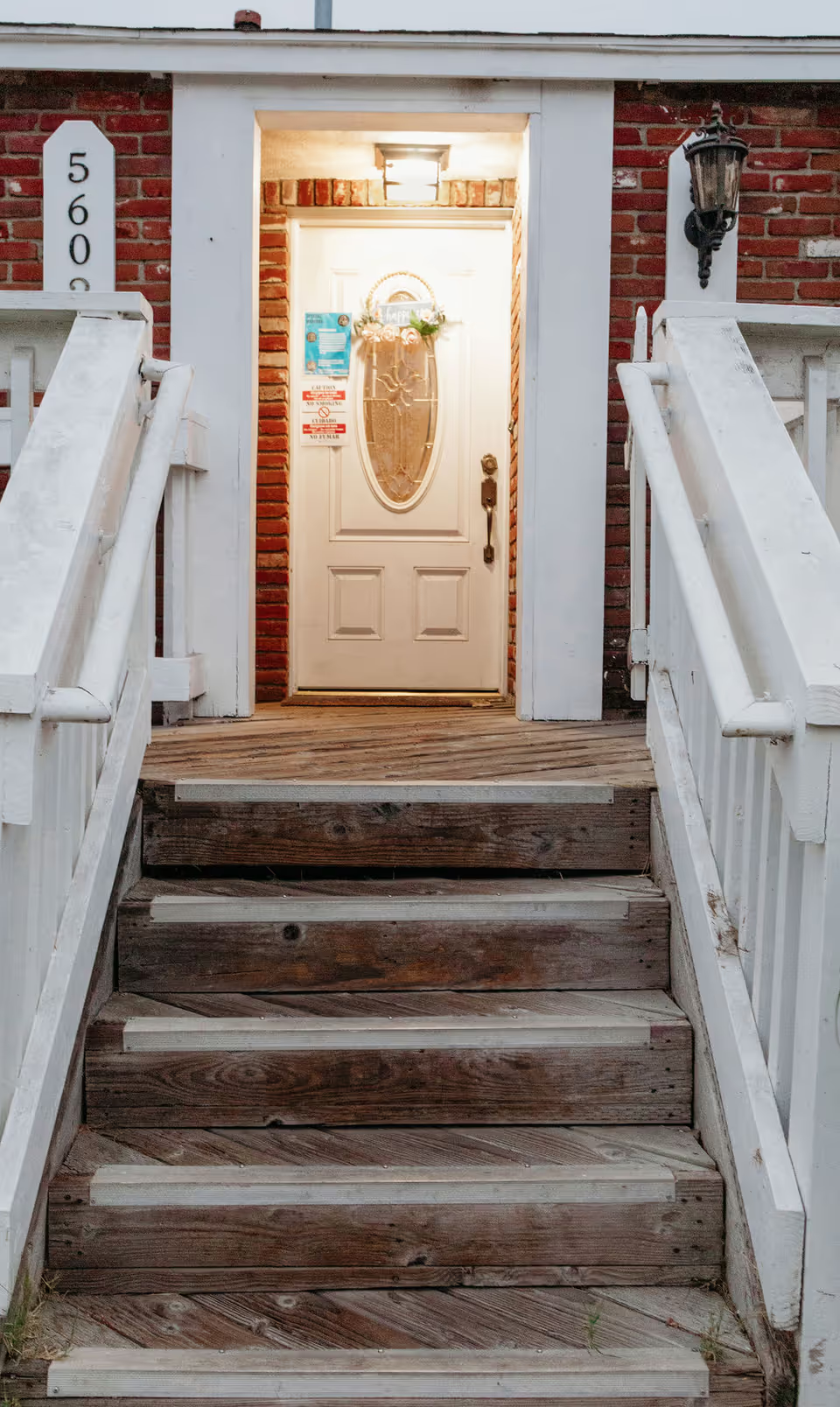
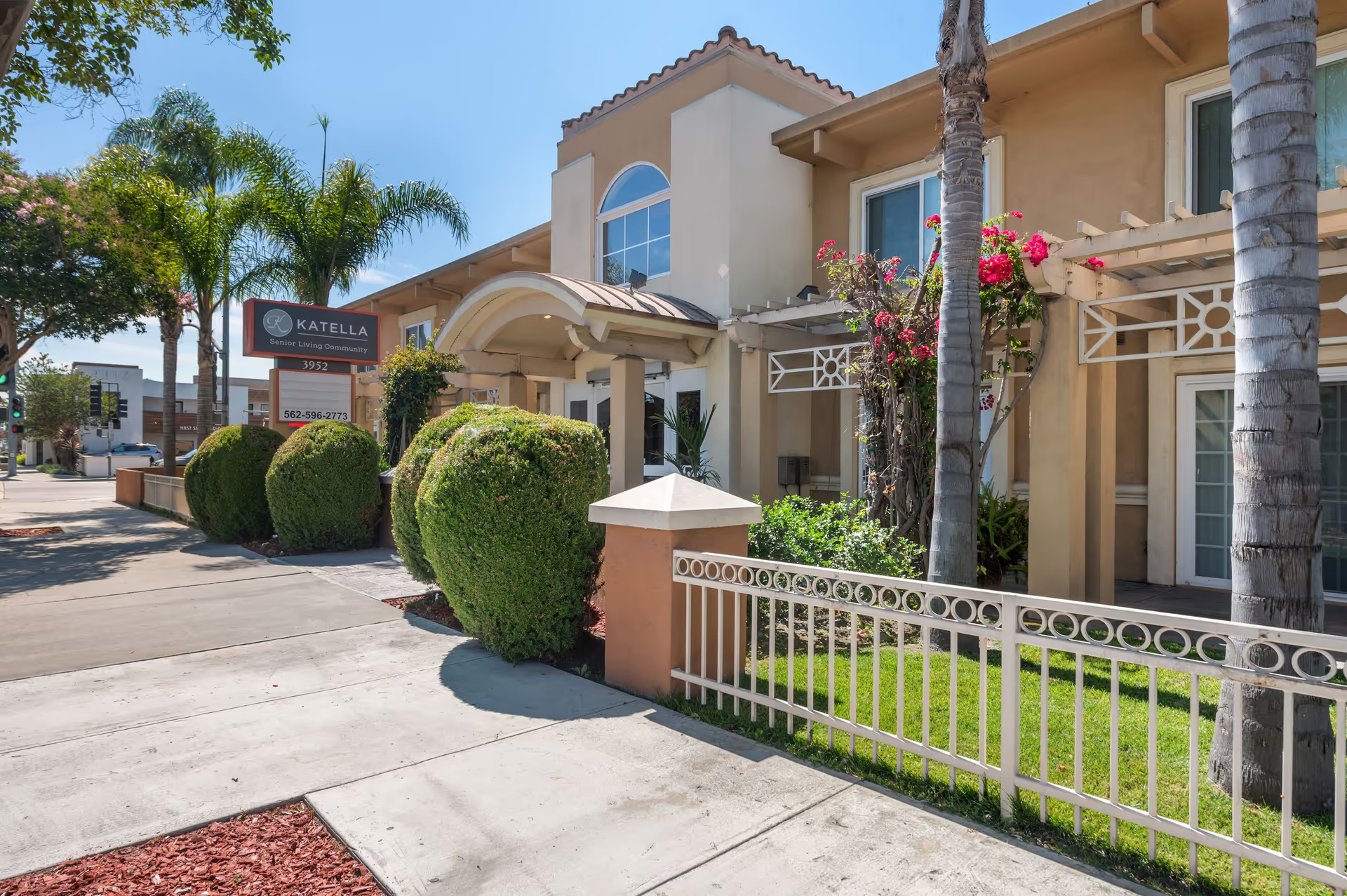
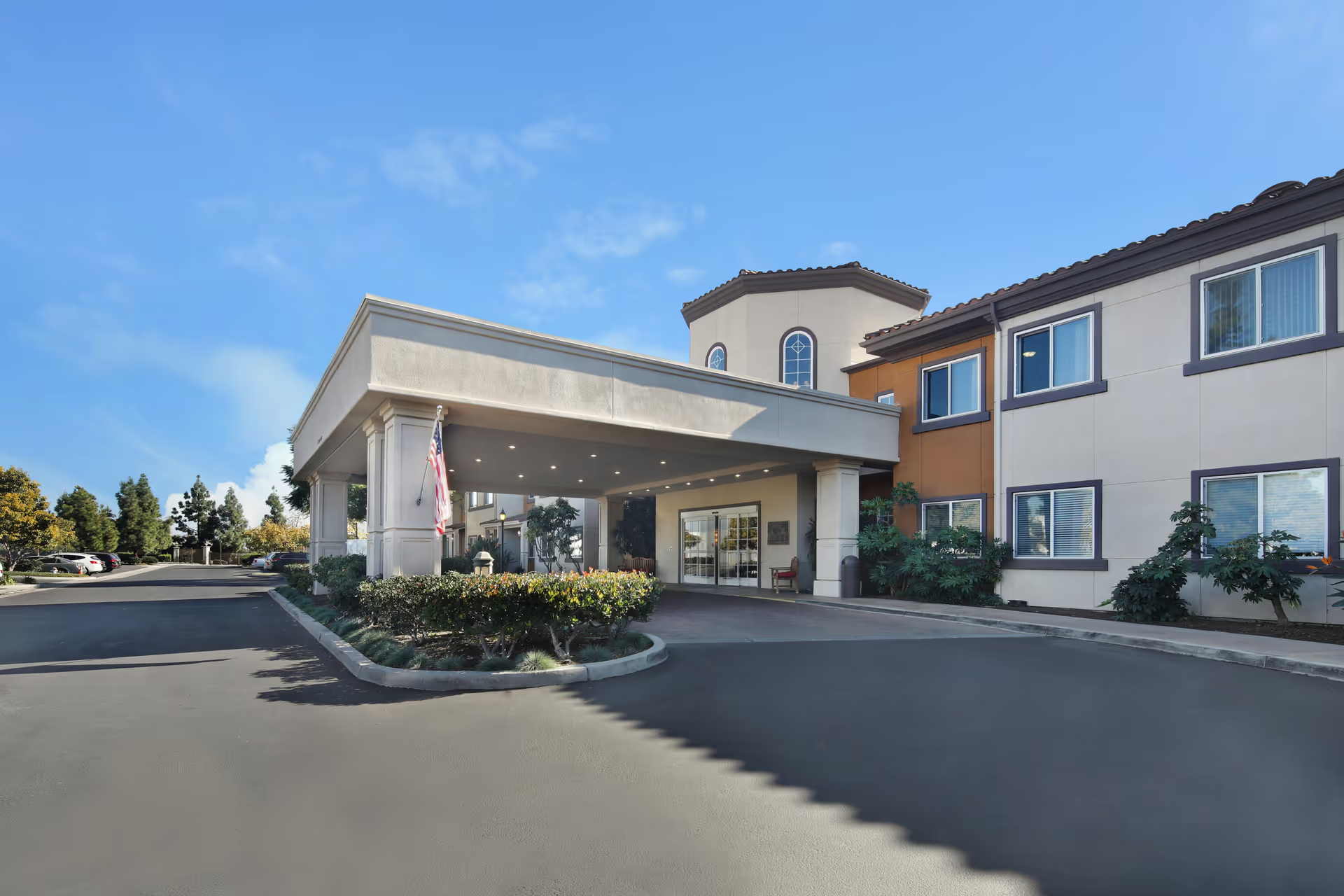
The facility environment and amenities are also commonly praised. Multiple comments describe a clean, well‑kept, odor‑free building with attentive housekeeping, fresh linens, and an inviting dining area. The kitchen and dietary teams are noted for made‑to‑order meals, accommodation of dietary needs and texture modifications, and generally home‑style cooking. Programming and activities (bingo, music, arts, outdoor seating and garden access) contribute to a family‑like atmosphere and social engagement for residents. Proximity to Long Beach Memorial Medical Center and an on‑site therapy gym with ample equipment are additional operational strengths.
Despite these strengths, a pattern of operational weaknesses emerges across reviews. Families report inconsistent responsiveness to call lights and delays in staff attending to requests, which aligns with concerns about intermittent staffing levels and low staff‑to‑patient ratios. Several reviews describe issues that point to variability in medication controls, wound‑care follow‑through, and other clinical‑safety processes; reviewers also raised worries about specific safety lapses and the timeliness of clinical incident responses. Communication gaps between nursing, therapy, and families—particularly around timing and coordination of treatments—were noted alongside admittance and billing frustrations such as delayed callbacks and copay discrepancies.
Other recurring operational themes include property‑management and logistics problems (laundry errors and allegations of theft), HVAC and temperature control variability, and uneven meal quality in a minority of reports. Conduct and tone of individual staff members were also called out as a concern by some families, contrasting with the large number of comments praising staff empathy and professionalism.
In sum, Atlantic Memorial appears to provide strong rehabilitative care, a clean environment, and many staff who deliver compassionate, individualized service. Prospective residents and families should weigh these strengths against the documented operational variability: responsiveness to call lights, consistency of clinical‑safety practices, administrative/billing processes, and property management. These are areas to probe during a tour and in follow‑up conversations—ask about staffing ratios on specific units, medication‑safety protocols, incident reporting and family notification procedures, laundry/property safeguards, and recent infection‑control or visitation policies to get current, facility‑level assurances.