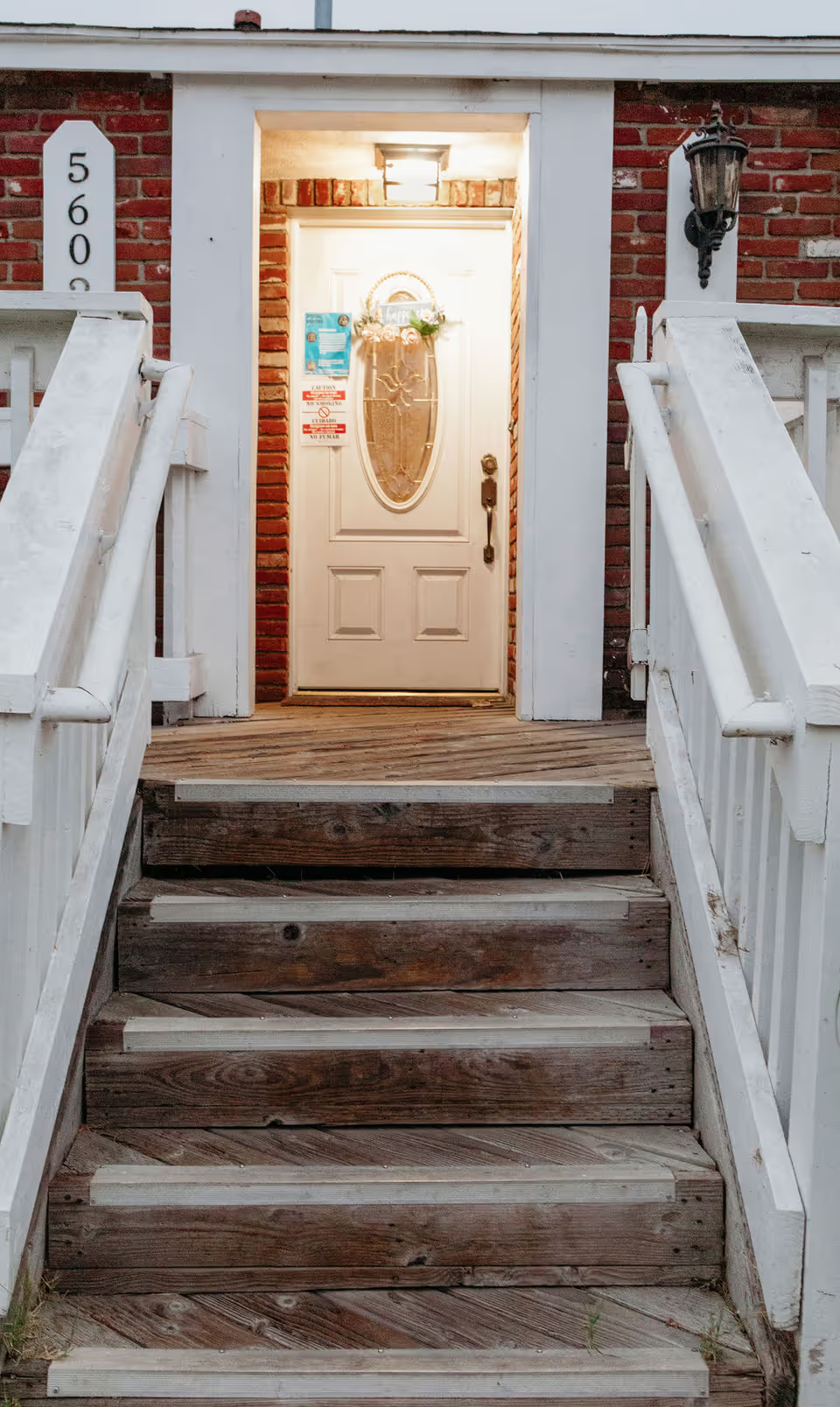
Overall impression Bel Vista Healthcare Center presents as a small (roughly 41–44 bed), home-style skilled nursing and short-term rehab facility with many families praising its compassionate staff, strong therapy services, appealing dining, and active social programing. Numerous accounts describe positive clinical outcomes after focused rehabilitation, consistent attention from long-tenured caregivers, pleasant grounds and room views, and a warm, family-like atmosphere. At the same time, the review set contains a number of distinctly negative experiences raising operational concerns about staffing, medication handling, safety, and communication.
Care quality and clinical operations Clinical strengths include a visible physical- and occupational-therapy capability that has supported measurable recovery for many residents, coordinated multidisciplinary care (dietary, PT/OT, nursing, social work), and positive interactions with hospice when appropriate. However, there are recurrent operational themes indicating variability in day-to-day clinical execution: inconsistent timing and documentation of medications, irregular pain-management practices, and variable therapy intensity/scheduling. There are also accounts implying gaps in wound and incontinence-related care and examples of delayed bedside attention. These patterns suggest that while clinical expertise exists, reliability of routine care delivery can fluctuate depending on staffing and shift.
Staff, management, and communication Staff are frequently described as kind, personable, and committed — multiple reviewers singled out specific caregivers, nurses, and activity staff for praise — and families also describe helpful case managers and social-work support during transitions. Conversely, there are consistent notes about uneven responsiveness, occasional unhelpful or unprofessional conduct, and limited nighttime oversight. Communication gaps are another recurring theme: families describe delays in clinical updates, incomplete coordination with outside physicians, and at least one instance of unclear expectations about whether the placement would be short-term rehab versus a longer skilled-nursing stay. Prospective families should seek clear, written explanations of the service level, therapy plan, and expected assessment cadence (including whether assessments occur only during daytime hours).
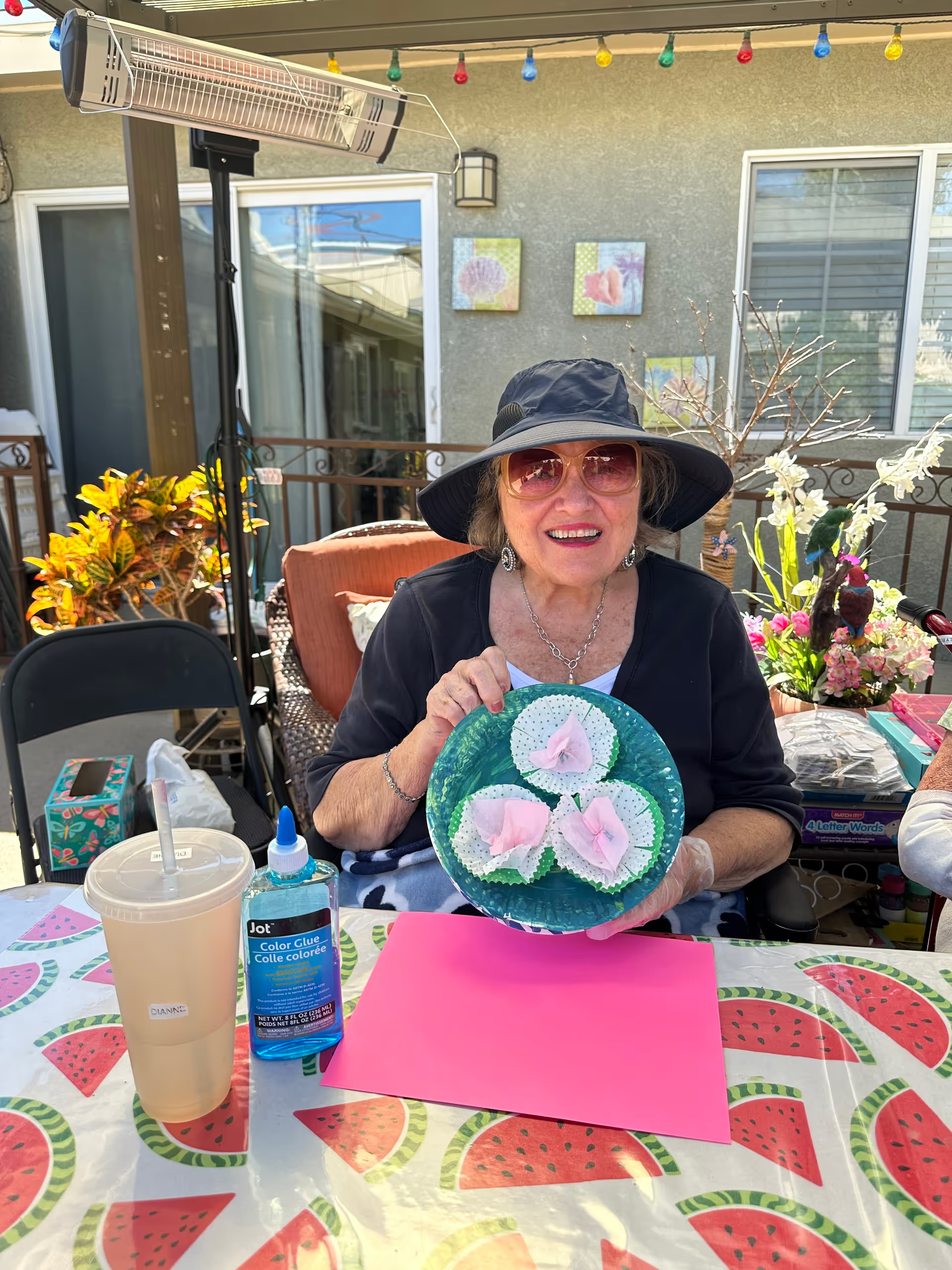
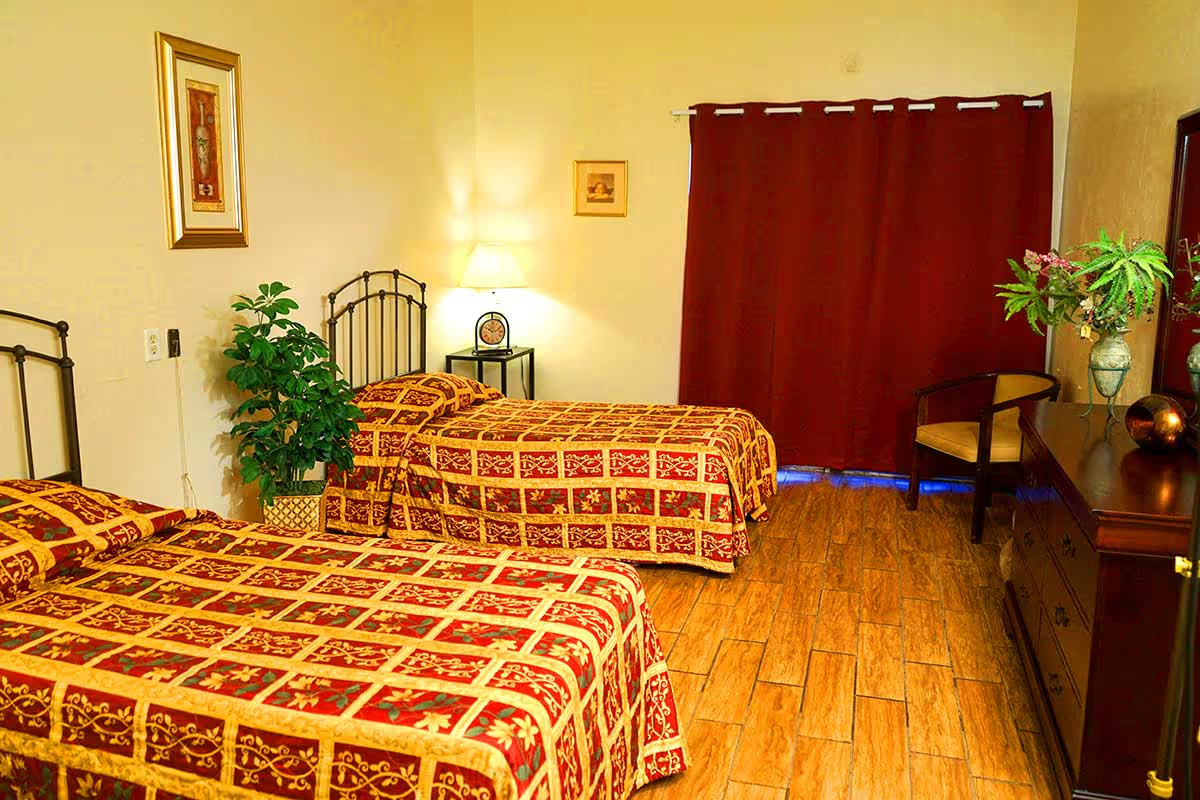
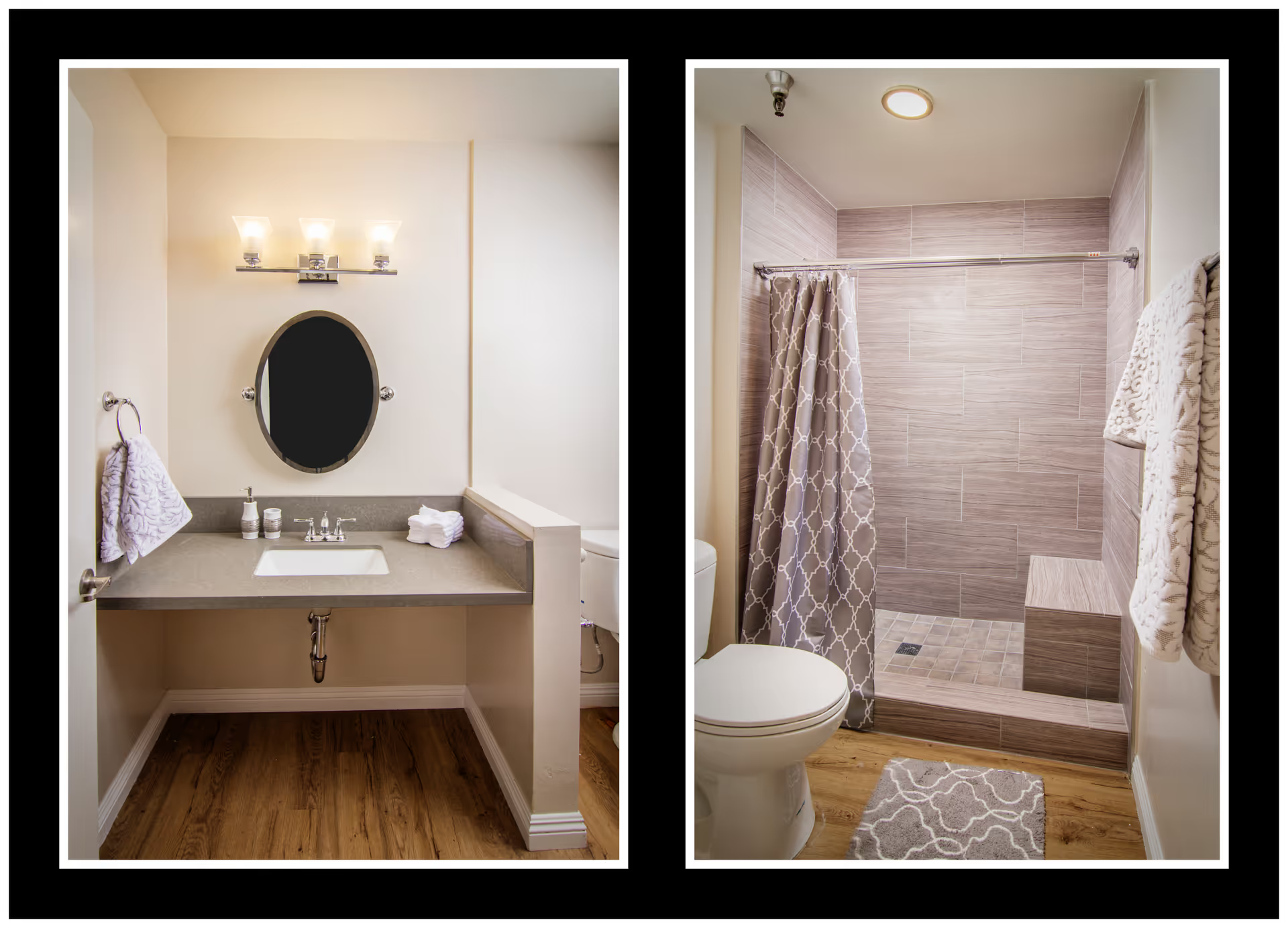
Dining, activities, and environment Dining is commonly highlighted as a strength — chef-prepared meals, dietitian check-ins, and generally positive meal experiences are regularly mentioned. The activities program is another notable positive, with a particularly strong endorsement for the Activity Director, who is credited with inclusive programming that boosts resident morale. The facility's small size contributes to its “homey” feel; reviewers frequently cite cleanliness, an odor-free environment, garden views, live entertainment, and spiritual programming as value-adds.
Safety, facility issues, and infection control There are more serious operational concerns present in the reviews that prospective residents should not overlook. Safety-related themes include falls and transfer-safety weaknesses, occasional property-security lapses (theft of personal items), and variability in infection-control outcomes (some families note the facility remained COVID-free at times, while others describe outbreak-related concerns). These items point to the need for direct questions about fall-prevention protocols, overnight staffing levels, personal-item security practices, and the facility’s current infection-control policies.
Patterns and guidance for families In sum, Bel Vista offers many attributes that families value for short-term rehabilitation and personalized skilled nursing — engaged therapy teams, attentive activities, strong dining, and a small, well-maintained setting. However, there is a parallel pattern of inconsistent operational reliability: medication timing and administration, staffing responsiveness (particularly overnight), transfer safety, and communication with families and external providers. Prospective residents and their families should balance reported therapeutic strengths against these operational risks by asking specific, documented questions before admission: staffing ratios by shift, medication-administration protocols and documentation practices, fall-prevention measures and transfer training, property-security procedures, whether therapy schedules are guaranteed or variable, and how the facility communicates clinical changes to families. Doing so will help align expectations with the facility’s strengths and mitigate exposure to the noted operational weaknesses.