Villa Redondo elicits a mixture of positive experiences and operational concerns. Families and residents frequently praise the interpersonal side of care: staff are commonly described as kind, patient, and attentive, and the community has several examples of staff forming close, supportive relationships with residents. The facility is noted for having knowledgeable admissions staff and tour guides, and several families highlighted capable dementia and assisted-living care. Maintenance staff and on-site personnel are also credited for responsiveness, and the grounds and common areas are often described as well-kept.
Care quality shows strength in relational and routine supports but unevenness in some clinical and logistical areas. Reviewers highlighted coordinated medication services and hands-on front-office oversight, yet there are recurring remarks about medication timing issues and concerns about staff qualifications at times. The community appears able to support residents with dementia and those needing assistance, and many families felt comfortable entrusting their loved ones to the staff. At the same time, staffing shortages and turnover were repeatedly mentioned as an operational pressure that can affect responsiveness and continuity of care.
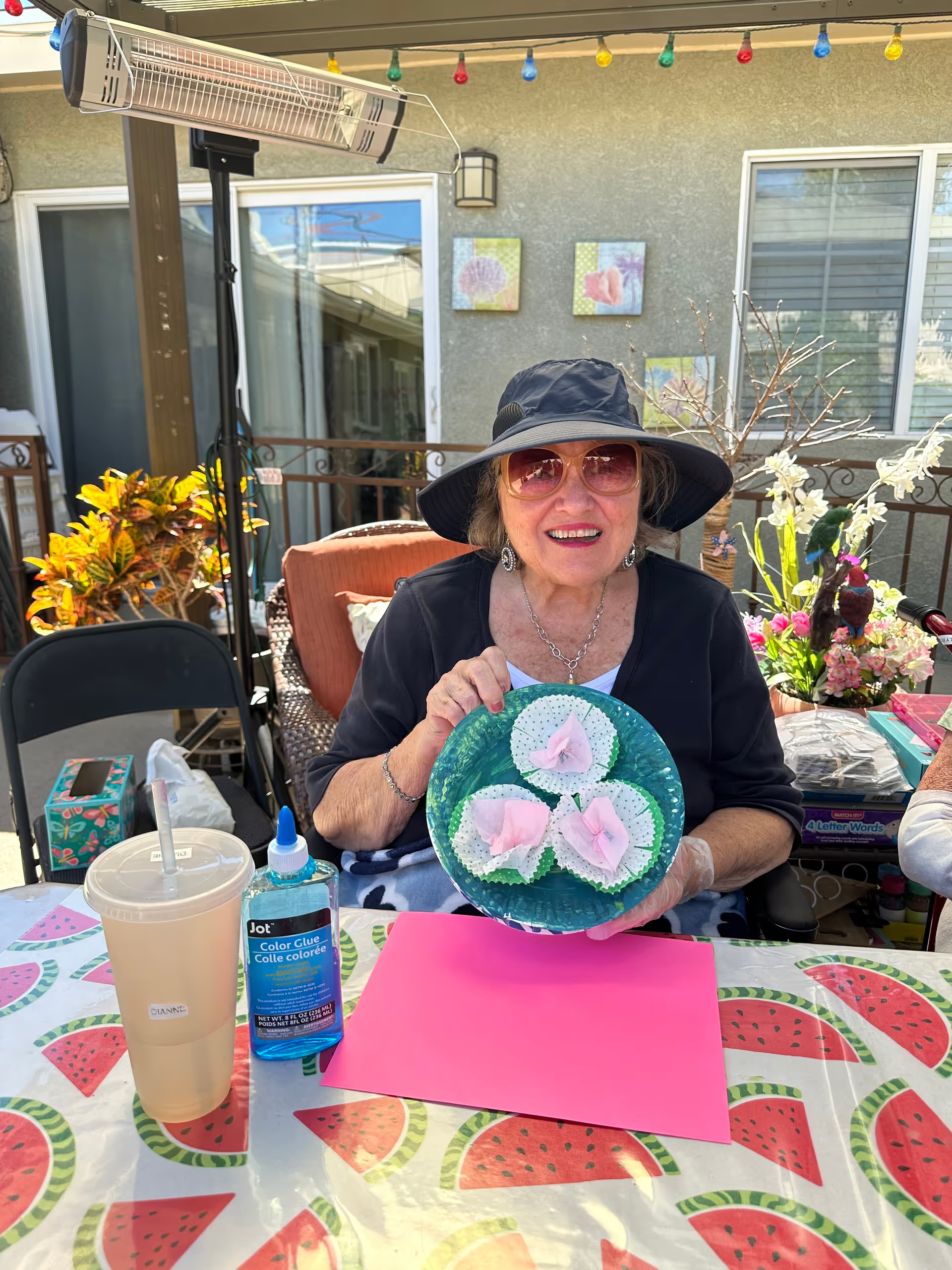
Dining and activities receive mixed evaluations. The dining room is repeatedly described as pleasant, sometimes with a view, but food quality and menu transparency are inconsistent — several comments characterize meals as bland or limited, with no posted menus. Activity programming is active in some respects (games, exercise, crafts, entertainment) and supports social connection, though reviewers also noted limited weekend programming, few outings, and occasional promised activities that were not delivered. Social life and resident friendships are definite strengths when programming is sustained.
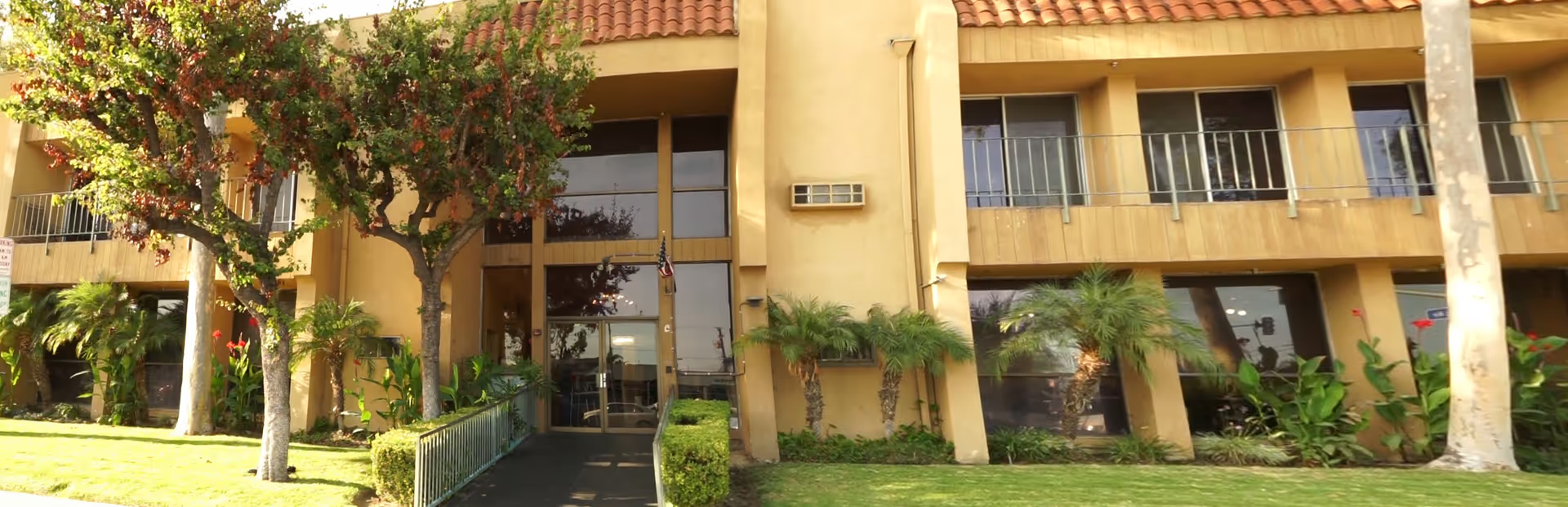
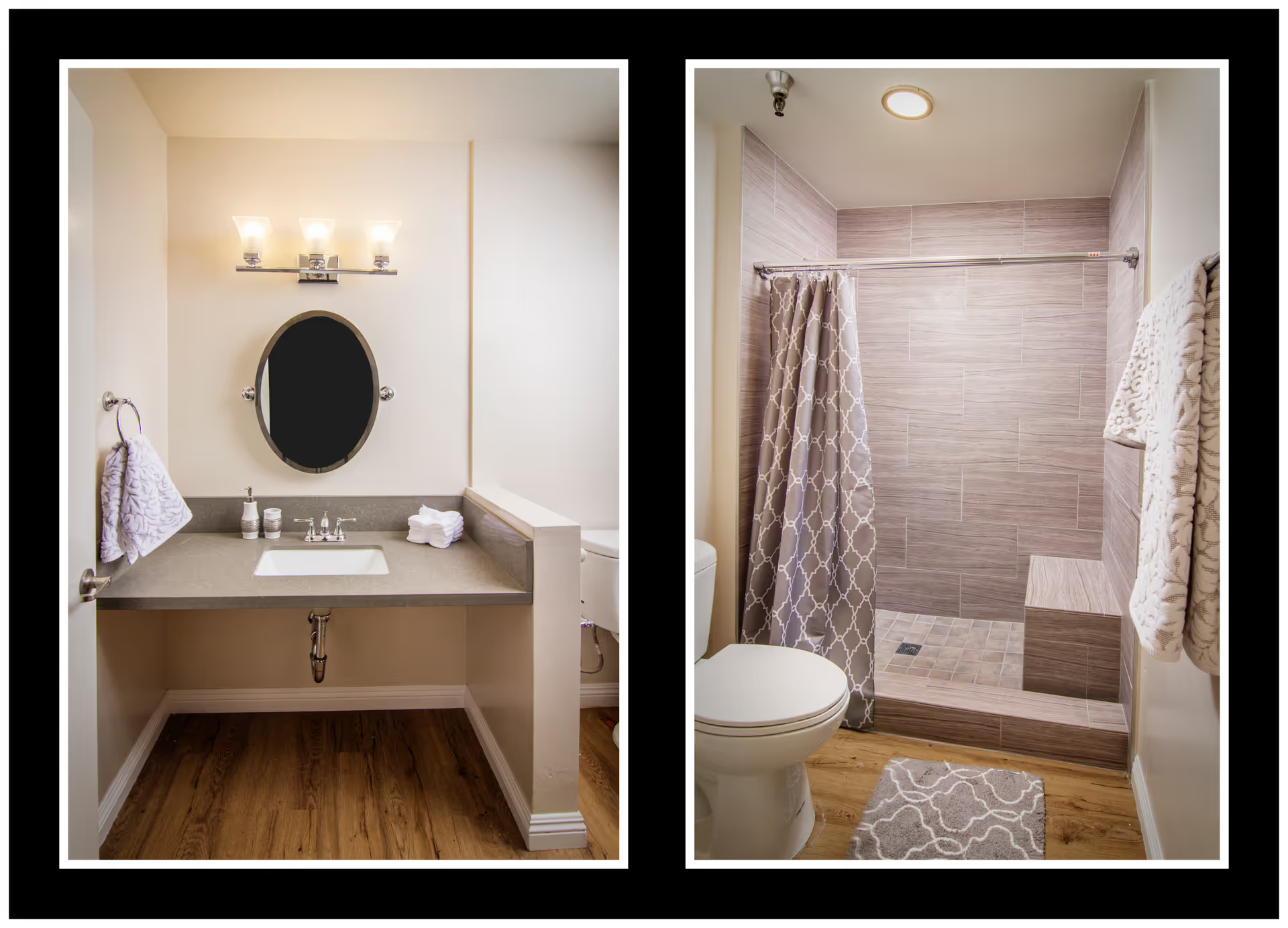
The facility’s physical plant and amenities reflect an older building with both positive and negative characteristics. Location and parking are convenient, private-room options with small kitchenettes exist, and common areas and patios are appreciated. Conversely, the building is described as dated in many areas, with odor concerns, dim or worn interiors, and some rooms lacking modern amenities (cable, updated furnishings, reliable air conditioning). Cleanliness is seen as adequate in several communal spaces but is a concern in parts of the building according to some families.
Management and administrative practices show contrasts: there are examples of hands-on administrators and staff who communicate promptly, but there are also repeated notes about inconsistent communication, billing problems, reception delays, limited after-hours access, and organizational disorganization. These administrative weaknesses, together with staffing pressures, appear to be the main operational risks families should weigh.
Overall, Villa Redondo offers a caring, community-oriented environment with strengths in staff–resident relationships, dementia-capable care, and a pleasant central dining/common area. Prospective residents and families should balance those human strengths against operational considerations: the age of the building, intermittent cleanliness and odor concerns, variable meal quality, inconsistent activity delivery, and administrative and staffing challenges. Visiting in person, asking for current staffing ratios, a sample activity schedule, menu examples, and documentation of medication and billing procedures will help assess whether the community’s strengths align with an individual’s needs.