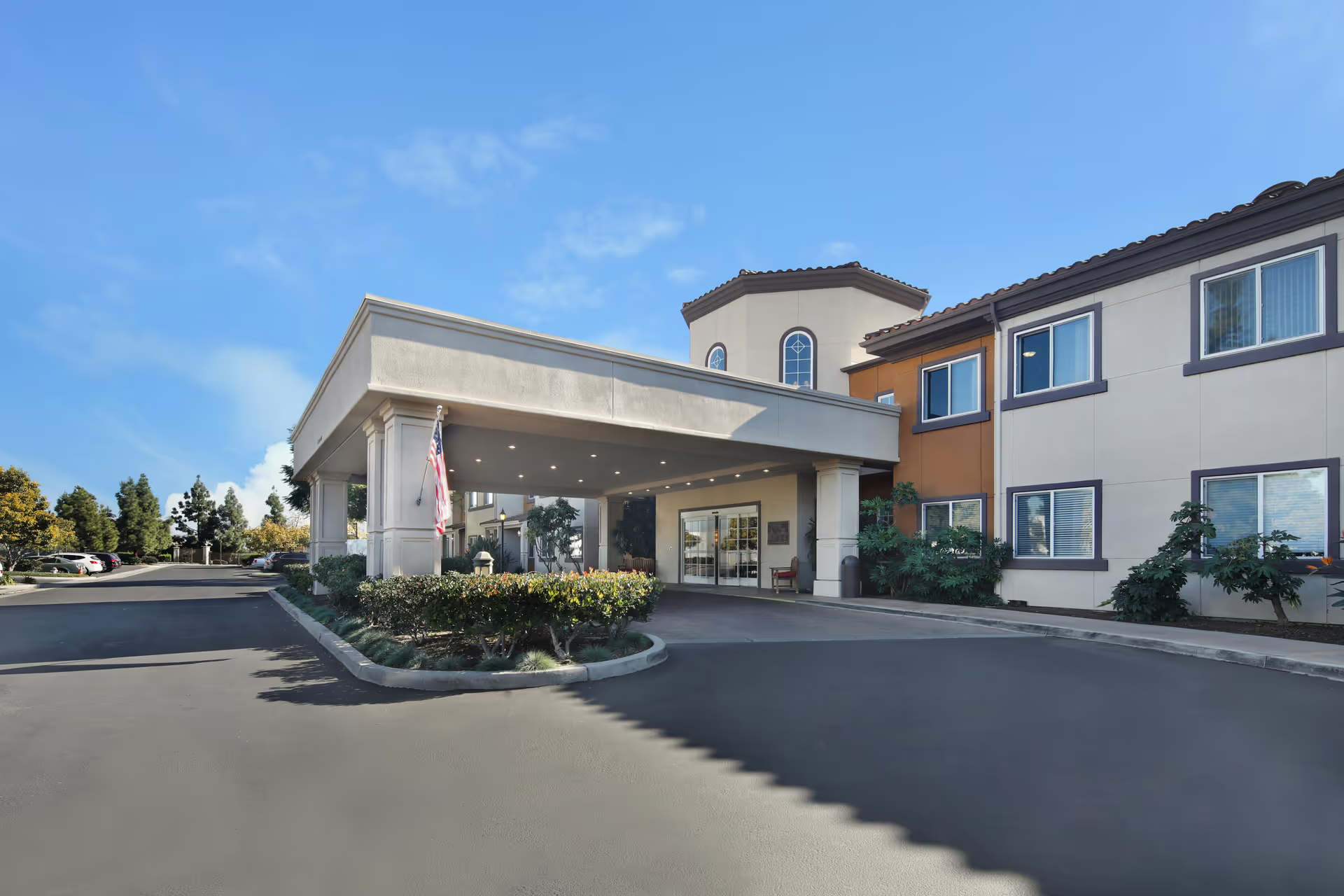
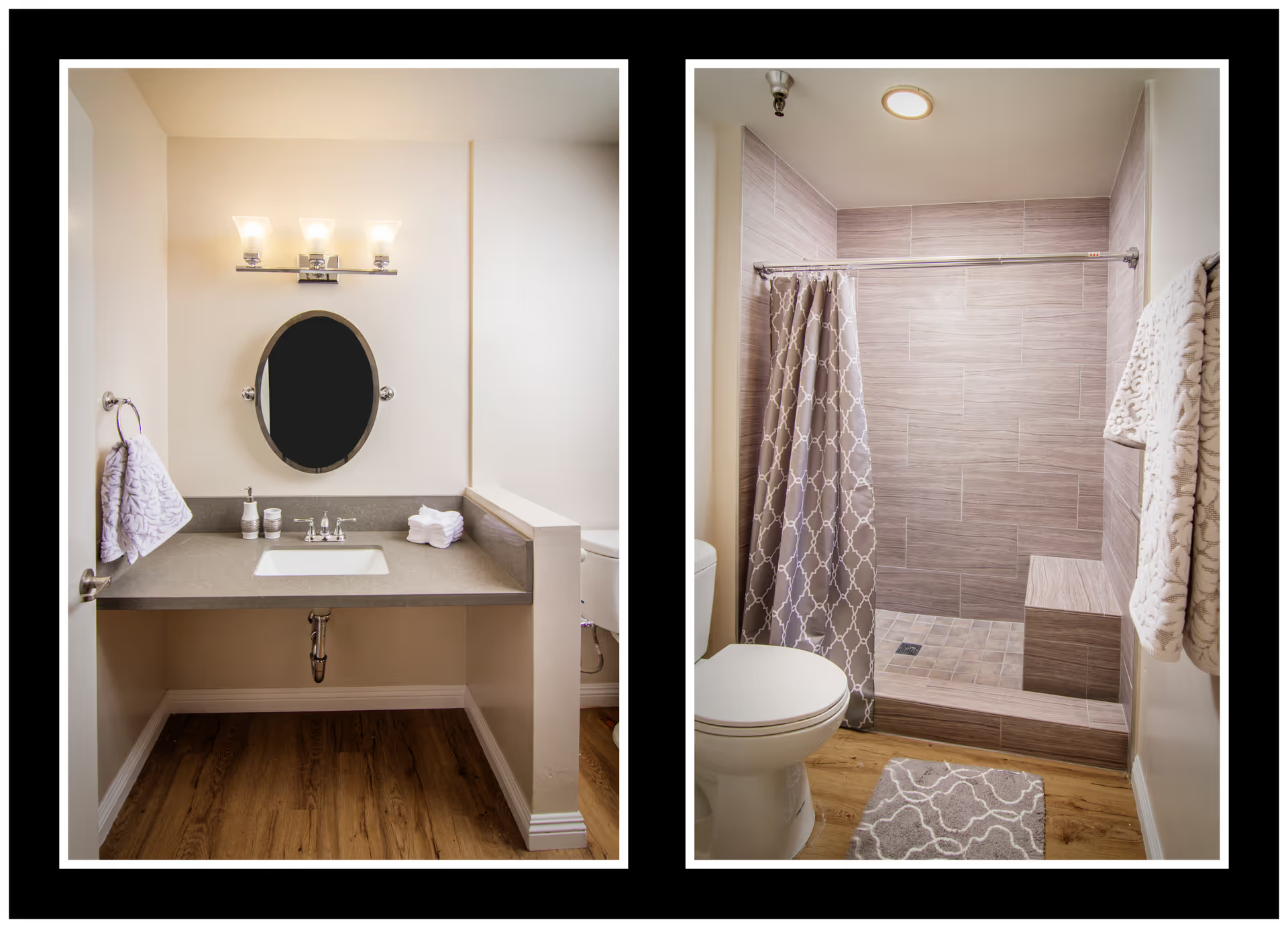
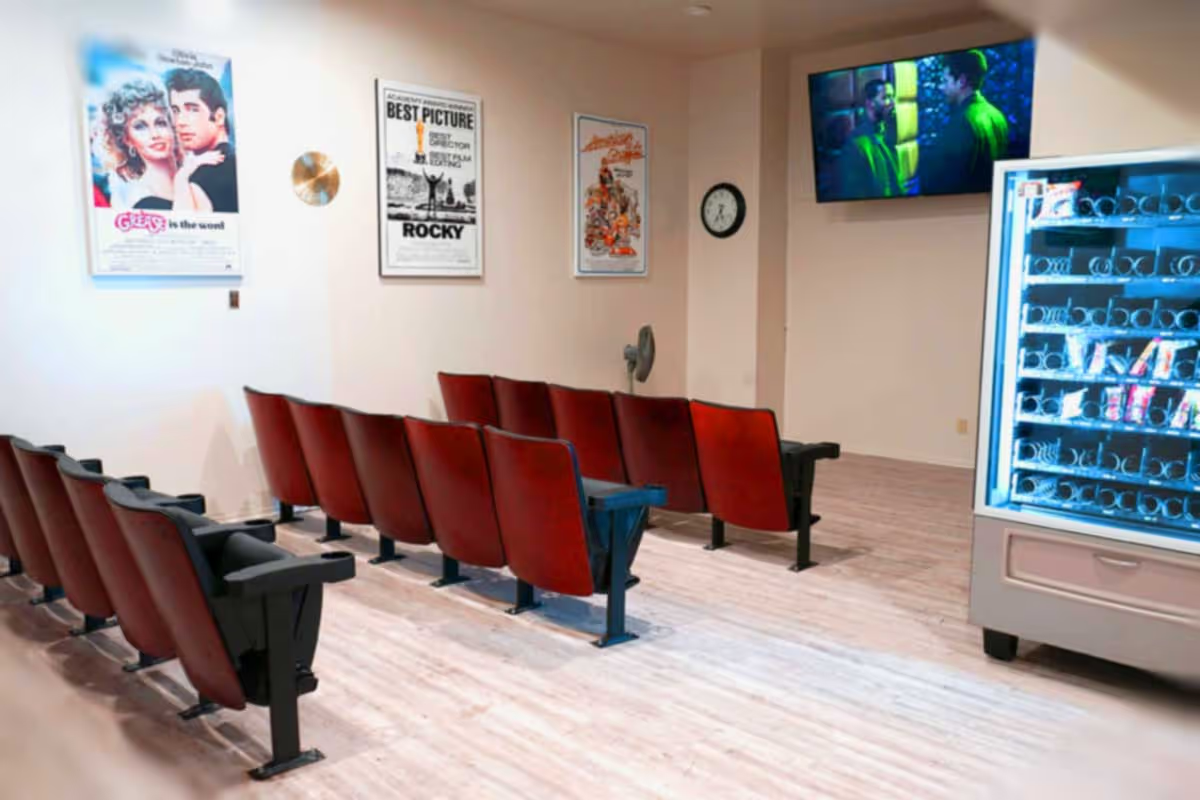
Overall feedback about Windsor Gardens Convalescent Center of Long Beach is mixed, with distinct areas of consistent praise alongside recurring operational concerns. Positive accounts highlight an attractive, park-adjacent campus with spacious rooms and a generally clean, odor-free interior. Many families and residents note that direct-care staff — particularly CNAs and some nurses — provide compassionate, hands-on support, and that therapy services can produce measurable mobility improvements. On-site amenities (beauty salon, mobile X-ray), an active activities calendar (music therapy, bingo, social nights), and dietary accommodations including in-room dining are also cited as strengths.
At the same time, a number of reviews describe systemic issues that affect day-to-day care. The most common operational themes are inconsistent staffing responsiveness and long waits for basic assistance, irregular personal-care routines (including delayed hygiene and linen changes), and gaps in infection prevention and clinical monitoring. Several accounts describe uneven nursing and physician oversight, with variable recovery planning and limited follow-through on therapy or specialist referrals. These issues appear to contribute to higher-acuity interventions for some residents shortly after admission.
Communication and administrative reliability are additional areas of concern. Families reported difficulties reaching staff due to phone-system failures or unresponsive front-desk interactions, miscommunications about resident location or status, and problems with handling personal belongings and laundry. Meal quality and service continuity have been variable, especially during kitchen renovations or operational changes, and some reviewers felt the food was inadequate. Visitation practices were also described as restrictive at times, which may affect family engagement.
There are clear signs of recent managerial attention and positive leadership in parts of the facility. Several accounts single out specific administrative staff who facilitated hospital-to-facility transitions, handled documentation, and improved communication; other comments describe a visible improvement in management initiatives and staff morale under new leadership. However, the pattern of widely varying experiences suggests that quality and consistency depend heavily on shift, unit, and a resident’s assigned team.
For prospective residents and families, the facility offers notable advantages (location, cleanliness in many areas, available therapy and activities, and supportive CNAs). At the same time, it would be prudent to confirm current staffing levels and responsiveness, ask for a clear therapy and recovery plan with scheduled physician oversight, review infection-control policies and recent inspection or incident history, clarify laundry and personal-property procedures, and discuss visitation policies. An on-site meeting with administrative leadership and a tour focused on staffing, therapy hours, and communication practices can help determine whether the facility’s strengths align with an individual resident’s needs.