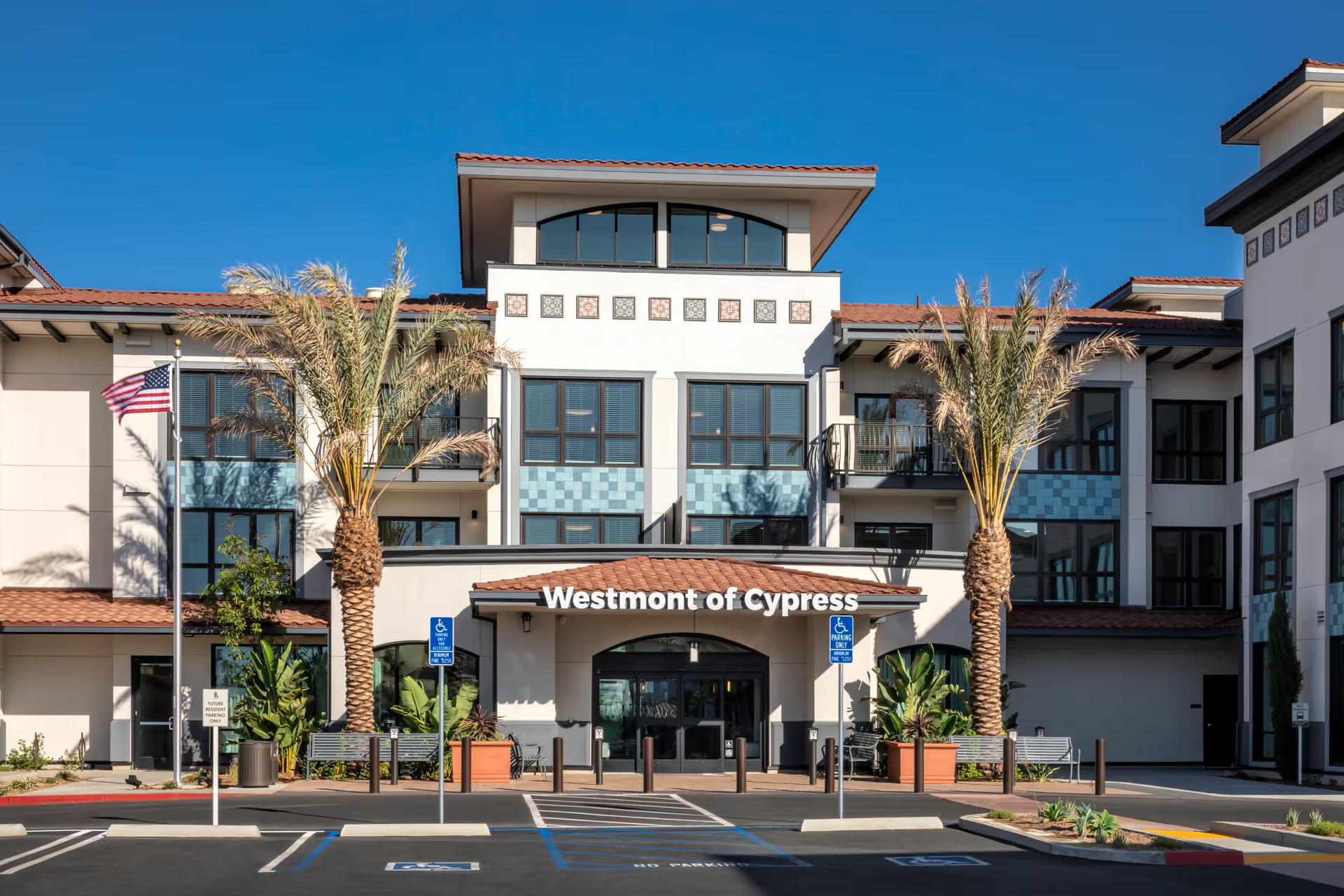
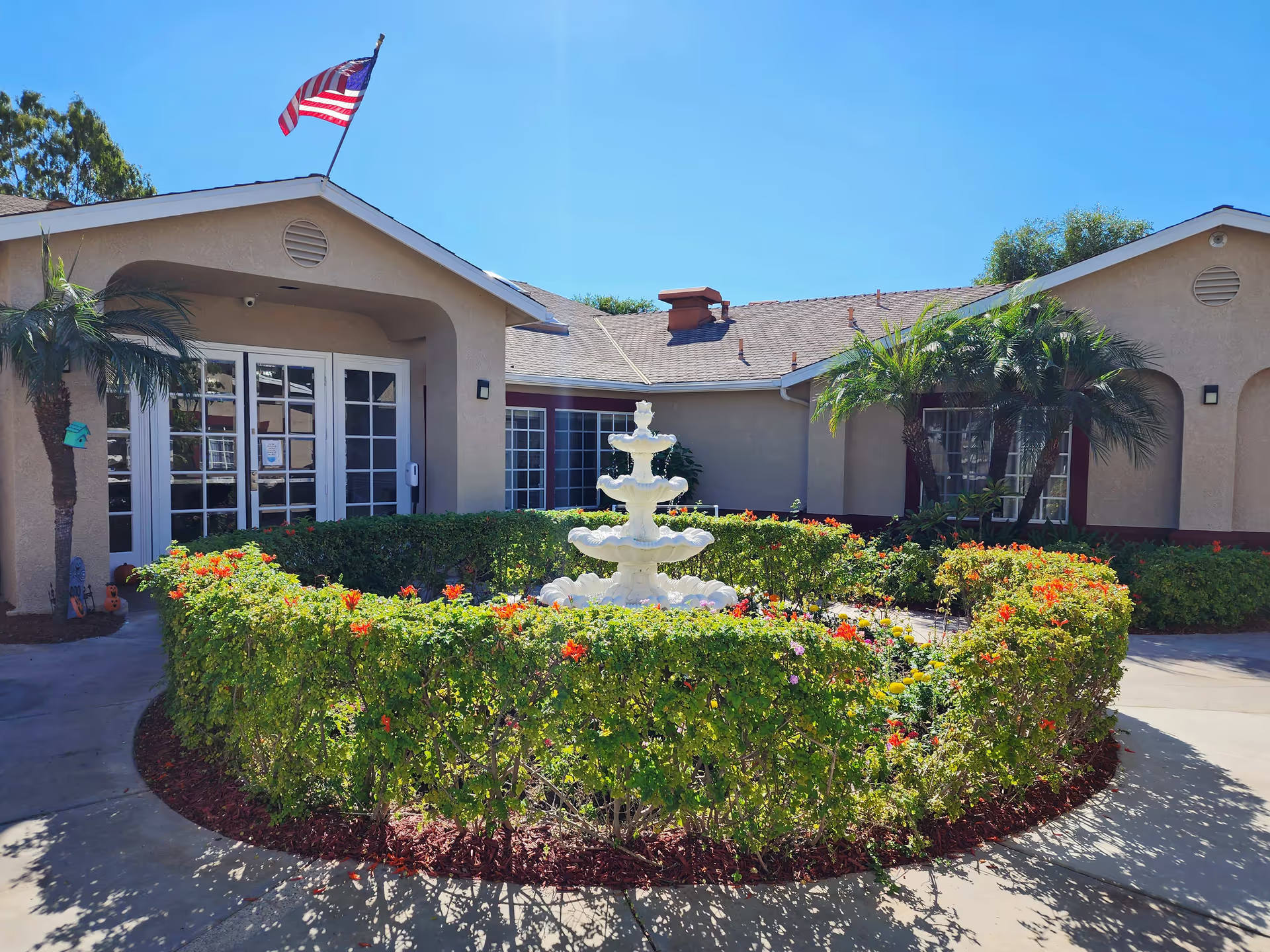
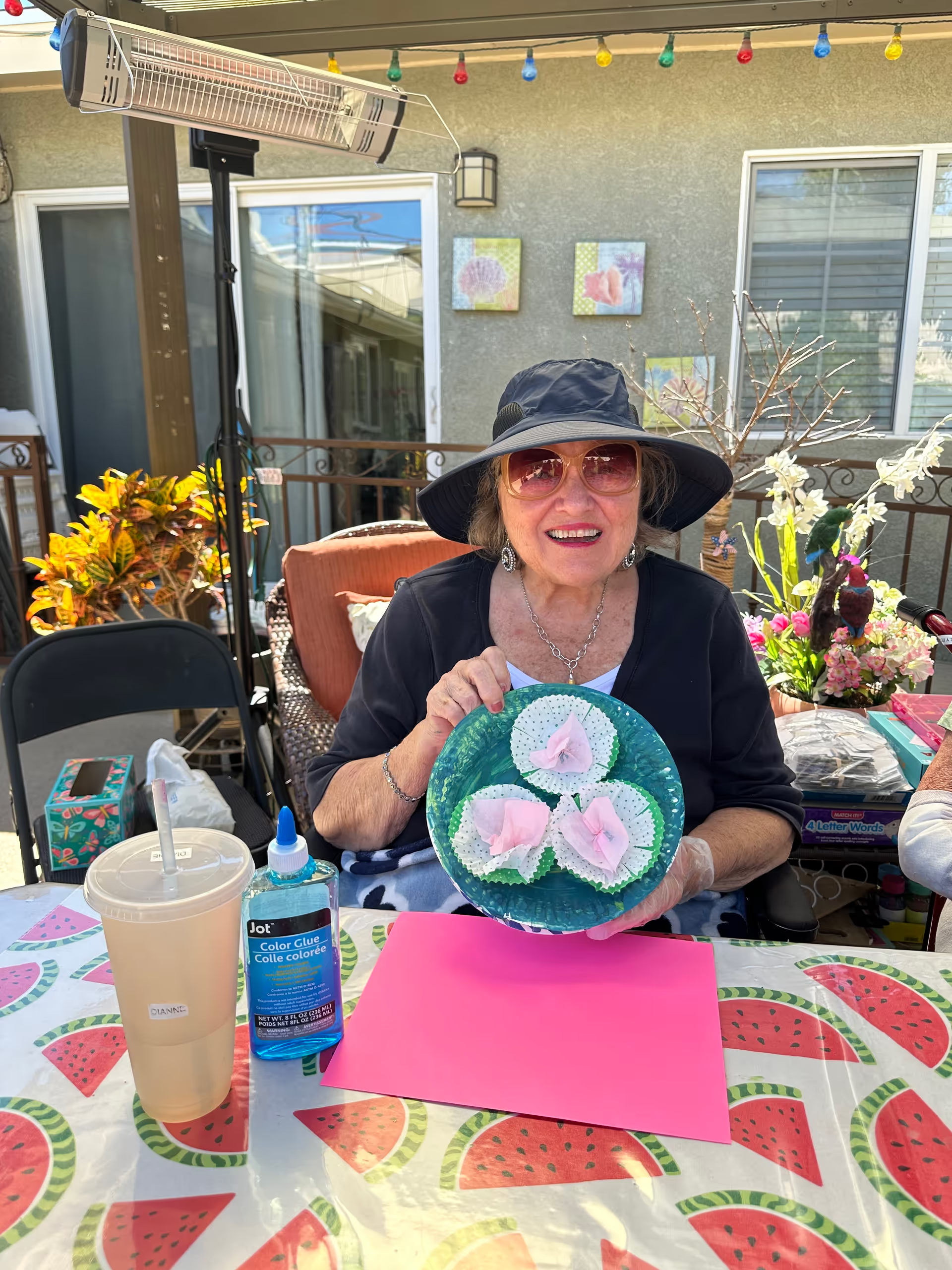
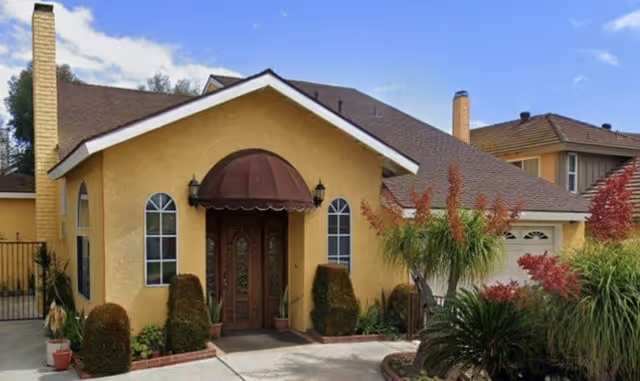
The reviews of Alamitos West Health & Rehabilitation present a highly mixed picture, with clear examples of strong rehabilitation and compassionate bedside care alongside recurring operational concerns. Positive accounts emphasize an effective therapy program, helpful CNAs and nurses, a clean facility with accessible rooms and outdoor spaces, and a range of activities and dining options that contribute to a family‑oriented atmosphere. Several families described meaningful functional improvement and successful wound care under the therapy and nursing teams.
At the same time, a consistent theme is variability in day‑to‑day clinical reliability. Reviews point to delayed escalation of clinical changes, inconsistent timing and administration of medications, and gaps in documentation that complicate care continuity. Multiple narratives also flagged inconsistent housekeeping and sanitation practices and delays in addressing hygiene needs. There are recurrent mentions of staffing shortages or uneven coverage that appear to contribute to slower call‑light responses, unattended residents at times, and variability in the quality of care provided across shifts.
Communication and administrative processes emerge as another area of division. Positive experiences note proactive admissions staff and engaged case management; negative accounts describe poor family communication, incomplete medical records, confidentiality concerns, discharge planning errors, and billing or transfer pressures. Several reviews reference regulatory actions and serious clinical incidents; those items underscore the need for transparent incident review, stronger quality assurance, and clearer grievance resolution processes.
Dining and activities are generally viewed favorably when staff and resources are available: families mention varied menus, large dining areas, social events, and outdoor seating. However, some reviews report inconsistent meal timing and nutritional management. The facility’s physical environment — clean rooms, sliding doors, courtyard access, and rehabilitation equipment — is frequently praised, but the benefits of those amenities are undermined when staffing, documentation, or clinical processes are inconsistent.
For prospective residents and families: the facility demonstrates real strengths in therapy, engaged caregivers, and environment, but also shows recurring operational weaknesses that can affect clinical reliability and family communication. When considering placement, families should verify current staffing levels, ask about recent quality‑assurance actions and regulatory status, review medication‑administration and escalation protocols, and confirm how the facility handles grievances, discharge planning, and recordkeeping. These steps can help align expectations with the facility’s variable performance profile.