Overall sentiment across the review summaries is mixed, with clear strengths in individual caregiver interactions and certain staff members, but consistent concerns about dining quality, management practices, availability, and intermittently impersonal staff presence. Multiple reviewers highlight positive, personal experiences — for example a caregiver who was "very helpful," comments that the director is "good," and a family member reporting that their "mom likes it." These remarks point to pockets of high-quality, person-centered care and competent leadership that made a meaningful impression on some visitors or residents.
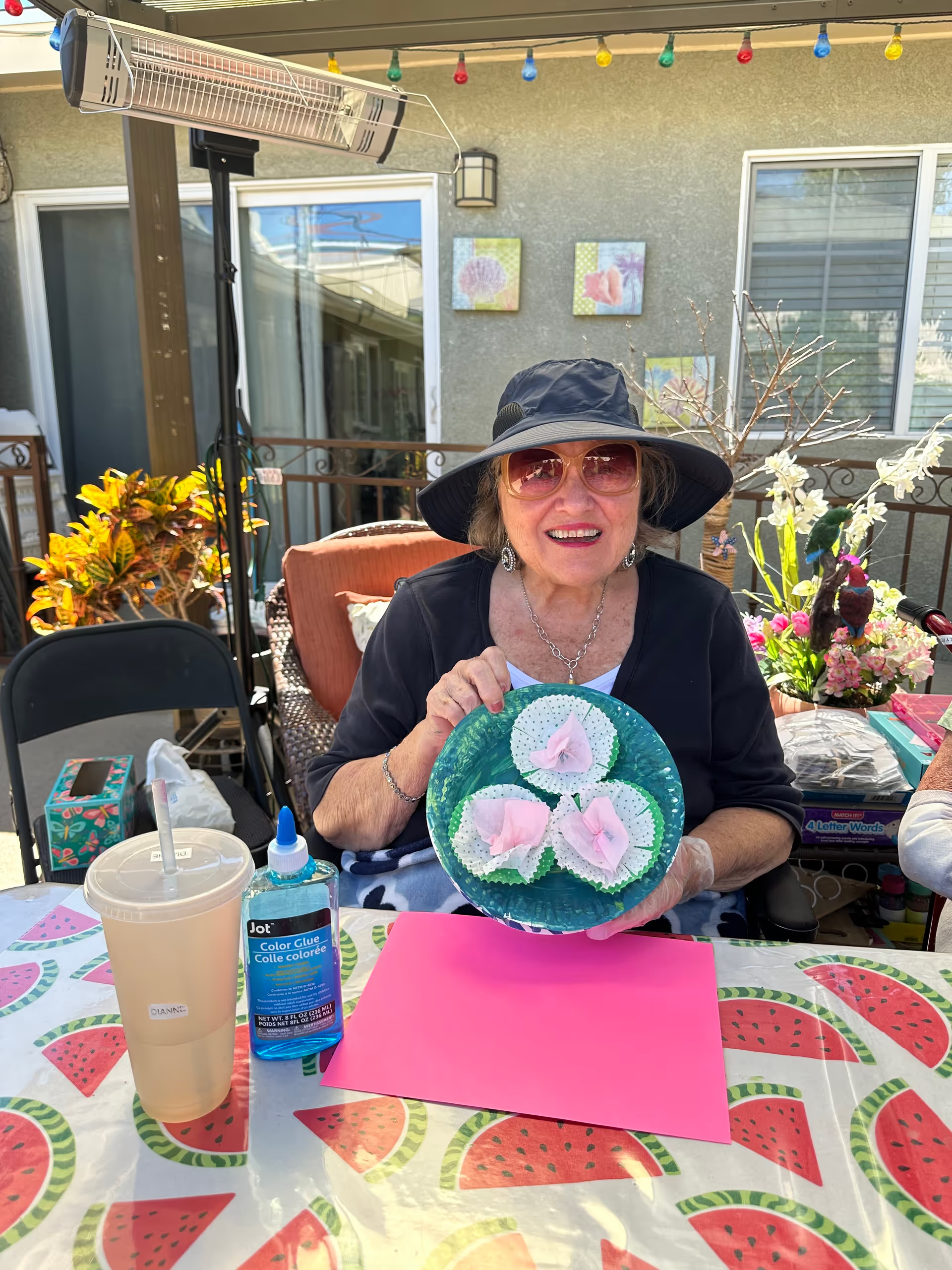
Care quality and day-to-day assistance emerge as a relative strength when individual staff are involved. The "caregiver very helpful" comment and the resident endorsement suggest that frontline personal care can be effective and appreciated. However, this positive view of direct care is tempered by reports of low staff visibility and impressions that some staff "seemed cold" or were not seen by reviewers. That pattern indicates variability in staff engagement: some team members create positive experiences while others come across as distant or insufficiently present.
Staff and management impressions are mixed and merit attention. On the positive side, reviewers singled out a "good director" and described some staff as "delightful," which suggests capable leadership and interpersonal strengths in parts of the team. On the negative side, concerns about "management training" and a specific instance where management did "not return to check" point to gaps in follow-through, accountability, or training consistency. These kinds of management concerns can undermine otherwise good caregiver-level interactions and create a perception of unreliability for prospective residents and families.
Dining is a prominent and consistent area of complaint across the summaries. Reviewers explicitly mention fried foods, a lack of vegetables, a preponderance of refined carbohydrates, and an "untrained cook." Those specific criticisms suggest both menu planning and food preparation issues: the food offering may be unbalanced (too many fried items and refined carbs, not enough fresh produce), and staff responsible for meal production may lack appropriate training or culinary oversight. For prospective residents who prioritize nutrition and balanced meals, this is a significant negative signal.
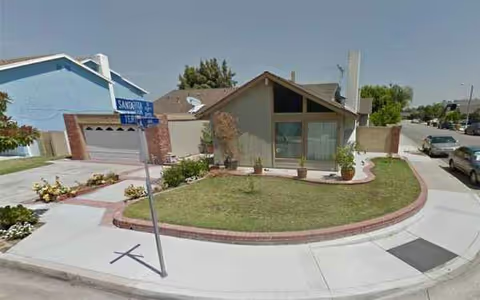
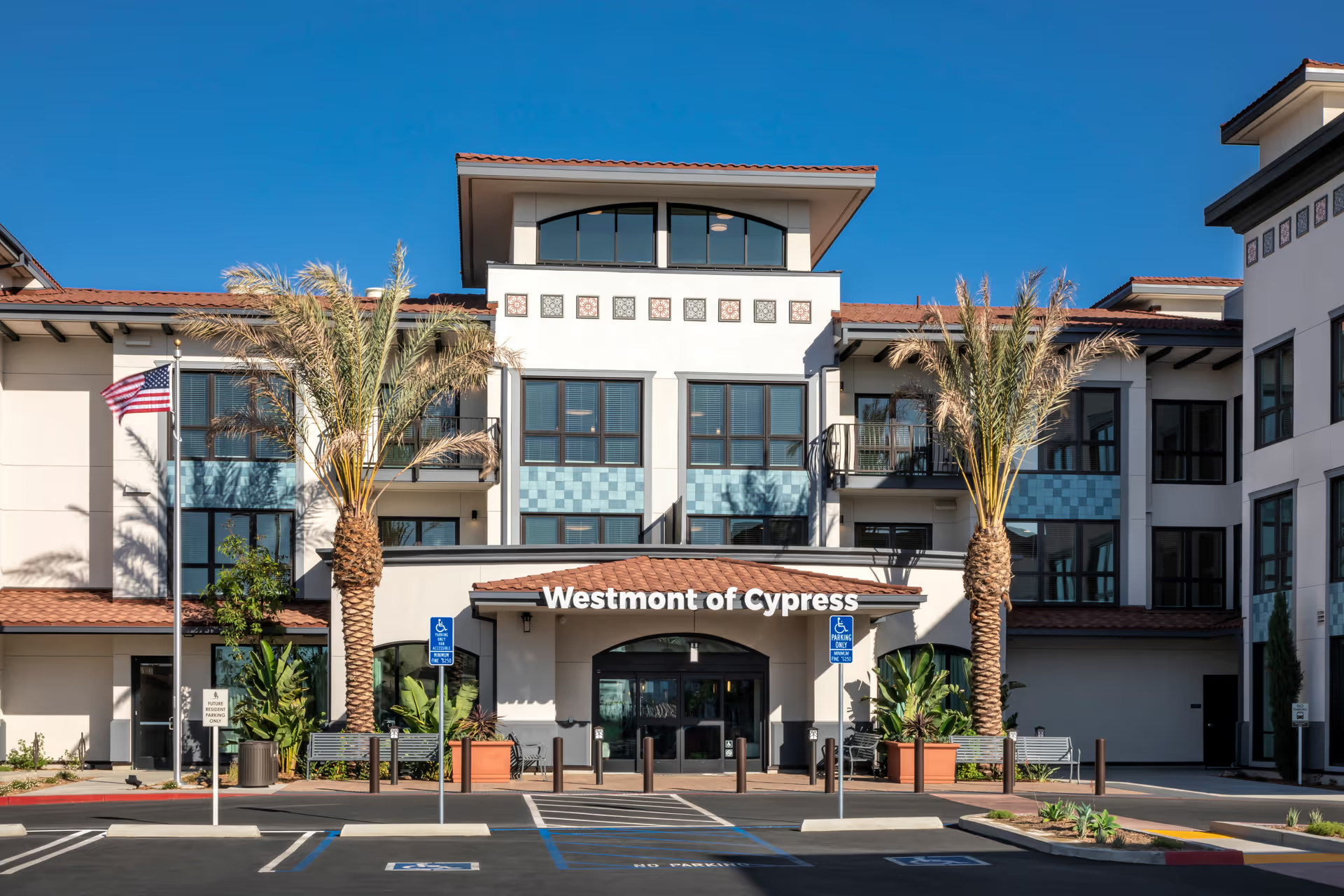
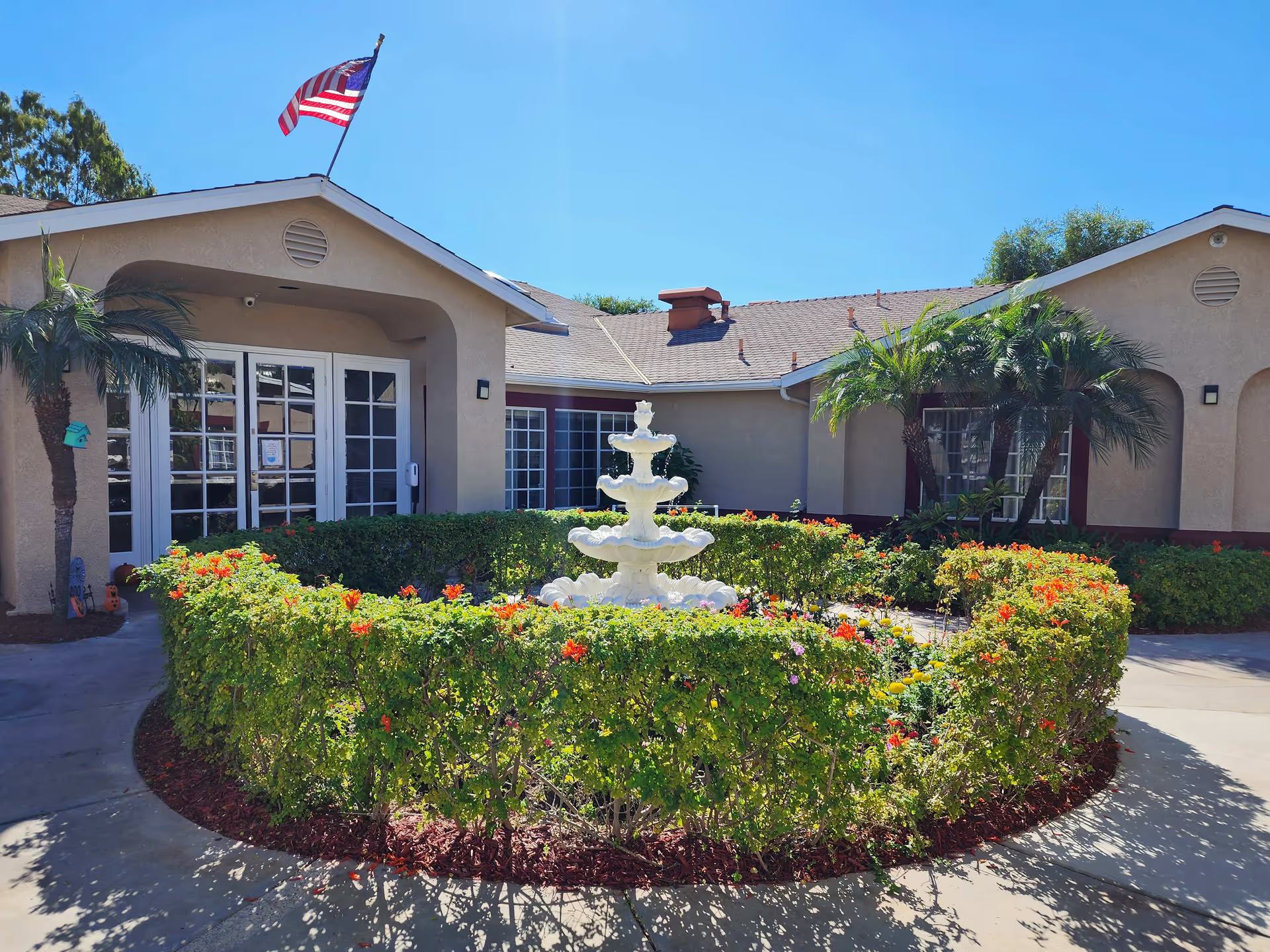
Facility and comparatives: the physical appearance of the main location is described positively as a "nice-looking facility," and one reviewer noted that an "other house was very nice," implying that different campus locations may vary in quality. Availability is a consistent operational limitation noted by multiple reviewers: "no vacancy at this location" and "no openings/availability" are repeated, and cost is flagged as a potential barrier with the phrase "pricier option." Together these points suggest the community may be in demand (hence limited openings) or positioned at a higher price point, which could affect who considers it viable.
Notable patterns and actionable points: the reviews form a coherent pattern of strengths in individual caregiving and certain staff/leadership members, contrasted with systematic weaknesses in dining, staff consistency, and management follow-through. Availability and cost are additional practical considerations for families: while the facility looks nice and some people are very satisfied, limited openings and higher price could limit access. Anyone evaluating Rossmoor Sunshine Villa should weigh the positive interpersonal experiences and attractive facilities against reported shortcomings in the dining program, occasional cold or invisible staff interactions, and concerns about management responsiveness and training.
In summary, Rossmoor Sunshine Villa appears to offer attractive physical surroundings and can deliver very good individual care experiences — several reviewers praise caregivers, the director, and say that residents like the community. However, the facility also shows recurring issues that prospective residents and families should investigate further: a problematic dining program (fried food focus, lack of vegetables, untrained cook), inconsistent staff warmth and visibility, management training and follow-up gaps, limited availability, and higher pricing. For a balanced decision, visitors should request a recent menu, ask about culinary staffing and training, meet the director and frontline staff multiple times to gauge consistency, and verify current availability and fees.