The reviews describe a facility with strong clinical and therapeutic strengths alongside recurring operational weaknesses. On the positive side, many accounts praise hands-on caregivers, rehabilitation therapists, and social-work staff for compassionate, professional support and effective therapy outcomes. Several reviewers named specific therapists and social workers as instrumental in physical recovery and emotional support; families also noted attentive post-discharge follow-up and able diagnostic care from medical staff. Activities such as music therapy and group engagement were repeatedly described as meaningful and uplifting for residents.
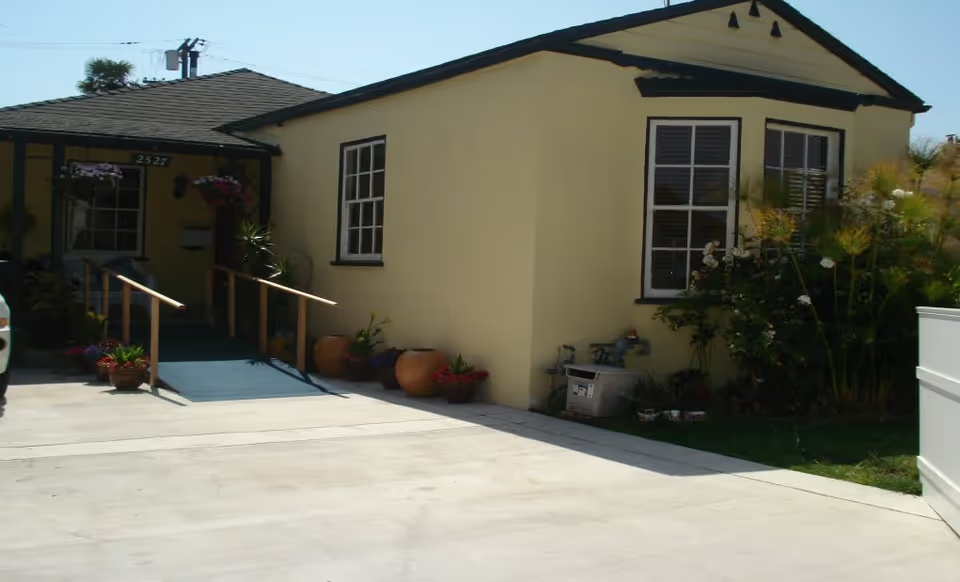
Facility amenities receive generally favorable comments: the center is described as clean, modern, odor-free, and well maintained, with a pleasant outdoor patio and communal areas. Multiple reviewers commented positively on meal variety and appealing menu choices, and several frontline administrative staff (reception and nursing) were characterized as polite and helpful on initial visits.
Counterbalancing those positives are a number of operational concerns that recur across reviews. The most notable themes are inconsistent responsiveness to urgent needs (including delayed responses to nurse-call systems), variability in clinical processes such as medication administration and wound care, and inconsistent dietary management—particularly regarding adherence to diabetic and other therapeutic meal plans. Safety-related process gaps were also raised, including equipment checks and resident monitoring; these comments point to weaknesses in safety-protocol compliance rather than isolated bedside behavior alone.
Management and organizational issues are another recurrent pattern. Reviewers describe frequent turnover in nursing leadership, uneven staffing levels across shifts, and variability in staff professionalism and teamwork. Communication challenges are frequently cited: unresponsive phone lines, slow administrative follow-up, delays in returning voicemails, and difficulty obtaining medical records or accommodation requests. Separate serious financial concerns were raised in a subset of reviews, including allegations of improper billing or lack of financial transparency.
Other operational risks noted include property-security controls (concerns about personal items), inconsistent enforcement of resident-rights processes, and occasional denial of requested accommodations. At the same time, many families reported exemplary, compassionate caregiving experiences; this juxtaposition suggests variability by unit, shift, or team.
For prospective residents and families: consider arranging an in-person observation across multiple times of day, ask detailed questions about nurse-call response times, wound-care and medication protocols, diabetic meal planning, staff-to-resident ratios on different shifts, leadership tenure, and procedures for safeguarding personal property and addressing billing questions. Request clear points of contact for escalation and documentation of communication practices. Where possible, obtain references from recent families and verify any regulatory or ombudsman records to supplement the firsthand impressions from visits.