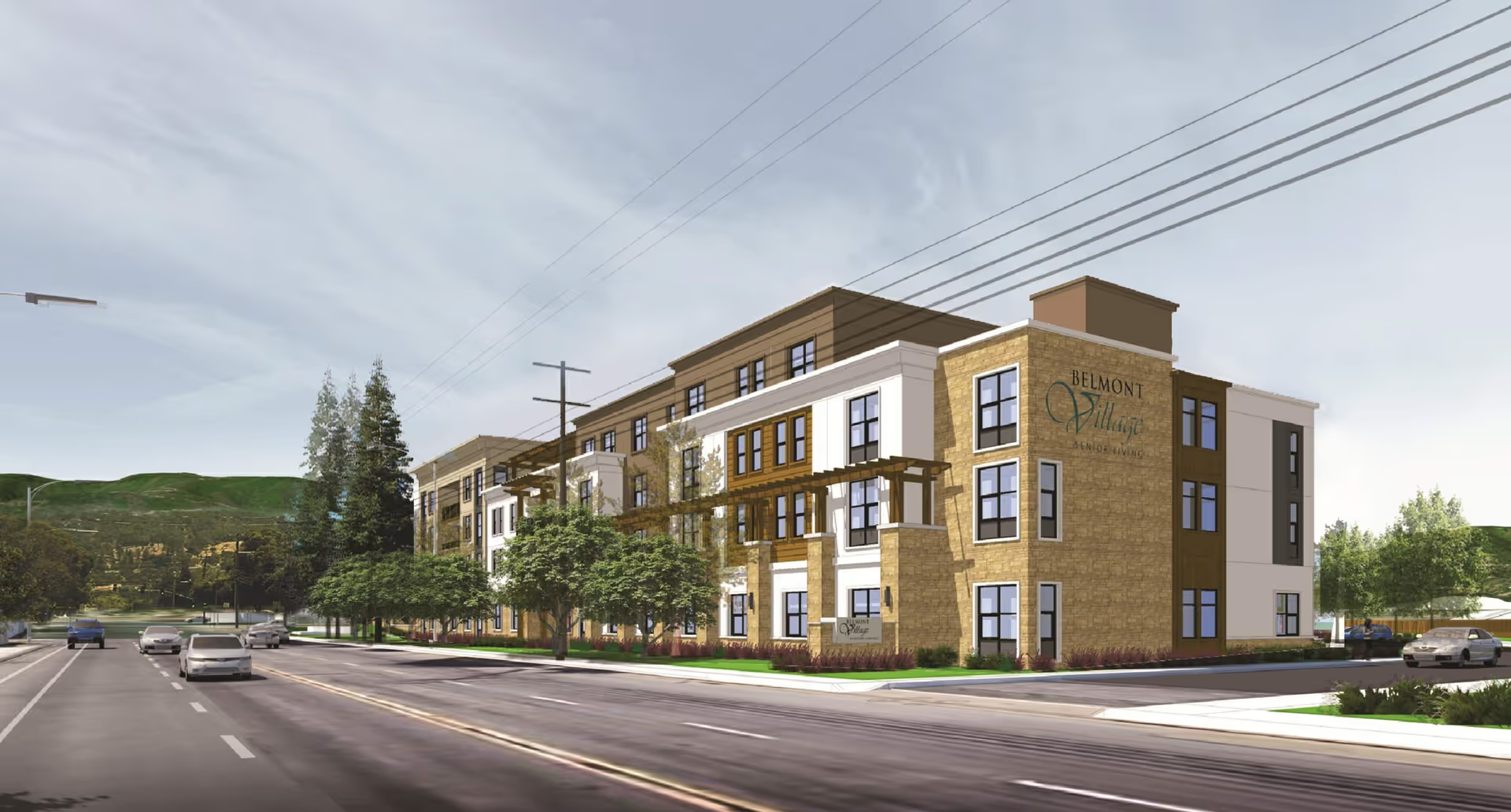
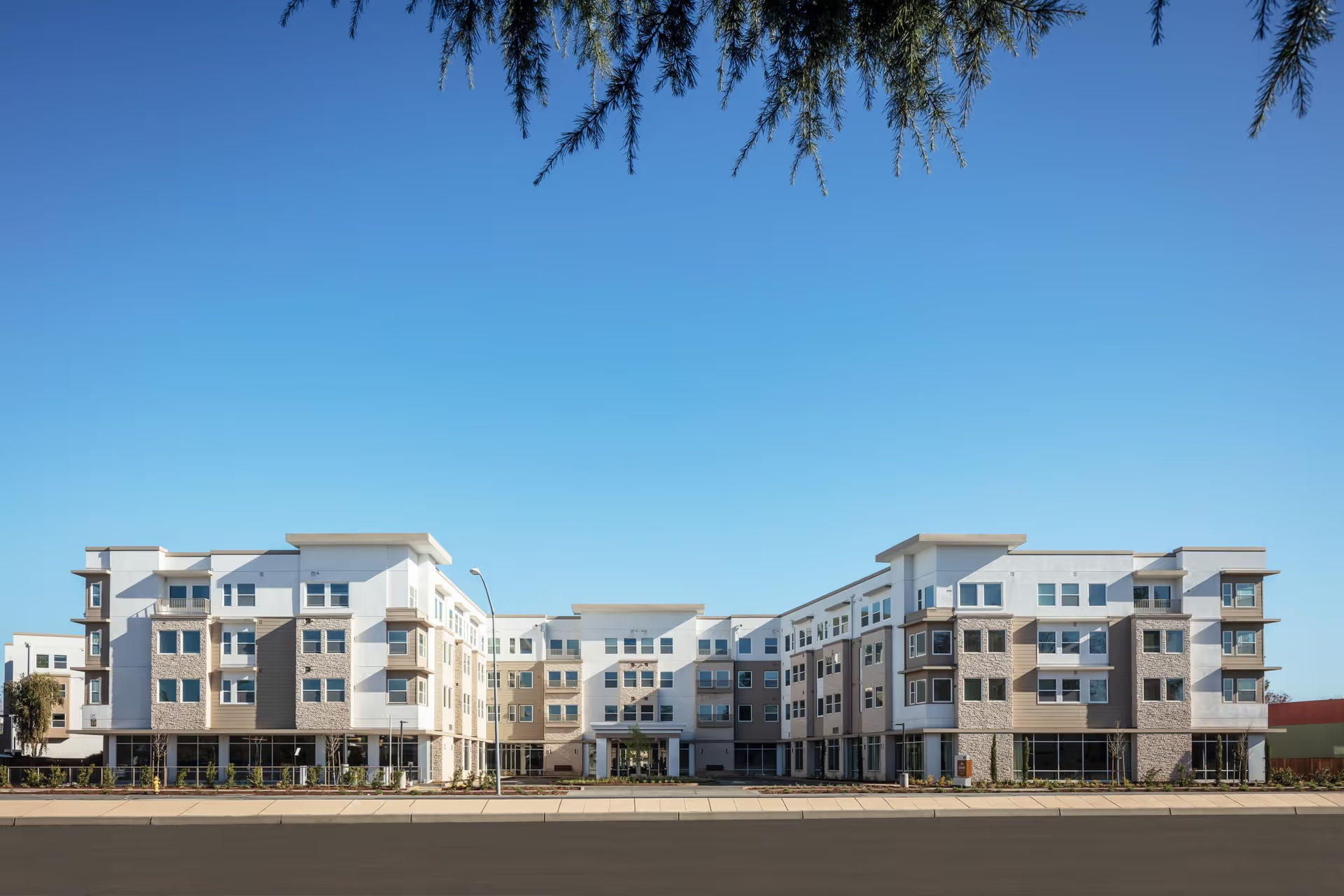
Stonebrook Health and Rehabilitation elicits strongly polarized impressions: many reviewers describe a clean, modern facility with an effective, well-resourced rehabilitation program, while others raise operational and clinical concerns that affected their experience. Strengths commonly cited include high-quality physical and occupational therapy (with purpose-built training areas), engaging activities, helpful front-desk and records staff, and several examples of compassionate nursing and CNA care. The building, landscaping, and onsite amenities such as a hair salon and outdoor sitting areas are frequently described as updated and well maintained.
Clinical care and staffing present a mixed picture. Positive accounts highlight therapists who provide individualized instruction and measurable functional gains, and families who felt supported by attentive frontline staff. Conversely, recurring themes include inconsistent staffing levels or skill mix, delays in medication administration and call response at times, and variability in hands-on personal care (for example, assistance with bathing or feeding). Several reviews also mentioned limited physician presence and difficulty obtaining timely clinical communication, which contributed to family frustration in discharge planning and care coordination.
Dining and activities are another area of contrast. Multiple reviewers praised engaging activities and some dietary accommodations, including favorable special-diet offerings and generous portions. At the same time, there are numerous comments about inconsistent meal quality, portioning, and the nutritional adequacy of meals for some residents. Families should inquire about menu planning, special-diet implementation, and monitoring of weight and intake during stays.
Facility operations and environment show strengths and weaknesses. Many describe a tidy, odor-free campus and comfortable rooms; others report temperature-control problems, noisy hallways, and inconsistencies around room assignments and privacy (shared versus private rooms). Housekeeping standards appear uneven across units, producing sanitation concerns in some accounts. Safety and security processes were questioned in isolated instances (for example, unlocked doors and access control lapses), suggesting a need for stronger consistency in facility procedures.
Management, communication, and administrative matters are common sources of dissatisfaction. Families praised individual staff members and noted instances where leadership intervened effectively, but there are frequent complaints about poor phone responsiveness, a lack of timely callbacks, unclear answers about appointments and discharges, and contentious billing or Medicare-authorization interactions. Several reviewers described prolonged or poorly coordinated discharge processes tied to insurance authorization or billing, which affected transitions home or to other settings.
Overall pattern and advice: Stonebrook appears capable of delivering strong rehabilitation outcomes and offers a pleasant physical environment, but operational variability — particularly in staffing consistency, clinical communication, discharge planning, and housekeeping — leads to uneven experiences. Prospective residents and families should ask targeted questions before admission: confirm physician coverage and how families will be updated, review the facility’s discharge-planning and billing processes, ask about typical call-light response times and staffing ratios, verify room-assignment policies and privacy options, and request specific information about meal plans and therapeutic diet implementation. These steps can help match expectations to the aspects of care the facility performs most consistently well.