The collection of summaries describes a facility with strong clinical and rehabilitative strengths alongside operational inconsistencies. Positive comments concentrate on the quality of direct care: many accounts highlight compassionate, attentive nurses and CNAs, an effective physical/occupational therapy team, and staff who encourage progress and social engagement. Multiple reviewers described good rehabilitation outcomes, helpful social-service coordination, and a generally welcoming, home-like atmosphere after recent upgrades and leadership changes.
At the same time, there is a clear pattern of variability in how those strengths are delivered. Staffing levels and shift coverage are unevenly described, with specific concerns about night-coverage gaps and delays in responding to call bells and restroom needs. These responsiveness issues link to broader concerns about personal-care consistency, including bathing and hygiene routines. Several accounts also raise questions about safety-incident response and follow-through when family concerns are raised.
Dining and nutrition emerge as another mixed area. Some families report accommodating meal preparation for special diets and satisfactory food, while others describe limited meal choices, insufficient portions, and instances where dietary orders were not accurately implemented—creating potential clinical risk for residents with specific dietary needs. Kitchen communication and documentation processes appear inconsistent across stays.
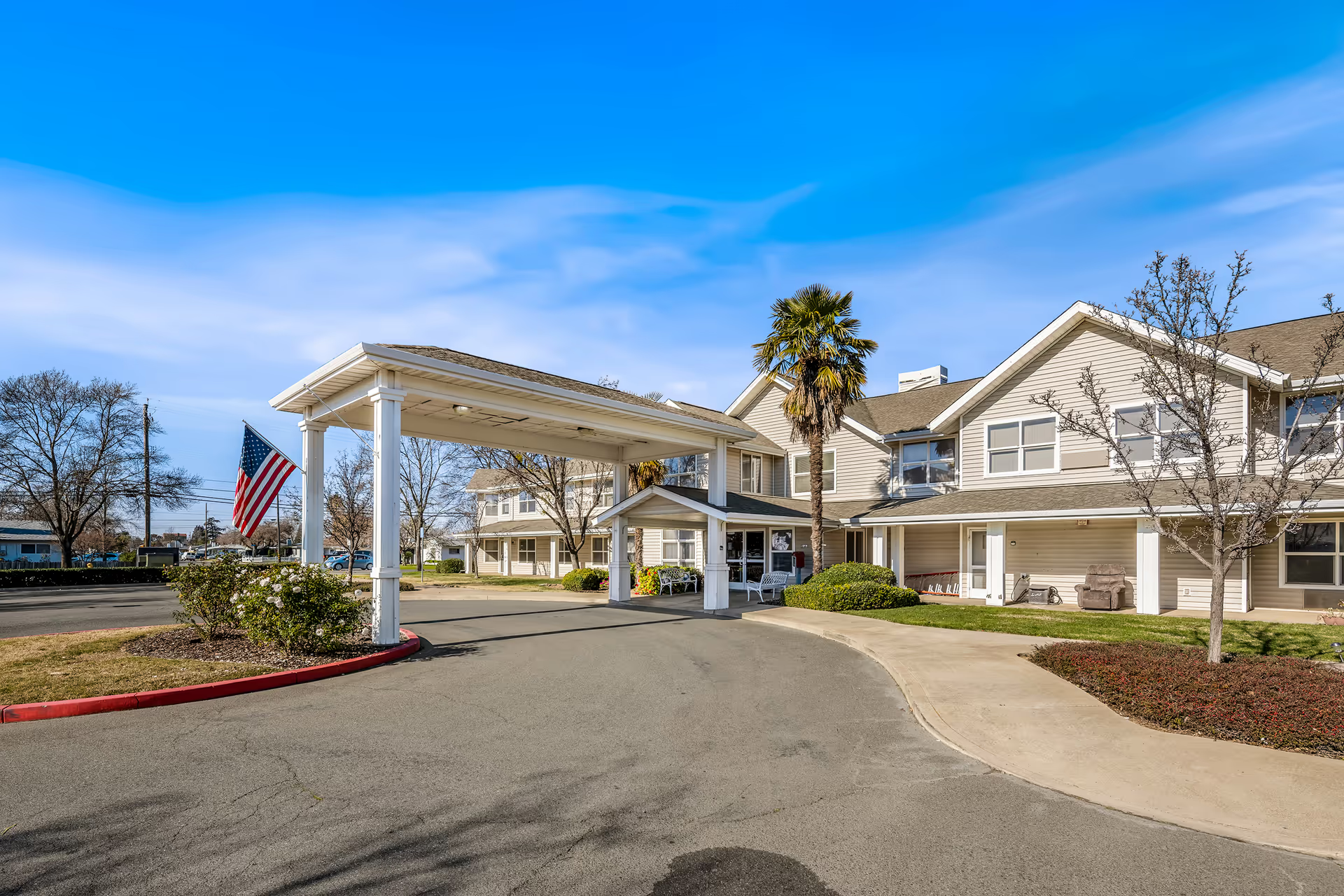
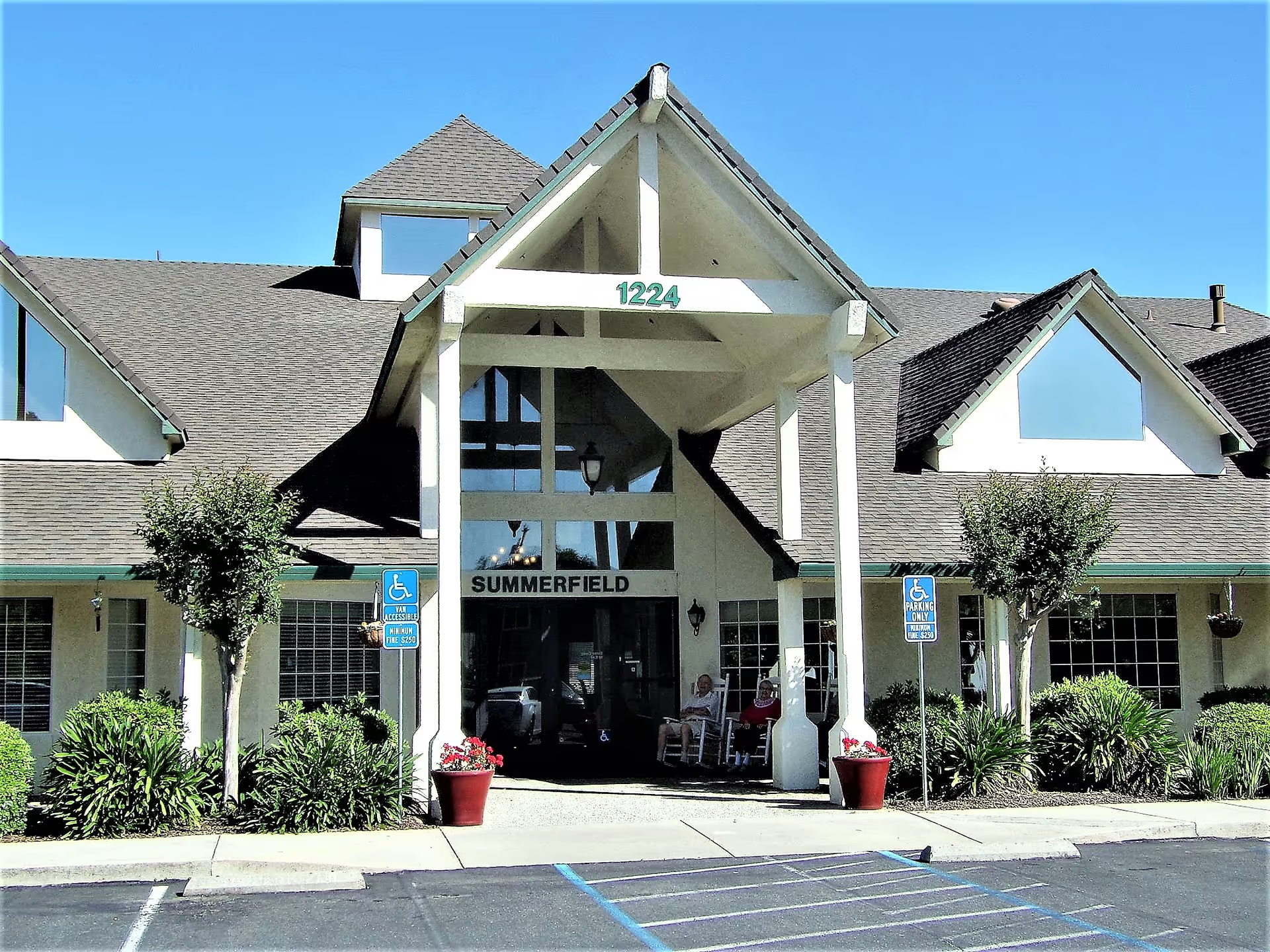
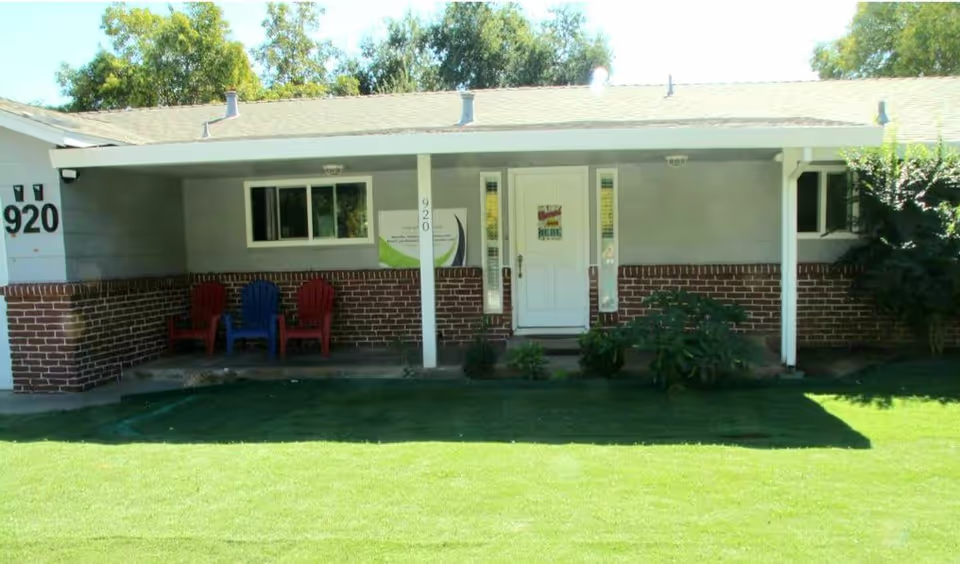
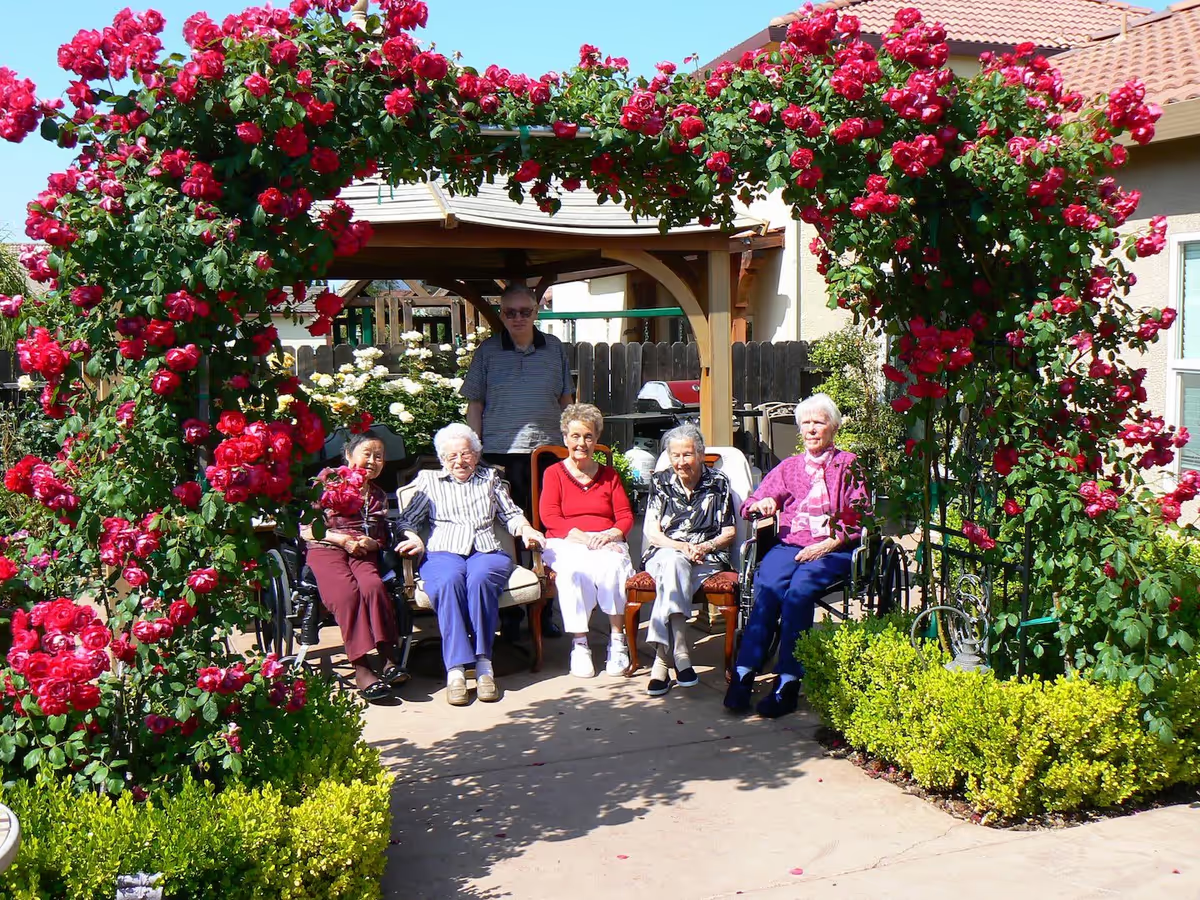
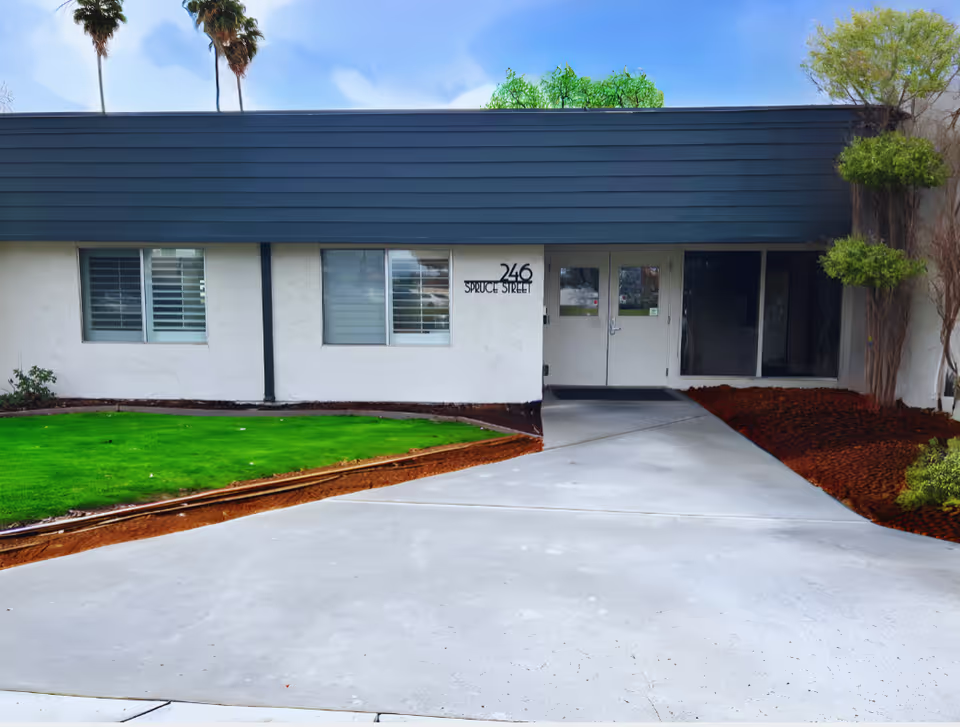
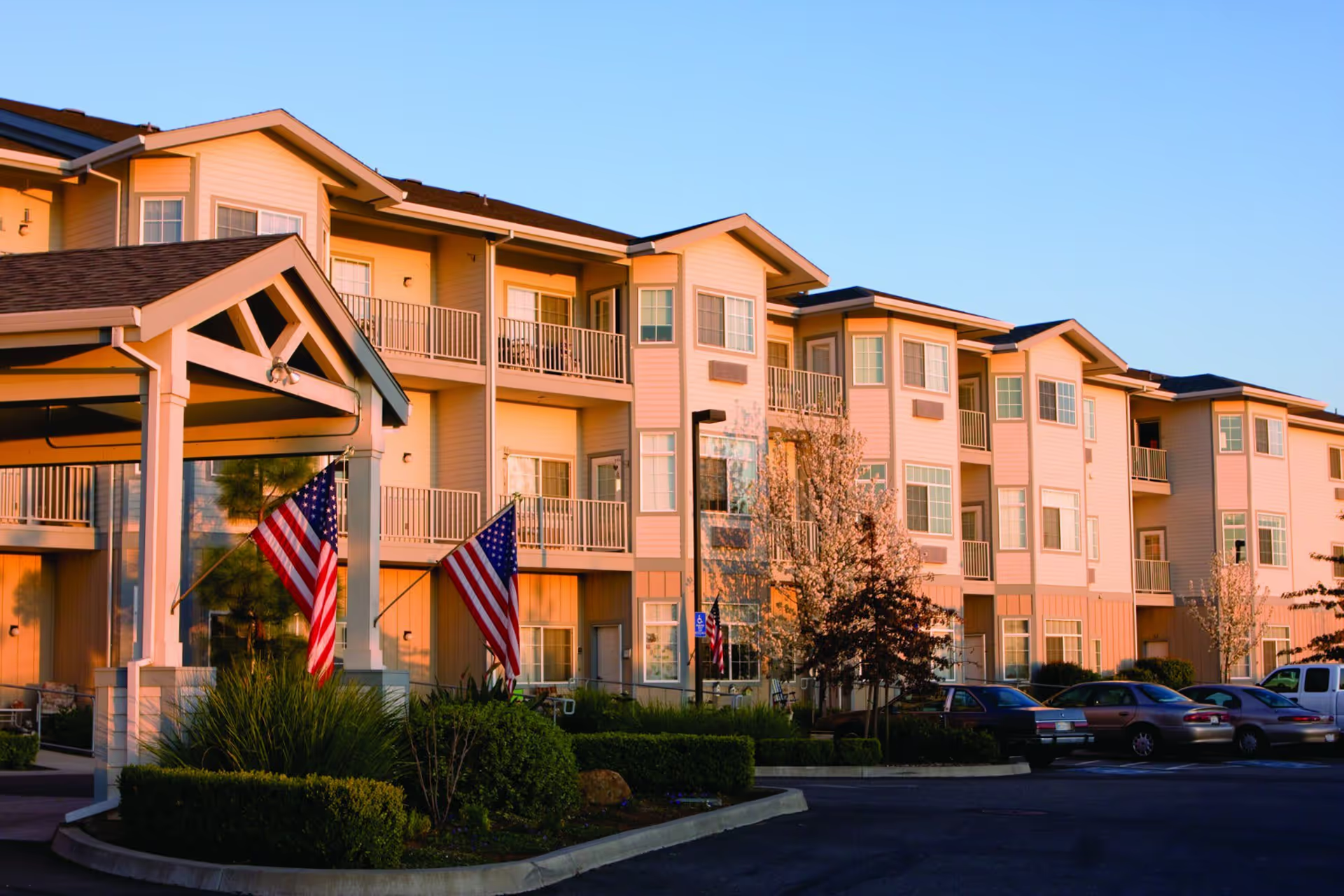
Facility condition is likewise portrayed as a mixed picture. Many reviewers praised recent upgrades, cleaner rooms, refreshed decor, and an attractive courtyard, while others noted outdated areas, maintenance delays, and equipment reliability problems. Operational issues such as broken beds, TV problems, and general maintenance response times were cited as detracting from the resident experience in some units.
Management and culture are recurring themes. Several mentions of new administration, a culture shift, and improved leadership correlate with positive staff attitudes and improved ambiance. However, families also describe lapses in communication (difficult-to-reach phones, unresolved complaints) and at least one allegation involving missing funds; these indicate gaps in administrative follow-through and financial/asset-handling procedures. There are also references to regulatory and quality-control variability during transitional periods.
Overall, the pattern across summaries is one of a facility with demonstrable strengths in therapy, compassionate frontline caregivers, and a visible effort to improve the environment under new leadership, paired with operational weaknesses that can materially affect resident experience: inconsistent staffing and responsiveness, variable personal-care and dining reliability, maintenance and equipment gaps, and uneven administrative communication. Prospective residents and families would benefit from current, specific inquiries about staffing ratios and schedules, dietary-order verification processes, incident-response protocols, and recent regulatory/inspection status to assess whether the operational issues have been resolved in the areas that matter most to their loved one.