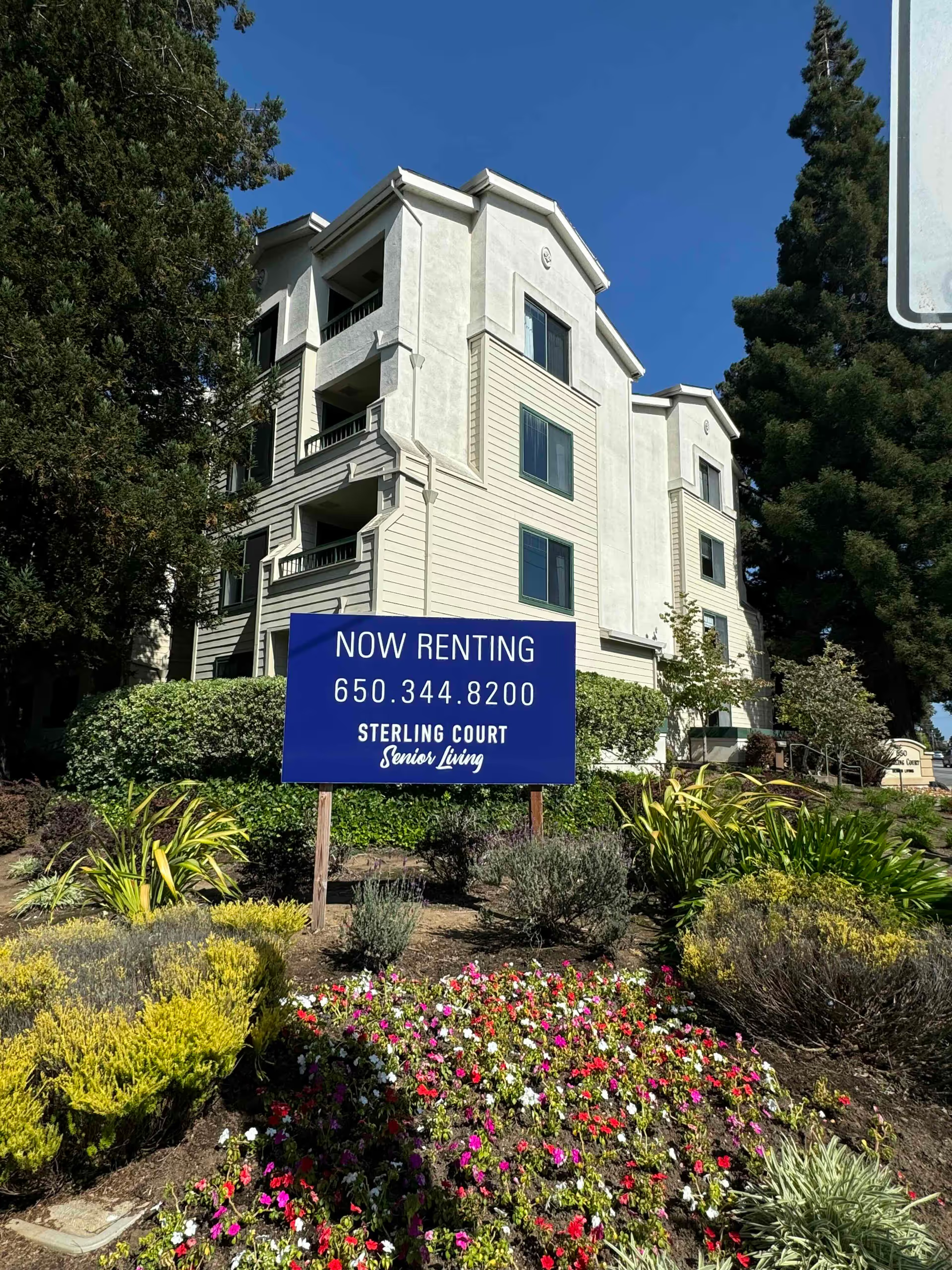
Magnolia of Millbrae is consistently described as a well‑appointed, hotel‑like senior living community with strong emphasis on dining, social programming, and resident comfort. Physically the property is bright, immaculately maintained, and offers sizable one‑ and two‑bed apartments with full kitchens and in‑unit laundry. Common areas, gardens, and amenities such as an indoor pool, fitness center, beauty shop, and specialty retail (candy/sweet shop) reinforce a resort‑style environment. Location near downtown Millbrae and transit options is frequently cited as convenient.
Care and staff are prominent strengths in the reviews: many families and residents highlight long‑tenured, personable staff, accessible leadership, and proactive nursing and wellness teams. Staff are repeatedly described as attentive, professional, and resident‑focused; families cite good communication about health status and coordinated support for appointments and events. There is a 24‑hour staff presence and on‑site wellness screenings, and assisted‑living packages are noted as flexible, making the community suitable for independent and assisted living needs short of specialized memory or hospice care.
Dining and activities are central to the community culture. The dining program receives frequent praise for gourmet, restaurant‑style meals, an accommodating chef, and a dining room that functions as a social hub. An extensive calendar of activities — exercise classes, guest speakers, music, trips, clubs and games — supports an engaged resident population and regular social events, including large holiday celebrations. Transportation services for medical appointments and outings are available with advance scheduling.
Notable operational patterns and constraints appear across reviews. The facility commands a premium price point and residents/families note steep cost increases and an overall high cost of living; pricing complexity (including a point system) is a practical consideration for planning. Reviewers identify gaps in on‑site clinical scope — specifically limited memory‑care and hospice availability — which may require relocation if care needs progress. Some operational weaknesses are described at a systems level: variability in food‑service consistency (temperature and timing), occasional maintenance and connectivity issues (Wi‑Fi outages, select common‑area upkeep), and concerns about governance or responsiveness in specific situations. There are also references to rigid transfer or reassignment policies and isolated serious complaints, including allegations related to financial conduct; these items indicate the importance of clarifying contract terms, policy triggers for transfers, and dispute resolution before committing.
Overall, Magnolia of Millbrae appears well suited to prospective residents who value upscale accommodations, a robust social and dining life, and attentive staff, and who can accommodate the facility's pricing and scope limits. Prospective residents and families should weigh the high cost and the absence of on‑site memory or hospice services against the community benefits, and should seek clear written information on pricing structure, transfer policies, and contingency plans for escalating care needs.