Community Extended Care of Montclair presents a mixed profile: it is frequently praised for rehabilitation strength, individual caregivers, and a robust activities program, yet also draws criticism for operational inconsistencies. Many families described positive therapy outcomes, attentive frontline caregivers, and an atmosphere that can feel warm and family-like. Physical and occupational therapy teams, wound and respiratory clinicians, and several administrative staff receive repeated commendation for producing measurable functional gains and for being accessible and helpful during transitions.
Care quality appears to vary by unit and by shift. Positive reports highlight compassionate, one-on-one CNAs, timely wound and respiratory care, and therapists who achieve strong mobility improvements. Conversely, a number of families described delays in response to call buttons, missed or delayed therapy sessions, occasional safety lapses, and examples of clinical concerns that required hospital transfer. These accounts suggest variability in staffing levels, response timeliness, and clinical oversight; families considering the facility should plan for active advocacy and clear care planning discussions at admission.
Dining and activities are generally strengths but inconsistent. Several reviewers noted an engaging activities calendar (games, outings, holiday programming) and staff who make social programming meaningful. Meal quality received mixed feedback: some found portions and seasoning appropriate and appreciated culturally specific options, while others found dining less satisfactory. Activity and recreational staff are commonly cited as a positive element that contributes to resident morale.
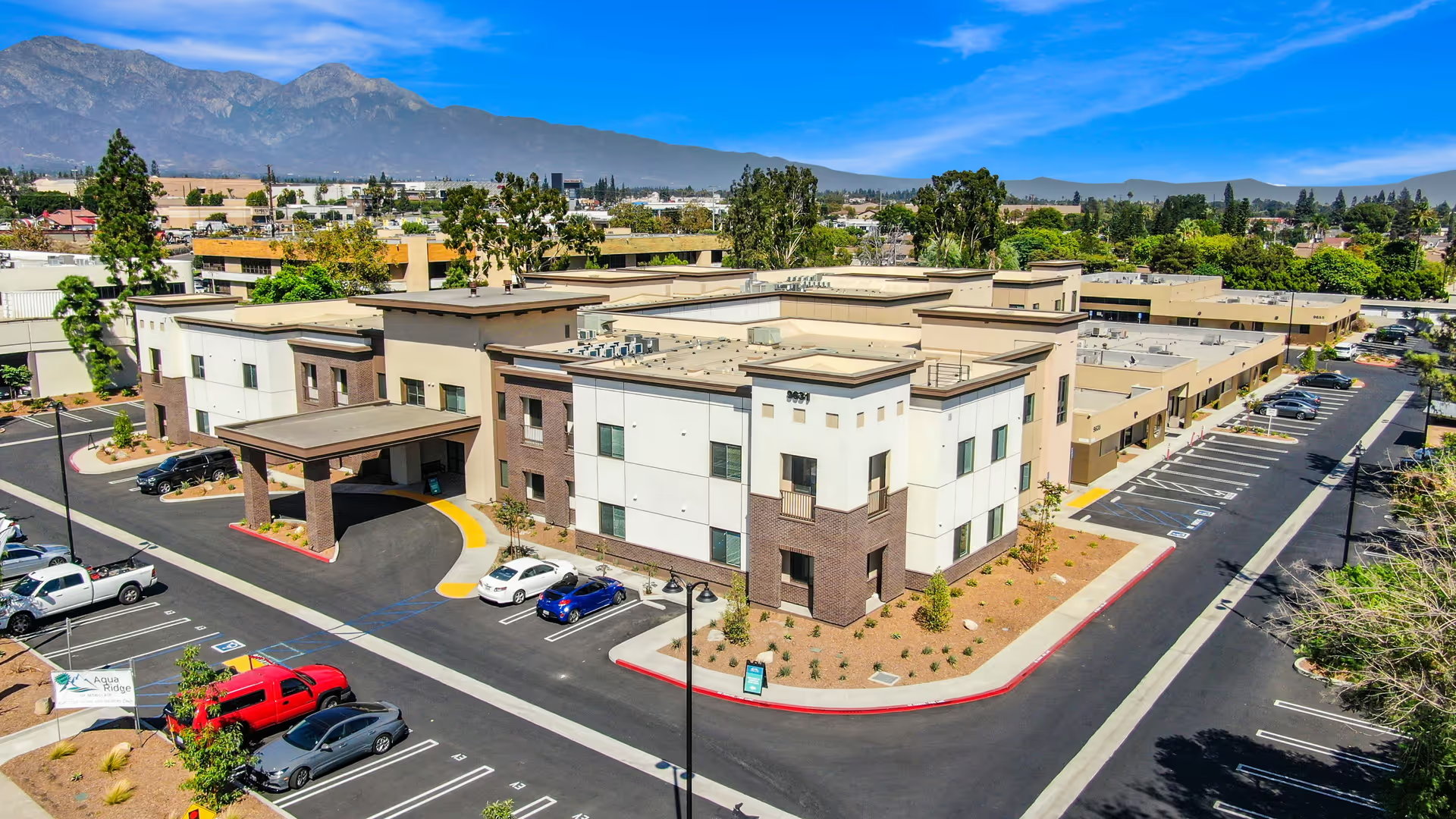
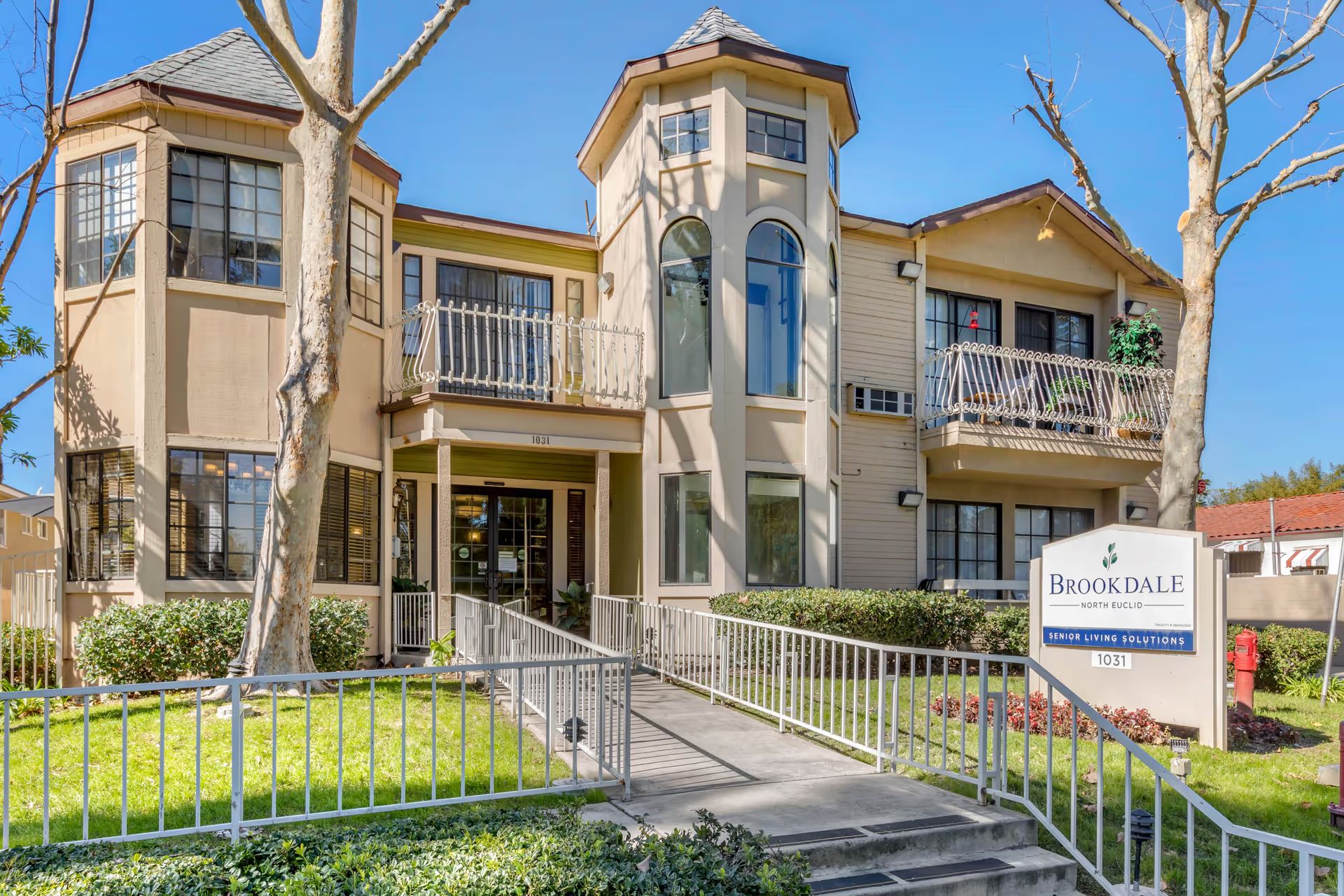
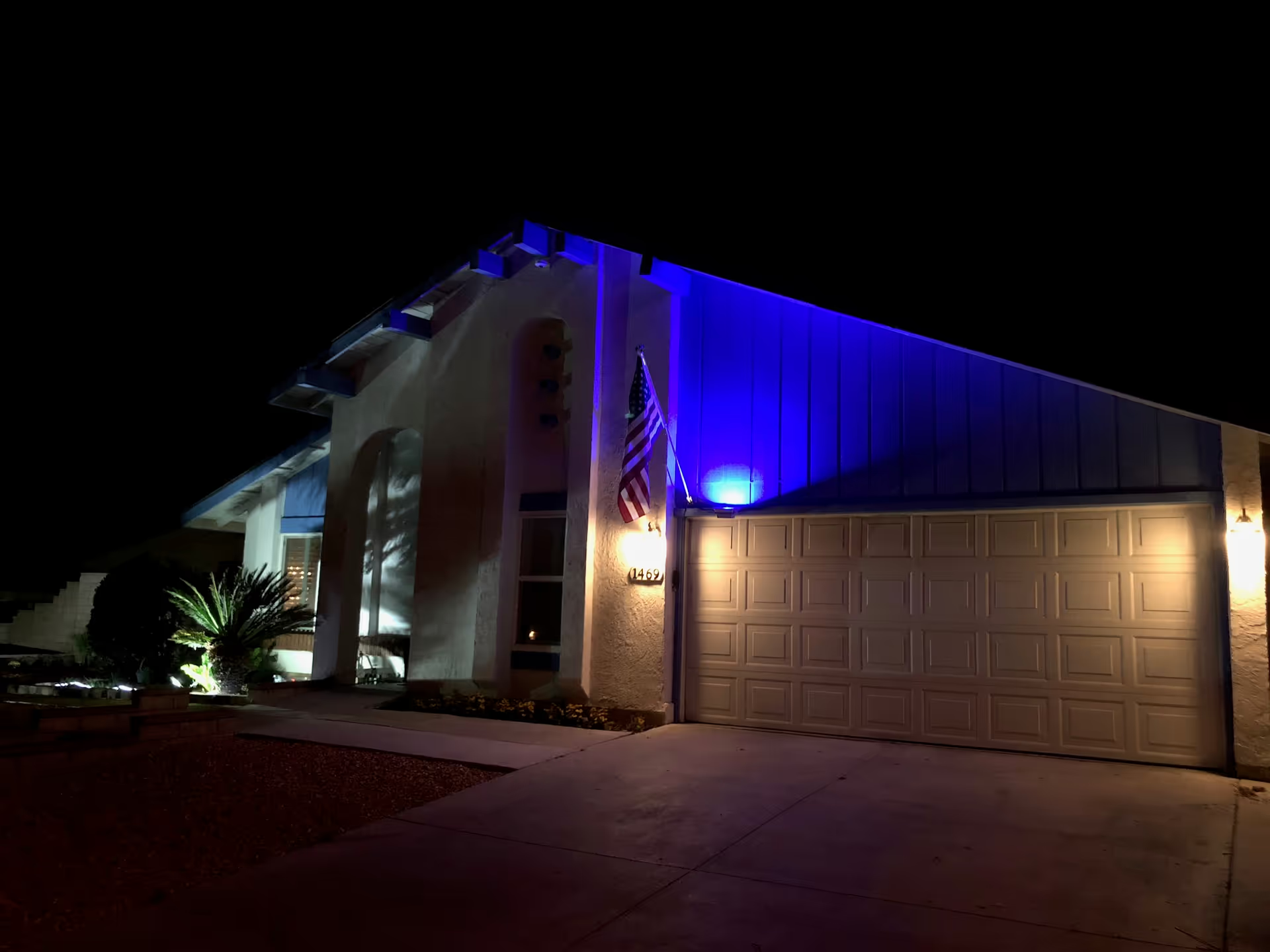
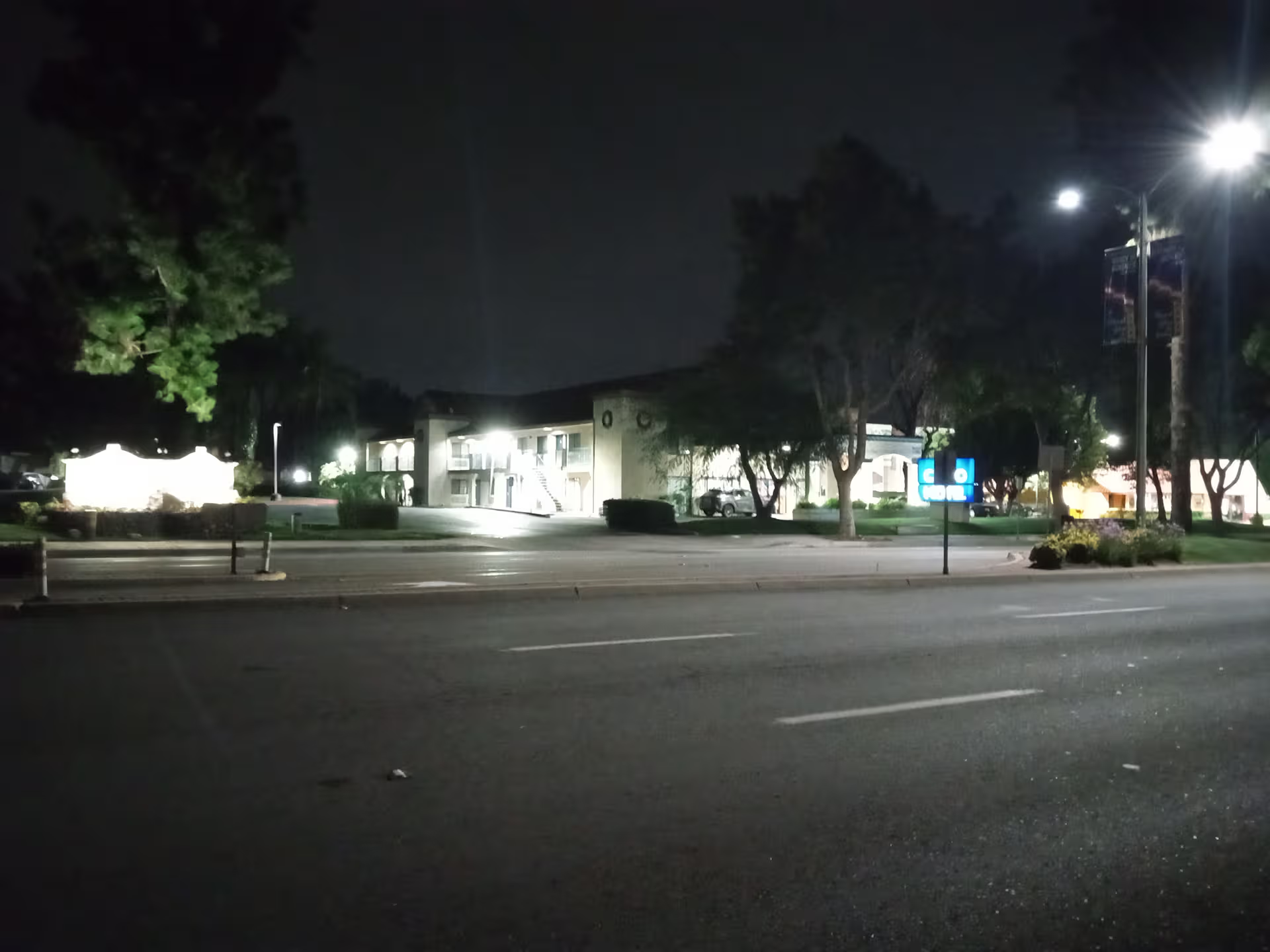
The physical environment is an older building with maintenance and privacy limitations. Praise for clean, comfortable rooms coexists with reports of maintenance issues, temperature control problems, overcrowded hallways, and frequent shared rooms that reduce privacy. Housekeeping and sanitation appear to vary by area, with some families reporting well-maintained spaces and others noting cleanliness concerns. These facility-level infrastructure issues may affect the experience and should be evaluated during an in-person tour.
Management and operational communication show a split pattern. Several reviewers singled out directors and specific administrative staff as responsive and effective, crediting them with resolving medication or care concerns quickly. At the same time, recurring themes include difficulty reaching staff by phone, lost paperwork or belongings, inconsistent documentation practices, and uneven follow-through on family inquiries. A small number of reviewers expressed serious concerns they felt warranted external reporting; prospective residents and families should review admission documentation, inventory processes, and communication protocols before placement.
Overall, Community Extended Care of Montclair may be a solid option for patients prioritizing skilled rehabilitation and an active activities program, particularly when specific clinicians or managers are engaged. However, variability in responsiveness, cleanliness, building condition, and administrative reliability suggests that outcomes will depend in part on unit assignment, time of day, and family involvement. A careful tour, targeted questions about staffing and escalation procedures, and ongoing family advocacy are advisable to align expectations with the facility's operational realities.