The reviews present a mixed but clear pattern: many families praise the facility for its compassionate, hands-on caregiving and small, family-like environment, while others identify operational weaknesses that have impacted care continuity and safety. Positive feedback centers on attentive nursing and aide staff, individualized assistance, and supportive physical-therapy services. Several reviewers emphasized respectful, communicative administrators and good channels of communication with authorized family contacts, which helped during difficult transitions and end-of-life support.
Care quality is described in polarized terms. On the positive side, staff are frequently characterized as kind, patient, and emotionally supportive, delivering individualized attention and maintaining clean rooms and common areas. However, reviewers also described lapses that suggest uneven clinical reliability: missed medication deliveries, shortages of basic clinical supplies, and instances of equipment not functioning as intended. These point to gaps in medication and clinical-supply management and to variable staff training and supervision.
Dining and daily life receive generally favorable comments about home-style meals and snacks, and some families found the food and service comforting. At the same time, there is evidence of inconsistent meal quality across experiences. Activities were not a prominent theme in the feedback; reviewers focused more on personal care and family communication than on organized programming.
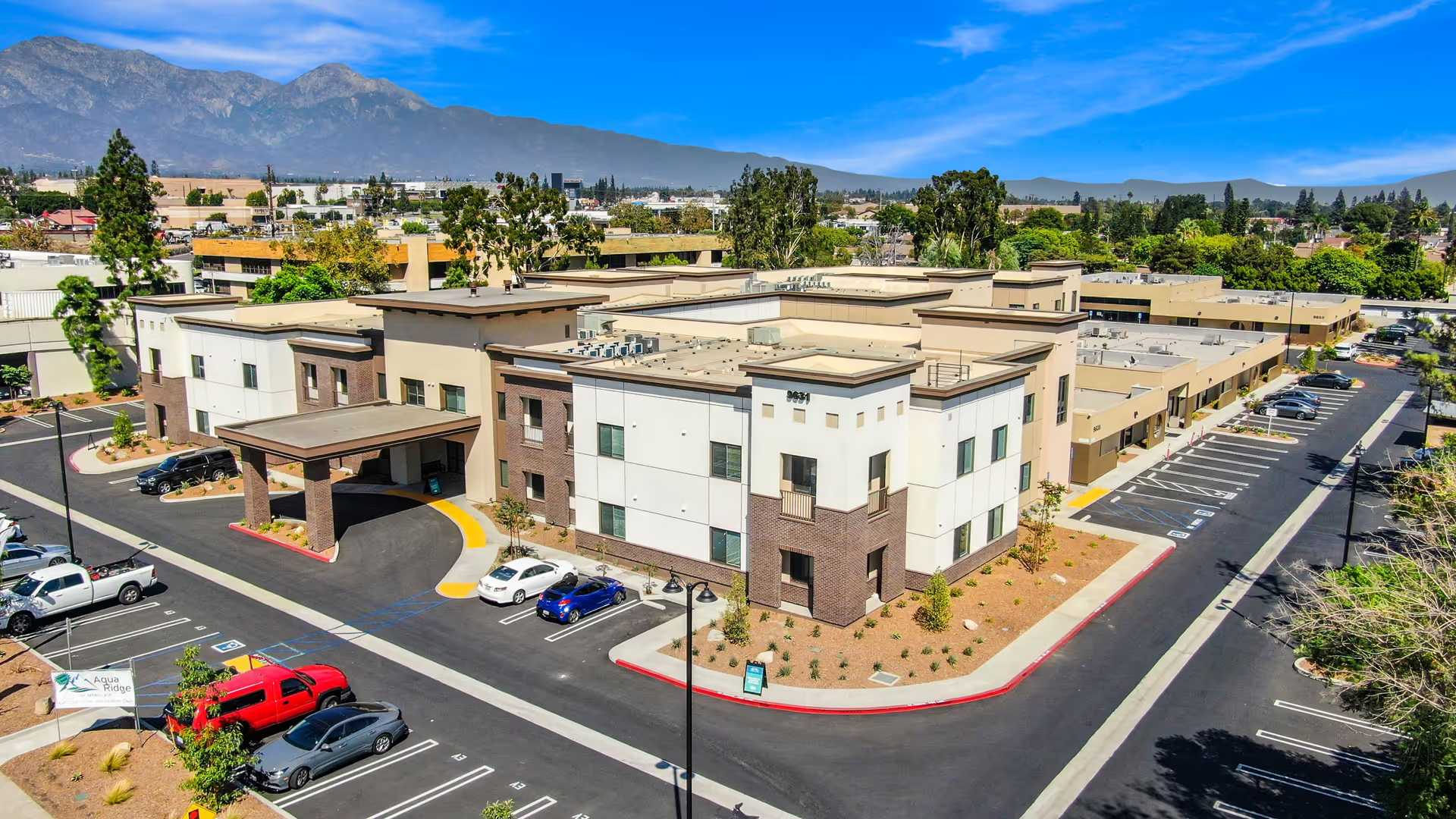
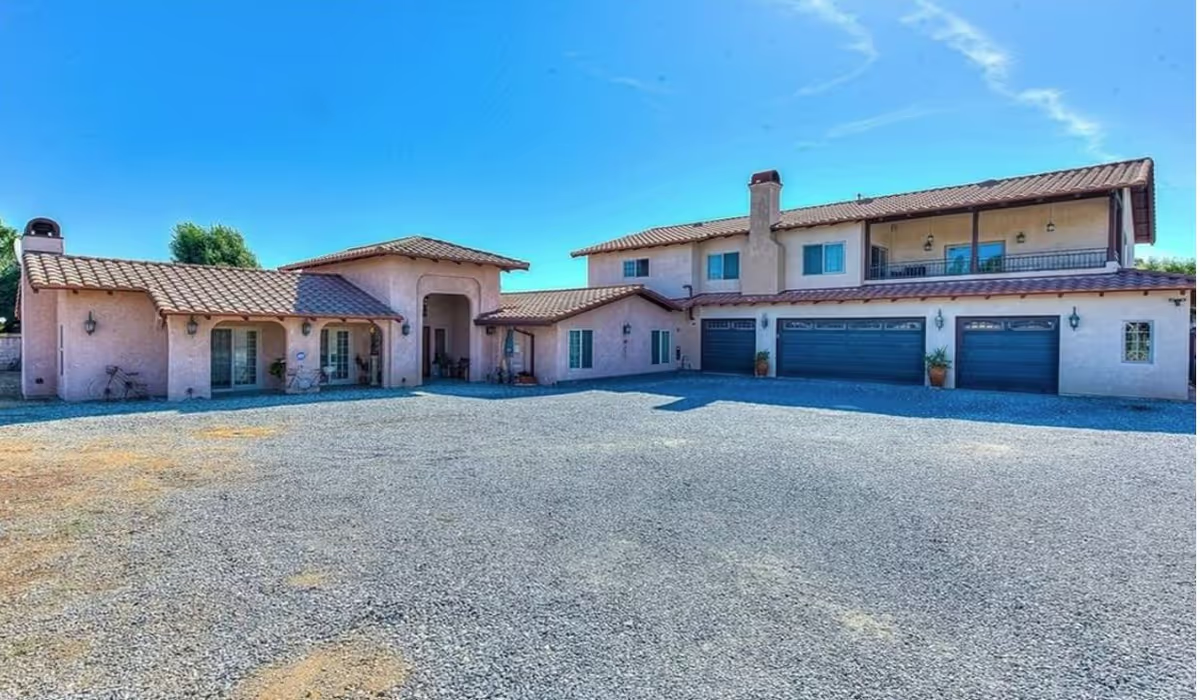
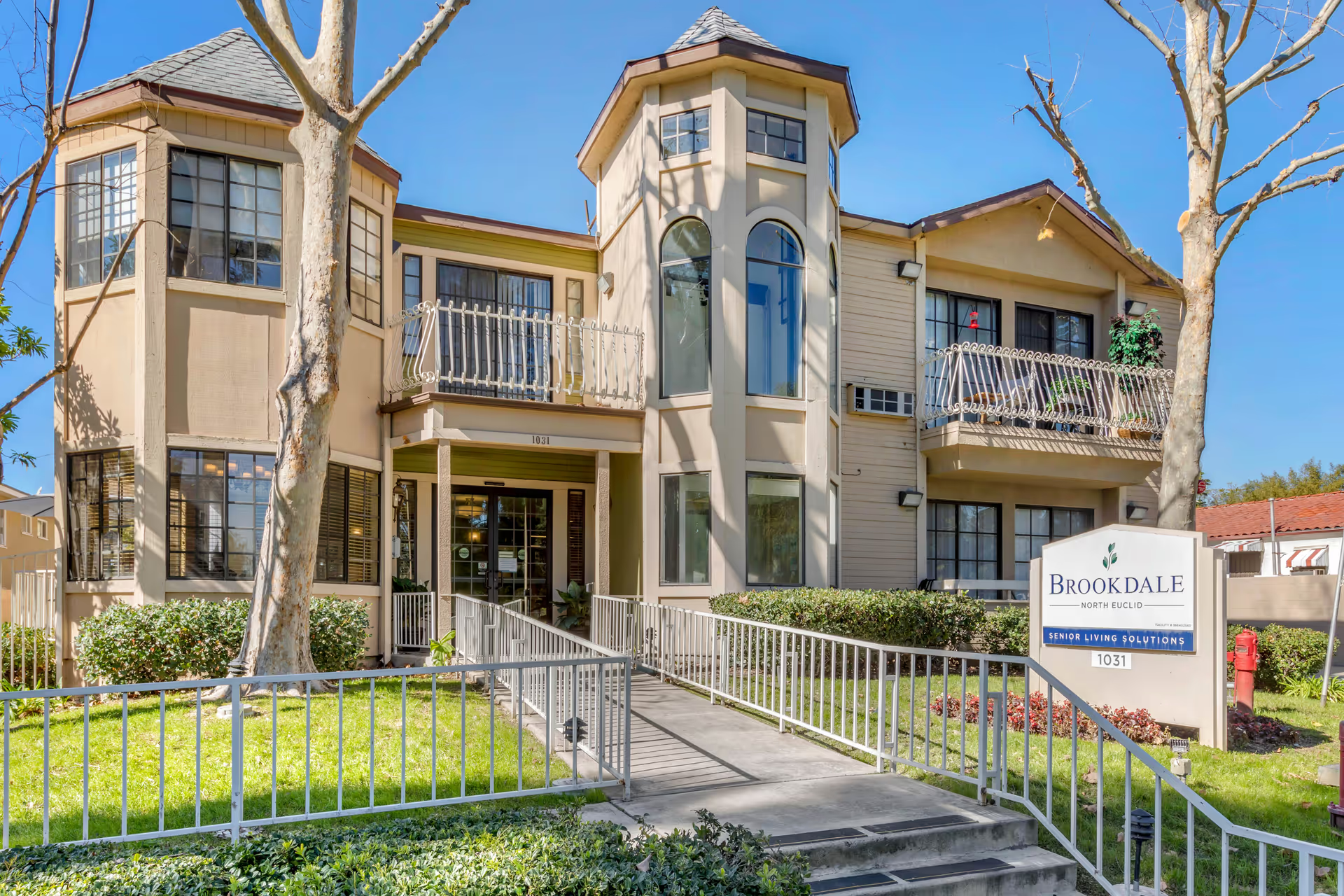
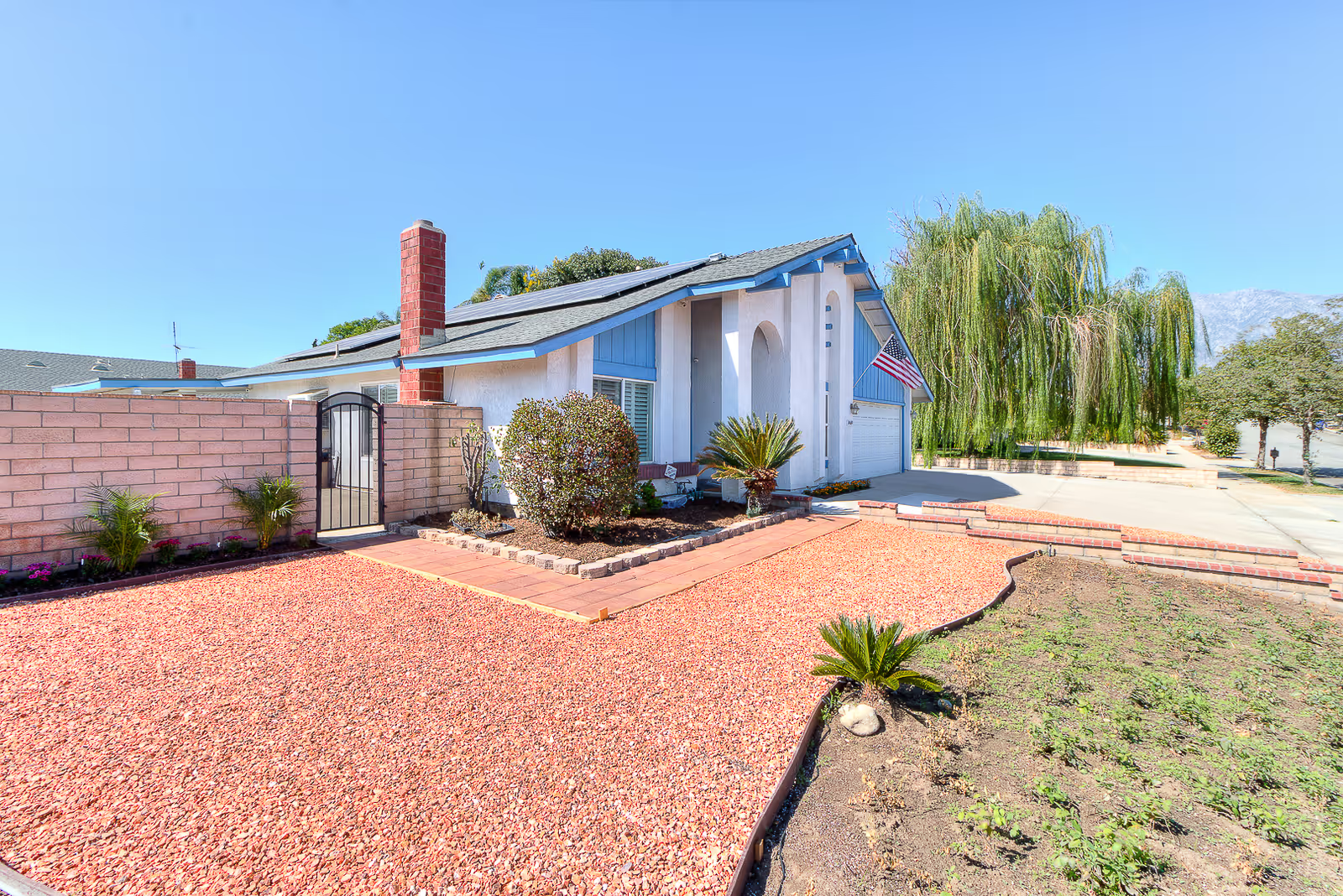
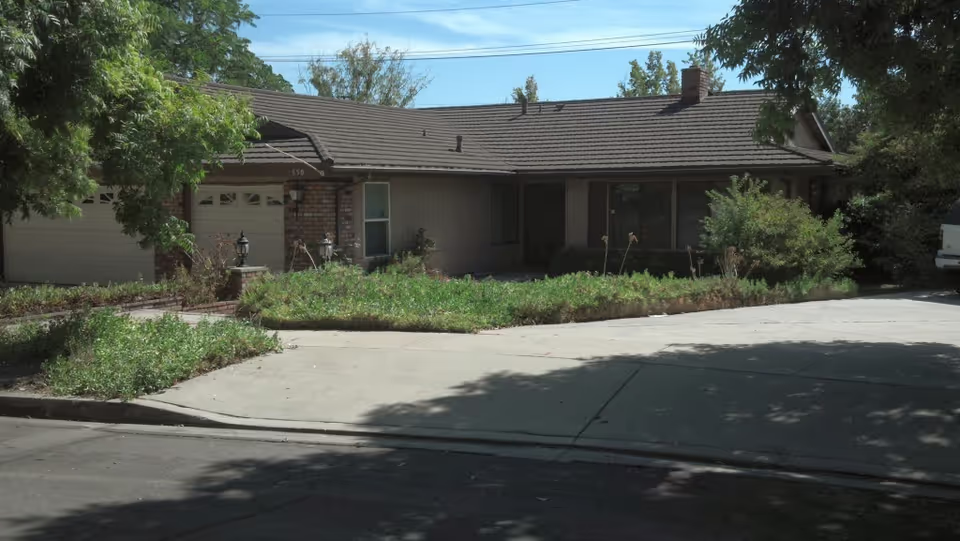
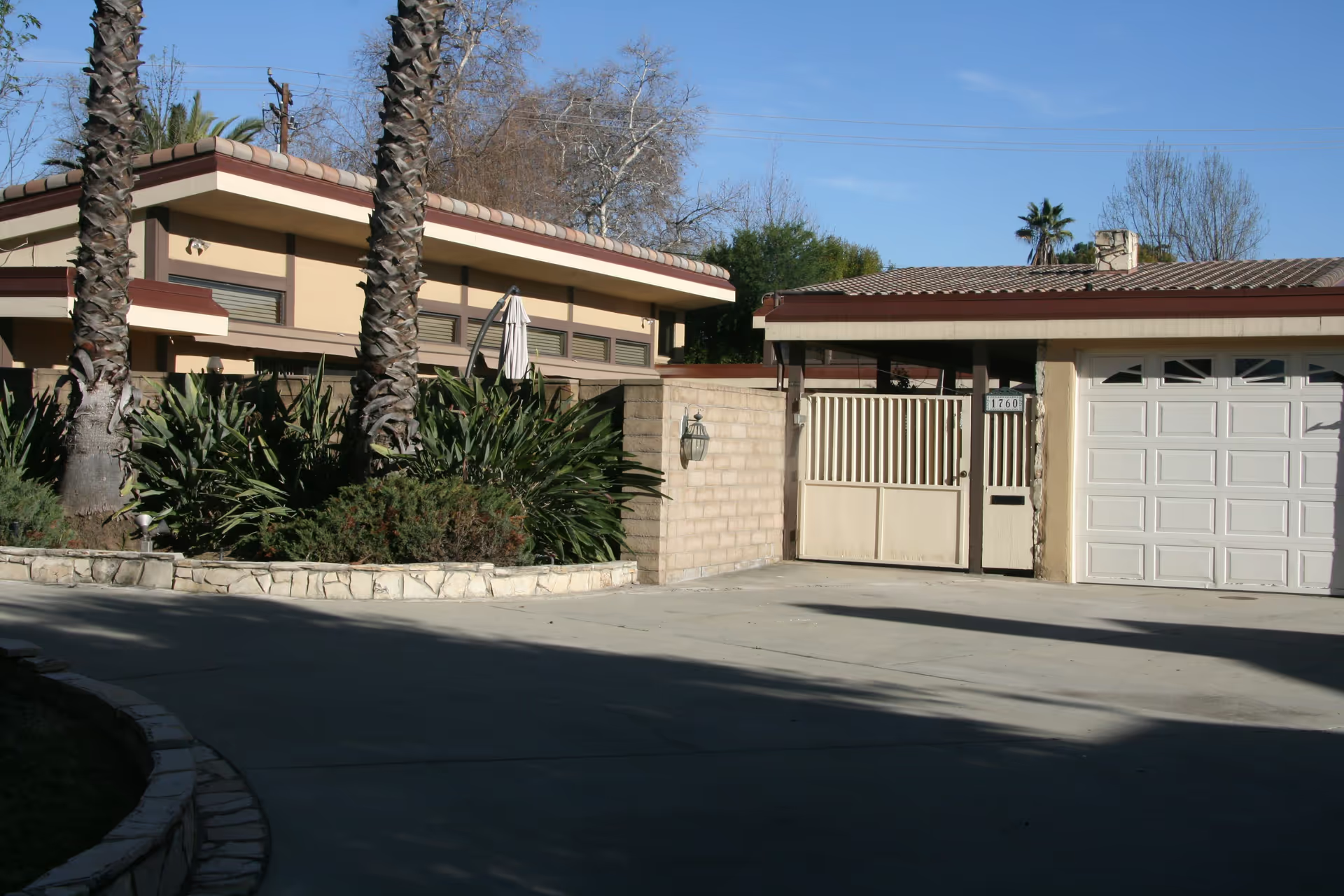
The physical environment is described as clean and well cared for despite an older building. Reviewers noted that the facility’s small size contributes to a welcoming atmosphere, but also flagged deferred maintenance needs and equipment problems consistent with an aging physical plant. A few comments raised odor concerns in specific areas, which suggests uneven sanitation or ventilation in parts of the facility.
Administrative strengths include approachable leadership and helpful billing conversations in some cases. Nevertheless, billing and financial controls appear inconsistent — examples include overcharges that later required reimbursement and confusion around private versus semi-private room assignments. Communication about clinical incidents also varied: while families often praised clear updates, other accounts indicated delays or gaps in incident response and care coordination, including safety monitoring related to resident elopement risk.
Overall, Montclair Manor Care Center appears to offer strong, compassionate personal care within a small, clean setting, supported by caring therapists and administrators. Prospective residents and families should weigh those strengths against documented operational weaknesses: inconsistent clinical-supply and medication processes, variable staff supervision, building maintenance needs, and occasional lapses in safety monitoring and billing accuracy. Asking targeted questions about medication-handling procedures, staffing/training practices, maintenance plans, room-type policies, and recent incident-communication protocols will help families assess whether the facility’s strengths align with their priorities.