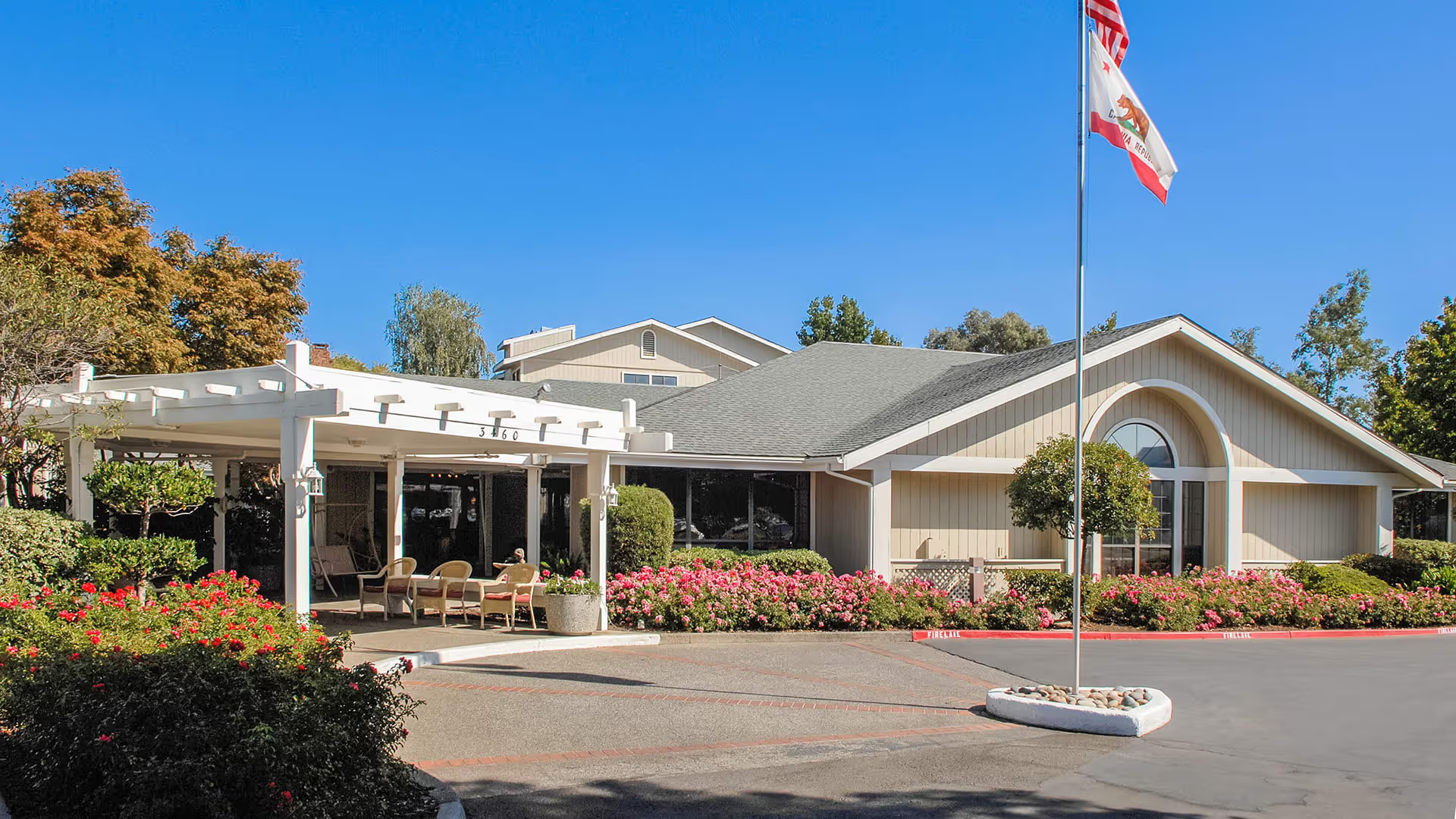
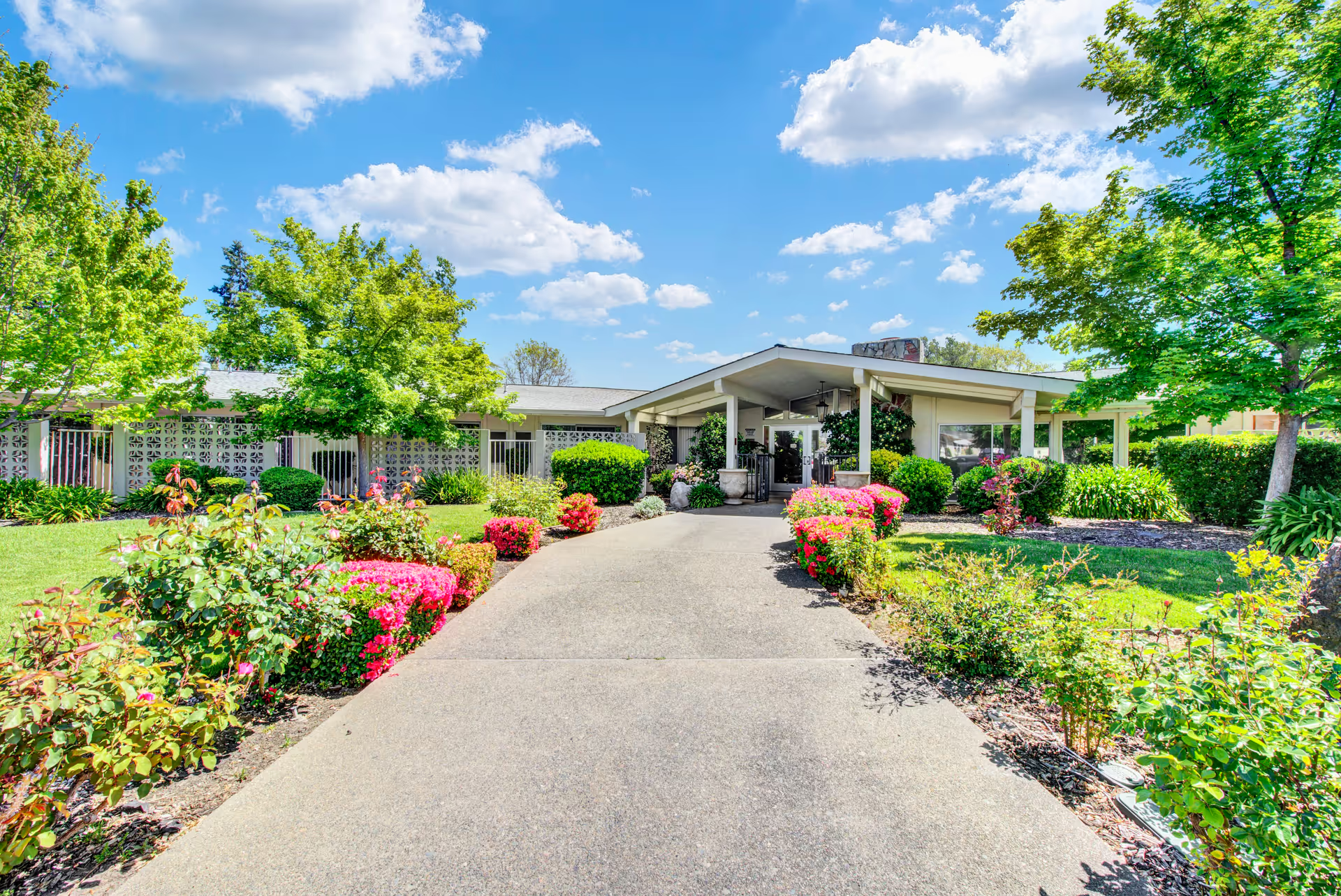
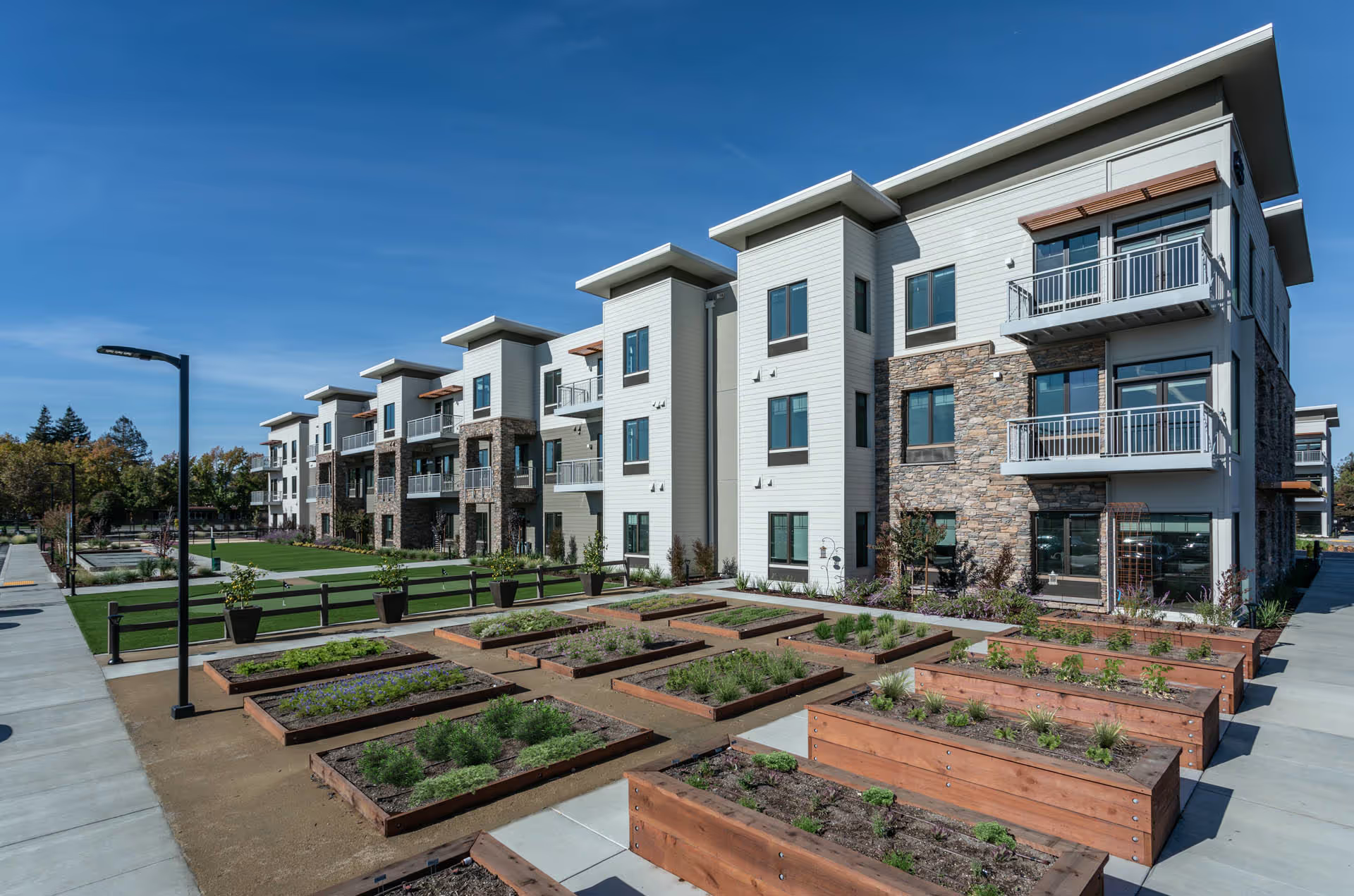
The reviews for Napa Valley Care Center present a highly mixed picture with clear strengths alongside repeated operational concerns. Strengths cited consistently include strong rehabilitation services (PT/OT/Speech), periods of attentive nursing and CNA care, a welcoming admissions process, and renovated, comfortable living and outdoor spaces. Several families highlighted proactive therapists, effective wound care, engaging activities such as live music and bingo, and friendly front‑desk staff—elements that support recovery and resident engagement.
At the same time, a substantial portion of feedback identifies systemic care delivery weaknesses. Understaffing and uneven staffing patterns are a frequent theme and are associated with long call‑light response times, delays in assistance, and irregular bathing and incontinence care. Multiple accounts describe inconsistent medication timing and gaps in following clinical procedures (for example, drainage management and therapy delivery), which contribute to family concern about day‑to‑day clinical reliability. There are also recurring notes about variable staff conduct and communication tone; while some staff are described as compassionate and professional, others are characterized as curt or difficult to reach.
Dining and nutrition comments are mixed: communal dining areas and the social environment are often praised, but reviewers also report inconsistent meal quality and instances where dietary restrictions (for example, diabetic needs) were not followed. Facilities feedback ranges from positive—recent remodels, large rooms, and attractive patios—to negative, including sanitation concerns in particular units and temperature‑control problems (rooms described as uncomfortably hot). Property‑management weaknesses are raised as well, including lost or mishandled personal items and questions about laundry controls.
Management and administrative practices show variation. Several families commended specific administrators and admissions coordinators for clear communication and problem solving; others described difficulty reaching leadership, delays in discharge planning, and billing or insurance coordination pressure. A few reviews reference serious, individual incidents that led to formal grievances or allegations; these items underscore a need for transparent incident reporting and follow‑up processes.
Taken together, the pattern suggests a facility capable of strong rehabilitation and compassionate care when staffing, clinical oversight, and administrative responsiveness align. However, the consistency of that alignment appears uneven across shifts and units. Prospective residents and families should consider direct observation during multiple shifts, ask for current staffing ratios and call‑light response metrics, review medication‑administration protocols, clarify laundry/property policies, and request examples of how the facility handles clinical incidents and family grievances prior to admission.