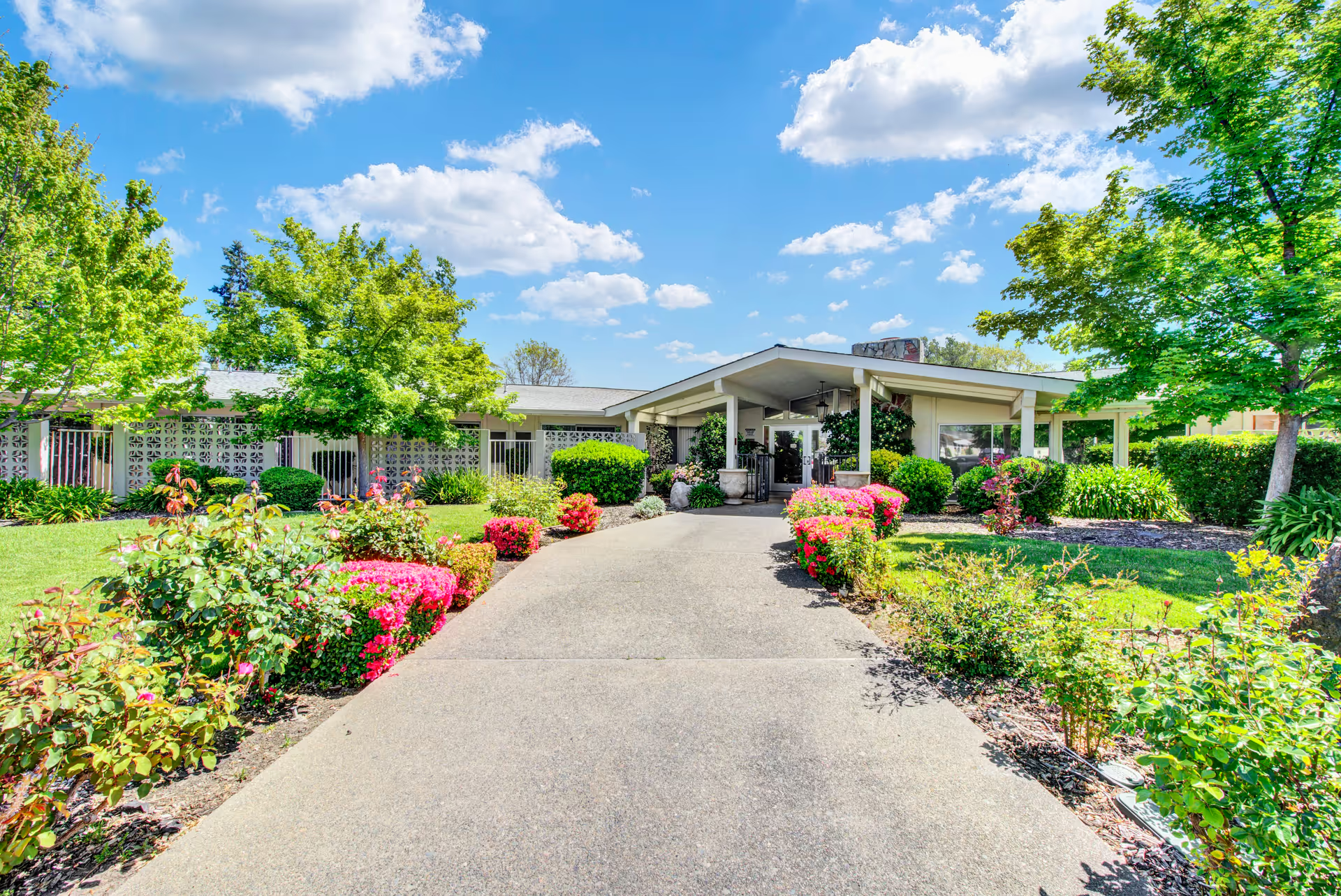
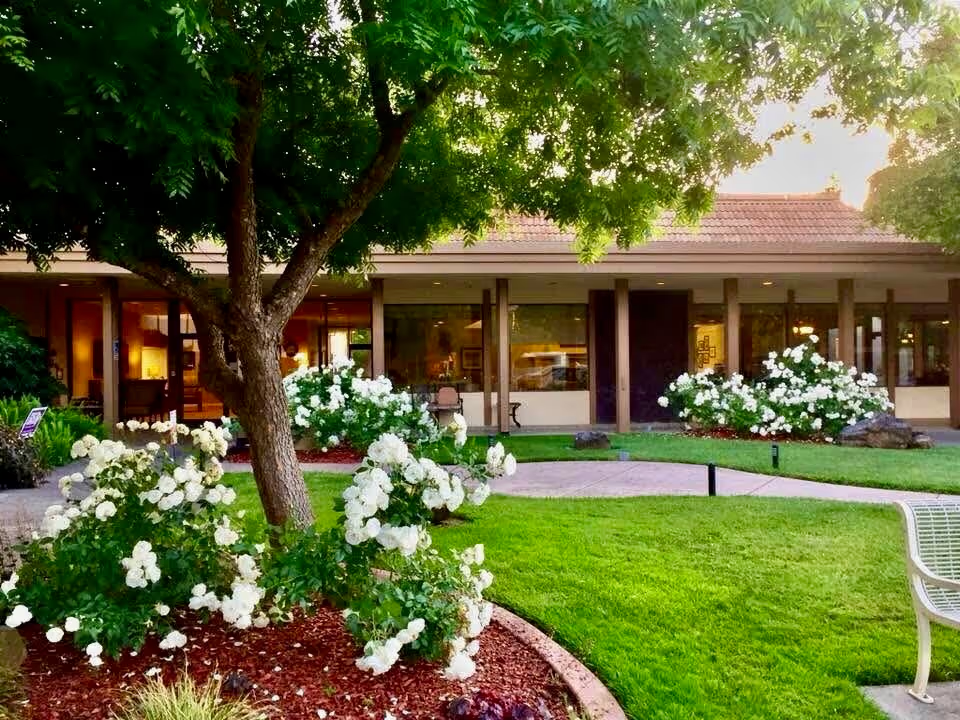
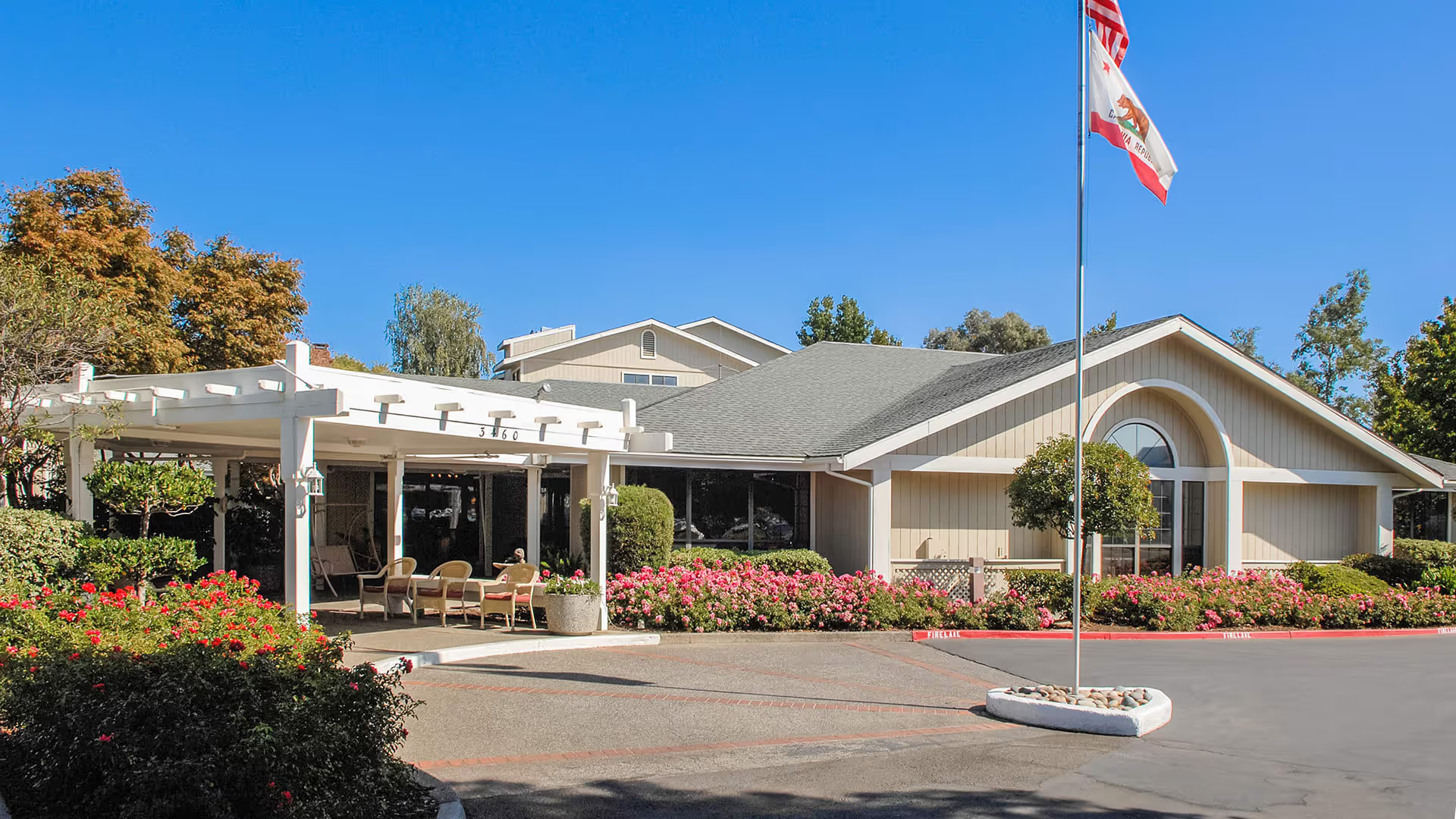
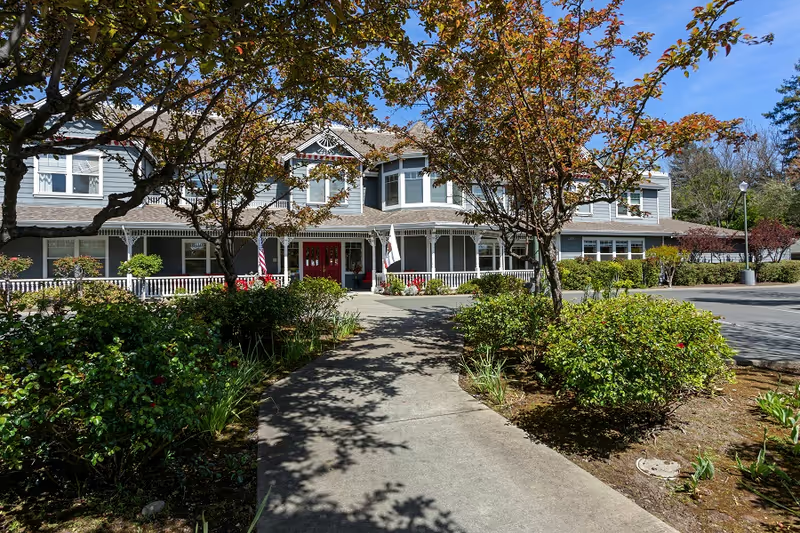
Nazareth Rose Garden presents a mixed but instructive picture for families evaluating assisted living and memory-care placement. Its most consistent strength is the caregiving staff: reviewers frequently describe direct-care teams as compassionate, knowledgeable about dementia, and attentive to residents’ daily needs. Long-tenured staff, cohesive caregiving teams, and small community size contribute to a home-like atmosphere where staff know residents by name. Families also note positive clinical coordination in areas such as medication management (including a successful Medminder program), virtual doctor visits, and hospice collaboration, and many describe smooth admission and placement experiences.
Dining and daily living are generally satisfactory. The facility offers special-diet accommodations, an on-site salon, podiatry visits, and dining areas that many found clean and adequate. Activities such as morning exercise, music, movies, and volunteer-led programs add opportunities for socialization and mobility; enclosed courtyards and interior walking areas are highlighted as useful features for resident activity. Several reviews emphasize value for money relative to other local options, and many families appreciated the attentive end-of-life care provided to residents.
However, recurring operational concerns appear across reviews and warrant careful inquiry. Families reported inconsistent management transparency and communication, with isolated but significant claims that affected trust. Staffing levels and responsiveness are variable: while some reviewers praise specific staff and recent administrative improvements, others describe periods of understaffing and delays in assistance. Building maintenance and infrastructure issues are a theme — reviewers noted unreliable HVAC and temperature control, roof and repair backlogs, and electrical-safety problems. These infrastructure gaps have manifested as reliance on in-room heaters, malfunctioning entry or safety systems, and failures of resident-call buttons and assistive-device remotes, indicating lapses in maintenance and safety monitoring.
Safety and clinical oversight concerns are also present. Reviewers raised issues about environmental-safety controls in memory-care areas (for example, unsecured hazards) and identified a need for stronger clinical nutrition oversight. There is a recorded history of an infection-control incident that prompted a licensing inquiry and fines, and there were references to allegations of staff misconduct; these items suggest families should review recent regulatory history and current corrective actions. Additional practical concerns include small room sizes in shared suites and ancillary fees that some families found opaque or higher than expected.
Overall, Nazareth Rose Garden appears to offer high-touch, dementia-capable caregiving in a clean, small-community setting with good social and clinical supports in many cases. At the same time, the facility exhibits operational weaknesses around facilities maintenance, certain safety systems, staffing consistency, and management transparency. Prospective residents and families should tour the community, ask for documentation of recent regulatory and infection-control findings and their resolutions, verify the condition and maintenance plan for resident-call and HVAC systems, review fee schedules, and discuss staffing ratios and nutrition oversight to determine fit for their needs.