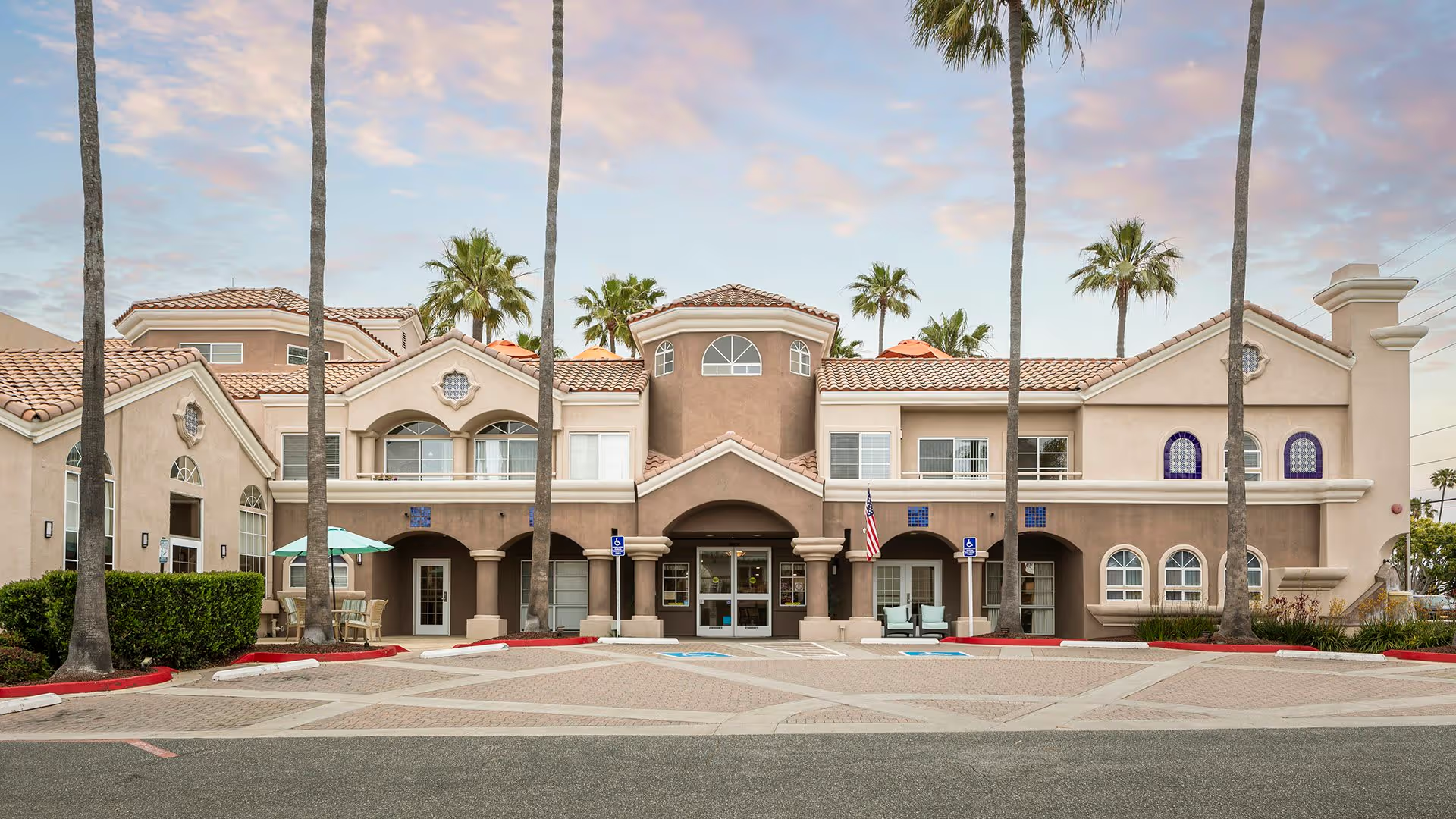
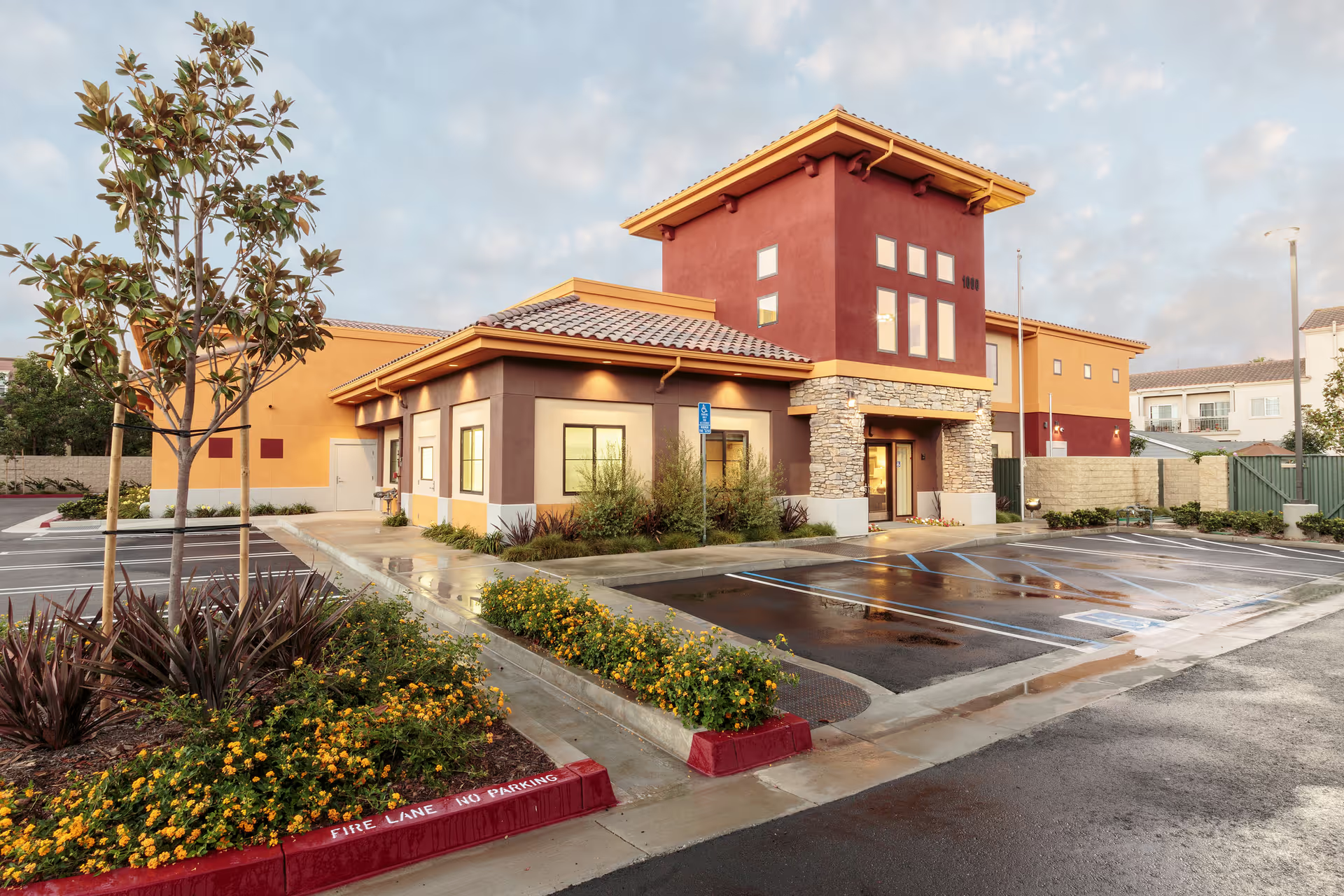
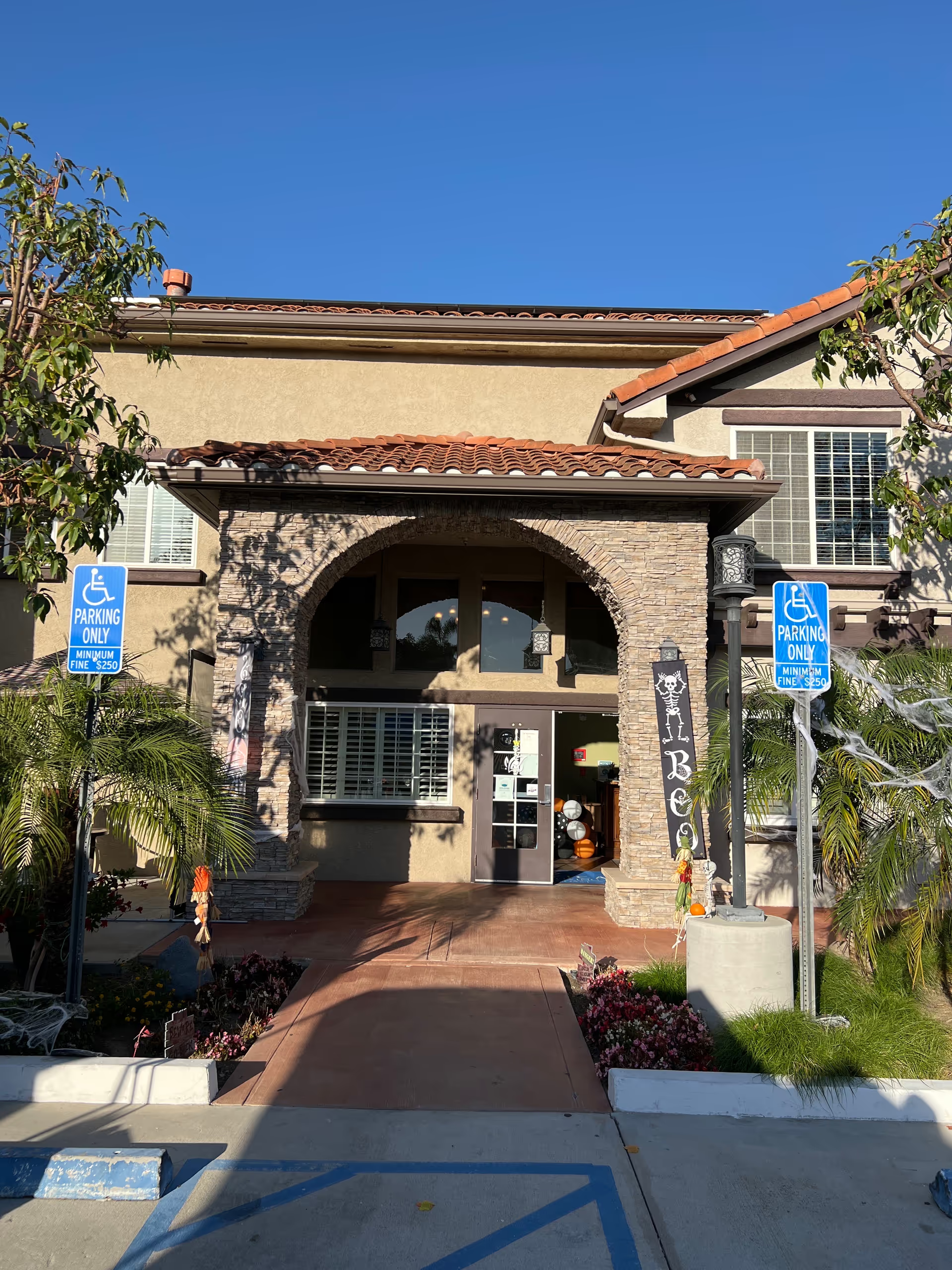
Atria Newport Beach is consistently described as a newly built, well‑appointed senior living community with a hotel‑ or resort‑style atmosphere. Reviewers emphasize strong hospitality instincts across front‑line staff and department leaders, frequent personalization (staff knowing residents by name), and a general sense of attentive, compassionate care. The property’s design, cleanliness, and high‑end finishes are repeatedly noted, as are the presence of multiple social spaces (theater, library, arts/crafts rooms, fitness areas, outdoor terraces) and technology-driven safety features.
Care and staffing receive overall positive assessments. Families cite warm, responsive caregiving, visible clinical oversight (24‑hour nursing in some units), and smooth transitions into memory care when needed. There are multiple comments about staff going above and beyond during move‑ins and care transitions. At the same time, a minority of accounts raise operational concerns: episodic communication lapses, occasional delays in medication/placement processes, and isolated allegations related to contract or placement disputes. Prospective families should ask for specifics about clinical staffing levels, communication protocols, and the community’s process for admissions and escalation to clarify expectations.
Dining and activities are clear strengths. The dining program is described as gastronomic and flexible (multi‑meal service, chef engagement, restaurant‑style presentation). Activities programming is broad and active — exercise classes, art, Pilates, virtual reality experiences, museum visits, live music, movies, and routine outings are common. These programs are credited with fostering social connection and engagement. However, reviewers also note intermittent resource limits for activities (staffing levels) and gaps in multilingual programming support; these can affect participation for residents who need language accommodations or more individualized activity attention.
Facility and management notes reflect a premium positioning. The building is new, well maintained, and offers hospitality features such as concierge/valet, limo service for errands, and advanced room‑access technology. Safety features (wristbands, fall detection, door access, camera oversight in some areas) are frequently mentioned. Offsetting strengths are practical constraints: several apartment types—particularly studios—are described as modest in size, parking is sometimes tight, and some expected amenities (e.g., pool) are either absent or limited depending on the unit. Pricing is often characterized as premium; some families view it as fair given the product, while others flag cost and deposit terms as areas requiring clearer explanation.
Notable patterns for prospective residents and families: the community scores highly for staff warmth, food quality, and a rich calendar of programs that support social life and wellness. Key due‑diligence questions should target unit dimensions, a clear breakdown of pricing and deposits, parking/valet logistics, cleaning schedules and standards, memory‑care availability and waitlist policies, and the community’s language‑support capabilities. Overall impressions are strongly positive, but prospective residents should verify operational details that align with individual needs and expectations.