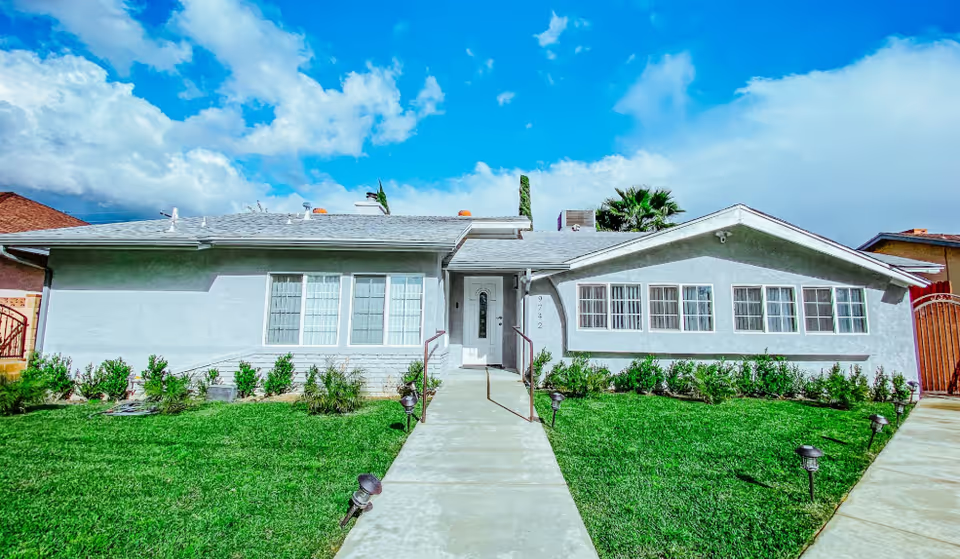
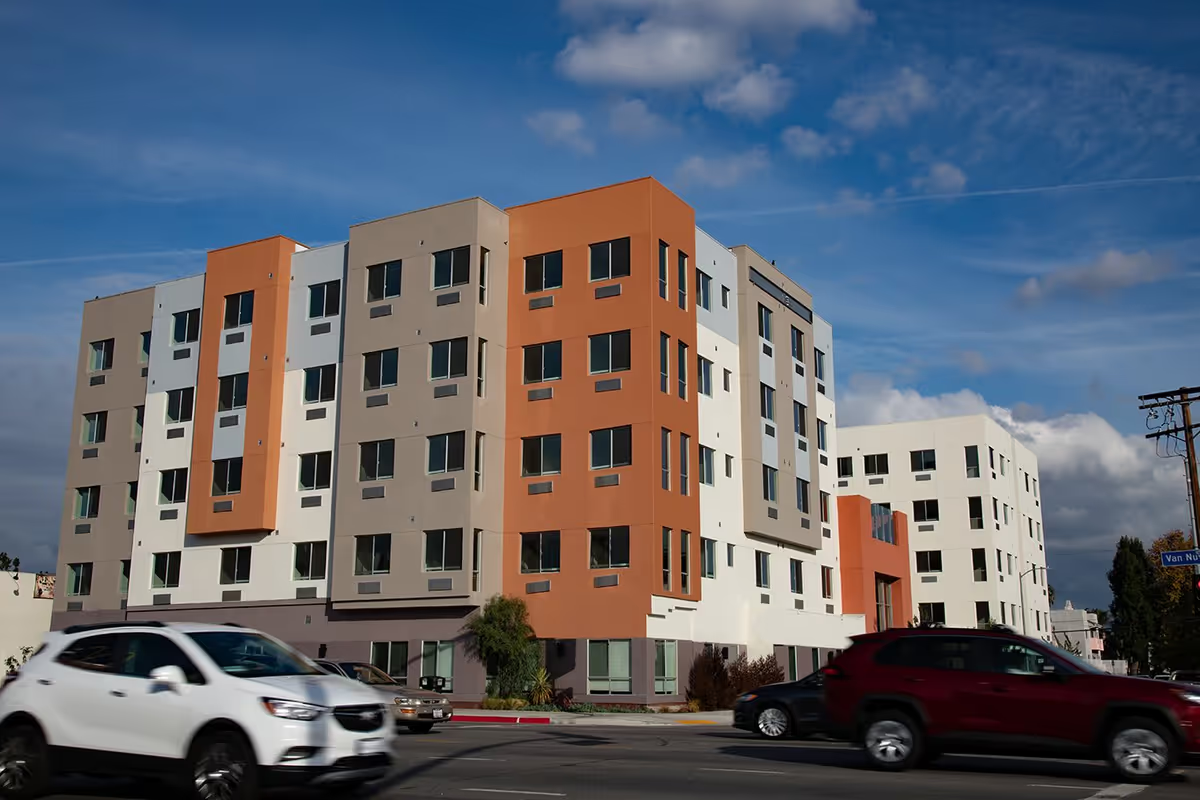
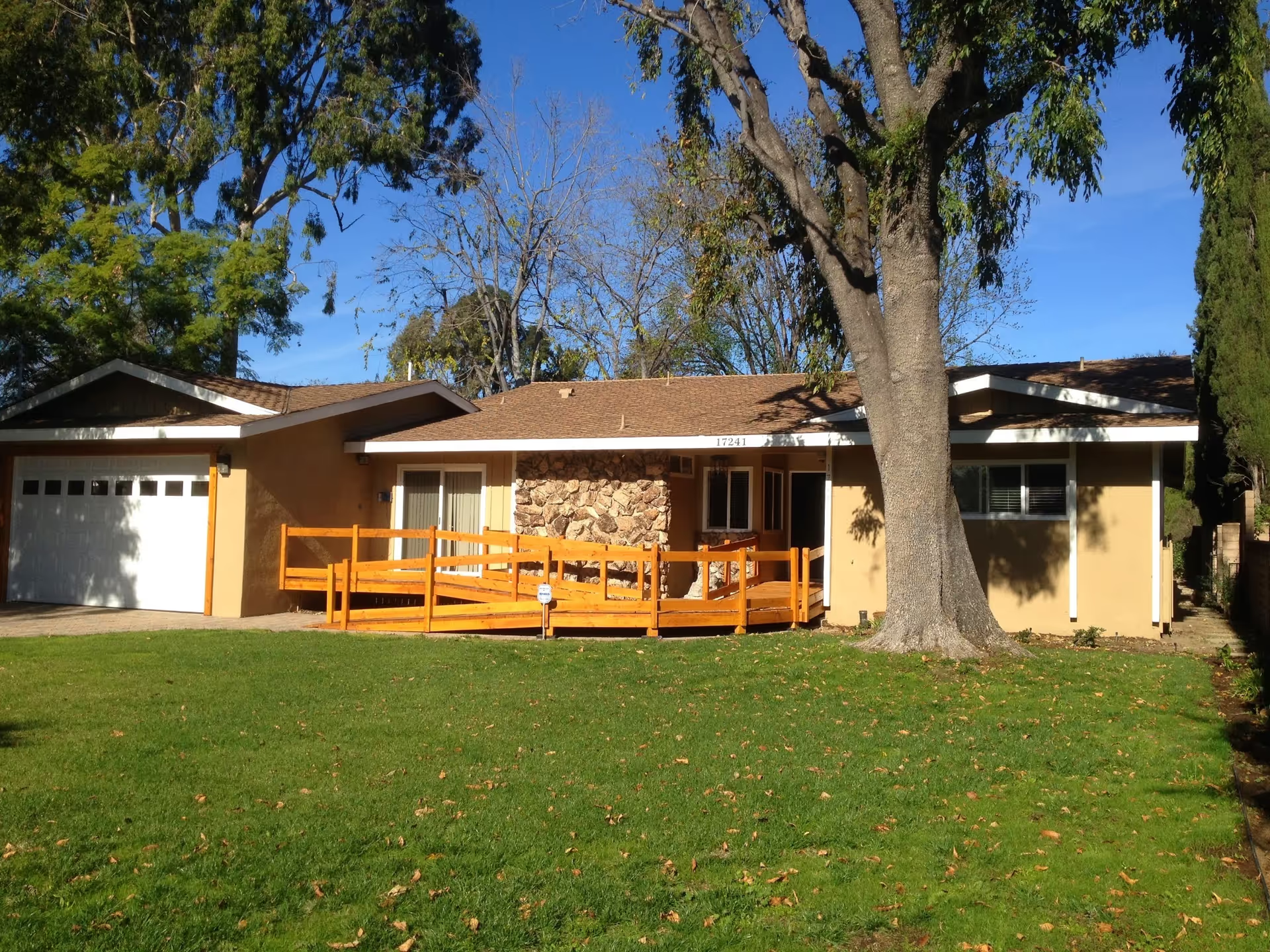
Overall impression: Reviews collectively describe a facility that emphasizes cleanliness, a home-like atmosphere, and personalized attention. Families and visitors consistently note well-maintained rooms and common areas, daily housekeeping and linen changes, and an orderly, pleasant presentation of the interior and outdoor spaces. The site’s landscaping and patio — frequently described as attractive and usable for dining — contribute to a calm, residential feel.
Care and staff: Care is characterized in many accounts as attentive and compassionate, with staff described as warm, family-like, and respectful. Reviewers commonly highlight timely medication administration, routine check-ins, and hospice collaboration for residents receiving end-of-life care. Several accounts emphasize skilled and professional caregivers who focus on safety and individualized support, creating comfort and peace of mind for families.
Dining and activities: The dining program receives strong positive attention. Home-cooked, freshly prepared meals, flexibility around dietary needs, and communal dining (including patio meals) are recurrent strengths. Daily activities and regular celebrations for holidays and birthdays are noted as contributing to social engagement and resident well-being. Photographic updates to families and open communication around events reinforce family involvement.
Facilities and amenities: The facility’s physical environment is frequently described as neat, elegant, and comfortable. Private rooms, large in-room televisions, a living area with recliners, and an inviting backyard with fruit trees are among amenities that reviewers found appealing. Cleanliness, pleasant scents, and attention to housekeeping are consistent themes.
Management and notable patterns: Many reviewers express gratitude for proactive communication and family-focused care practices, including timely updates and visible staff engagement. However, a limited number of accounts raise concerns about pricing, the facility’s for-profit orientation, and variability in caregiver training and direct-care availability. These critiques suggest potential gaps in staffing consistency and in how admissions or marketing conversations are conducted with families.
Guidance for prospective families: The balance of commentary is positive regarding daily life, meals, activities, and end-of-life support, but prospective residents and families should conduct due diligence on operational details. Recommended questions include: current staff-to-resident ratios and their consistency across shifts; caregiver training and continuing-education practices; how admission and billing are explained and documented; and direct observation of mealtime service and medication administration. Verifying hospice coordination procedures and asking for examples of family communication practices (such as photo updates) can help confirm the strengths reviewers described.