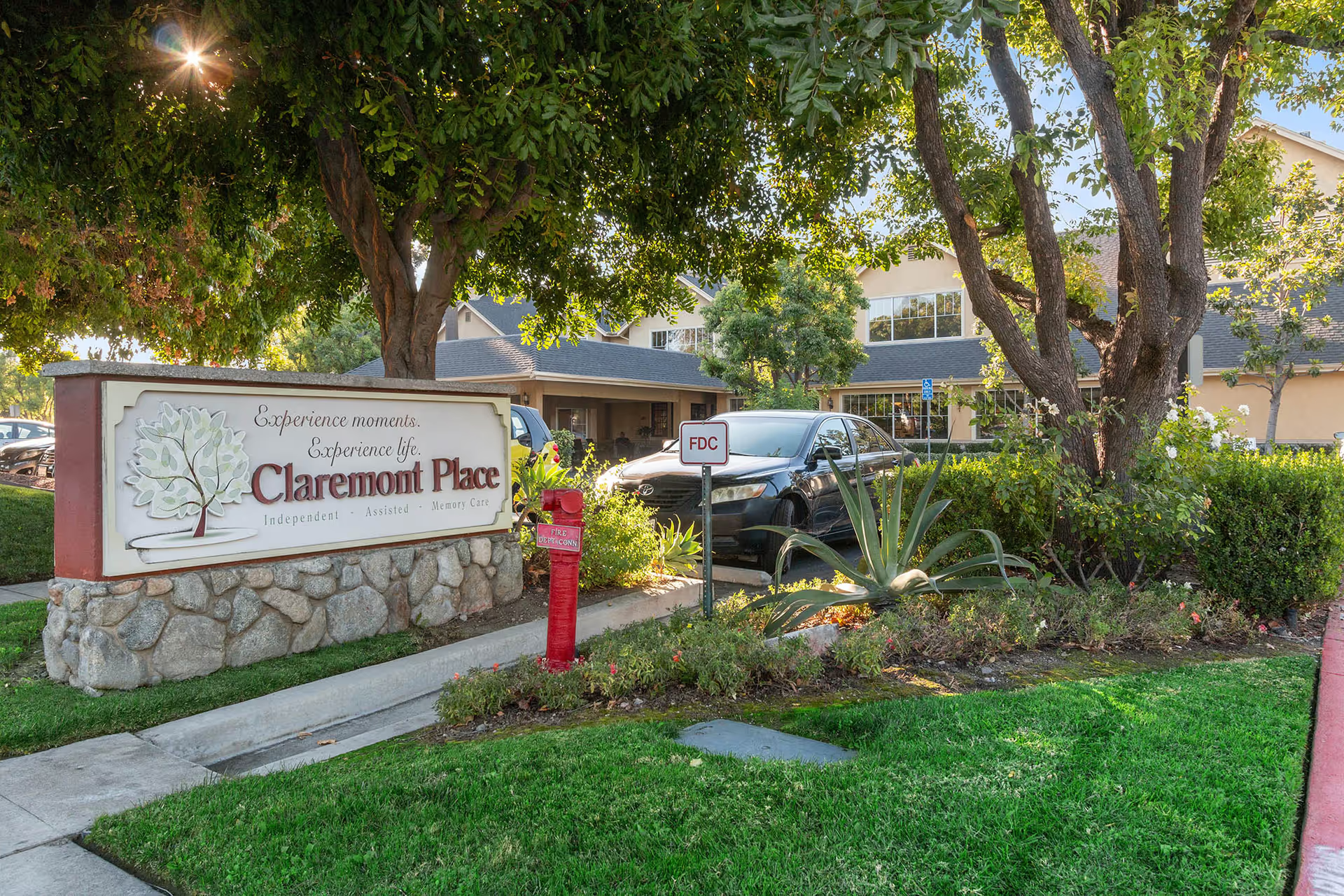
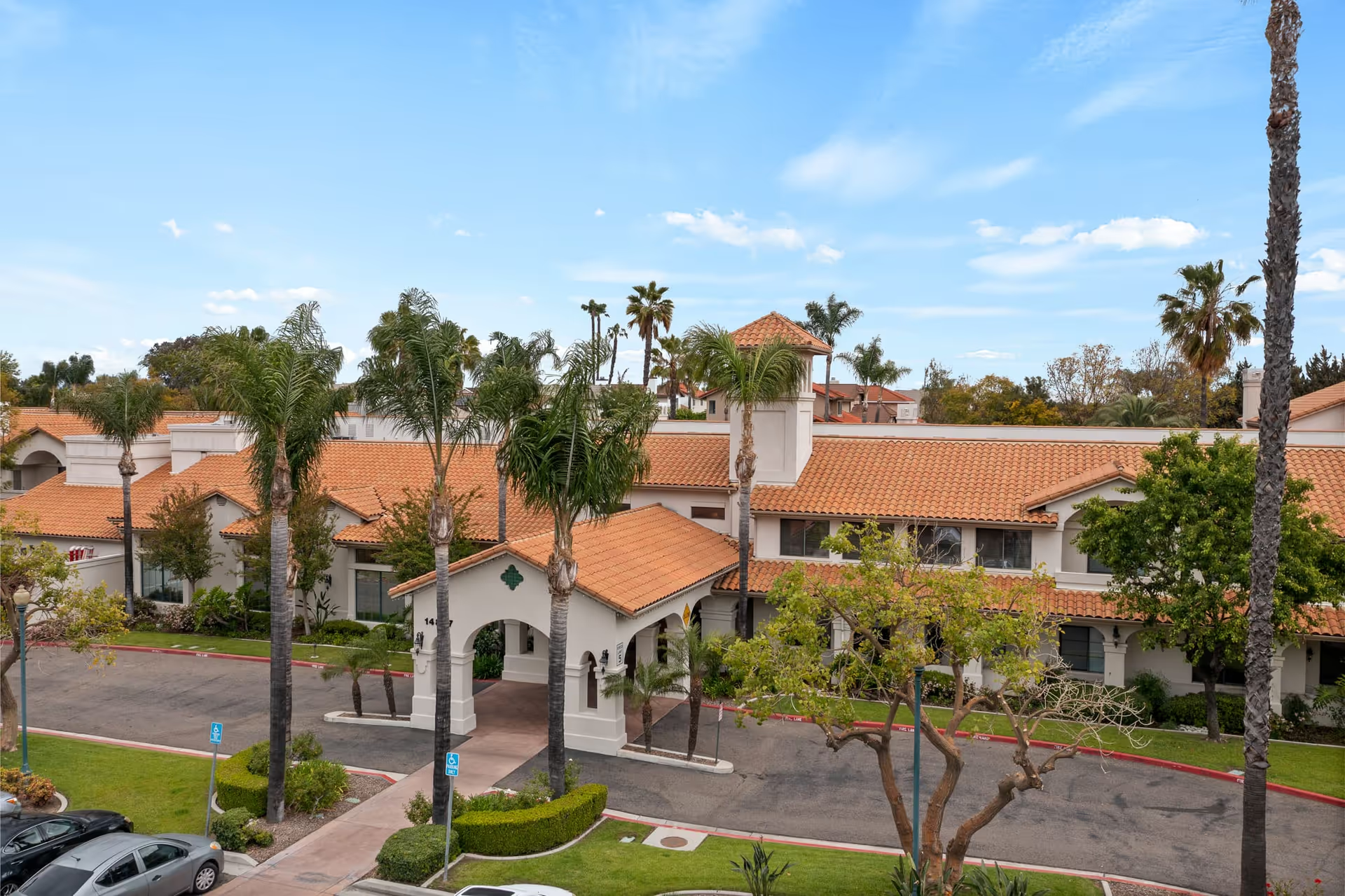
Inland Christian Home presents as a well-maintained, faith-centered senior community with a broad on-campus continuum of care and many amenities. Reviewers consistently praise the landscaped grounds, accessible apartment designs (including two-bedroom layouts, patios, and in-unit laundry), prompt maintenance, and a range of onsite services such as rehabilitation (physical/occupational/speech therapy), salon services, and communal event spaces. The community places emphasis on Christian programming, devotions, and social activities; residents and families frequently describe robust activities programming (classes, outings, walking groups, monthly social events) and pet-friendly features like a dog park.
Care and staffing receive mixed but prominent positive comments: many families highlight compassionate, stable staff who know residents’ personalities, responsive nursing and therapy teams, and a helpful transition coordinator who eases move-in. Clinical supports such as wound care, lymphedema management, and dietitian involvement are noted positively in some accounts. At the same time, there are substantive concerns about clinical consistency and responsiveness. Reviewers describe delays in attending to resident needs, medication-timing issues, and incontinence-care delays in isolated reports; there are also serious individual allegations regarding staff conduct and clinical-care breaches that merit careful review. Communication is another bifurcated area — several families praise informative updates and timely issue resolution, while others report gaps in incident notification and opaque follow-up after events.
Dining and activities are generally strengths for the community: menus are described as nutritious and accommodating of dietary needs, and activities are varied and frequent. However, some residents express dissatisfaction with menu variety or specific food items, and a few accounts point to issues when modified diets (e.g., pureed) are required. Facilities and operations are commonly described as clean, remodeled, and accessible, with single-story buildings, wide doorways, and handicap-accessible bathrooms. Operational drawbacks cited include long waitlists for independent living (and associated waitlist fees), rising pricing and perceived lack of pricing transparency, and limited memory-care availability that can complicate placement decisions. Practical access issues such as visitor parking limitations and long walks from parking to entries are recurring logistical complaints.
Management and policies show strengths and friction points. Several reviews commend management for strong transitions, supportive family services (including memorial events and kitchen availability), and proactive infection-control measures. Conversely, some families criticize admissions communication (including unexplained admission denials), contract/fee rigidity, and strict infection-control rules that reduce flexibility for visitors. It is also important for prospective residents and families to note that the facility does not participate in Medicare billing and that some skilled-nursing areas use shared-room configurations.
Overall, Inland Christian Home appears to be a strong option for people seeking a faith-based, well-kept community with onsite therapy and an active social calendar, but prospective residents should perform targeted due diligence. Recommended next steps include an in-person tour, review of clinical staffing ratios and incident-reporting procedures, examination of contract and fee policies (including waitlist fees and move-out terms), and direct conversations about memory-care capacity, Medicare participation, and any specific clinical concerns a family may have.