Overall characterization The reviews describe a facility with pronounced strengths in hands-on clinical care—particularly in skilled rehabilitation services—and a number of operational inconsistencies that families should evaluate when considering placement. Many accounts highlight consistently positive interpersonal care: nursing assistants, licensed nurses, therapists, and specific clinical staff receive frequent praise for compassion, individualized attention, and effectiveness in restoring mobility and function. At the same time, a subset of reviewers raised serious concerns about operational practices that point to variability in quality across time and staff.
Care quality and staff Clinical strengths are most evident in the facility’s therapy and nursing teams. Physical and occupational therapy are frequently credited with producing measurable gains and successful discharges home; several reviewers singled out individual therapists and noted proactive, goal-oriented programs. Wound-care services, attentive RNs/LVNs, and supportive CNAs were also repeatedly commended. Families commonly reported clear, regular updates from staff and a sense of personalized attention, which contributes to perceived safety and peace of mind for many residents.
However, reviewers describe uneven behavior and responsiveness among clinical and administrative personnel. Concerns include inconsistent communication tone, delayed responses to urgent needs or call systems, and variability in care across shifts. A small number of accounts describe more serious medication- and documentation-related issues; these include allegations of mishandling and incomplete medication-administration records and concerns following a resident’s death. There are also reports of limited incident documentation and delays or gaps in notifying family members after events. Prospective families should request documentation practices (for example, access to medication administration records and incident-report protocols) and clarify escalation procedures.
Dining, activities, and therapy Nutrition oversight is reported positively in several reviews, with many residents finding the meals palatable and dietitians or nutrition oversight noted. At the same time, multiple reviewers cited limited meal variety and a lack of consistently fresh menu options. Therapy and activity programming is a clear strength for residents needing rehabilitation; therapy staff receive frequent praise for individualized plans and measurable outcomes. For those prioritizing rehab, this facility appears to deliver strong, coordinated therapy services, though access may be variable depending on timing and staffing.
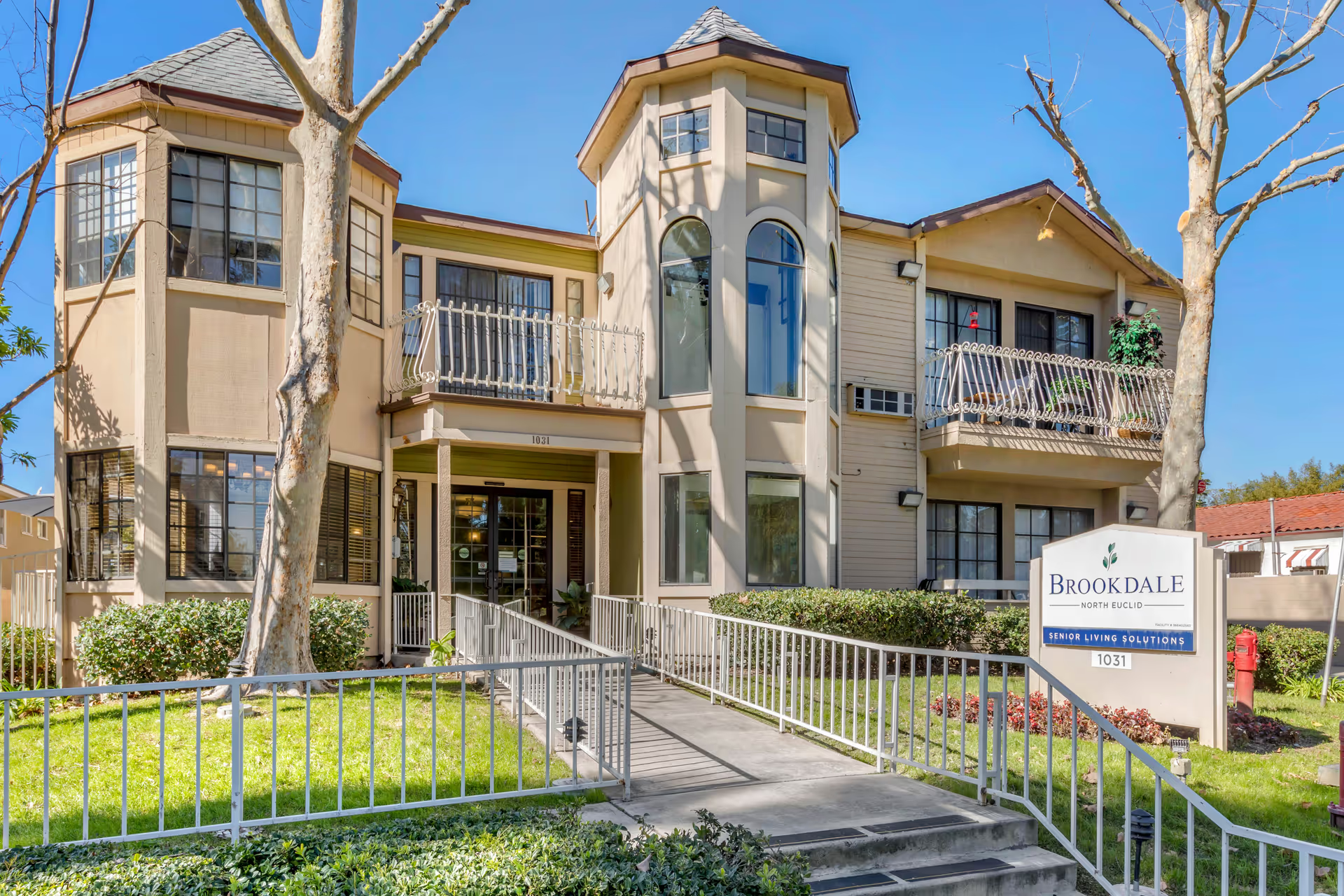
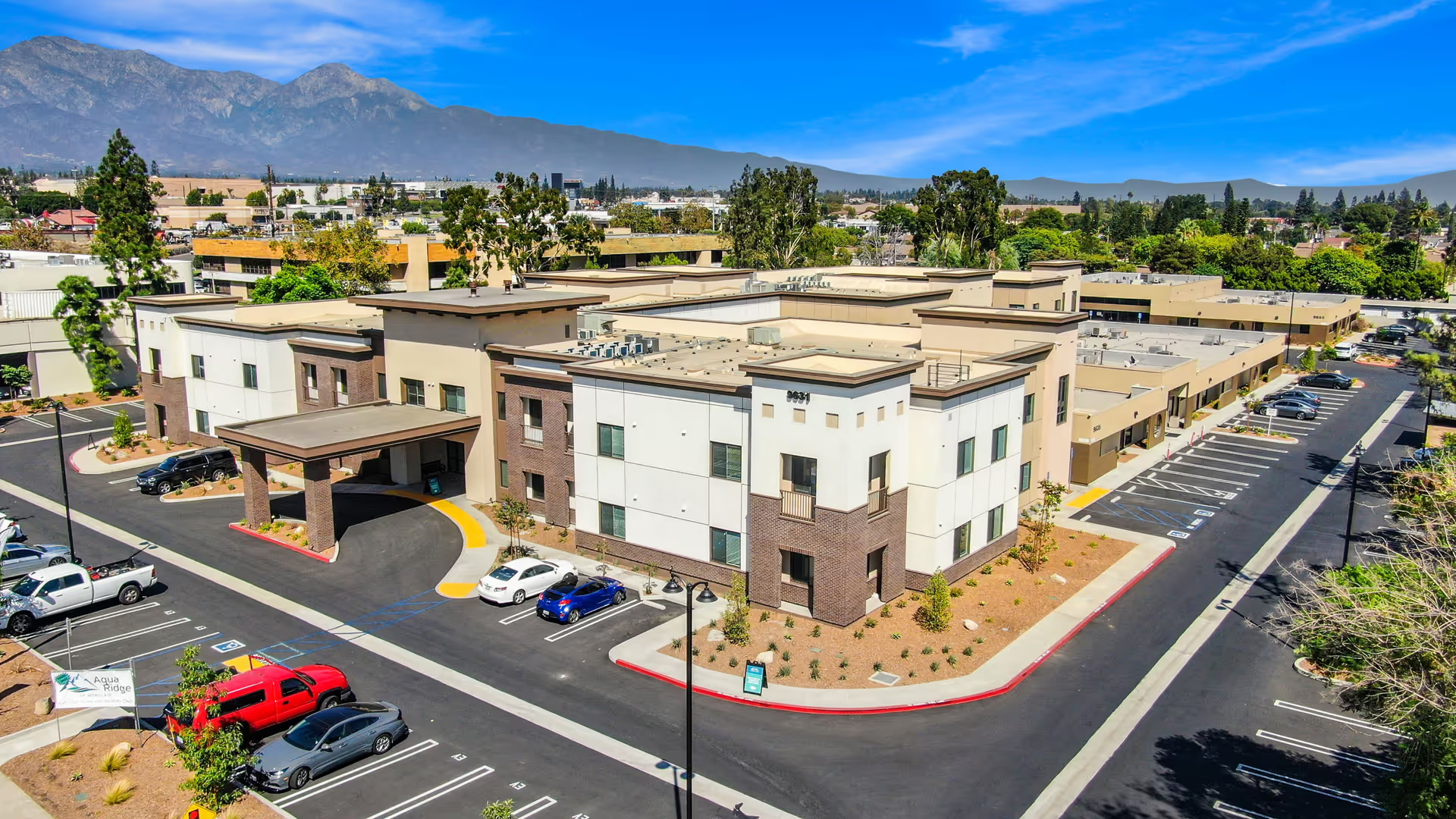
Facilities and operations Physical plant comments are mixed but generally favorable: many reviewers describe a clean, well-maintained building, tidy laundry services, landscaped grounds, and spacious semi-private rooms. The facility’s smaller size is noted as contributing to a community-oriented environment. Concerns include inconsistent sanitation and odor control in some areas, parking and entrance constraints related to location and layout, and ongoing remodeling that may affect access or impressions during a tour. Administrative accessibility is another operational theme—management availability outside typical business hours is limited, and some families experienced difficulty obtaining copies of records or forms.
Notable patterns and takeaways for families The dominant positive pattern is strong, personable clinical care—especially in therapy and individualized nursing attention—which makes the facility a viable option for short-term rehabilitation and for families seeking hands-on support. The dominant risks are variability: inconsistent staff conduct and responsiveness, documented gaps in medication and incident-recording practices, and periodic sanitation or meal-quality concerns. Given these mixed signals, prospective residents and families would benefit from an on-site visit and targeted questions before admission: review the facility’s medication-administration documentation process, incident-reporting and family-notification protocols, staffing levels and after-hours coverage, sample menus and meal rotation, and bed/room availability. Request to meet therapy leadership if rehabilitation is the primary need, and ask for written policies on record access and grievance escalation so that expectations are clear from day one.