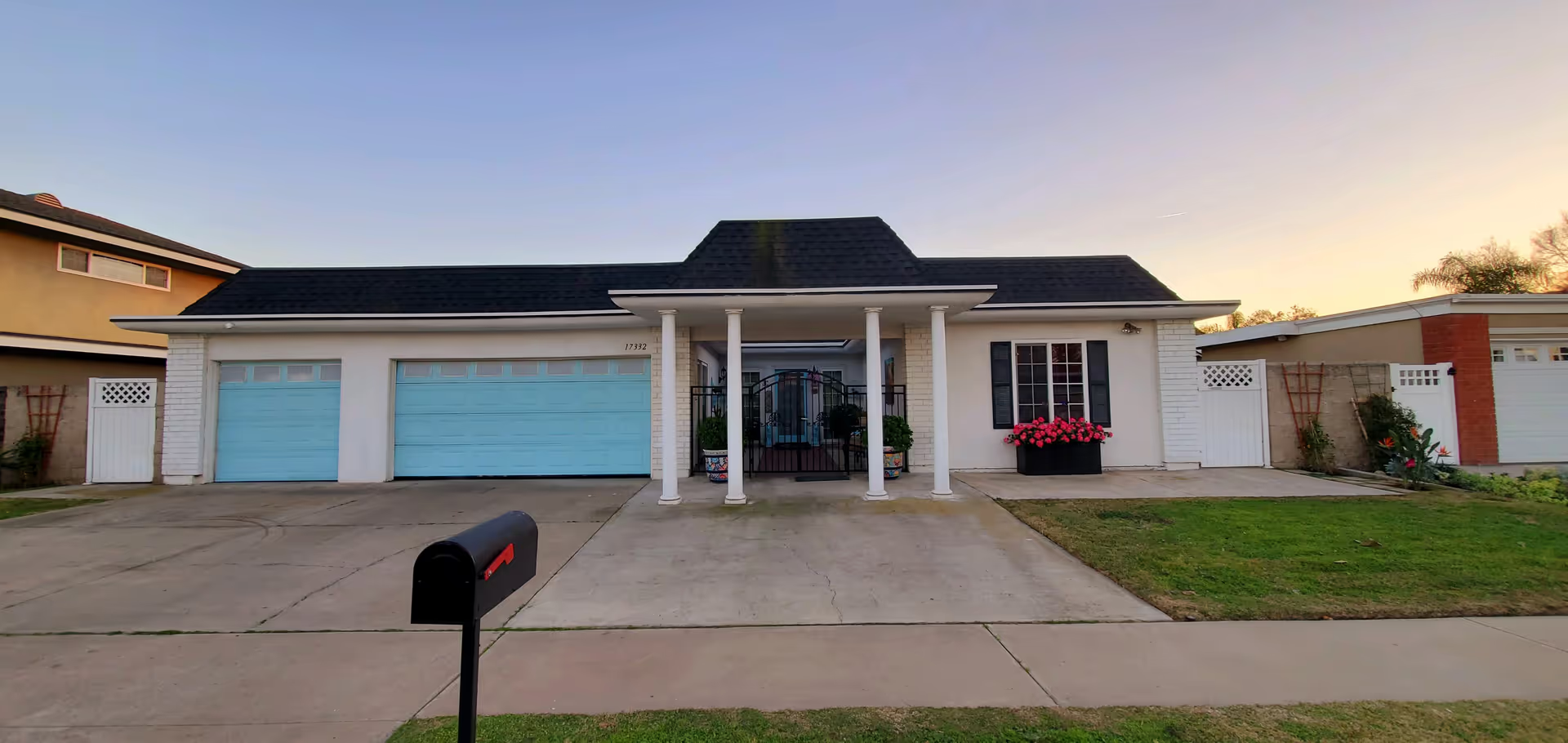
Overall impression: Reviewers consistently describe Jc Cottages - Lincoln as a clean, well-maintained small facility with comfortable private rooms and a range of practical amenities. Families praised the physical environment — spacious single rooms, mirrored closets, accessible bathrooms with step-in showers, and adaptive equipment — and the presence of common spaces and reclining chairs that support shared viewing and relaxation. Laundry is included and reviewers found the facility’s layout and location convenient for local visitors.
Care quality and staff: Caregivers are repeatedly described as professional, compassionate, and timely. Several families highlighted supportive, reassuring interactions from frontline staff and noted hands-on involvement from management at move-in. There are positive accounts of individualized care adjustments (for example medication changes and in-home physical therapy) that led to clinical improvements. However, an identifiable pattern concerns nursing-level communication: families wanted more frequent clinical updates and routine check-ins from nursing staff, suggesting a gap between caregiving responsiveness and formal clinical-family communication processes.
Dining and activities: Meal service receives generally favorable comments; reviewers described meals as good and appreciated regular dining provision. Activity offerings noted include pet-therapy visits and in-room or common-area social options such as TV areas. That said, reviewers reported limited conversational engagement among residents and occasional limitations in the social program, which can reduce opportunities for meaningful interaction for residents who seek more verbal engagement. Activity offerings were also described as constrained during infection-control events, which affected visiting and programming availability.
Facilities and amenities: The physical plant and amenities are strengths: clean, odor-free interiors, an open floor plan, and accessible bathing facilities. Families appreciated laundry being included and the convenience of an on-site arrangement for therapies and some supportive services. A few reviewers said the facility’s size and resident mix didn’t match every incoming resident’s social needs, which is important to consider when assessing fit.
Management and operations: Management is viewed positively around admissions and transitions; owners and the director were singled out for spending extra time with families and being considerate during move-in. Operationally, two recurring concerns are limited flexibility in visitation policies (notably strict visiting schedules during certain periods) and constrained bed availability — reviewers noted that space can be limited. Initial transition experiences varied: some families reported a rough first few weeks that improved with staff involvement, indicating variability in early admission support processes.
Notable patterns and guidance for families: The dominant themes are strong housekeeping and frontline caregiving, an environment that supports physical accessibility, and a generally positive dining experience. Areas to probe during a tour or conversation with staff include nursing communication protocols and family update schedules, visitation policy flexibility (especially during infectious outbreaks), the facility’s approach to social programming and resident mix, and current bed availability. For prospective residents who require robust social engagement or frequent clinical updates to families, these operational aspects warrant particular attention despite the facility’s strengths in cleanliness, staff compassion, and accessible accommodations.