Overall impression The reviews present a polarized picture of Orinda Rehabilitation. Many families and residents praise the facility’s therapy teams, daily activities, and housekeeping, while others describe operational and clinical concerns that materially affected their experience. Patterns in the feedback point to strong frontline dedication under constrained conditions rather than uniformly reliable systems of care.
Care and clinical responsiveness Physical and occupational therapy are consistently highlighted as a strength; reviewers characterize the PT/OT staff as skilled and effective. At the same time, there are recurring concerns about staffing levels and resource limits that appear to compromise consistency of care. Several accounts describe delays in clinical assessment and escalation, delayed physician attention, and emergency transfers after family-initiated calls. These narratives suggest gaps in on-shift clinical coverage, escalation protocols, and availability of specialized diagnostic or neurology resources for residents with complex needs.
Staffing, training, and conduct Frontline staff are often described as compassionate and hard-working, and leadership—particularly the director of nursing—is credited as responsive in multiple accounts. However, reviewers also note variability in staff training, communication tone, and conduct, which creates an inconsistent resident experience. Staffing shortages and workload strain are repeatedly cited and appear to contribute to hurried interactions, missed care tasks, and occasional failures in follow-through.
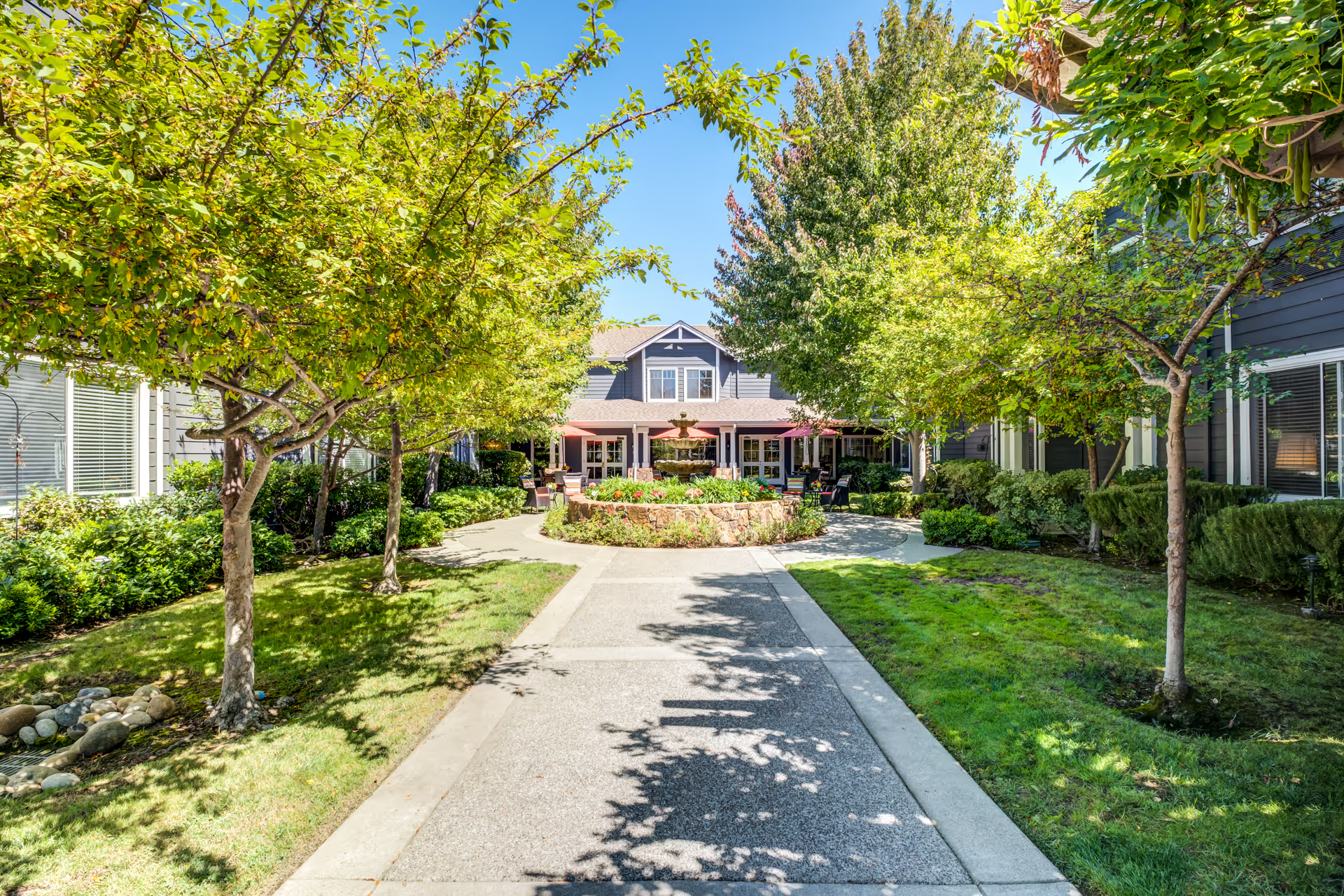
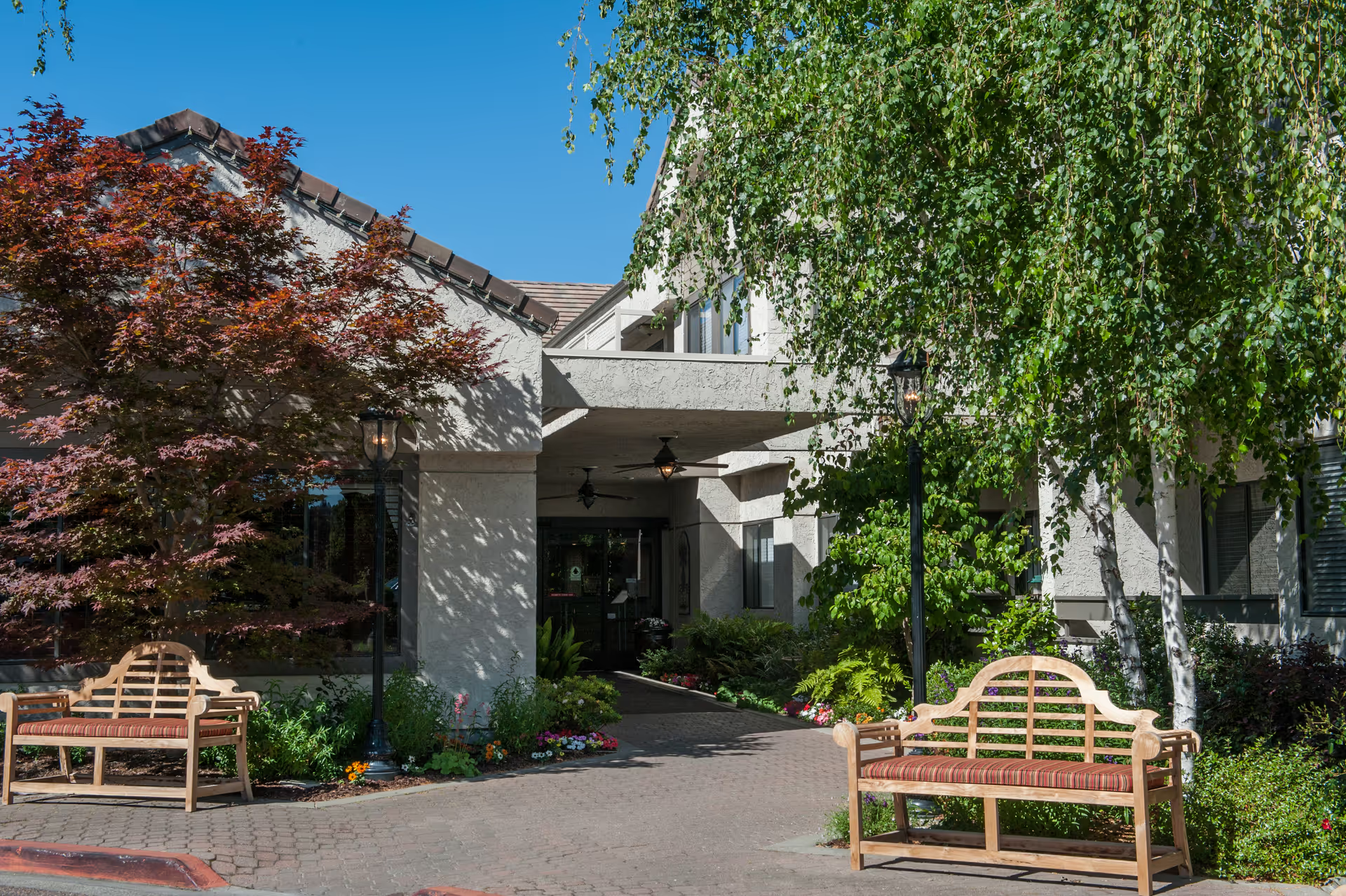
Facilities, housekeeping, and personal items Physical spaces receive mixed but mostly positive comments: bright rooms, pleasant common areas, and a generally well-maintained interior. Housekeeping and laundry services are singled out positively by several reviewers. Conversely, concerns exist about sanitation and odor in some areas and the need to update certain resident rooms and outdoor amenities. Multiple reviewers raised issues about personal property management, including missing belongings or clothing; these comments indicate weaknesses in inventory and laundry controls that families should discuss during tours.
Activities and social atmosphere The activities program is a clear positive. Reviewers report engaging, well-planned activities and a community-focused atmosphere that supports social engagement. Common areas are described as active and bright, contributing to resident well-being for those who participate.
Management, communication, and admissions Feedback about management is mixed. Some families commend responsive leadership and a helpful DON, while others describe communication breakdowns, inconsistent admissions practices, and perceived organizational instability. A few reviewers attributed operational decisions to higher-level business priorities and referenced pursuing external remedies; these are individual claims that underscore the importance of direct discussion with facility leadership and review of contract and grievance procedures.
What prospective residents and families should consider When evaluating Orinda Rehabilitation, weigh the facility’s strong rehabilitation services, active activities program, and housekeeping strengths against the documented operational weaknesses: staffing variability, limitations in specialized equipment and clinical escalation, communication shortfalls, and personal-property controls. Ask for current staffing ratios, the availability of on-call physician coverage, protocols for clinical escalation and transfers, details on laundry/property handling, and opportunities to meet therapy staff and the DON. A facility tour that includes observation of mealtimes, therapy sessions, and activity programming will help clarify whether the environment aligns with a prospective resident’s clinical and social needs.