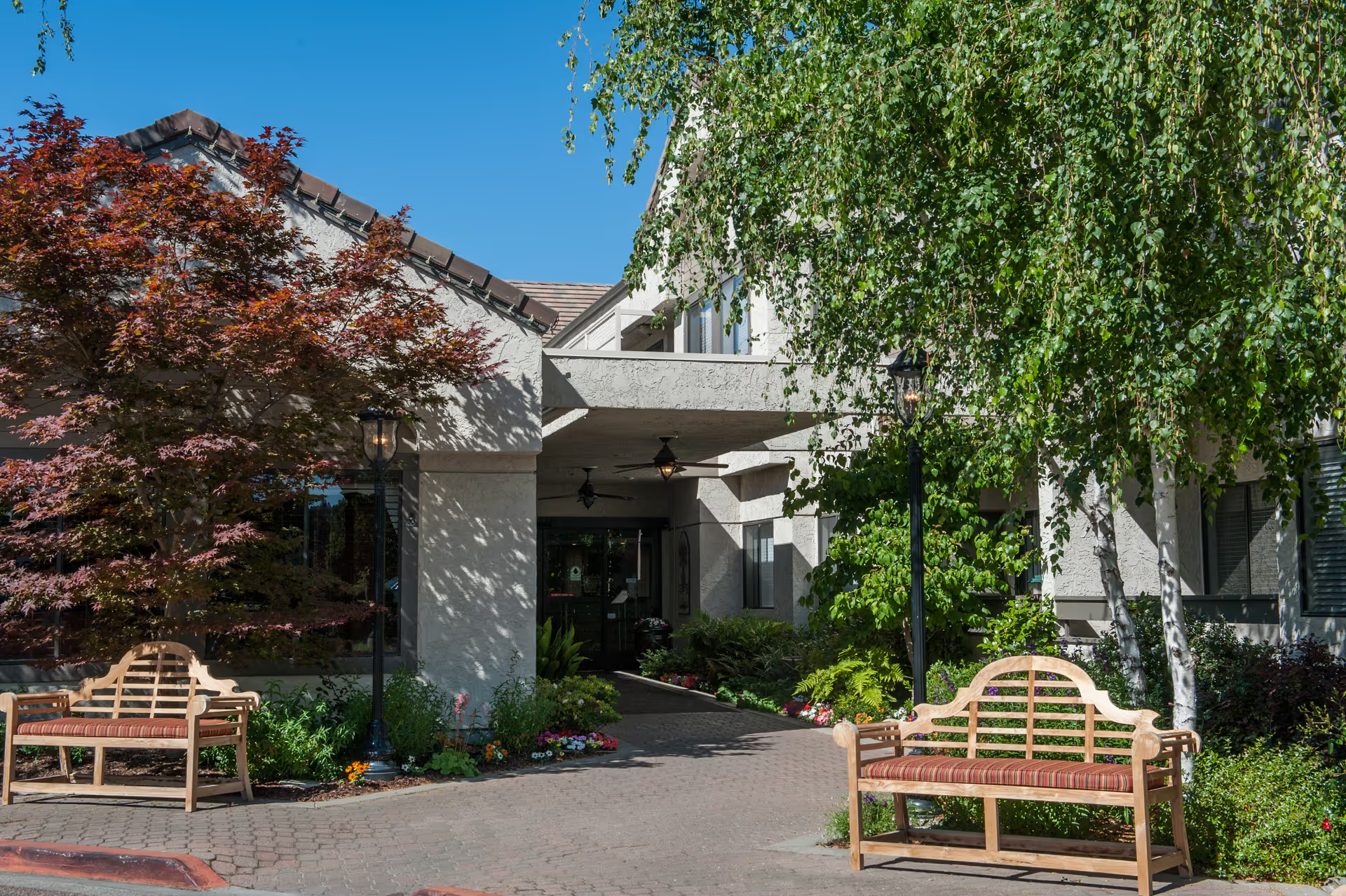
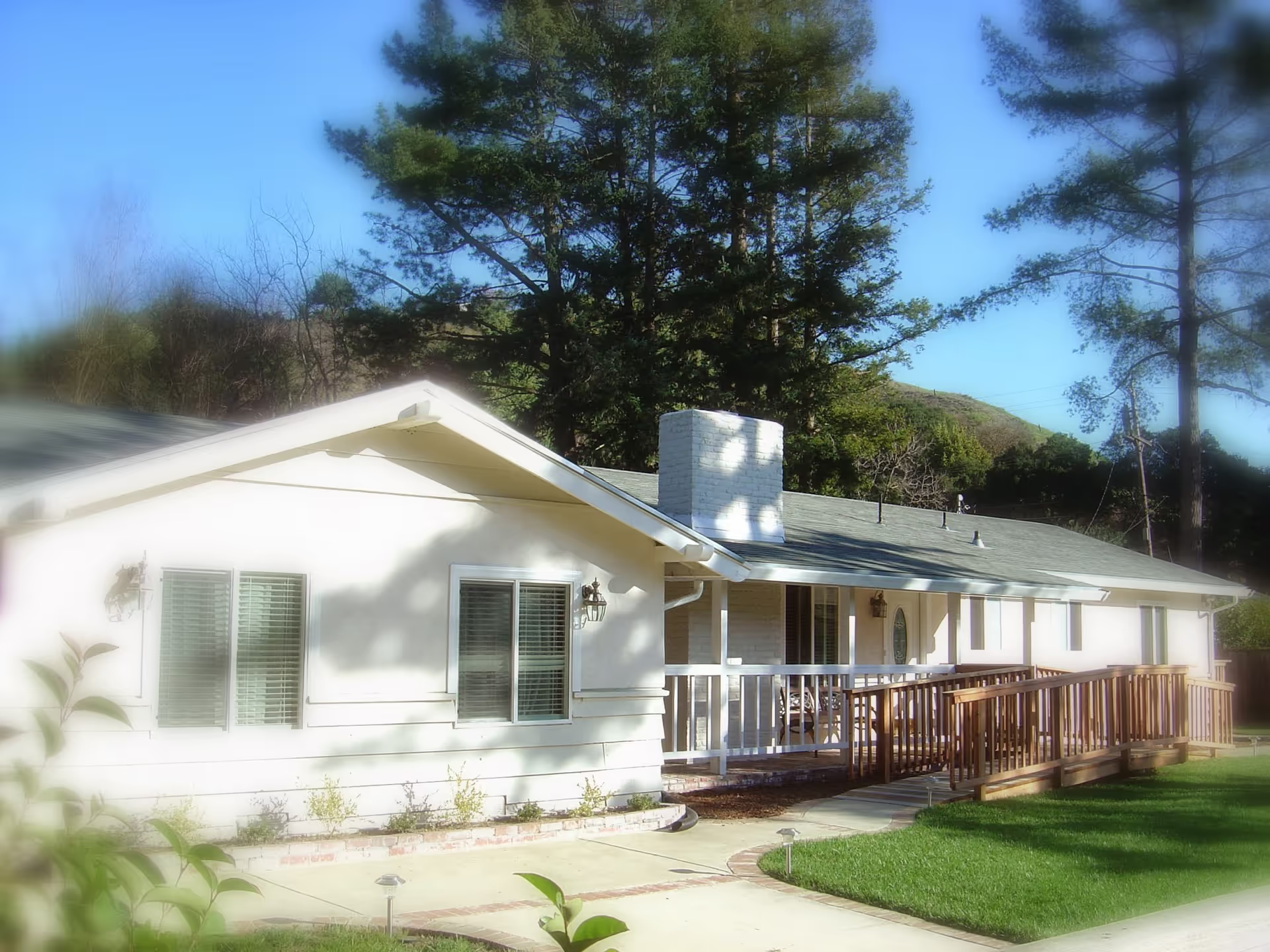
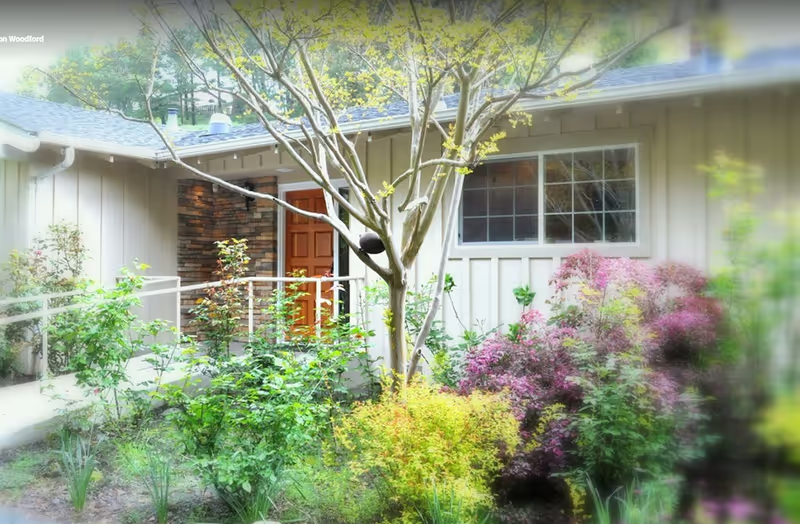
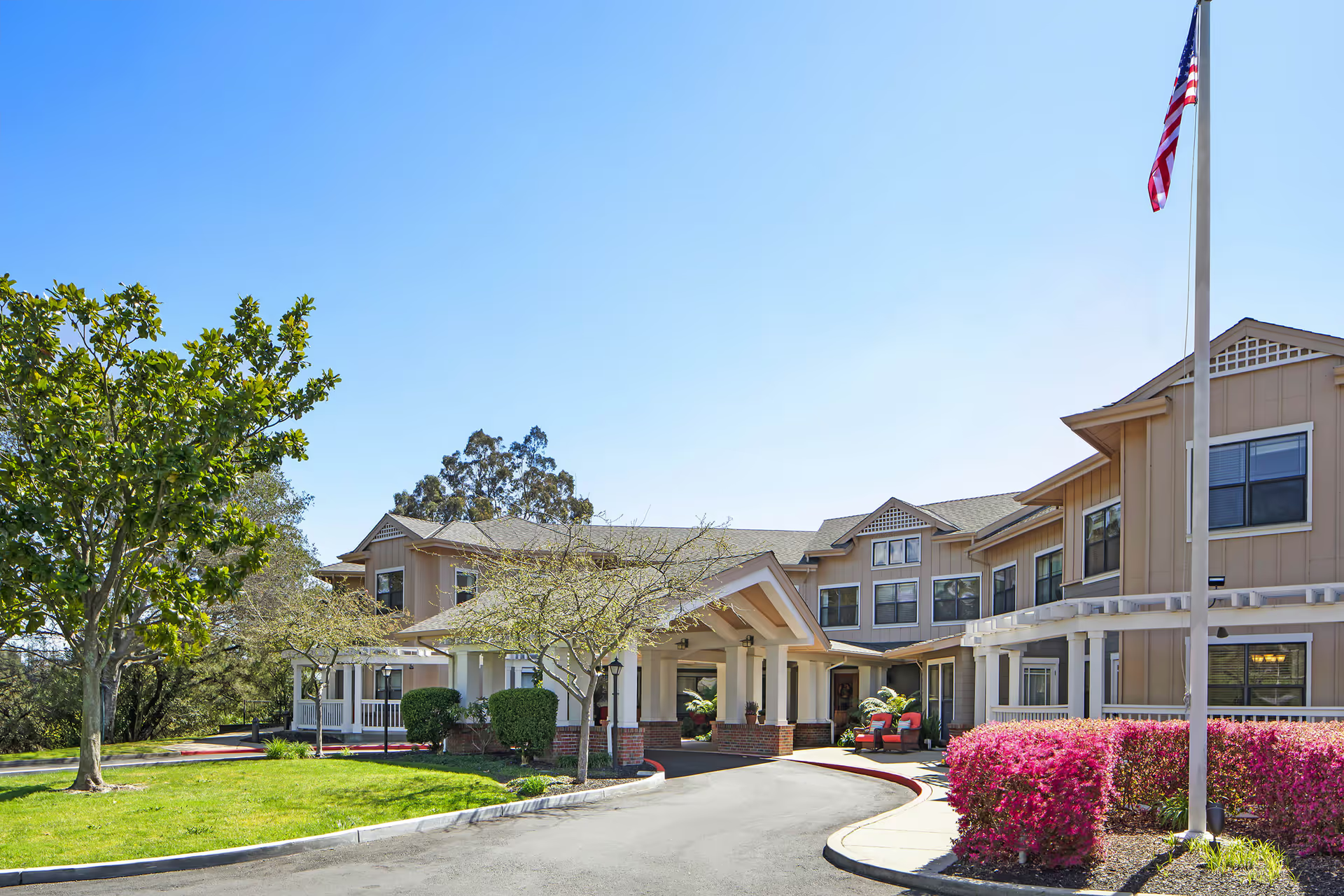
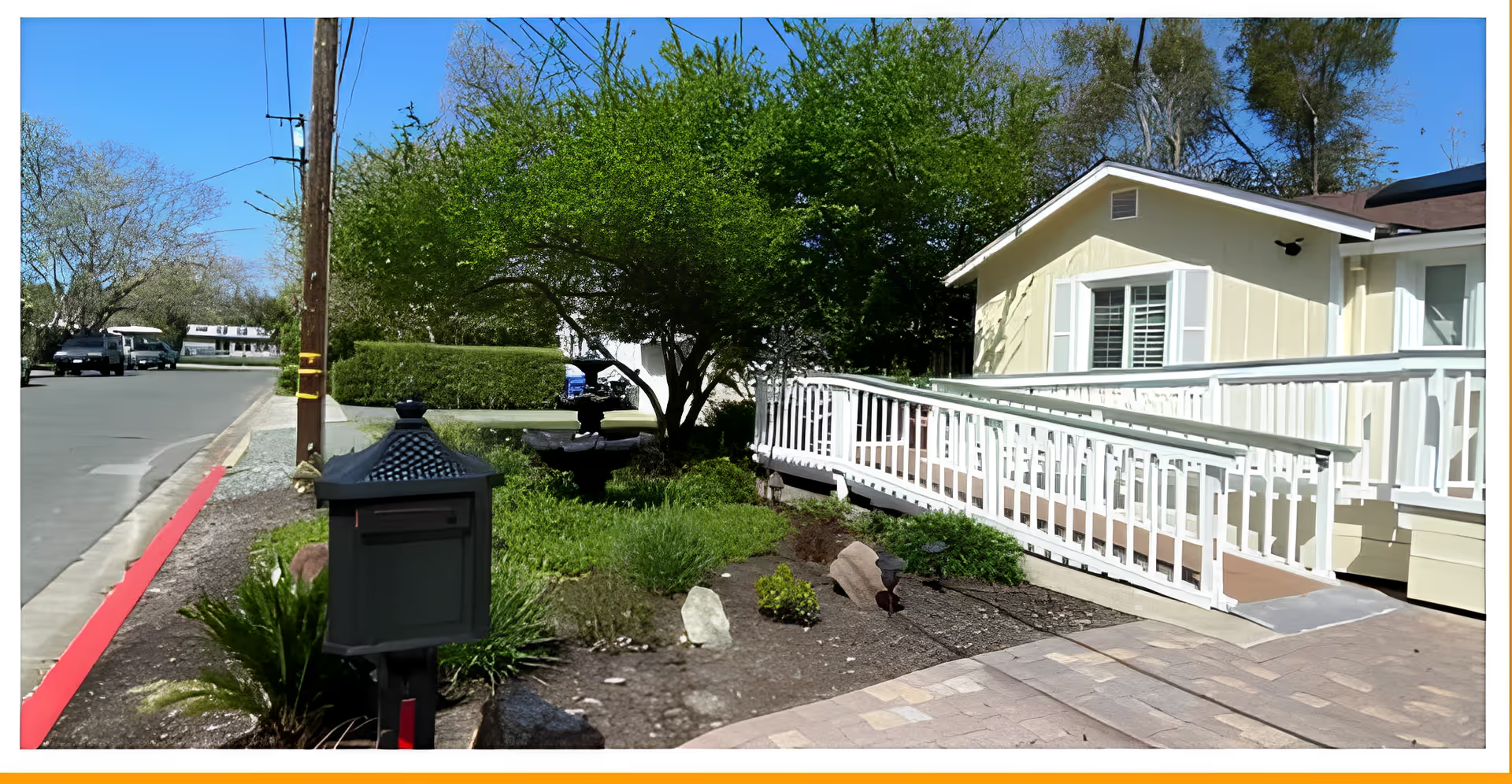
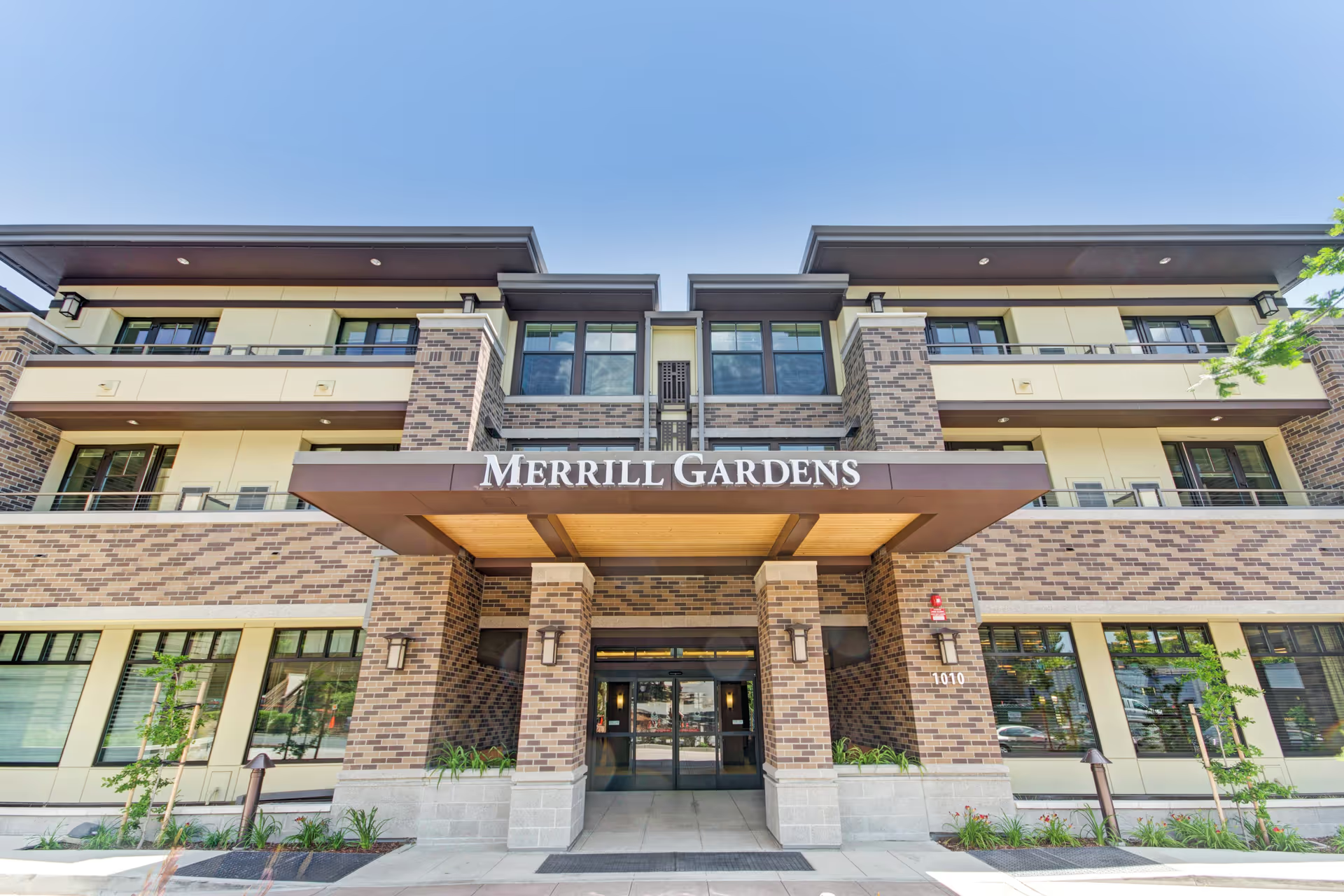
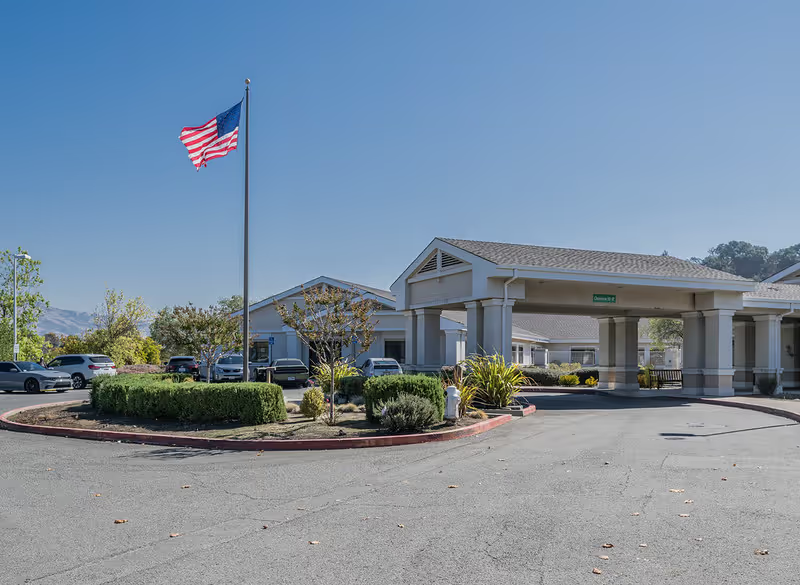
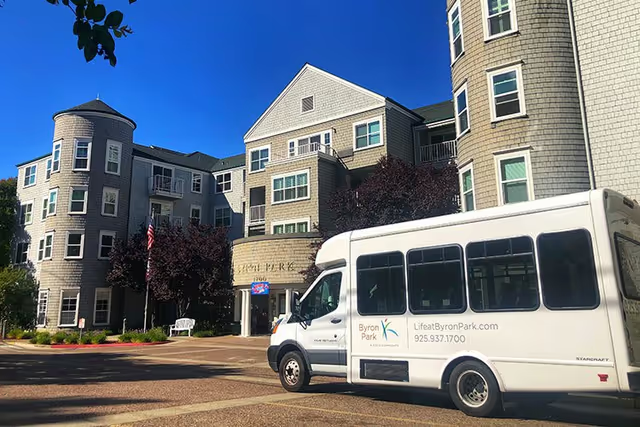
Overall impression: Aegis Living Moraga presents as an upscale, well-maintained assisted living community with a strong hospitality orientation. Many families praise the facility’s appearance, grounds, social spaces and dining program, and several accounts emphasize individualized attention, active engagement opportunities, and an accessible management/concierge presence. The community offers a broad set of social activities, outings and event programming that contribute to a country‑club ambience and frequent family satisfaction.
Care and staff: Reviews indicate a bifurcated pattern in clinical and caregiving performance. Assisted living residents are frequently described as receiving compassionate, attentive daytime care, individualized care plans, and successful medical-management adjustments. Conversely, memory-care services elicit mixed feedback: some families report excellent, attentive memory care while others cite inconsistent dementia-specific training, limited interaction for some residents, and continuity problems caused by staff turnover. A recurring operational concern is lapses in following clinical instructions and medication-related communication between clinicians and front‑line staff; these gaps have been linked by families to additional medical escalation in a subset of cases.
Dining and activities: Dining quality is a consistent strength for many families — with a noted chef, accommodating menus and social dining that helps resident engagement — though a minority describe bland meals or delivery issues. The activities program is generally robust, offering exercise, music, games, outings, and regular social events; however, there is variability in how consistently those offerings are delivered to every resident, and some families find activity levels lower than expected for certain residents.
Facilities and safety: The property is widely commended for aesthetics, cleanliness and comfortable rooms; gardens and interior spaces are seen as attractive and home‑like. Practical infrastructure limitations were raised, including a single elevator, stair access difficulties, and occasional alarm/fire-system issues that families view as potential safety constraints. These items suggest families should evaluate mobility- and emergency‑evacuation logistics in person.
Management, billing and value: Management and intake coordinators receive positive mentions for communication, personalization and transition support; specific staff members are often singled out for helpfulness. Offsetting those strengths are recurring concerns about cost and billing transparency: the community’s deposit and monthly fees are described as high compared with regional alternatives, and several families report opaque charge structures, a confusing points system, unexpected add‑on fees, and difficulty obtaining post‑move billing adjustments. High cost combined with occasional care inconsistencies leads some families to question overall value.
Notable patterns and recommendations: The dominant positive themes are hospitality, dining, a pleasant environment, and hands‑on daytime staff. The dominant negatives are operational: inconsistent dementia-care competency, staff turnover, billing opacity, and intermittent safety/infrastructure constraints. Prospective residents and families would be well served to (1) verify memory‑care staffing levels, dementia training and shift coverage, (2) obtain a detailed, itemized fee schedule and written explanations of the points system and potential post‑move increases, (3) meet primary caregivers across shifts (including nights) to assess conduct and responsiveness, and (4) tour mobility and emergency routes (elevators, stairs, alarm systems) to confirm they meet the resident’s needs. These targeted inquiries will help reconcile the facility’s clear strengths in hospitality and individualized assisted‑living care with the operational risks that families have identified.