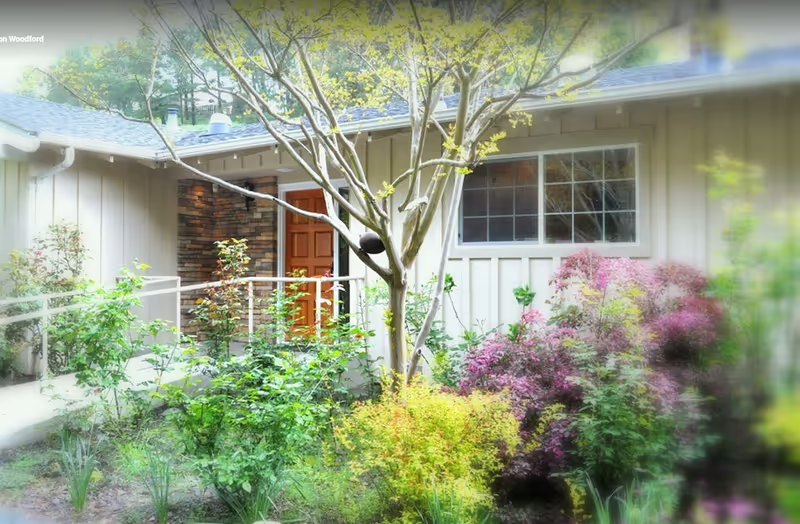
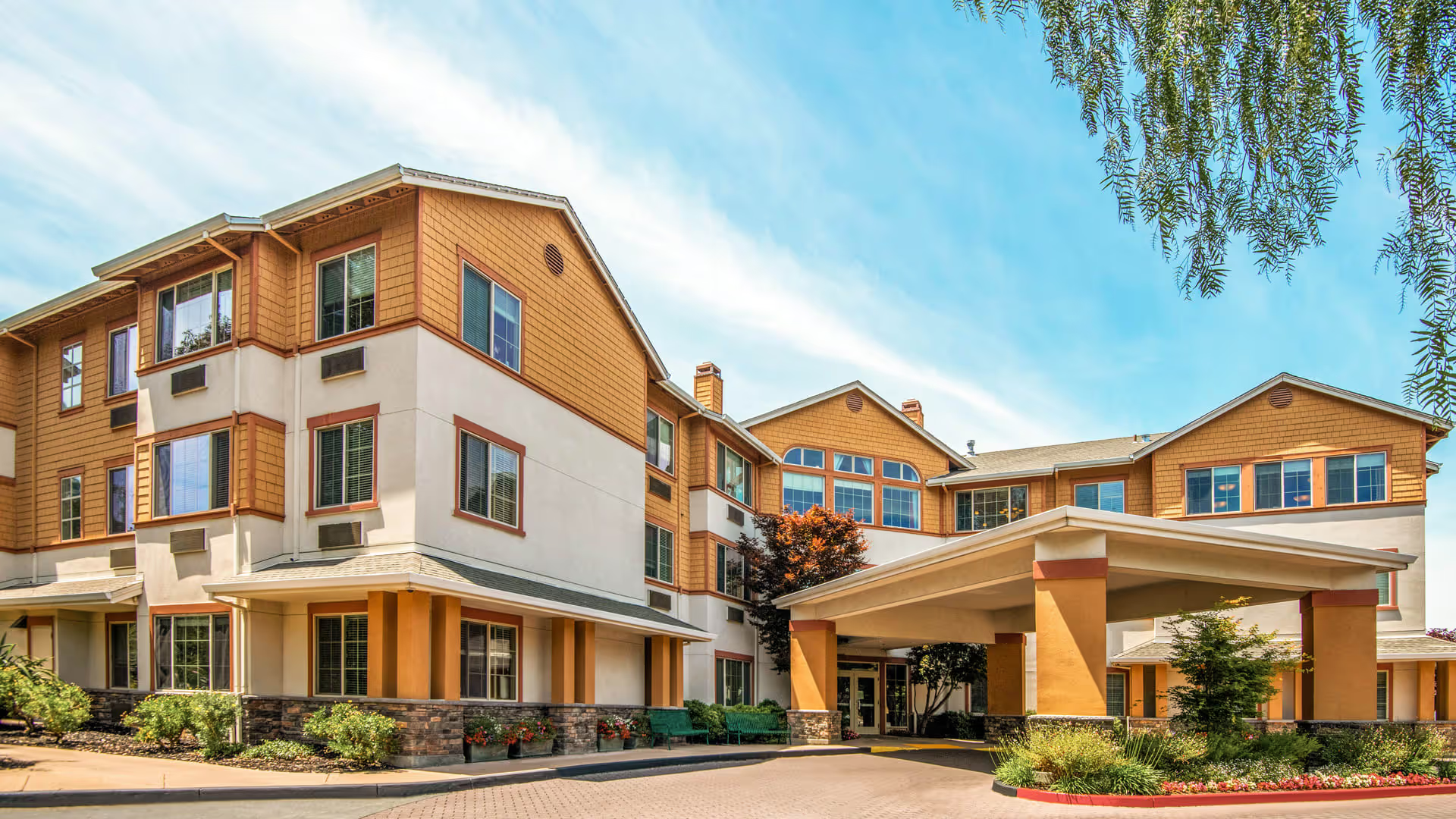
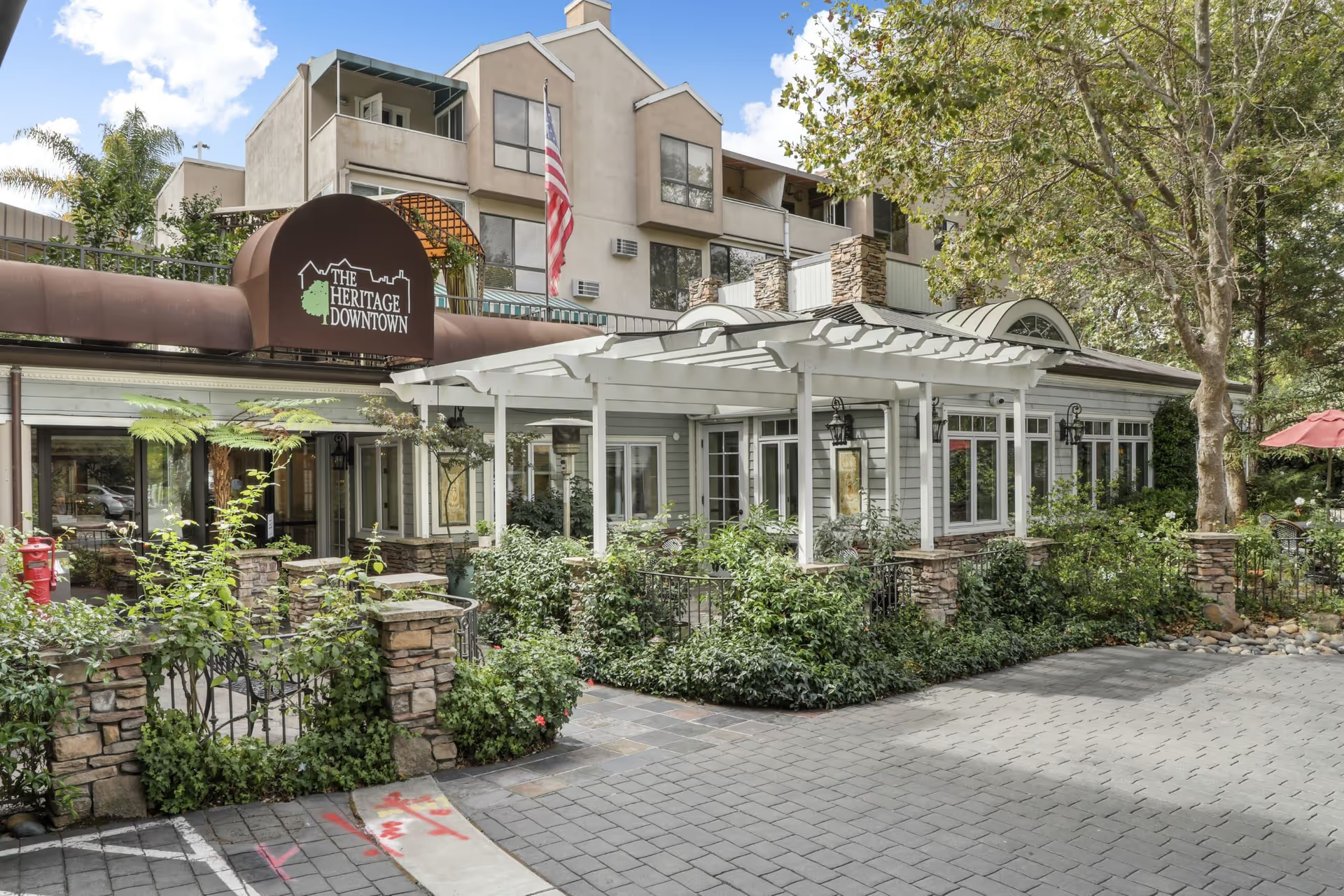
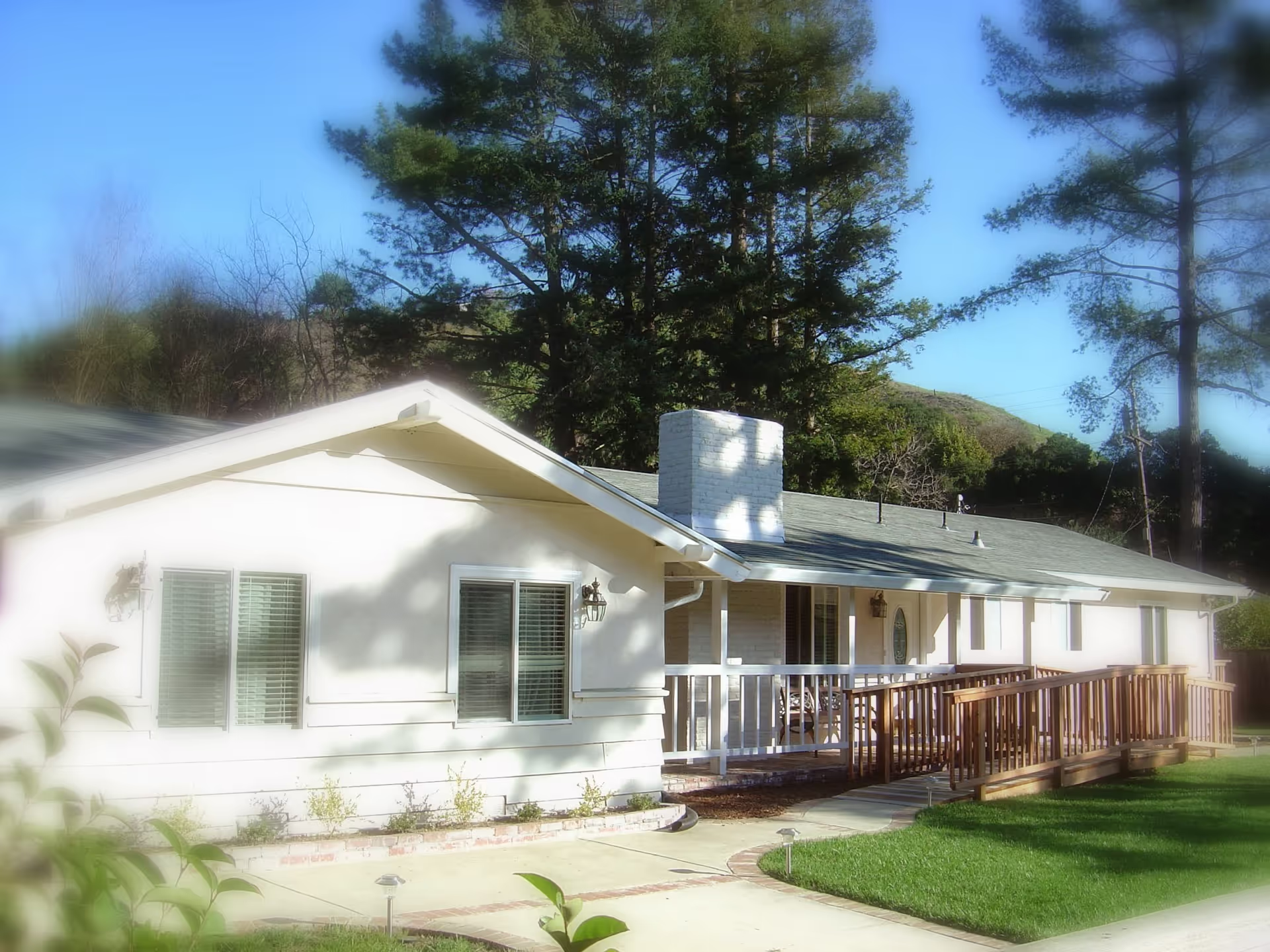
Lafayette Gardens is consistently described as a small, home-like assisted living environment with a strong emphasis on personalized care. The facility's scale (five to six residents per home) and private, fully furnished rooms contribute to a family-style atmosphere that many families find comforting. Rooms and common areas are repeatedly characterized as bright, roomy, and well maintained; an accessible deck and a sunny patio are commonly cited as positive features that support outdoor time and light activity.
Care quality is a central strength in these assessments. Reviewers frequently highlight compassionate, attentive caregivers and active owner-operator involvement, with staff often knowing residents by name and coordinating closely with nurses, therapists, and hospice providers. Several families noted successful coordination for PT/OT and nurse visits, availability of hospital-style equipment when needed, and timely recognition of medical changes. At the same time, there are indications of variability in day-to-day responsiveness: some families expressed that staff attentiveness fluctuated, and a few wished for more intensive assistance for higher-need residents. These comments suggest that while clinical coordination is generally strong, care intensity and response times can be uneven depending on circumstances.
Dining and activities reflect the home's small-scale, individualized approach. Meals are described as home-cooked from scratch and often tailored to residents' preferences, with positives noted for food quality and presentation. Activity programming is less clearly defined across reviews: many families reported that residents can choose their own activities and benefit from outdoor time and informal social interaction, but there is limited evidence of structured or regular group programming. Prospective families should clarify activity schedules if structured engagement is important.
Facility management draws praise for hands-on ownership and communication; owners are described as responsive, involved in daily care, and helpful with benefits processes. There are, however, occasional concerns about sales and billing practices, including perceptions of upselling or pressure during admissions discussions and some inconsistency in billing communication. The home’s small capacity is also a practical limitation—waiting lists were mentioned, which may affect placement timing.
Notable operational patterns to weigh: the home’s size and culture produce a consistently warm, personalized environment, a major advantage for those seeking a homelike, tightly managed setting. Conversely, the same small scale can contribute to variability in staffing responsiveness, limited formal activity programming, and availability constraints. There are a few isolated sanitation or odor-control concerns reported; these do not dominate the overall narrative but should be clarified during a tour. In summary, Lafayette Gardens is often recommended for families seeking individualized, compassionate care in a clean, homelike setting, while families requiring highly structured activities, guaranteed high staffing ratios, or immediate placement may want to probe these specific operational areas during their evaluation.