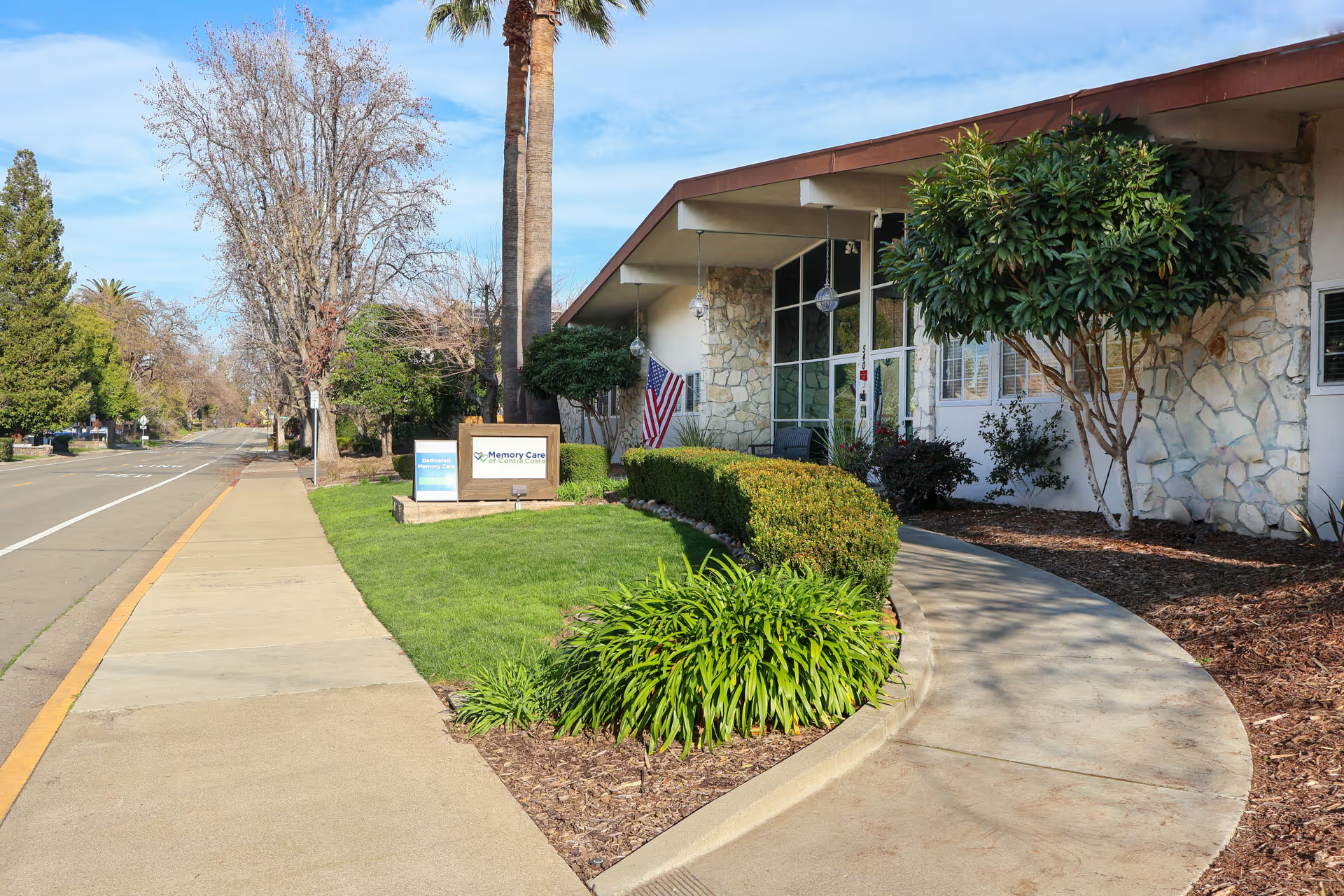
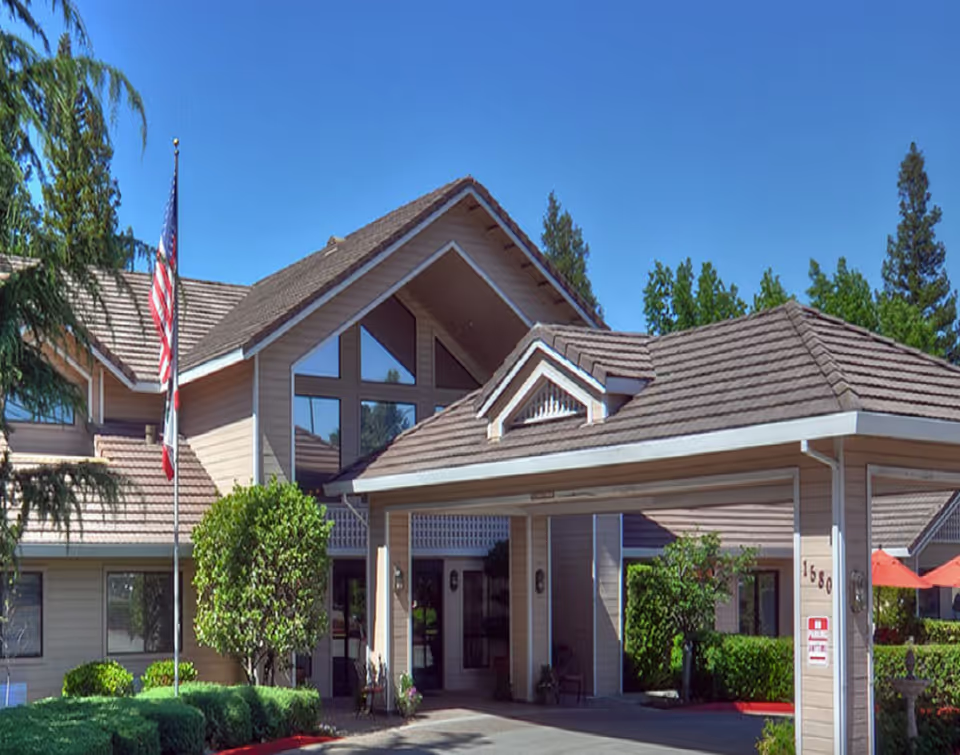
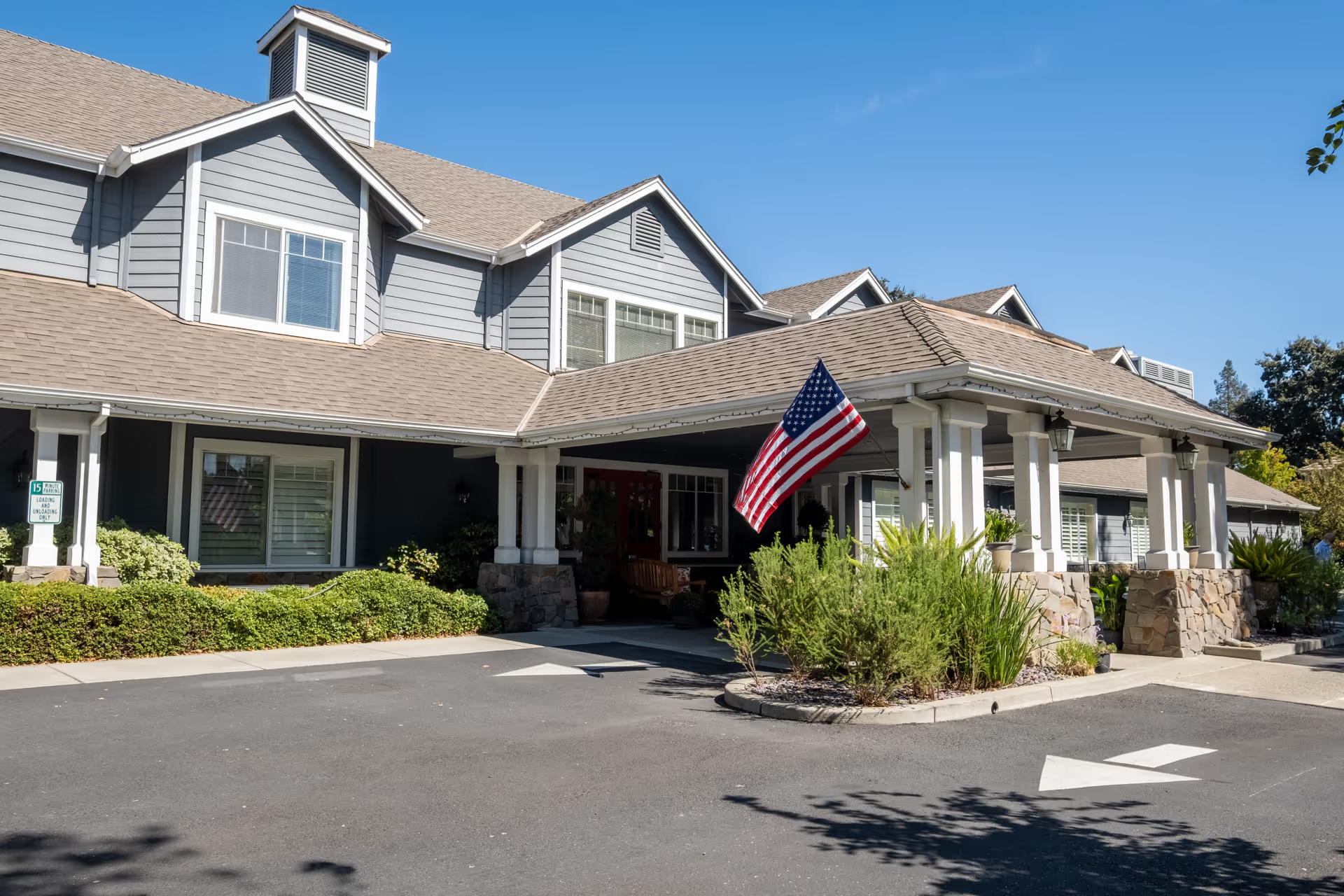
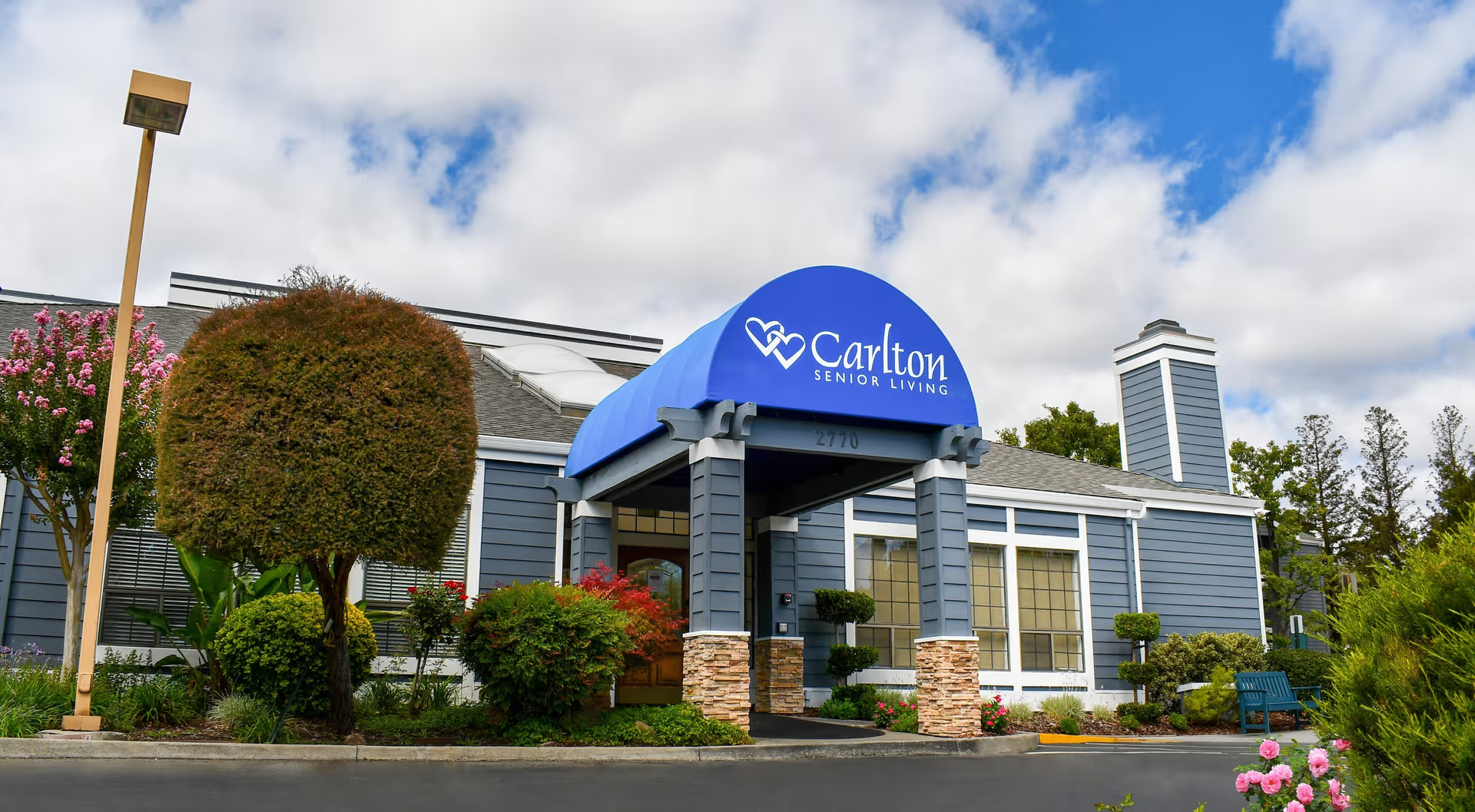
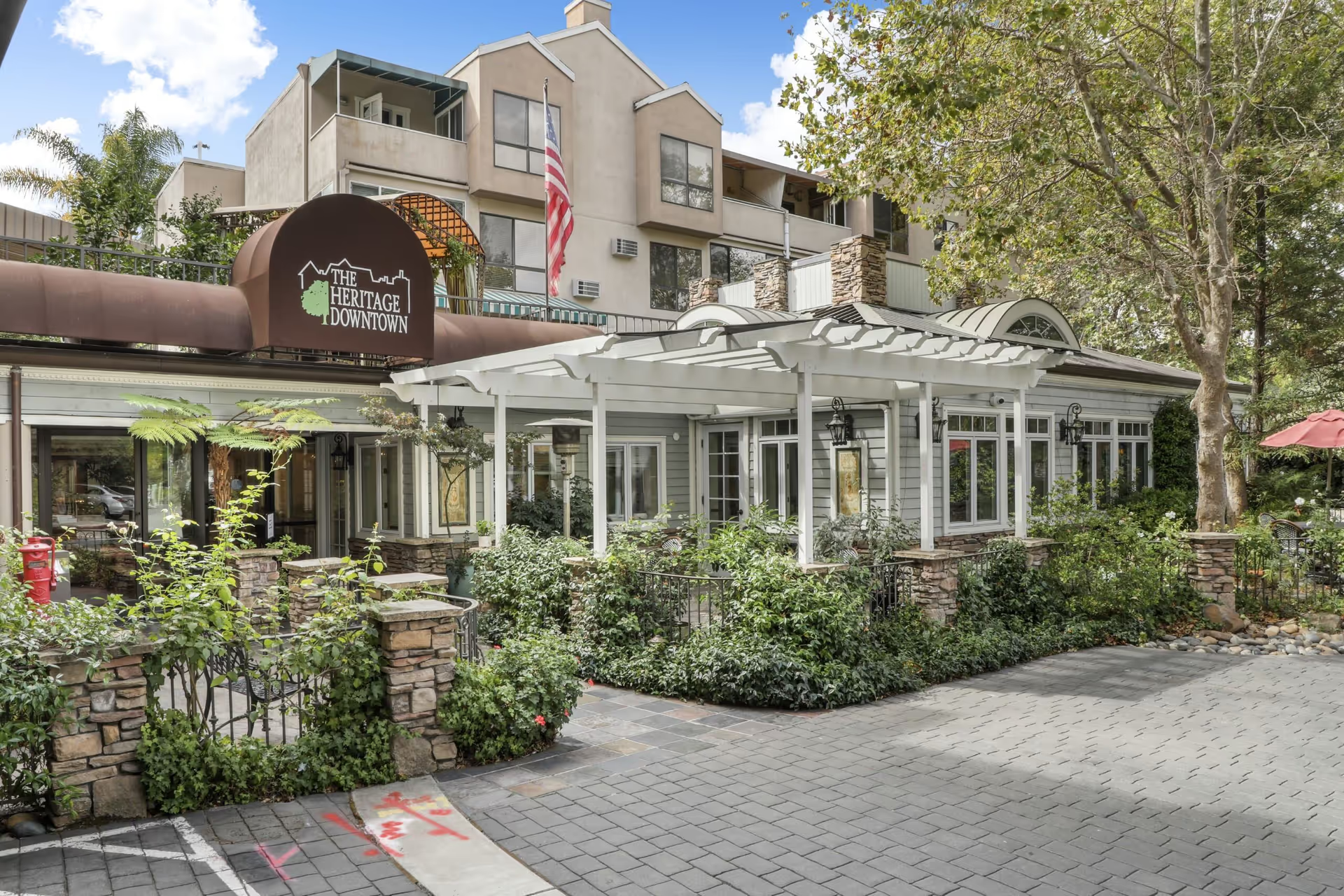
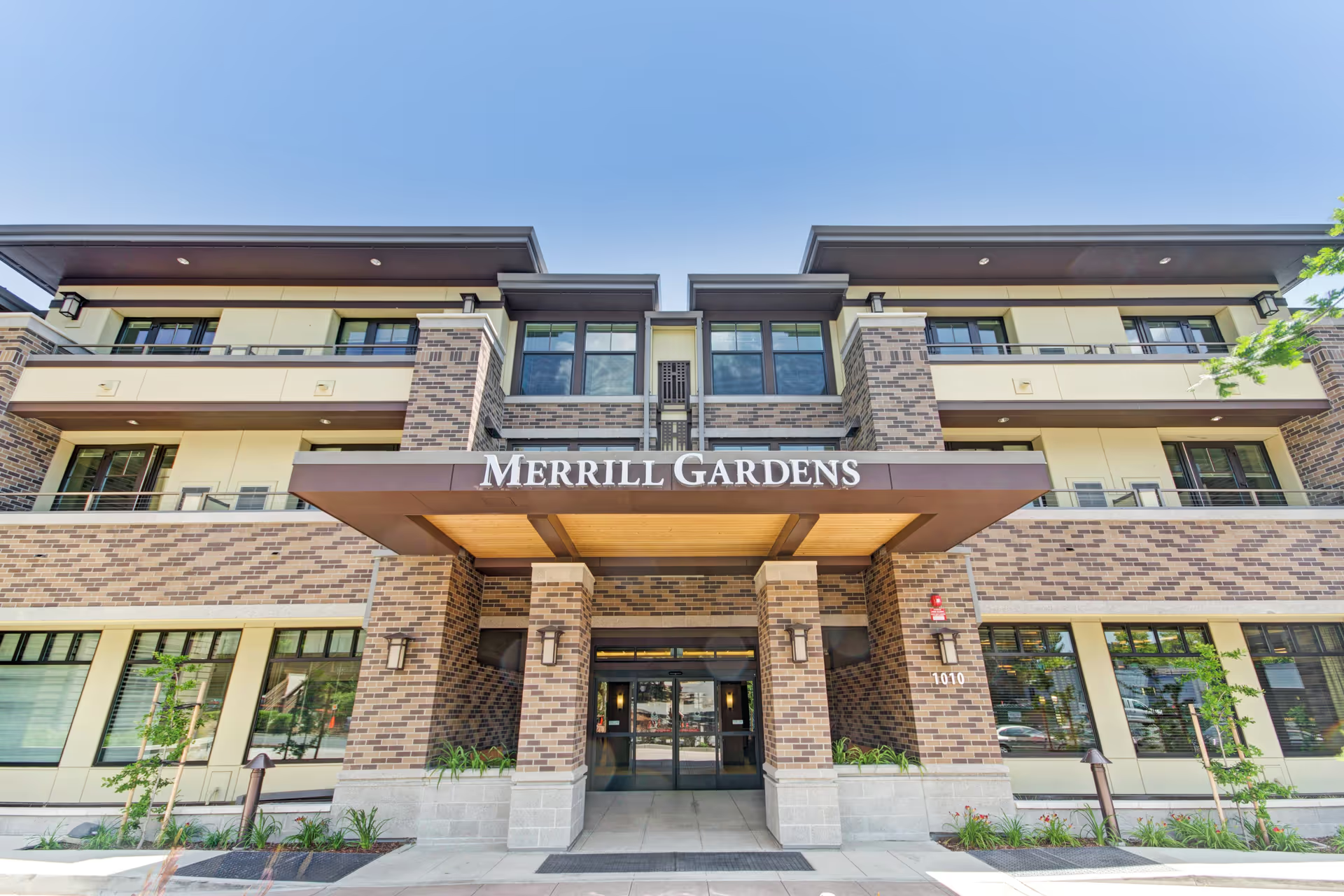
Atria Park of Lafayette is consistently described as a clean, upscale community with resort-like common areas and attractive, tree-lined grounds. Reviewers commonly highlight the facility’s bright décor, high ceilings in some areas, and a range of on-site amenities including a movie theater, beauty salon, billiard room and library. The community scale — often characterized as small-to-medium — contributes to a homey atmosphere and enables staff to know residents by name.
Care and staff are central strengths in most accounts. Many families describe caregivers and leadership as compassionate, attentive, and responsive; the activities director and specific staff members receive frequent praise. The community offers a clearly designed memory-care unit with an enclosed garden and reports of one-on-one attention there. On-site clinical presence (nurses, daily med techs, visiting podiatrist) and routine communication with families are frequently noted as positive aspects.
Dining and activities are notable selling points but show mixed experiences. The community provides elegant dining rooms, accommodates special diets, and runs a rich activities calendar with live music, field trips and themed socials. At the same time, reviewers mention inconsistent food quality, menu choices perceived as heavy or not sufficiently healthy, occasional reductions in options, and disruptions to communal dining during infection-control events. Activity programming is generally strong, though some visitors observed limited options on weekends or during COVID-related restrictions.
Facility features and living units draw both praise and criticism. Apartments and studios are described as clean and well-appointed, but many are small and have limited private outdoor access or no balconies; kitchenettes are frequently described as minimal. The grounds, enclosed courtyards and patios are appreciated, but family dining and visitor seating can be constrained. Maintenance and remodeling efforts are ongoing in some areas; while overall upkeep is praised, a number of accounts cite instances of unfulfilled maintenance promises.
Management and operations show a mix of responsiveness and operational gaps. Administrative teams are often described as helpful and willing to coordinate quick moves, and promotional pricing has been used to ease transitions. However, several operational weaknesses emerge across reviews: variability in staffing and turnover that affects continuity of care, coordination problems in housekeeping and service scheduling, and concerns about medication-administration consistency and timing. The community also enforces admission criteria that limit acceptance of residents who require total physical transfers (Hoyer lift dependence), making it less suitable for people needing high-dependency skilled nursing services.
Overall pattern: the facility appears well suited for prospective residents seeking an attractive, activity-rich environment with personalized attention and strong front-line caregiving. Prospective families should weigh that favorable culture against practical constraints: relatively high costs, smaller apartment sizes, variable dining experiences, and operational issues that could affect residents who need higher levels of clinical support or very consistent medication and nighttime care. A focused tour that reviews transfer policies, medication protocols, staffing continuity, and specific apartment layouts will help determine fit for individual care needs.