Overall impression: Aegis Living Pleasant Hill elicits strongly mixed impressions. Many families and residents describe a warm, small, and well-maintained community with attentive, long-tenured staff and a robust schedule of social and cultural programs. At the same time, several operational patterns raised consistent concerns — most notably around memory-care supervision, staffing levels for personal care needs, communication, and financial transparency.
Care quality: Clinical experiences vary by unit and by shift. Positive accounts emphasize attentive caregiving, dignity-focused support, and effective end-of-life care. Concerns cluster in the memory-care/more-supportive units: families reported lapses in supervision, delays attending to toileting and bathing needs, and uneven follow-through on promised updates. Medication-administration competence also appears variable; some med technicians are described as excellent while others are perceived as inexperienced. These differences suggest performance variability across staff and shifts rather than uniform clinical practice.
Staff and communication: Numerous reviews praise staff warmth, personalized attention, and a family-like culture; Spanish-speaking staff and long-tenured employees are noted strengths. Conversely, reviewers also describe episodic delays in responsiveness (including unresponsive call-button experiences), lapses in notifying families of medical events, and unmet commitments for regular updates. Language barriers and inconsistent communication practices have contributed to family frustration in some cases. Management involvement is cited positively by many families, though others point to unresolved communication and follow-up issues.
Dining and activities: The community offers a wide range of activities — daily exercise, music programs, arts and crafts, themed events, theater showings, outings, and social games — which reviewers frequently cite as a strong point. Dining is likewise a mixed area: several reviewers commend restaurant-style service, attractive presentation, and nourishing meals, while others note inconsistent quality, limited variety (for example, a lack of fresh fruit), and reports of decline in meal satisfaction in certain care units.
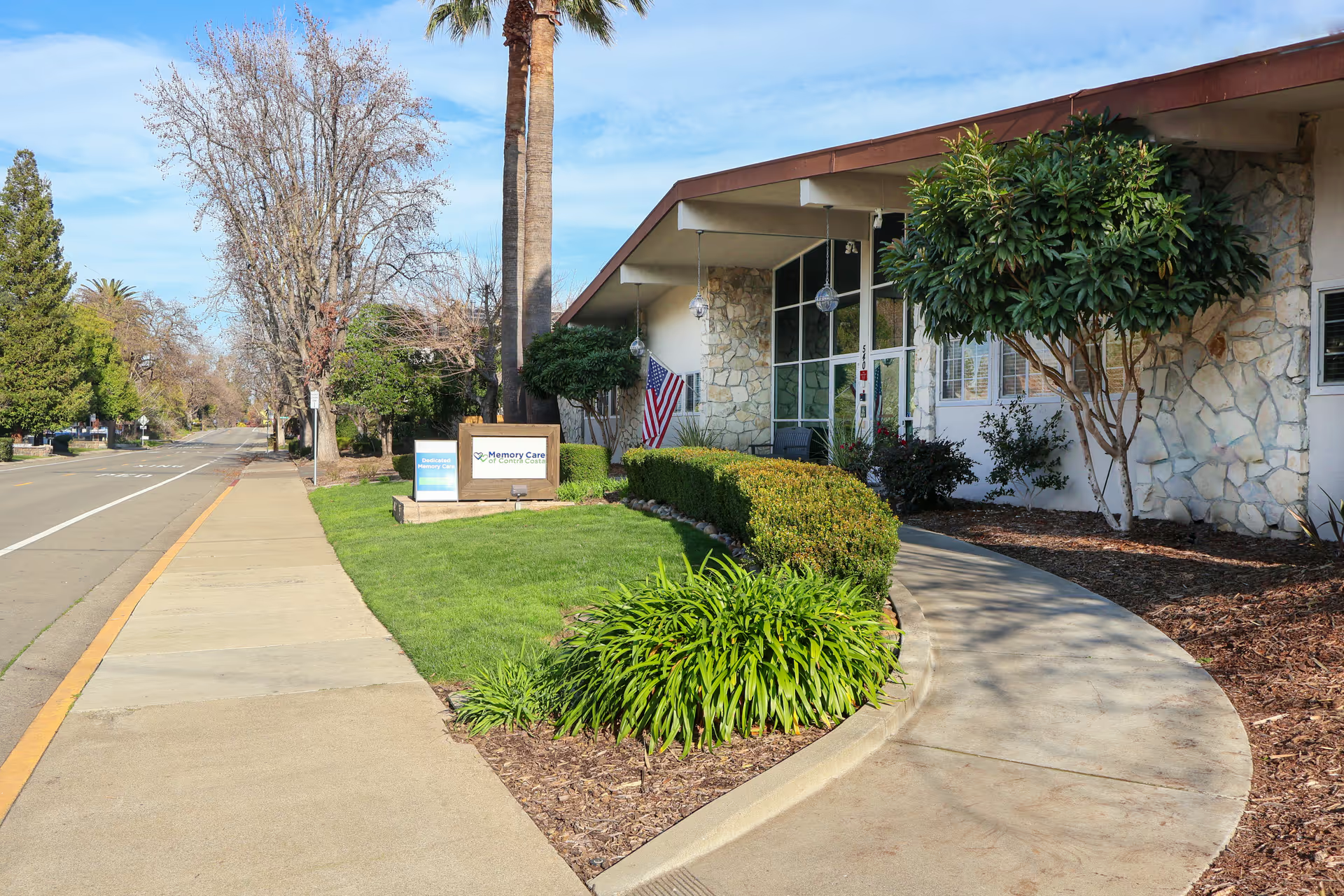
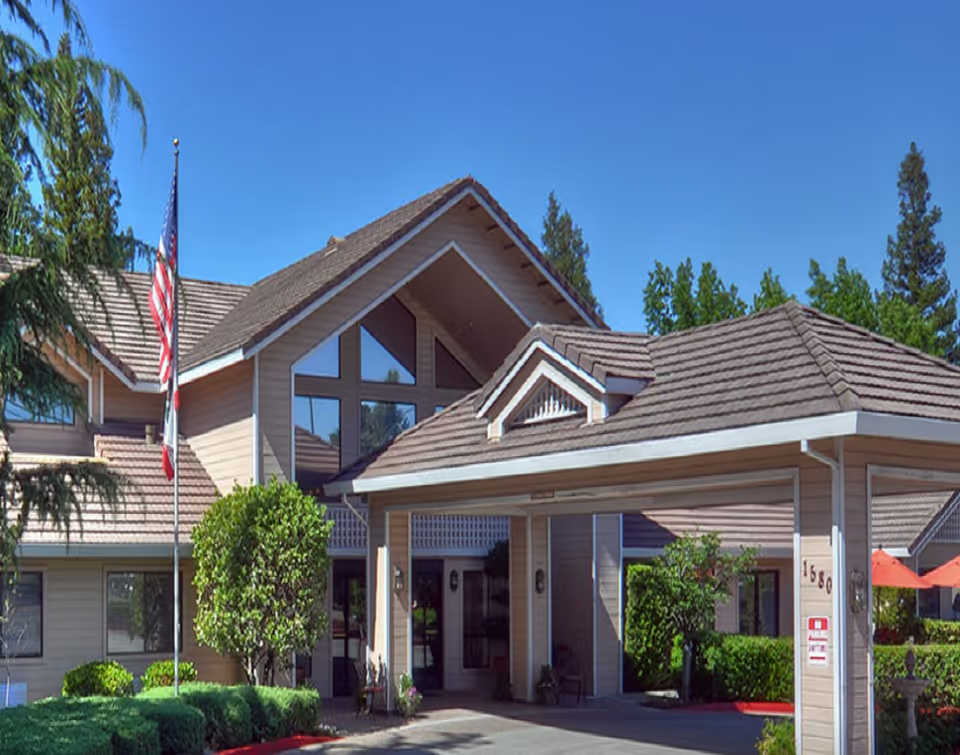
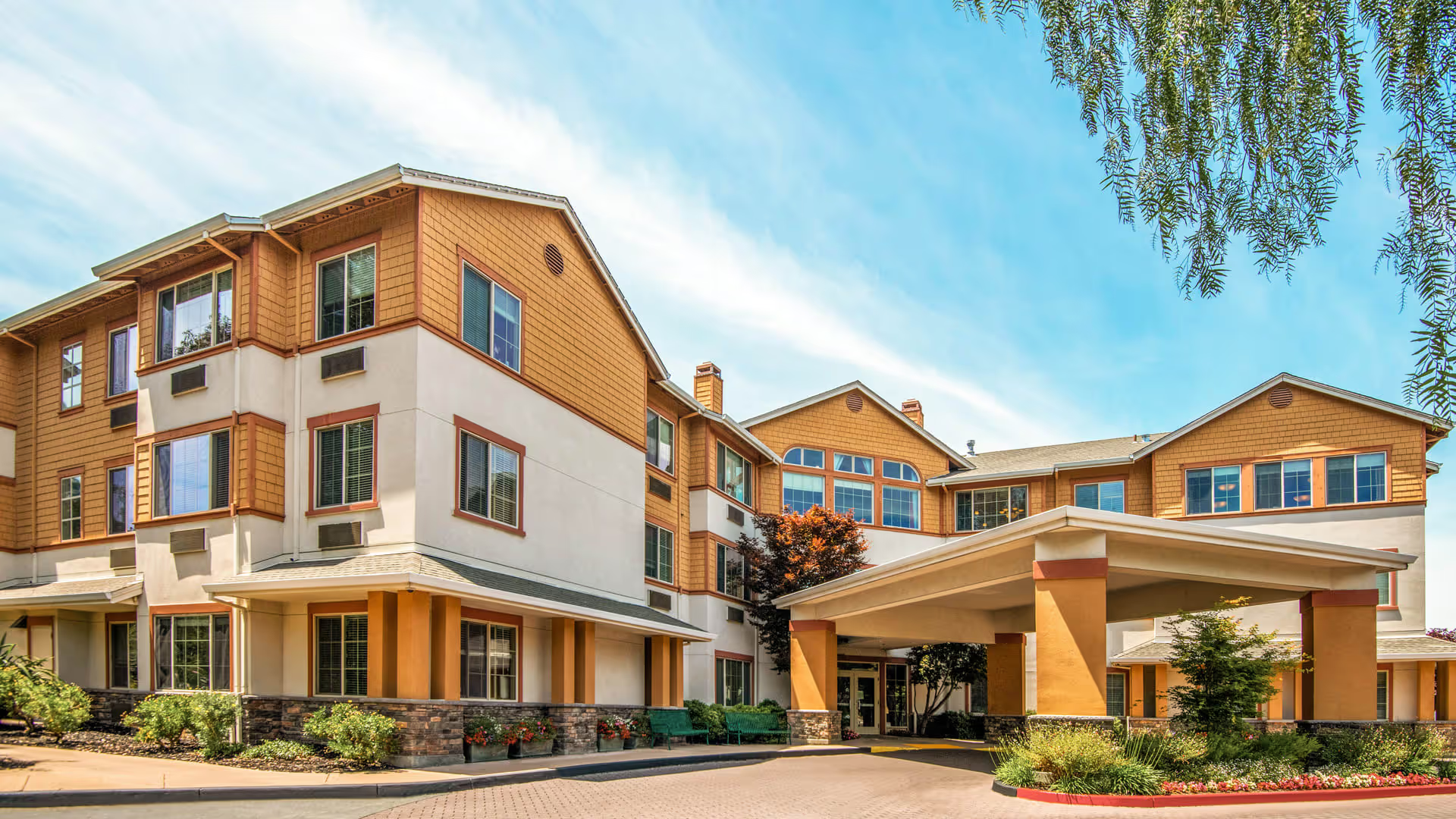
Facilities and amenities: The physical environment is consistently described as clean, attractively decorated, and compact in scale, with pleasant outdoor spaces, gardens, and a comfortable courtyard. Apartments with kitchenettes are a positive feature for many. Some facility-level limitations were noted: temporary maintenance issues (for example, elevator work requiring stairs), patio or outdoor access restrictions, and locked areas that affect movement and visitation. A few reviewers raised sanitation and supply concerns in dining areas and bathrooms that warrant targeted attention.
Management, billing, and costs: Management visibility and hands-on leadership receive commendation in many accounts. However, financial transparency is a recurring concern: reviewers describe billing inconsistencies, unexpected final charges versus initial quotes, and ongoing rent increases that exceed expectations. These issues affect perceived value and should be clarified during the tour and contracting process.
Notable patterns and practical guidance: The reviews form a bimodal picture — a substantial group describing a thriving, caring community and another group documenting operational weaknesses that materially affected trust and safety, especially for residents with dementia or high personal-care needs. Prospective families should tour the memory-care unit during active hours, ask for staff-to-resident ratios by shift, request examples of medication-staff training and supervision, review billing policies and historical rent-increase practices in writing, and obtain clarity on emergency-notification procedures. These targeted questions can help align expectations with the facility's strengths and identify whether it is a good fit for a particular level of need.