Overall impression: Feedback indicates that Memory Care of Contra Costa delivers strong, person-focused memory care driven largely by a committed caregiving team and engaged leadership. Families repeatedly describe caregivers as patient, nurturing, and respectful; many note that staff promote resident agency, build trusting relationships, and provide emotional support that yields peace of mind for families. The facility's memory-care focus, on-site pharmacy, and coordinated hospice transitions are also frequently cited as positive components of clinical continuity.
Care and staff: The dominant theme across comments is praise for direct-care staff and administrators—descriptions emphasize empathy, skill, patience, and responsiveness to everyday needs. Staff are credited with maintaining dignity for residents, providing individualized attention, and communicating effectively with clinicians when needed. That said, there are recurring operational concerns about staffing consistency and availability at certain times; these suggest the potential for uneven supervision or delays in response during specific shifts or circumstances.
Dining and activities: The facility offers a broad schedule of activities and in-person entertainment (movies, games, live performers), which families view as engaging and beneficial for residents' socialization. Meals are generally described as nutritious and enjoyed by many residents, though there are occasional comments about meal seasoning and dining-area comfort (temperature and seating). Activity programming and social offerings are consistently highlighted as strengths that contribute to a home-like atmosphere.
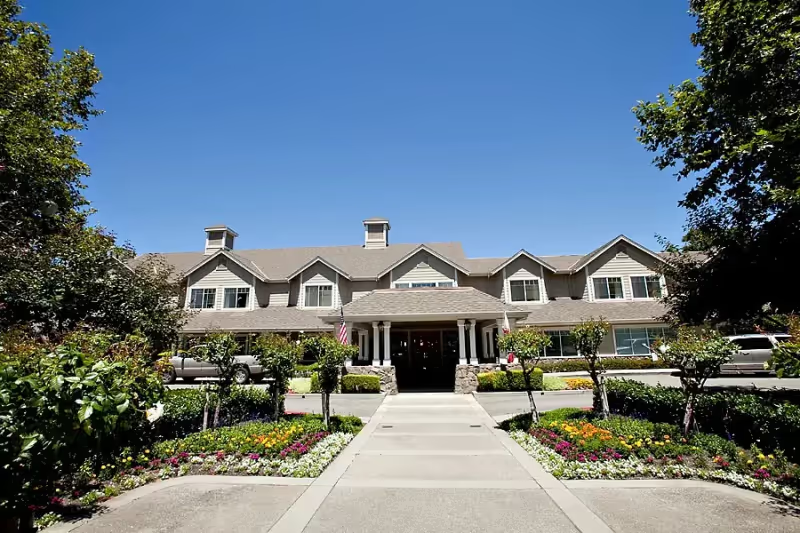
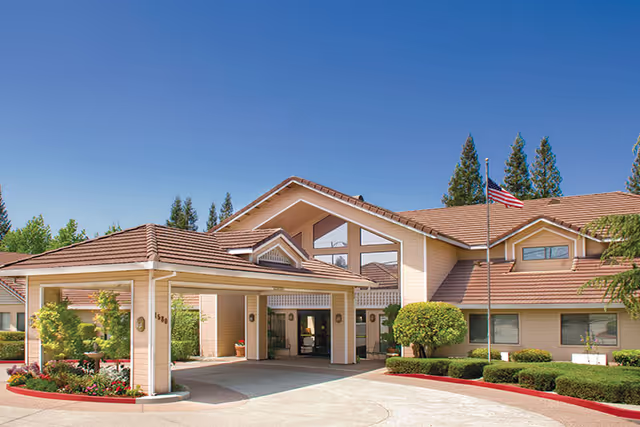
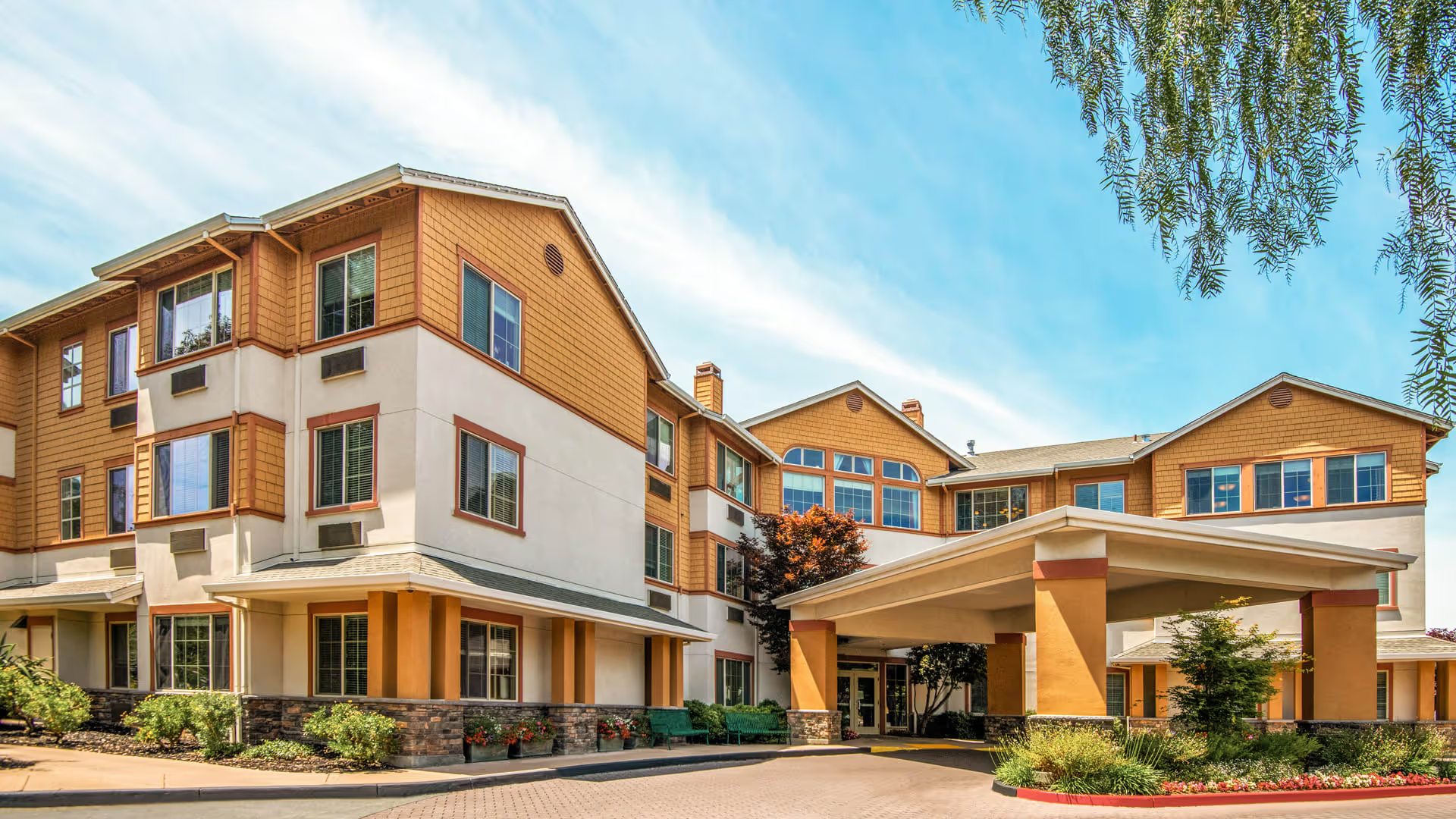
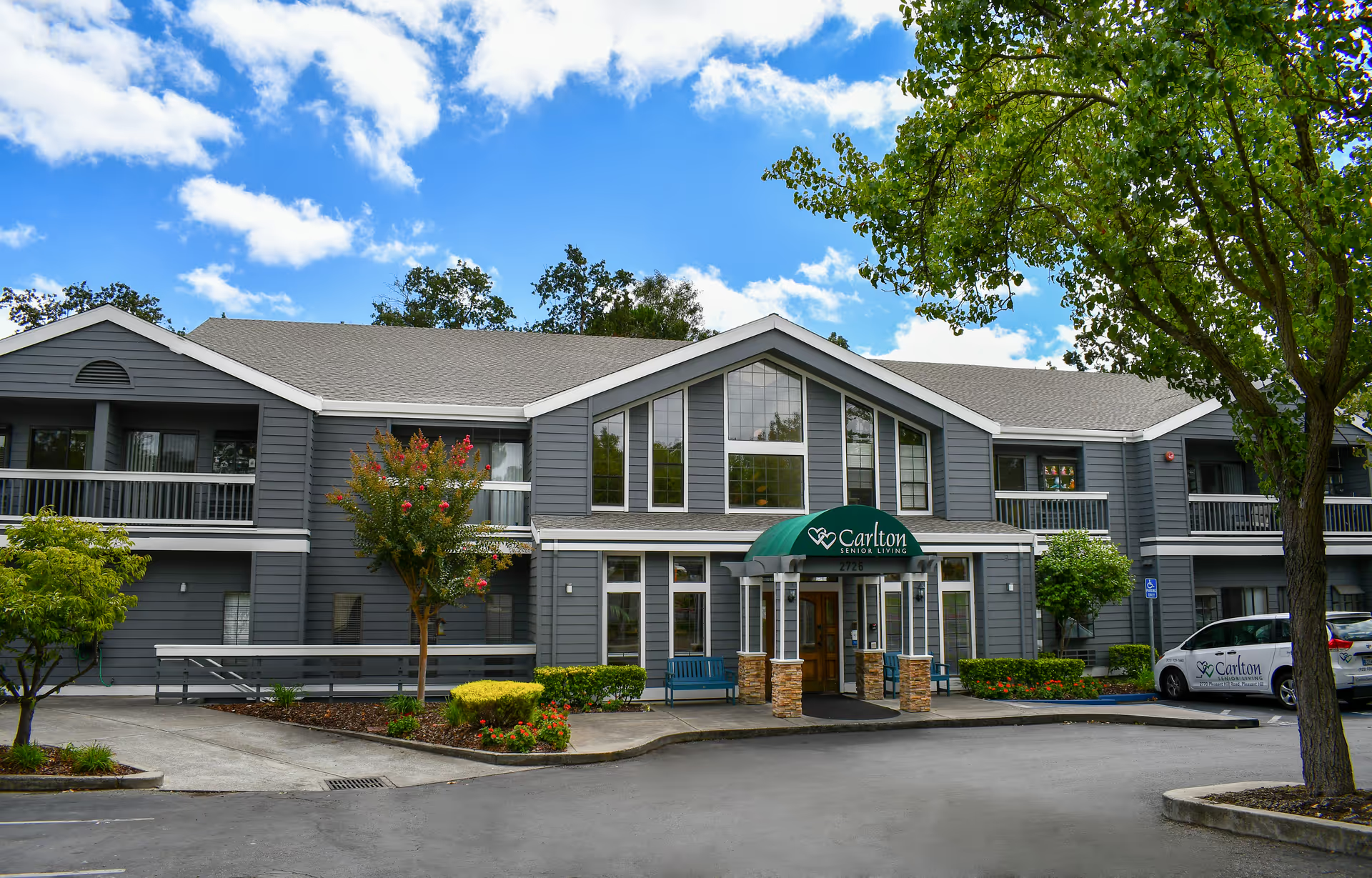
Facilities and safety: Physical accommodations are a mixed picture. Multiple accounts praise clean, home-like common areas, an inviting central courtyard, and rooms with patio access. Other feedback describes parts of the building as dated, darker in common areas, or variably maintained across units. Safety features such as locked-access controls and structured routines contribute to a secure memory-care environment; however, those same access controls have been described as distressing in certain situations, suggesting the need for clearer policies and family communication about exit/entry procedures.
Management and operational patterns: Leadership responsiveness is commonly praised—families note timely replies to special requests and hands-on administration. Conversely, patterns have emerged around equipment maintenance (notably oxygen/concentrator battery oversight) and communication/ escalation when clinical or safety concerns arise. A few families experienced difficulty with contractual or refund processes, indicating that billing and contract flexibility may be limited. Overall, coordination with physicians and hospice is frequently cited as seamless and supportive.
What to watch for during a tour: Given the mix of strong caregiving and a few operational gaps, prospective families should verify staffing levels and supervision practices for the unit and shifts of interest; confirm protocols for medical-equipment maintenance and emergency oxygen support; ask about door-control/exit policies and how resident distress is mitigated; and review contract, billing, and refund terms. For families seeking attentive, memory-focused care with robust activity programming and clinical coordination, this facility's staff strengths are a clear asset, but attention to the operational items above will help set expectations and reduce potential risks.