Overall impression: Feedback about Bella Villaggio is mixed but leans positive on clinical care, physical environment, and amenities while identifying operational gaps that affect day-to-day resident experience. Reviewers commonly praise the facility’s dementia and memory-care capabilities, organized medication processes, and an active program of social and therapeutic activities. At the same time, recurring operational themes include staffing instability, inconsistent dining service, and variable responsiveness from middle management.
Care quality: Many accounts highlight competent clinical oversight and an attentive memory-care team. Families note hourly checks, proactive medication management, and nursing staff who provide updates to responsible parties. The memory-care unit and related programming are frequently described as strength areas, with reviewers noting educated staff and a sense of family among caregivers. However, operational challenges such as intermittent staffing shortages and the need for occasional reminders about resident needs suggest variability in day-to-day consistency of care.
Staff and culture: The staff experience is described as uneven. Numerous comments praise compassionate, professional caregivers and specific staff members who facilitate smooth transitions and strong family communication. Counterbalancing that, there are recurring mentions of high turnover among aides, periods of being short-staffed, and instances of brusque or unaccommodating tone from some employees. These patterns point to workforce stability and supervisory support as important determinants of resident experience at this campus.
Dining and nutrition: Dining quality is described positively in many accounts — with references to excellent food and a luxury dining experience — but there are also repeated notes about inconsistent meal delivery, menu stagnation, and occasional unavailable menu items. The operational implication is that while kitchen and dining offerings can be strong, service continuity and menu variety are areas that have experienced lapses.
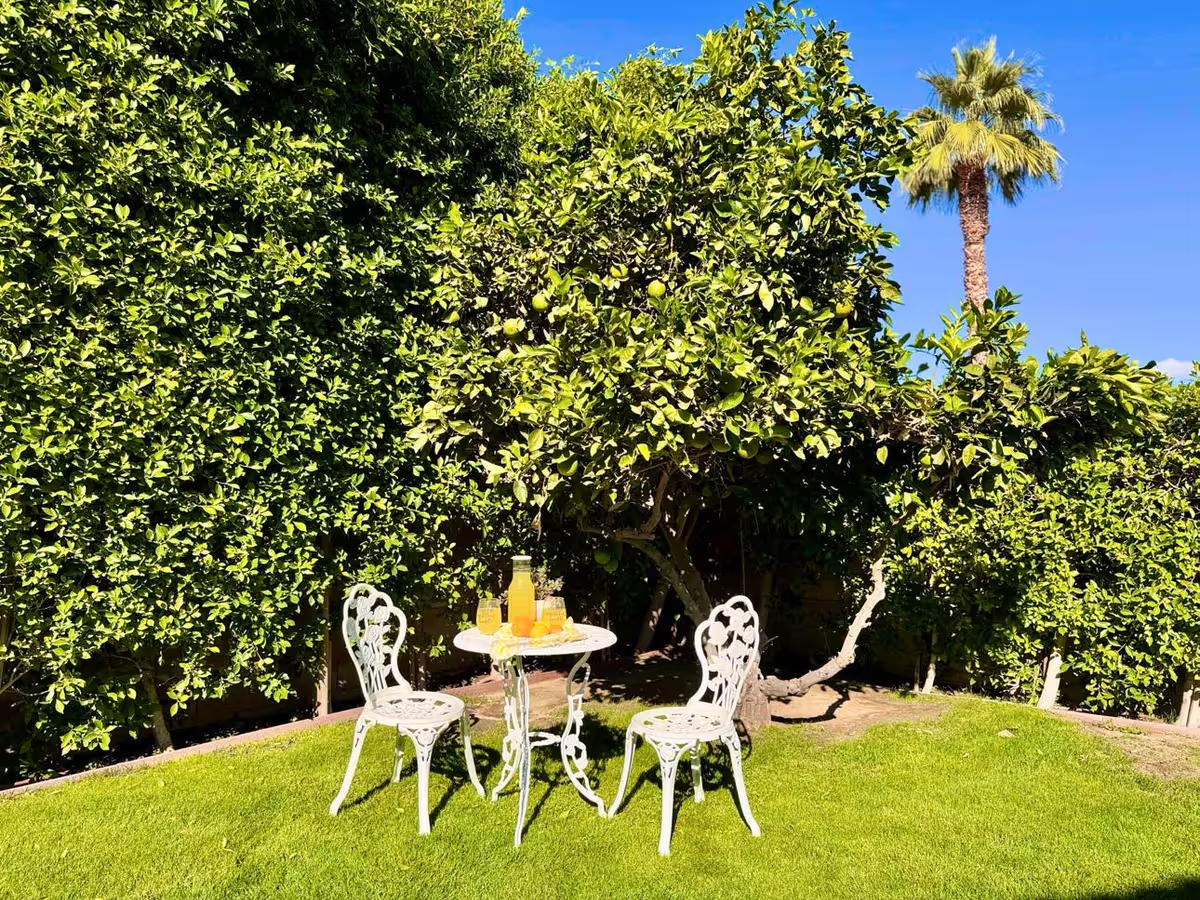
Activities and social life: The facility scores well on activities and social engagement. Reviewers describe a wide variety of events, roomy living and dining spaces, intermingling among residents, and access to outdoor gardens and walking areas. The secured garden, pool, and multiple outdoor seating spaces are cited as meaningful quality-of-life assets, supporting socialization and safe outdoor access for residents.
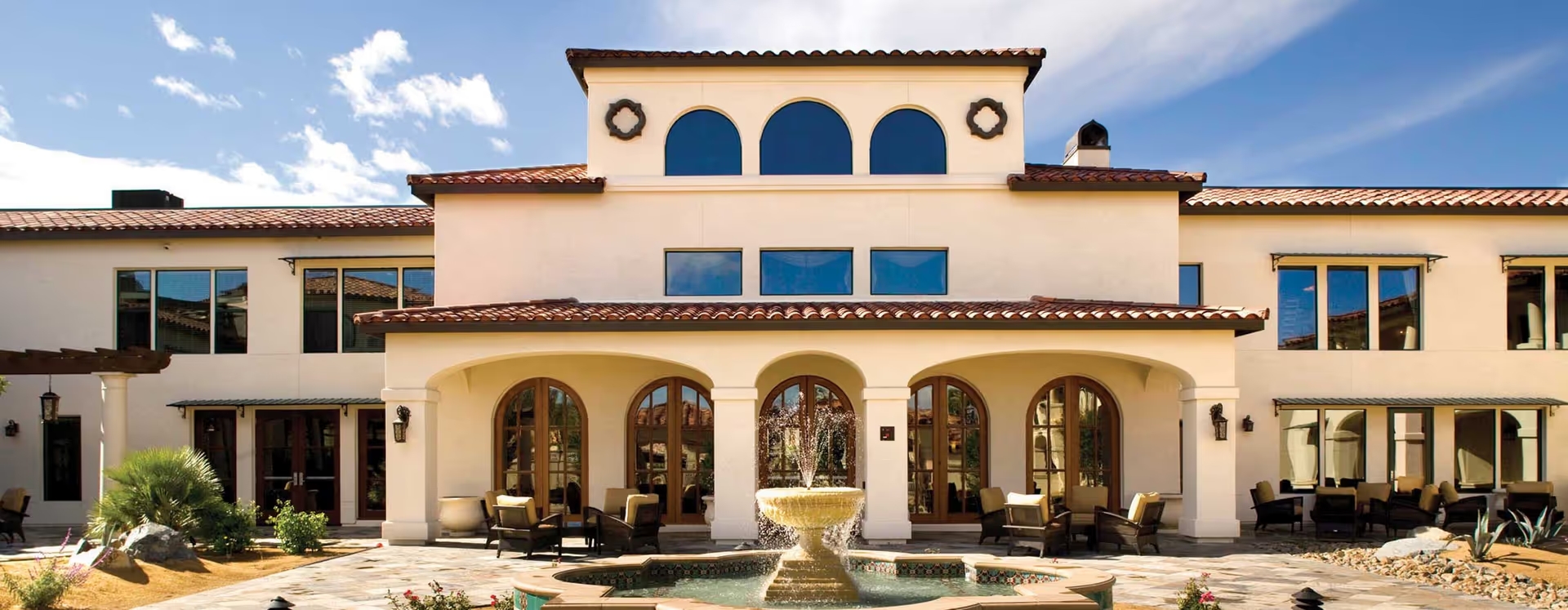
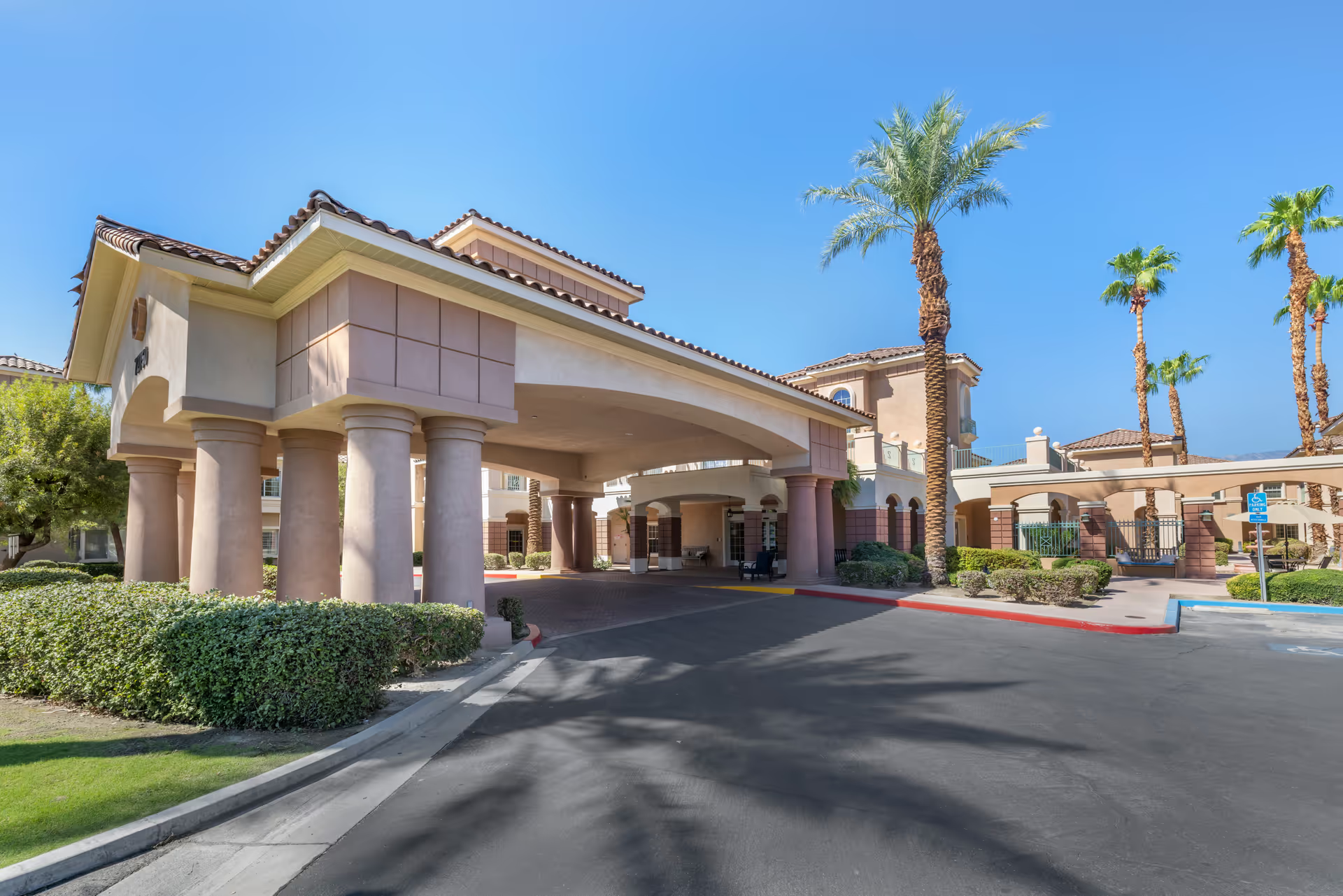
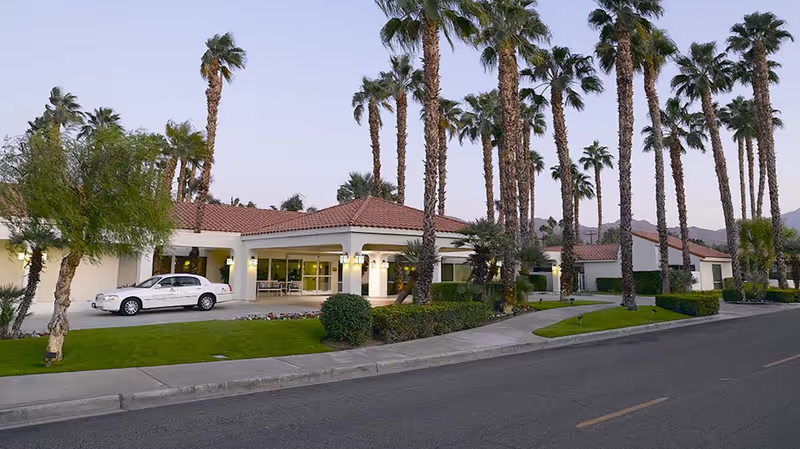
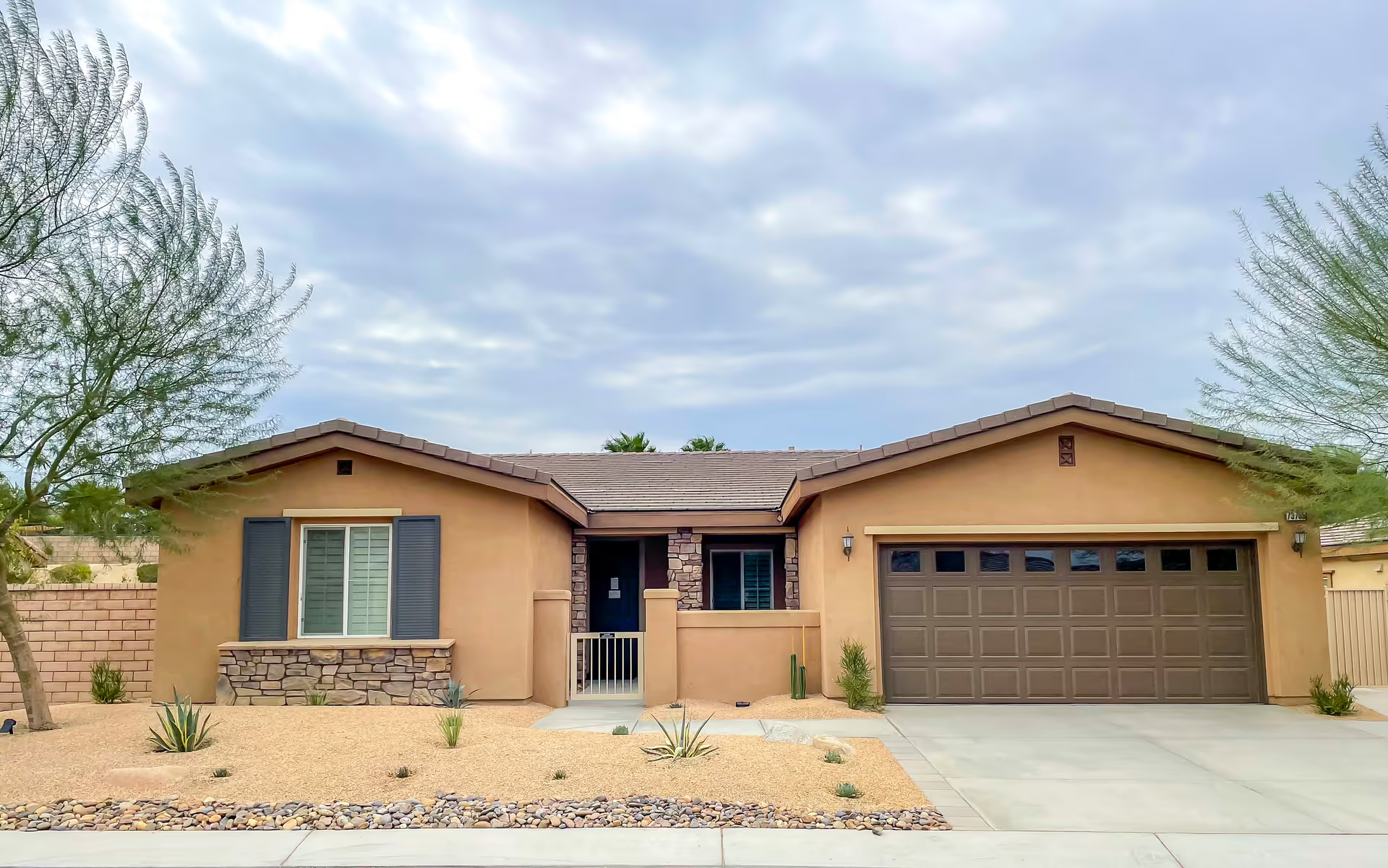
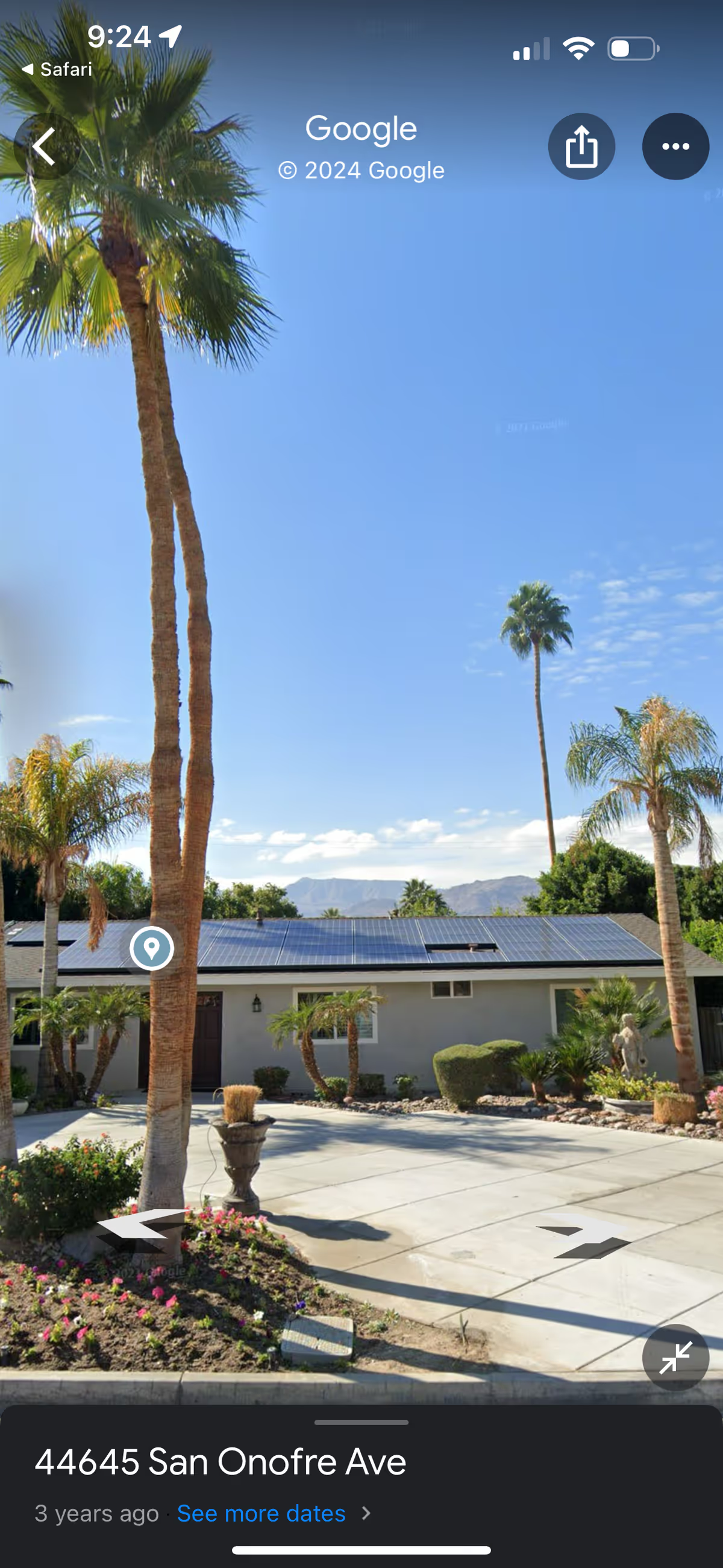
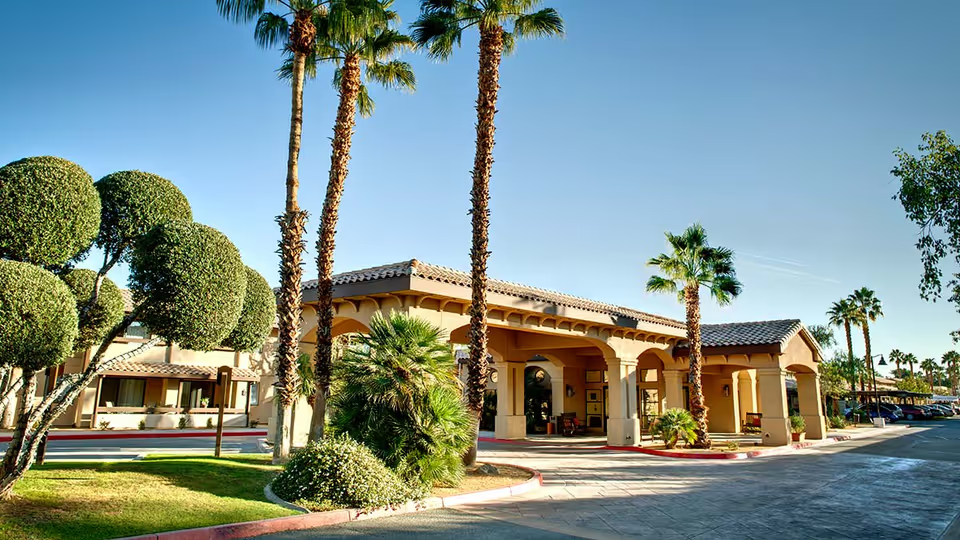
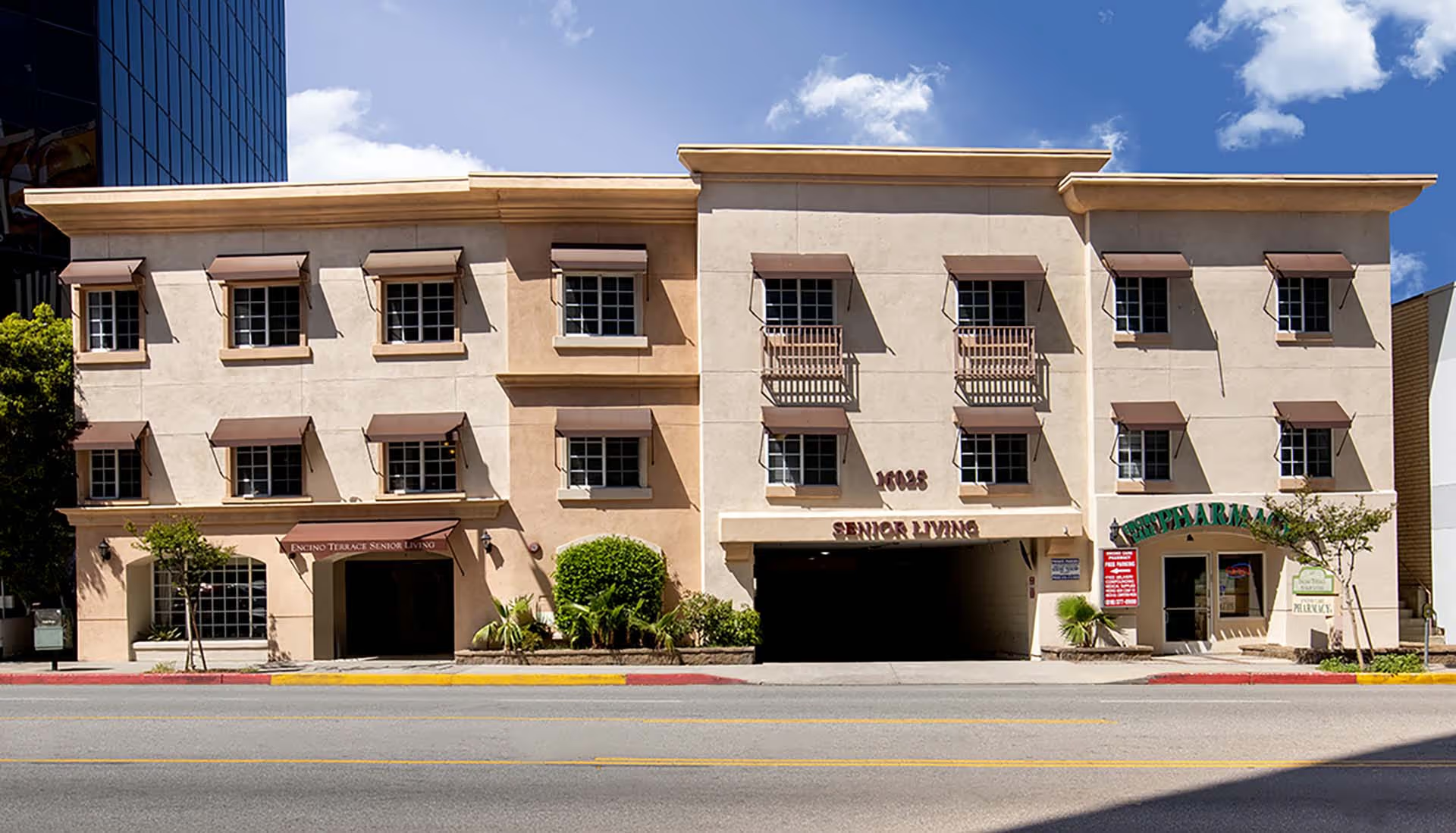
Facilities and amenities: Bella Villaggio is consistently described as an attractive, well-appointed community with a hotel-like ambience. Positive notes include comfortable rooms, garden views from bedrooms, large common areas, and good overall maintenance when timely. That said, some comments point to periodic maintenance-response delays and isolated upkeep issues tied to staffing or management responsiveness.
Management and operations: Management impressions are mixed. Several families report a welcoming and seamless admission process with empathetic leadership, while others note perceived unresponsiveness or variable follow-through from mid-level managers. Price increases and an overall high cost of care are repeatedly mentioned; several families consider the expense justified by care and amenities, whereas others feel pricing contributes to a resident mix that affects the sense of community. Visitor-access logistics (limited parking, door-entry or doorbell delays) are operational friction points.
Notable patterns and tradeoffs: Prospective residents and families should weigh a generally strong clinical and amenity profile against operational variability tied to staffing, dining continuity, and middle-management responsiveness. For those prioritizing memory-care expertise, activities, and a high-end environment, Bella Villaggio can be a good fit. For families highly sensitive to consistent staffing ratios, uninterrupted meal service, or lower cost, the facility may exhibit periodic shortcomings that merit direct discussion during touring and contracting (for example, staffing contingency plans, dining-service protocols, and recent turnover trends).