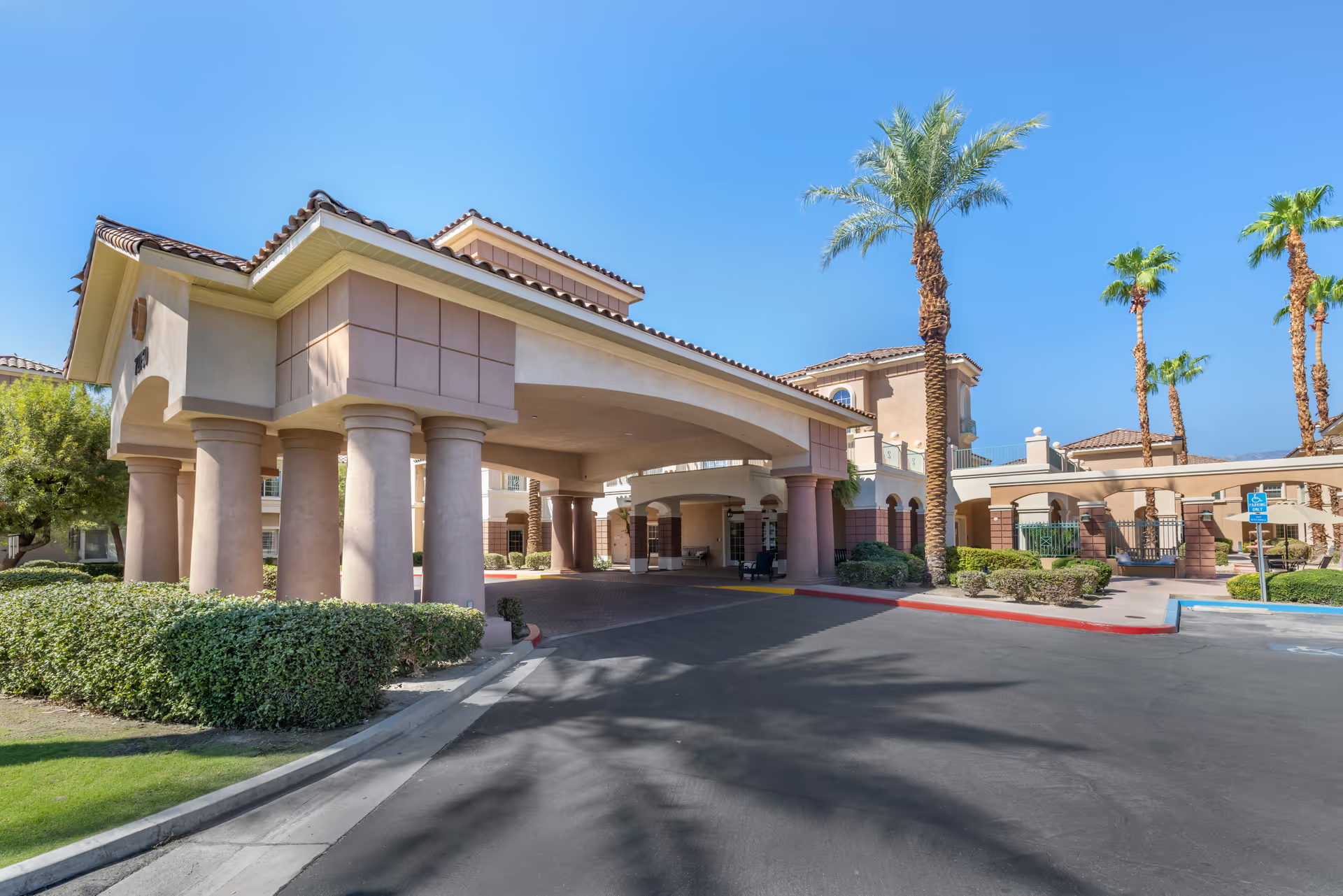
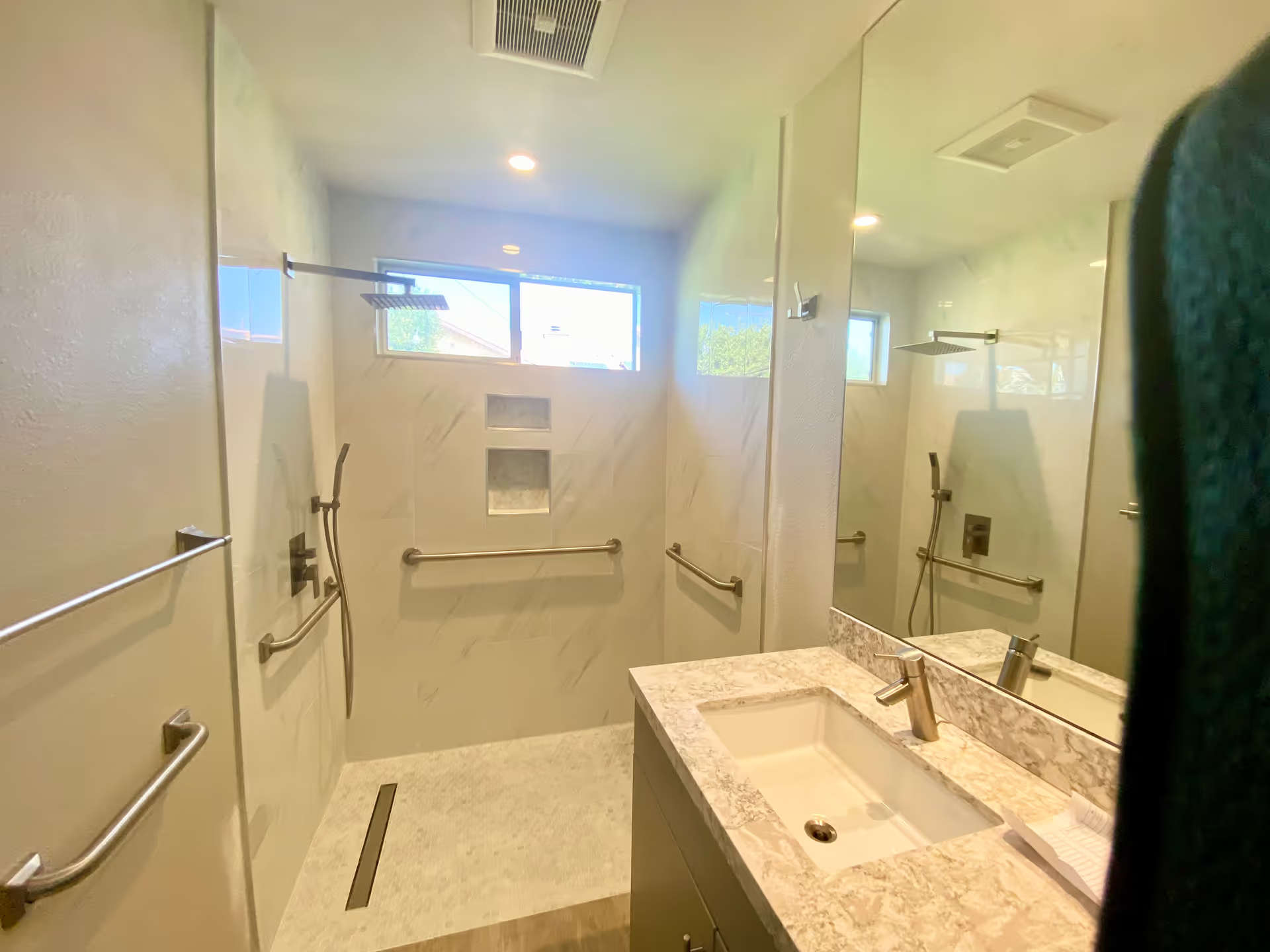
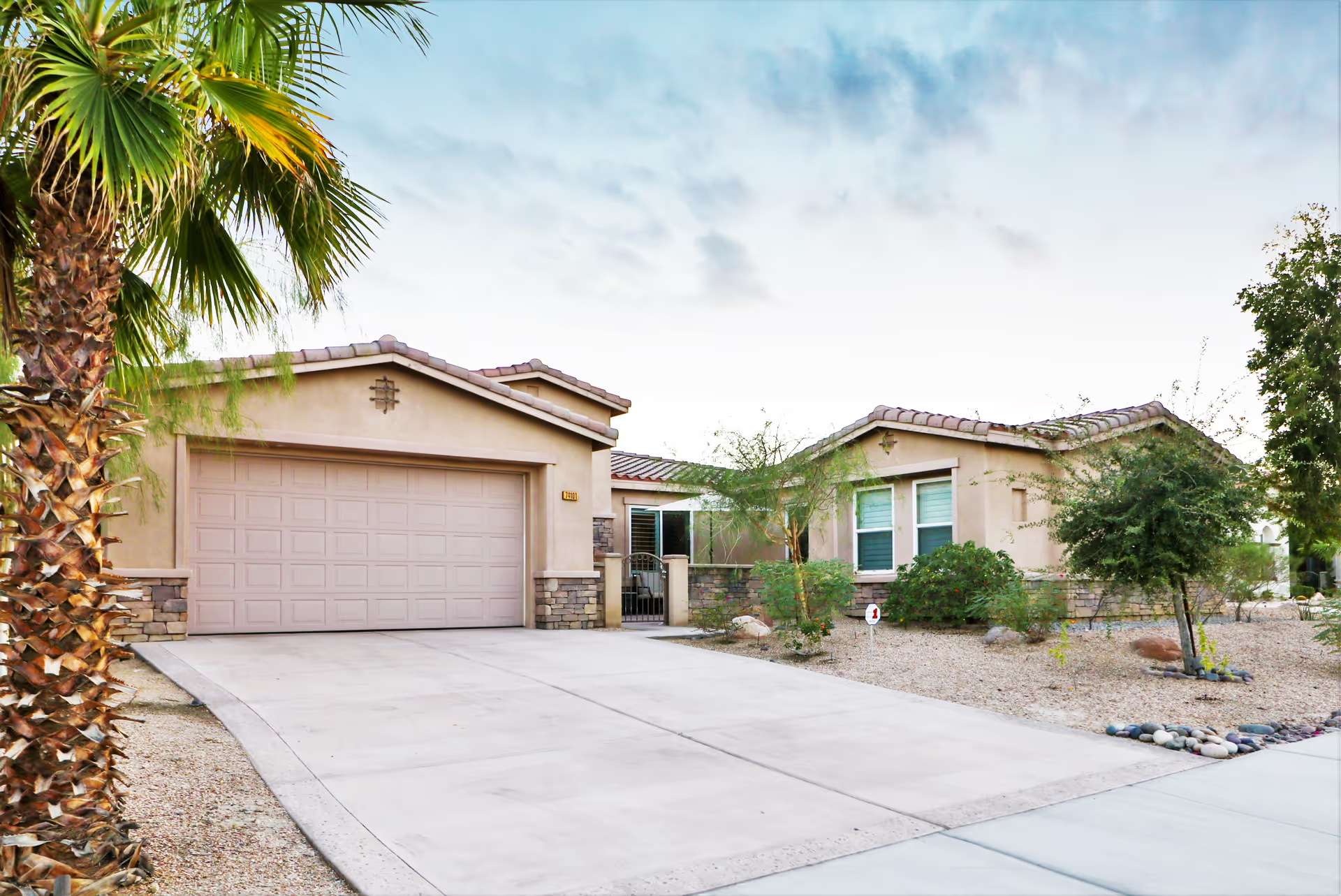
Revel Palm Desert is consistently described as a new, upscale independent-living community with broad resort-style amenities. Reviewers commonly emphasize the property’s fresh, hotel-like presentation: spotless common areas, contemporary interior design, carefully maintained grounds, and a range of apartment and cottage floor plans. The physical offering is extensive — multiple dining venues (including a main restaurant, pizza oven, ice cream parlor and bar), a saltwater pool and spa, theater, art studio, fitness center with daily classes, and varied outdoor recreation — creating a strong “resort” or “cruise ship” feel for independent residents.
Staff and day-to-day care elements are frequent strengths in the reviews. Many comments highlight warm, attentive, and personalized interactions at the concierge desk and across front‑line teams, with staff often described as friendly, welcoming, and responsive to individual needs (for example, dietary accommodations). Housekeeping, maintenance, and on-site service teams are repeatedly noted for promptness and attention to presentation, and families describe the community as offering peace of mind and reduced caregiver burden for independent residents.
Dining and programming are among the community’s primary draws. The culinary program is framed as chef-driven and restaurant-style, with a wide menu, vegetarian and special-diet options, rotating specials and occasional Chef’s Table events. Programming is broad: exercise classes (yoga, water aerobics, circuit training), arts and crafts, card games, clubs, lectures, outings and travel clubs. When the community is at higher occupancy the activity calendar appears robust; however, a recurring operational theme is that availability and vibrancy of programming can depend on resident participation levels during the property’s ramp-up phase.
Operational and management patterns deserve consideration. Several reviews point to premium pricing and an expectation that cost should reflect the level of programming and service; some reviewers felt value was well-explained while others questioned the price-to-service alignment. There are mentions of staff turnover and leadership changes as sources of uncertainty, and a subset of remarks describe inconsistency between promised events or services and actual delivery (including technology glitches with electronic event sign-up and blocked on-site vendor services). These items are consistent with a new community still stabilizing its operations and resident population. Another practical consideration is resident-mix variability: reviewers differ on the community’s social tone and functional independence of peers, which can affect the fit for someone seeking a particular independent‑living culture.
In summary, Revel Palm Desert presents as a well-appointed, service-oriented independent-living community with strong culinary offerings, extensive amenities, and a generally warm staff culture. Prospective residents and families should weigh the premium cost and current stage of operational maturity against the lifestyle benefits; ask for specifics about staffing stability, the timeline for full activity programming, tech systems for event registration, and what to expect as occupancy grows. A tour that includes speaking with current residents, reviewing sample activity calendars at different occupancy levels, and clarifying contract inclusions will help determine whether the community’s offerings match individual expectations for independent living and value.