The Orchards Health Center receives consistent praise for its clinical services, rehabilitative therapy, and the general quality of its physical environment. Reviewers frequently highlight compassionate, attentive nursing and caregiving teams, alongside strong physical, occupational, and speech therapy programs that support recovery and functional improvement. The facility’s staffing includes a multi-disciplinary clinical complement (nurses, doctors, social workers, therapists) and on-site rehabilitation equipment and transport, which many families cited as contributing to positive therapy outcomes and a sense of safety during recovery.
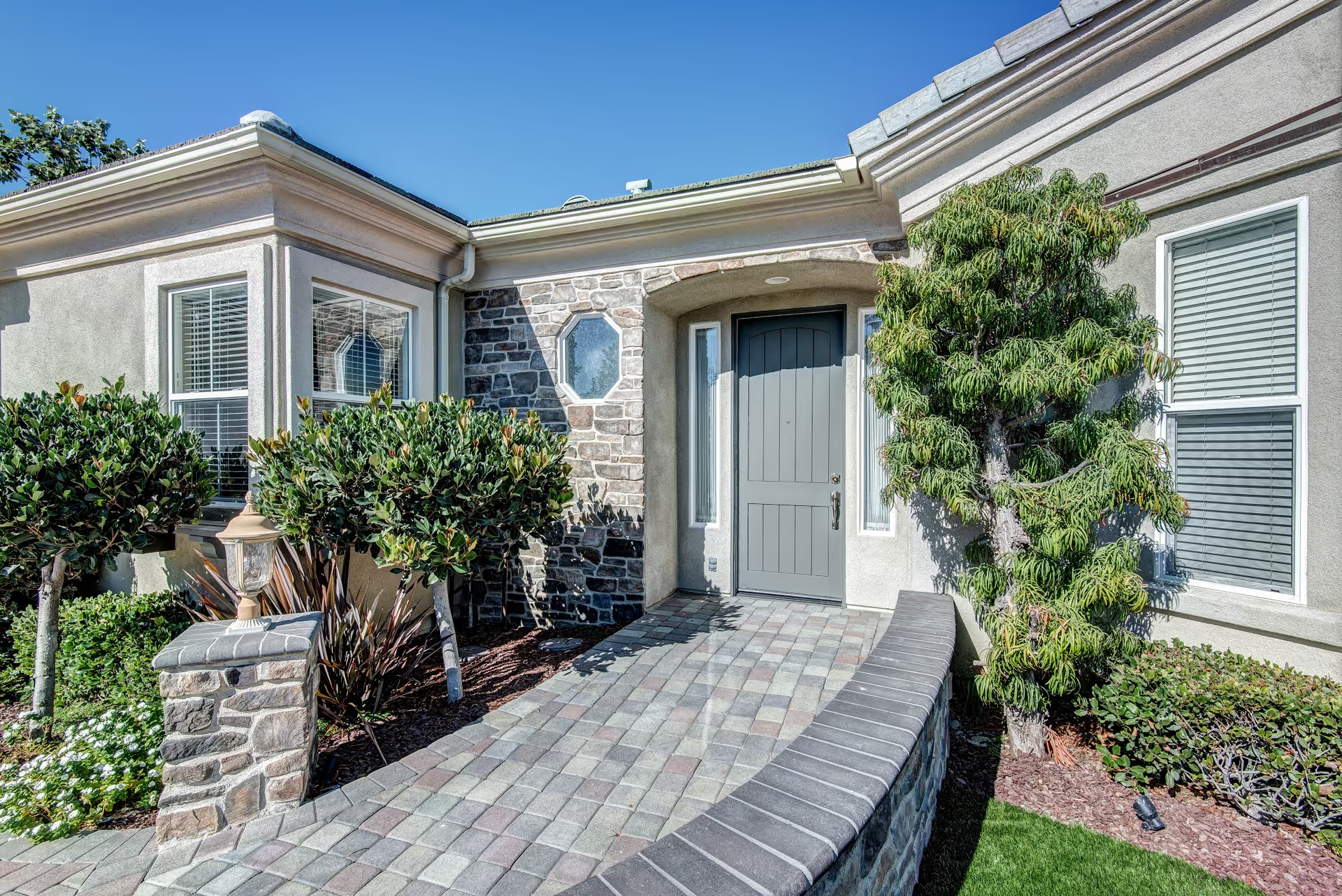
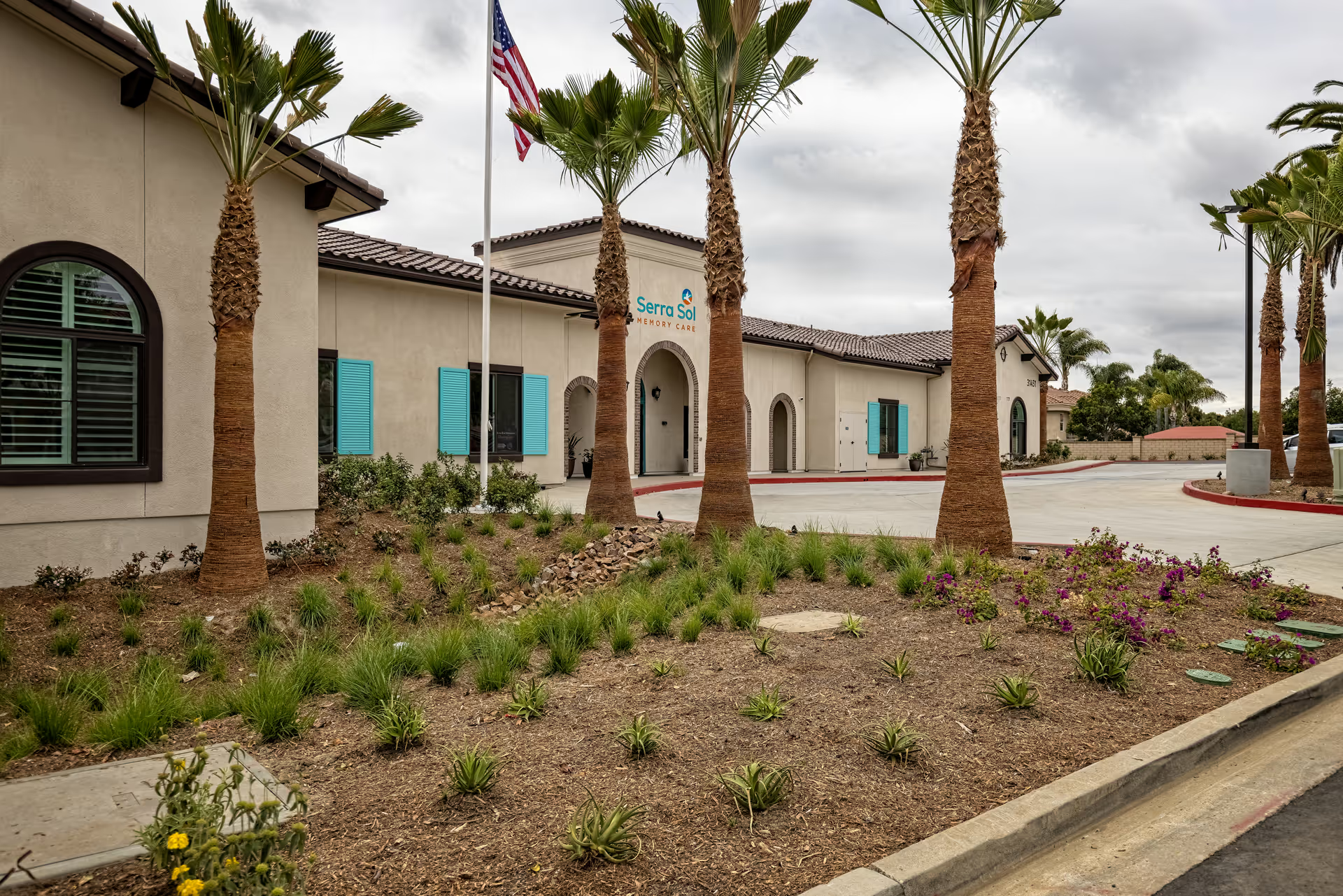
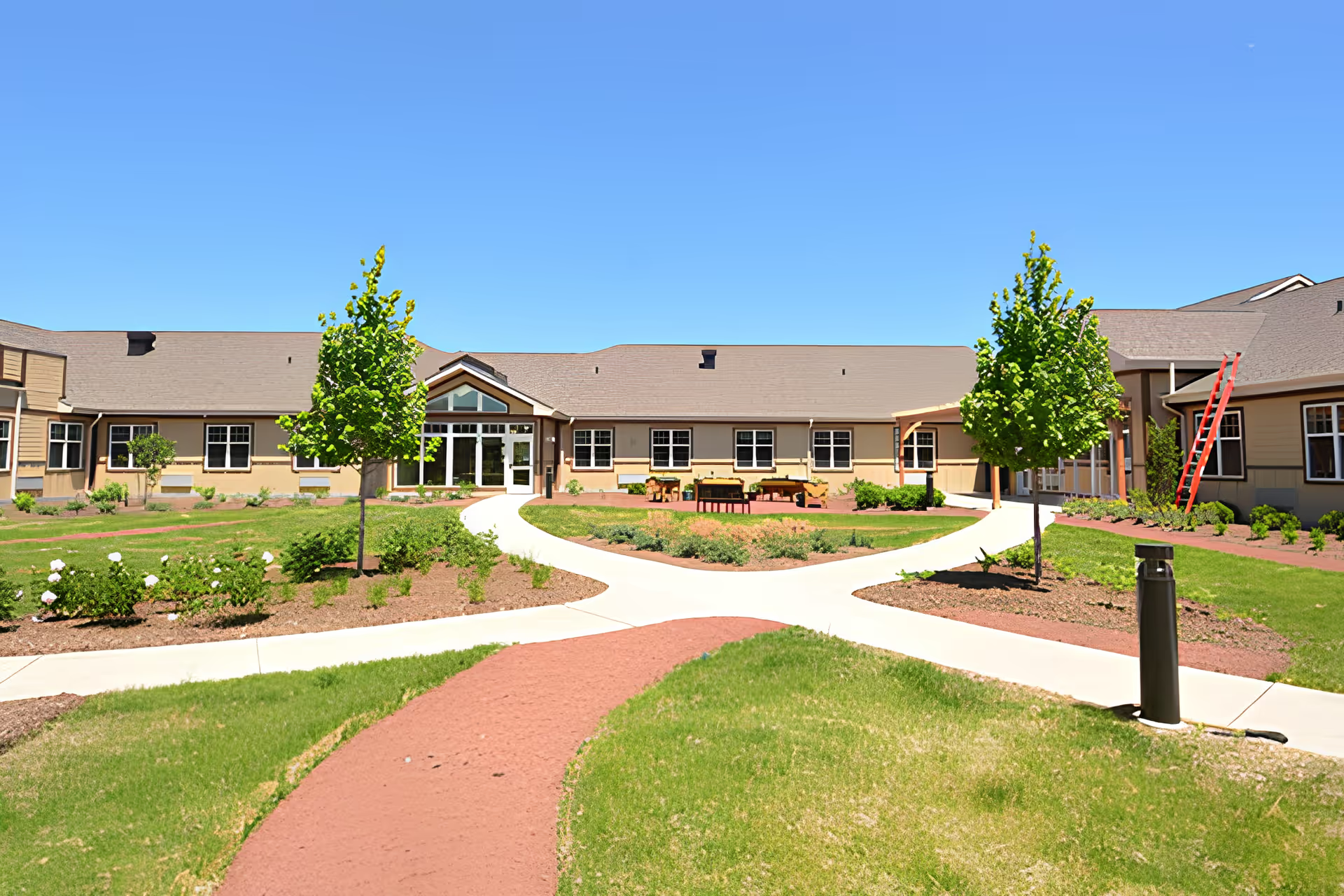
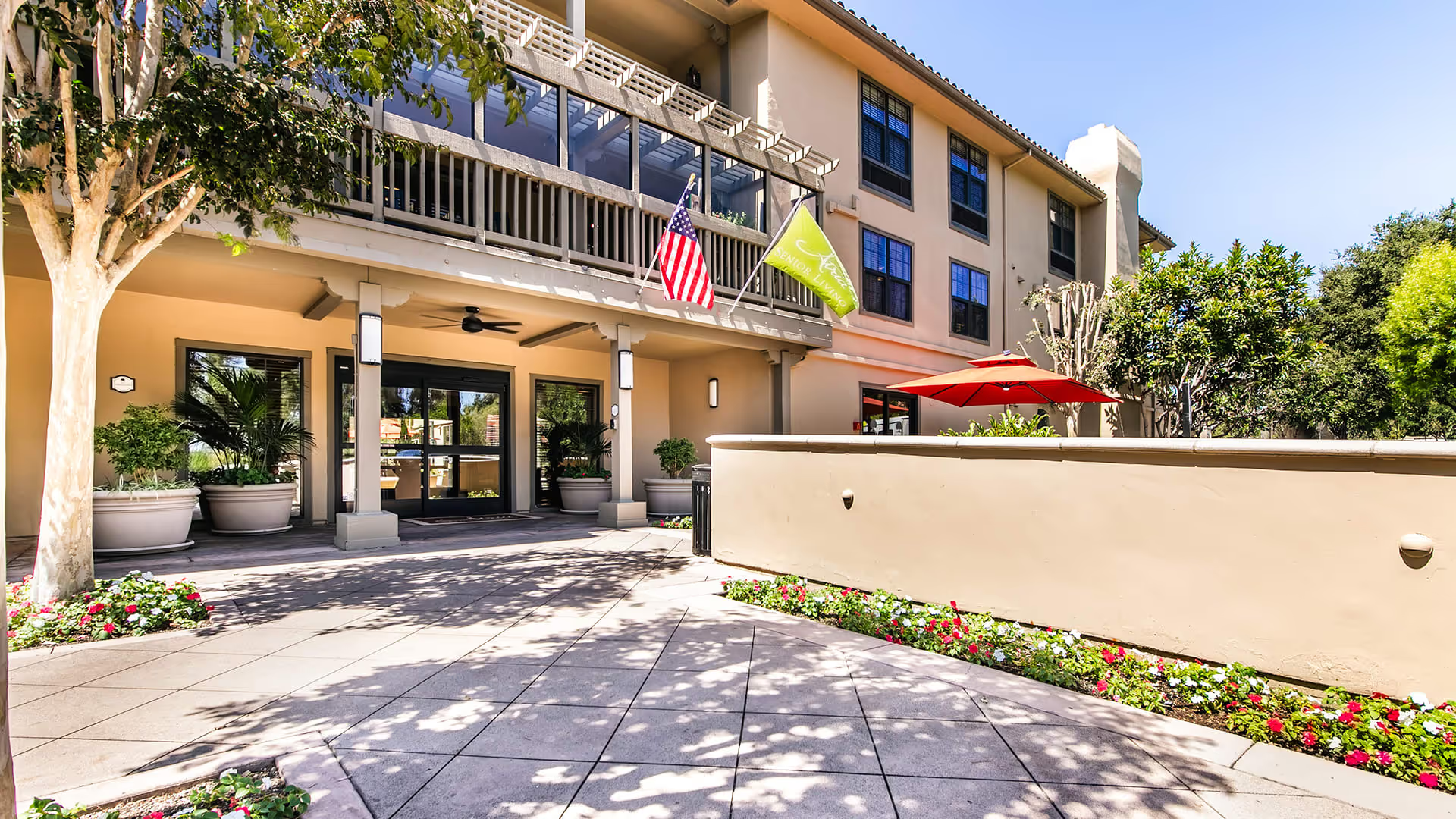
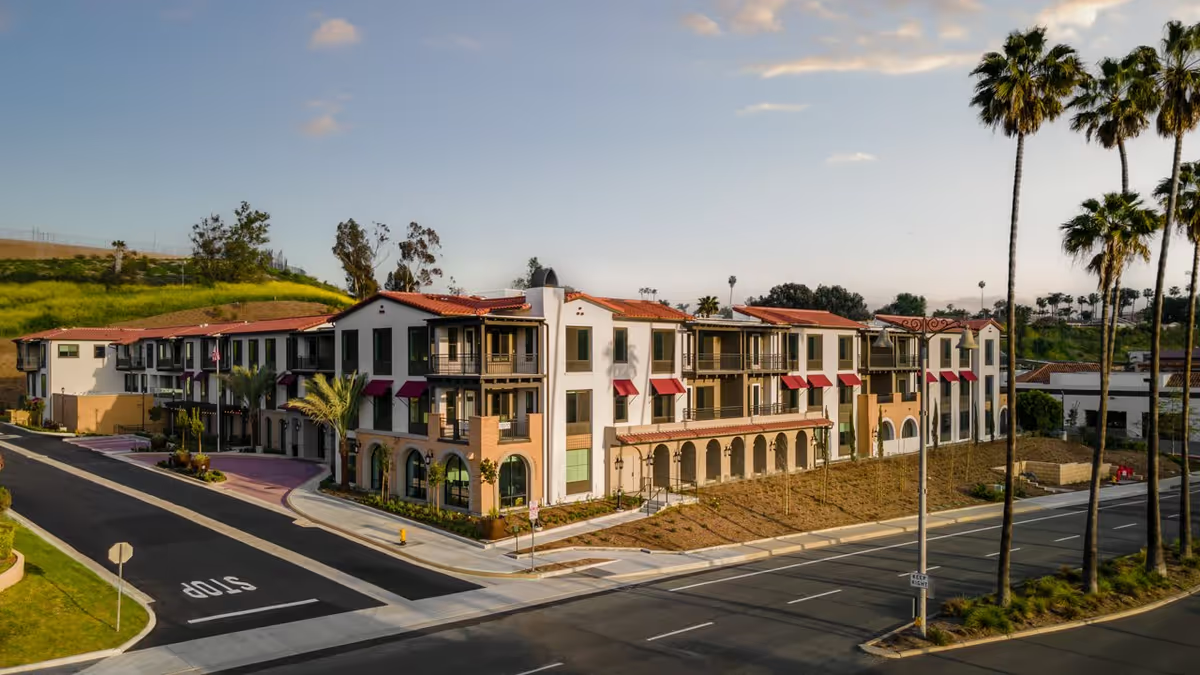
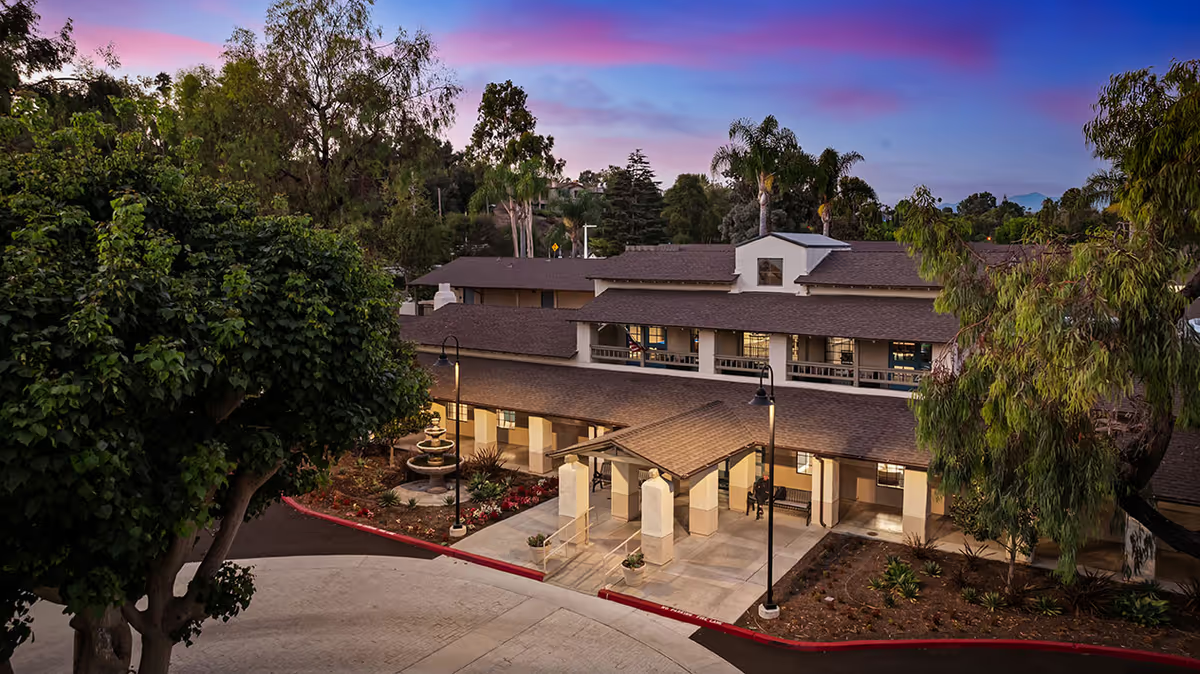
The dining program and physical plant are clear strengths. Multiple accounts describe chef-prepared, personalized meal options, an anytime menu, and accommodating dining staff; the building is described as clean, modern, and well laid out, with private-room options and privacy features in shared rooms. The property and outdoor spaces — courtyards, landscaping adapted to drought conditions, hillside views, and amenities such as EV charging stations — are frequently noted as contributing to a pleasant atmosphere. Activity programming and social engagement opportunities are reported to be robust and meaningful for residents’ quality of life.
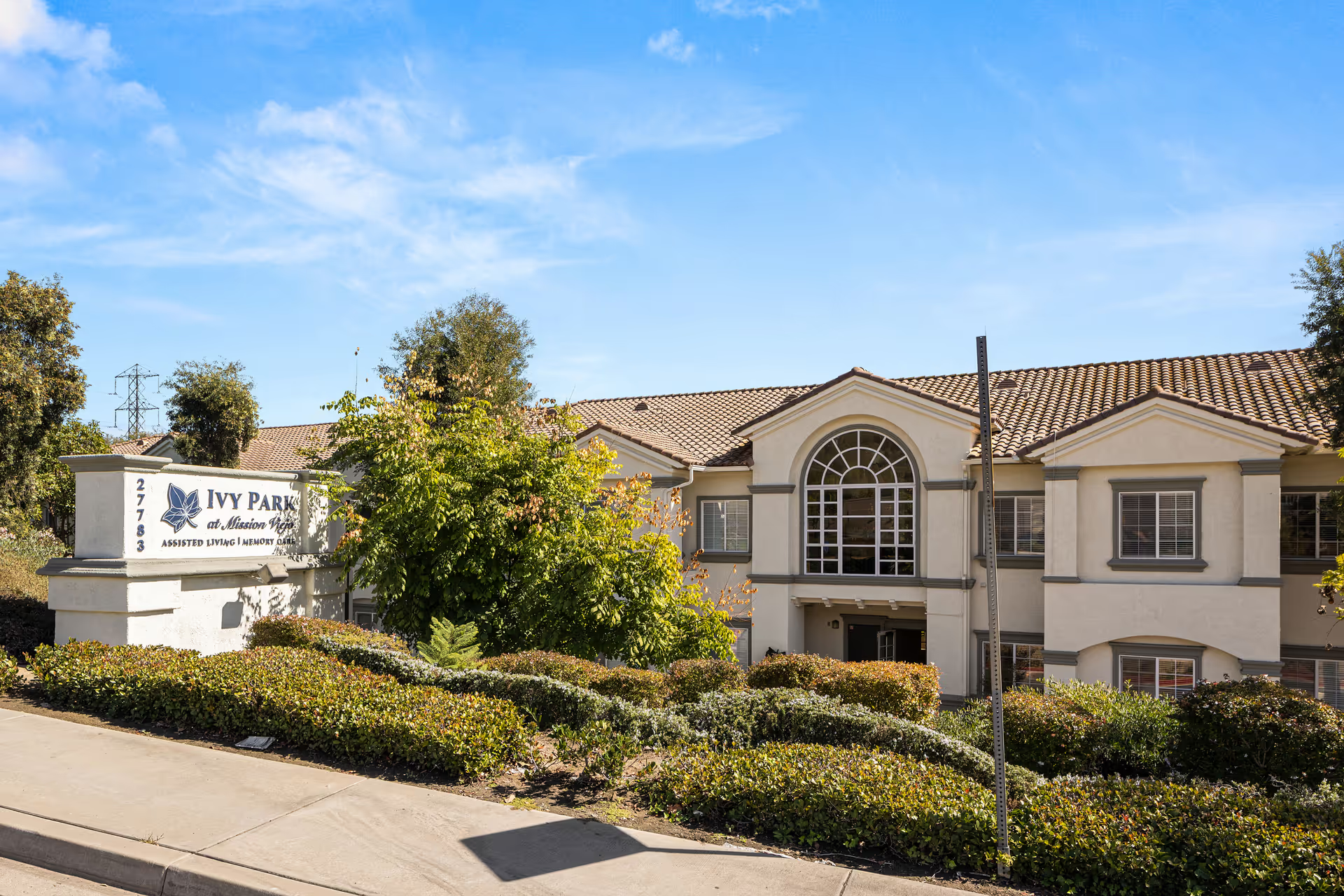
Despite these positives, several operational patterns emerged as areas for attention. Memory-care and dementia-level services are described as under-resourced in some instances: reviewers cite understaffing, lack of dedicated memory-care personnel, and limited capacity to meet advanced dementia needs. Relatedly, staffing levels are described as variable at times, especially during off-shifts, which families link to delays in personal-care responsiveness and safety concerns. A few accounts raise sanitation and incontinence-care concerns; these have been framed here as systemic care-delivery gaps rather than isolated praiseable moments.
Management and communications elicit mixed feedback. Many families praise responsive administration, an accommodating admissions process, and prompt resolution of routine issues. At the same time, some reviewers describe gaps in management transparency and a perception that financial considerations can influence care continuity (for example, limits on private-pay continuation of specific therapies). Food quality is generally praised but occasionally described as inconsistent in temperature or preparation. Safety practices — particularly fall-prevention and transfer protocols — are highlighted as an area where the facility could standardize processes and staffing to reduce risk.
Overall, The Orchards presents as a well-appointed, therapy-focused skilled nursing and assisted-living provider with a staff culture that many families find compassionate and service-oriented. Prospective residents and family decision-makers should weigh the facility’s strong clinical and environmental credentials against specific concerns about memory-care staffing, variable responsiveness during off-hours, and management transparency. For those with high-acuity dementia needs or who require continuous, high-touch memory care, it would be prudent to seek detailed, current information about staffing ratios, dedicated memory-care staff, and safety protocols before admission.