Overall impression is mixed: many reviewers praised individual staff members, therapy services and some administrative supports, while others raised substantive operational and clinical concerns. Positive experiences commonly emphasize hands-on caregiving by CNAs and therapy teams, effective occupational-therapy support, and an active rehabilitation program that helped residents return home. Several families also described clean restrooms or specific clean areas, helpful admissions staff, and on-site activity and fitness amenities that contribute to resident quality of life.
Care quality shows a bifurcated pattern. On one hand, there are repeated accounts of compassionate, attentive caregivers, timely medication administration in positive cases, and strong therapy-driven recoveries. On the other hand, reviewers reported inconsistent clinical coverage (particularly at night), delays in addressing incontinence-care needs and other personal-care tasks, and variable responsiveness to acute changes in condition. A limited number of accounts raised very serious concerns about delayed clinical response and outcomes; these reviews underline gaps in clinical coordination and family notification that prospective families should probe directly with facility leadership.
Staffing and conduct: many comments highlight dedicated and kind frontline staff who go above and beyond, but those positives coexist with recurring concerns about staffing shortages, absenteeism, and inconsistent nurse availability. Several reviews described problems with communication, long phone hold times, and unreturned calls. There are also repeated mentions of concerns about staff conduct or responsiveness in specific situations; these reports suggest uneven training and supervisory oversight rather than uniformly poor workforce behavior.
Dining, activities, and therapy: therapy and rehabilitation services receive consistent praise and are a clear strength for the facility. Activity programming, a gym/therapy space, and general social offerings were noted positively by residents who enjoyed long-term stays. Dining feedback is mixed — some reviewers described acceptable or good meals, while others cited limited choices, small portions, and inconsistent meal timing.
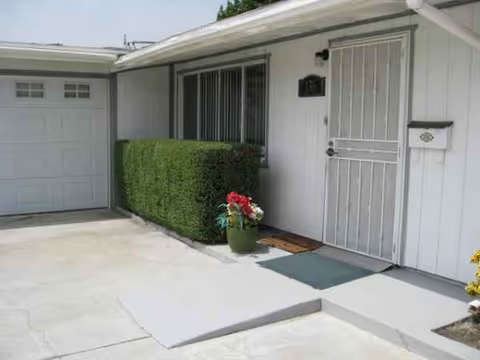
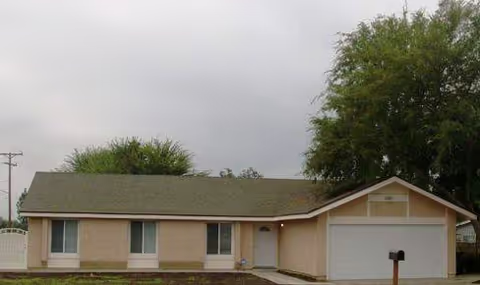
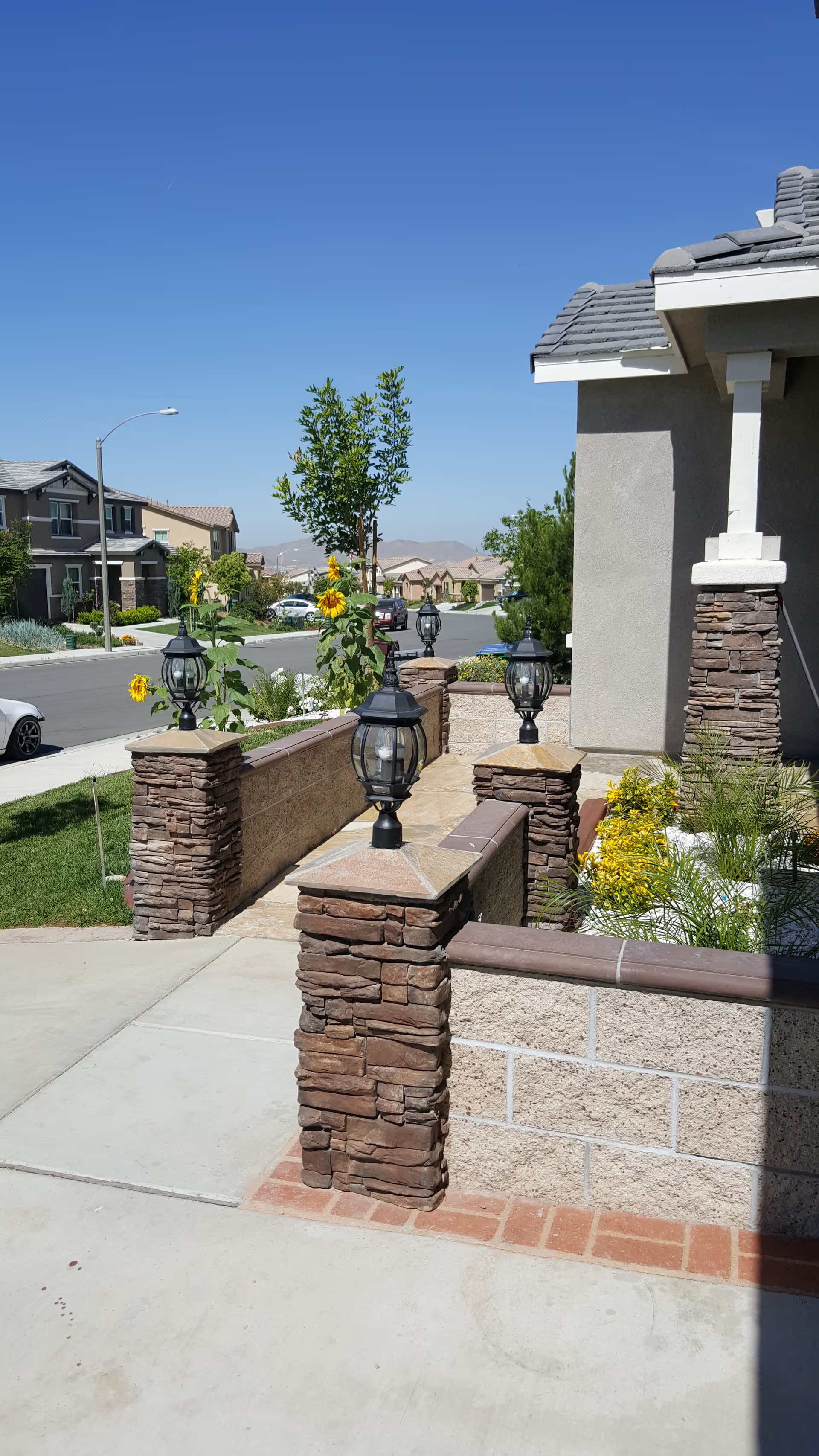
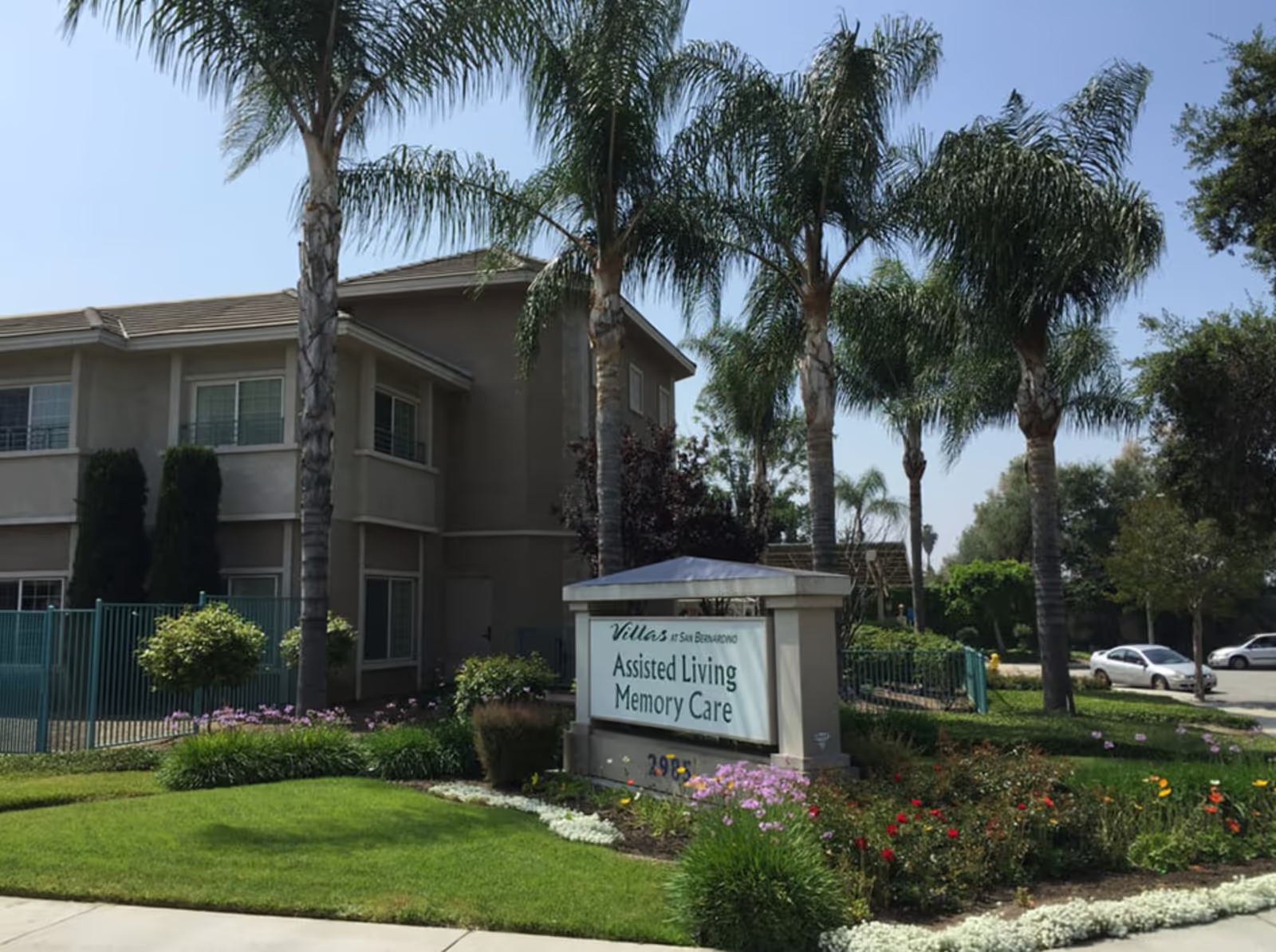
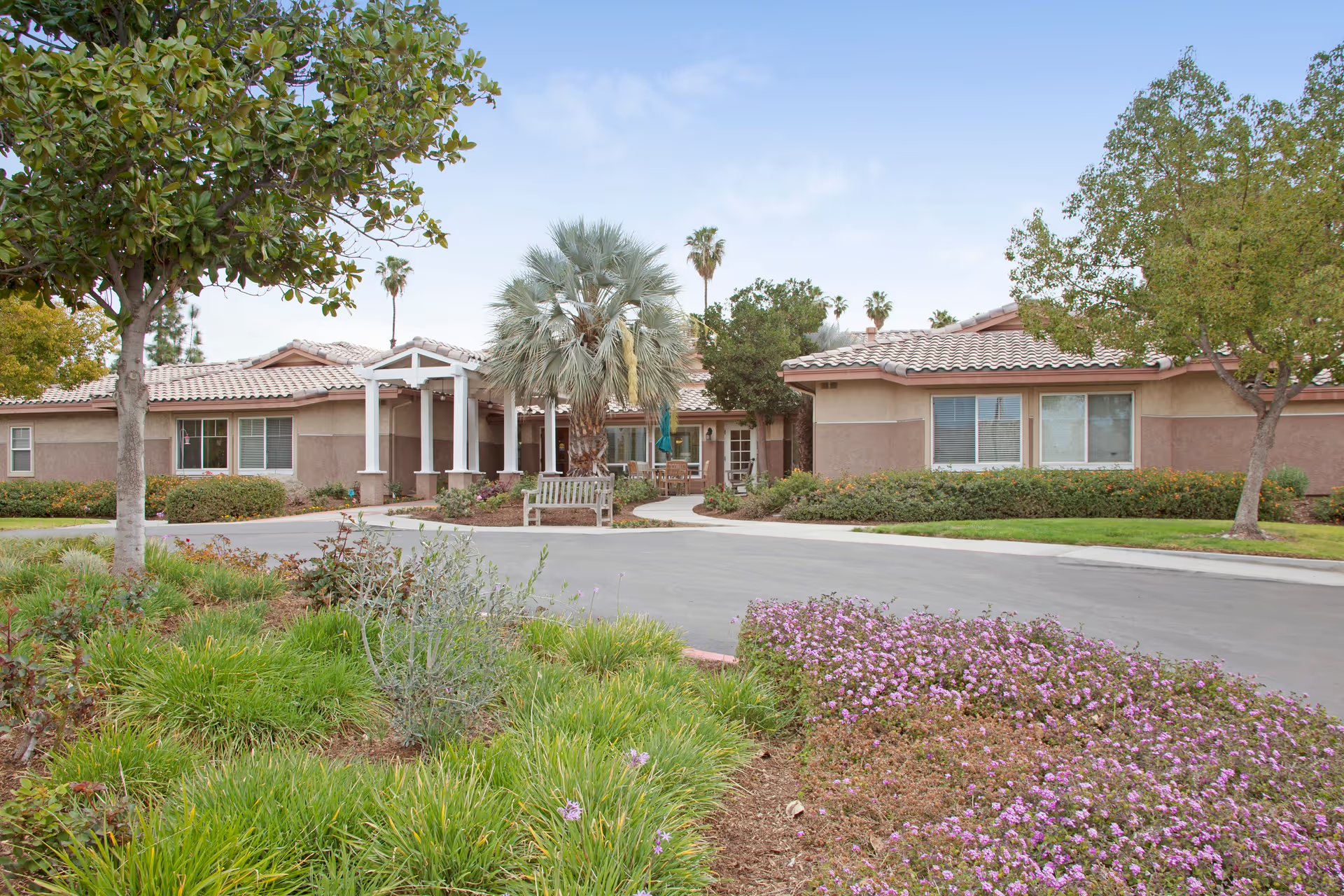
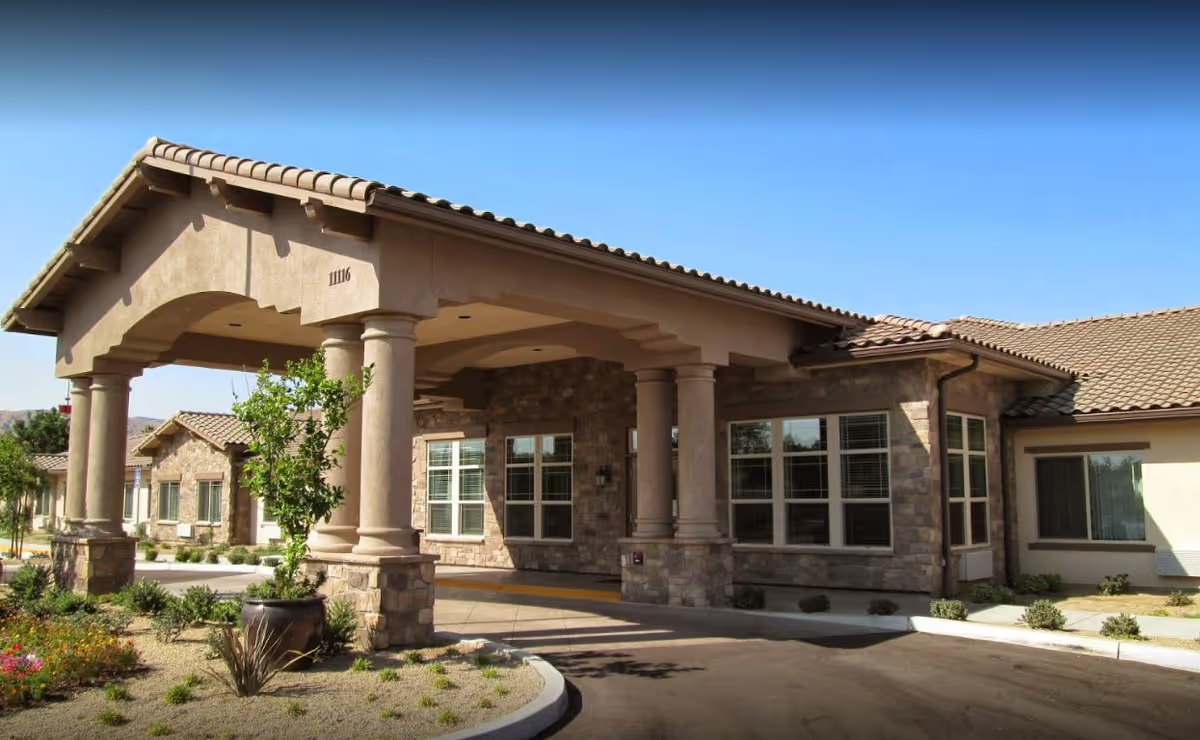
Facilities and maintenance: the building condition and upkeep are recurring themes. Many reviewers describe an aging physical plant with deferred maintenance, broken or outdated furniture, and areas that need cosmetic and functional repair. Sanitation and odor concerns in certain common areas and rooms were frequently mentioned; these were often tied to inconsistent housekeeping and incontinence-care processes. The campus layout and presence of multiple adjacent buildings also created confusion for some visitors.
Management and communication: perceptions of management are polarized. Some named staff and leaders (including an occupational therapist and a director) received specific praise for responsiveness and knowledge. Conversely, other reviewers criticized administrative coordination, inconsistent enforcement of policies (for example roommate or smoking issues), and weak family communication—especially around clinical events, hospital transfers, and visitation during infection-control periods. Prospective families should ask for current staffing ratios, the facility’s communication protocol for clinical changes, and documentation of infection-control policies and visitation rules.
Notable patterns and recommendation: the most consistent strengths are therapy services and several committed frontline caregivers; the most consistent weaknesses are inconsistent staffing, sanitation and incontinence-care practices, and uneven management communication. Experiences appear to vary widely across units and shifts, so an in-person visit, targeted questions about night staffing and incident reporting, and conversations with current residents or families are advisable to assess whether the facility’s strengths align with a prospective resident’s needs.