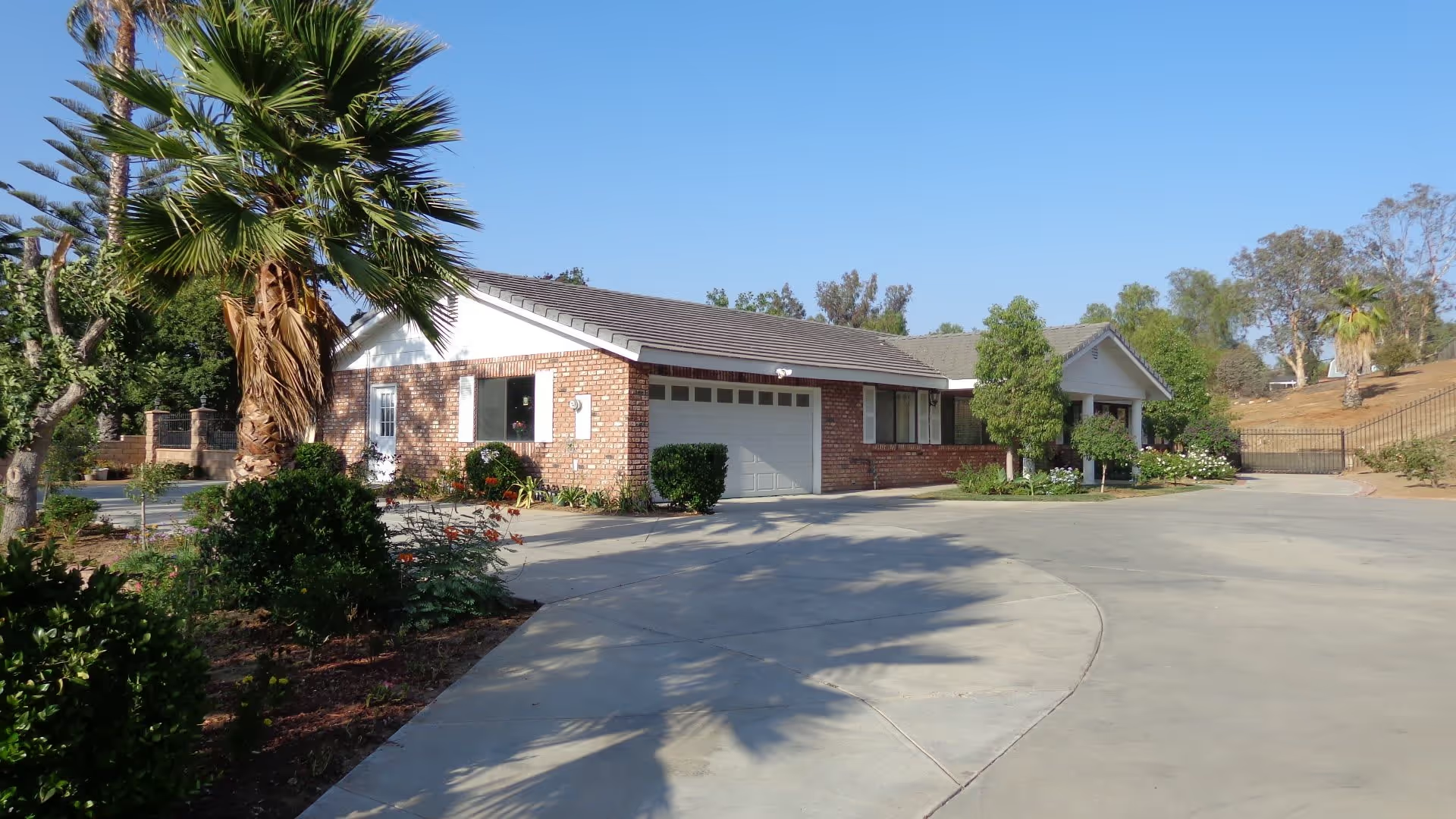
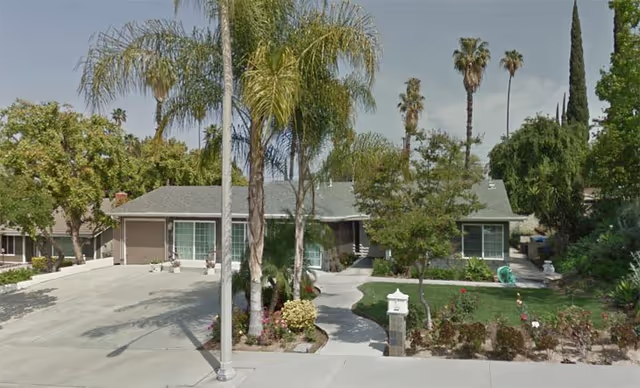
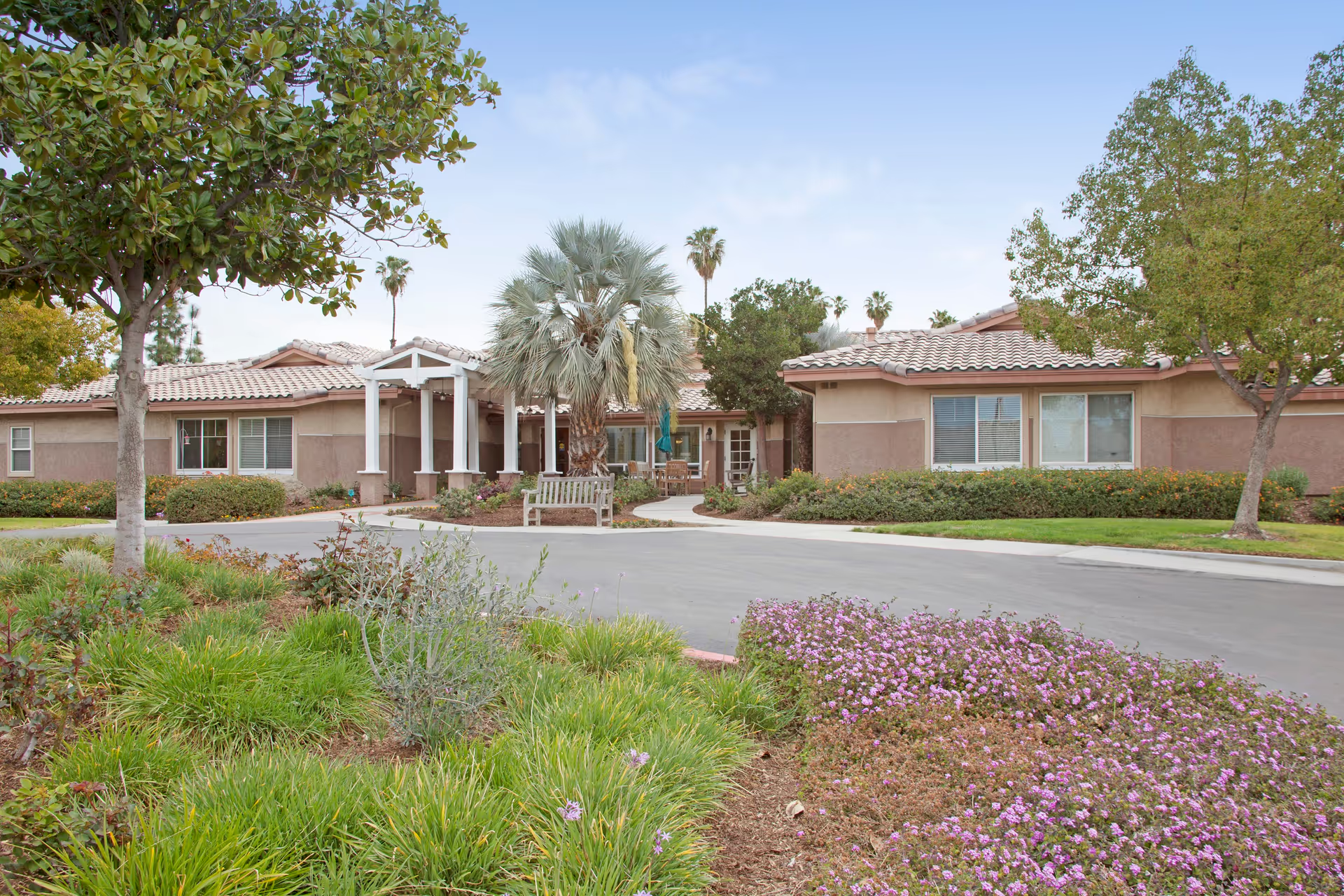
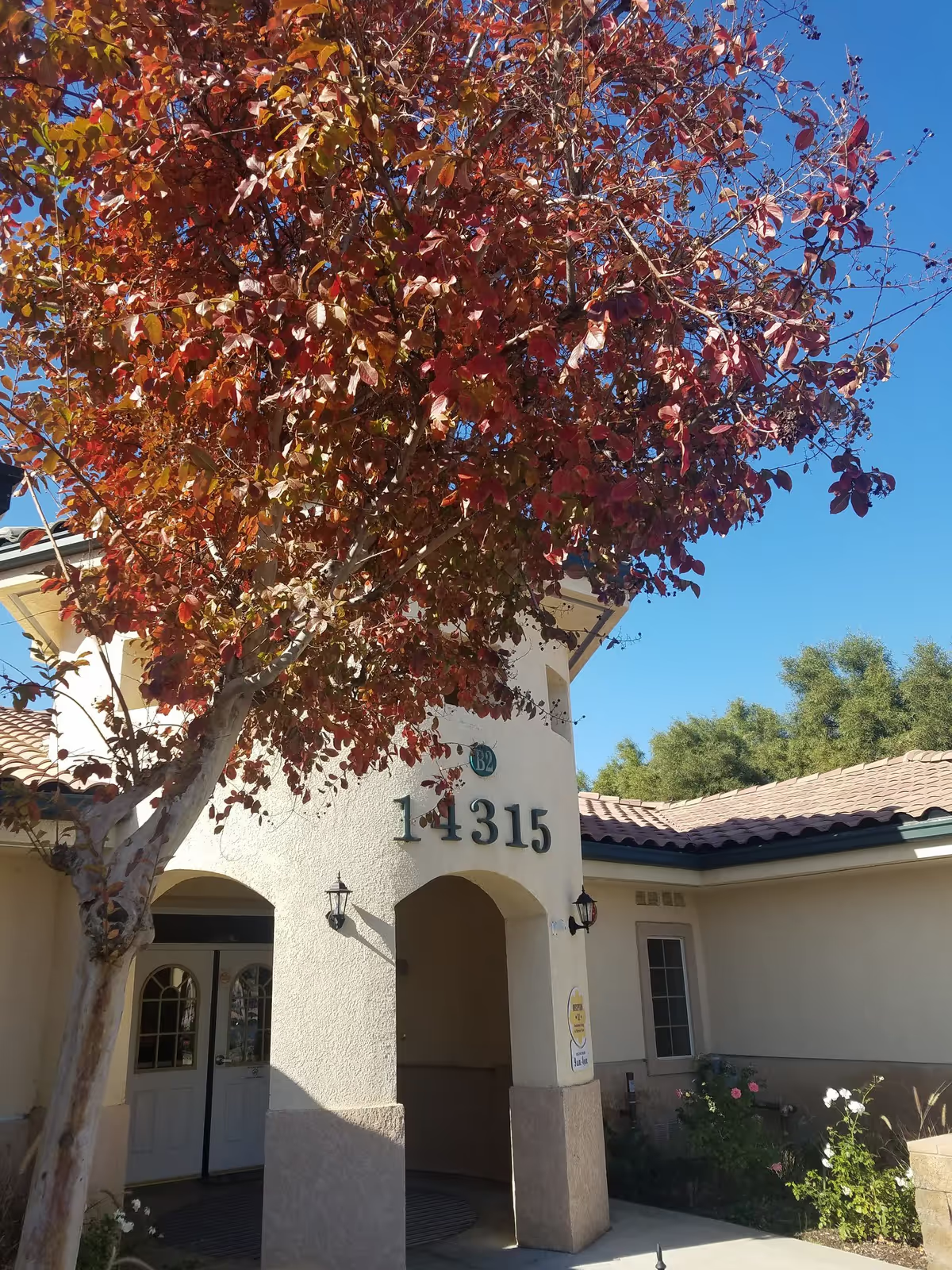
Westmont of Riverside presents as a large, amenity-rich continuing care community with a strong emphasis on social engagement and on-campus lifestyle. The campus and common areas are frequently described as attractive and resort-like, with amenities that include an indoor heated pool, spa, multiple fitness centers, pickleball courts, a small theater, salon services, on-site physical therapy and rehabilitation, and multiple dining venues. Residents and families commonly praise the active calendar — daily exercise, arts and crafts, live music, outings, religious services, and recurring social events — and many reviewers describe a close-knit, friendly resident community.
Frontline caregiving staff and nursing teams receive substantial positive feedback for compassion and individualized attention; several staff members are singled out by name for going above and beyond. The community offers a full continuum of care (independent living, assisted living, memory care, and skilled nursing), and on-site clinical and rehab services are cited as valuable by families who required post-surgical or rehabilitative care. At the same time, recurring concerns emerge about clinical staffing levels and medication-administration processes. Reviewers note periodic gaps in medication availability or administration, inconsistent coordination among med techs and licensed nurses, and occasions when clinical responsiveness did not meet expectations. These clinical issues appear linked in reviewers' accounts to staffing instability and frequent turnover among leadership and licensed staff.
Dining is a focal point of mixed feedback. Many residents appreciate the restaurant-style offerings, varied menus, and meal options that include heart-healthy and low-sodium selections. However, a notable pattern describes inconsistency in food quality and service continuity: kitchen turnover, buffet-style service that can be difficult for residents who use walkers or scooters, occasional cold or delayed meals, and perceived declines in menu variety or nutrition. Families should inquire about current dining models, accommodations for mobility-impaired diners, and how dietary requests are managed.
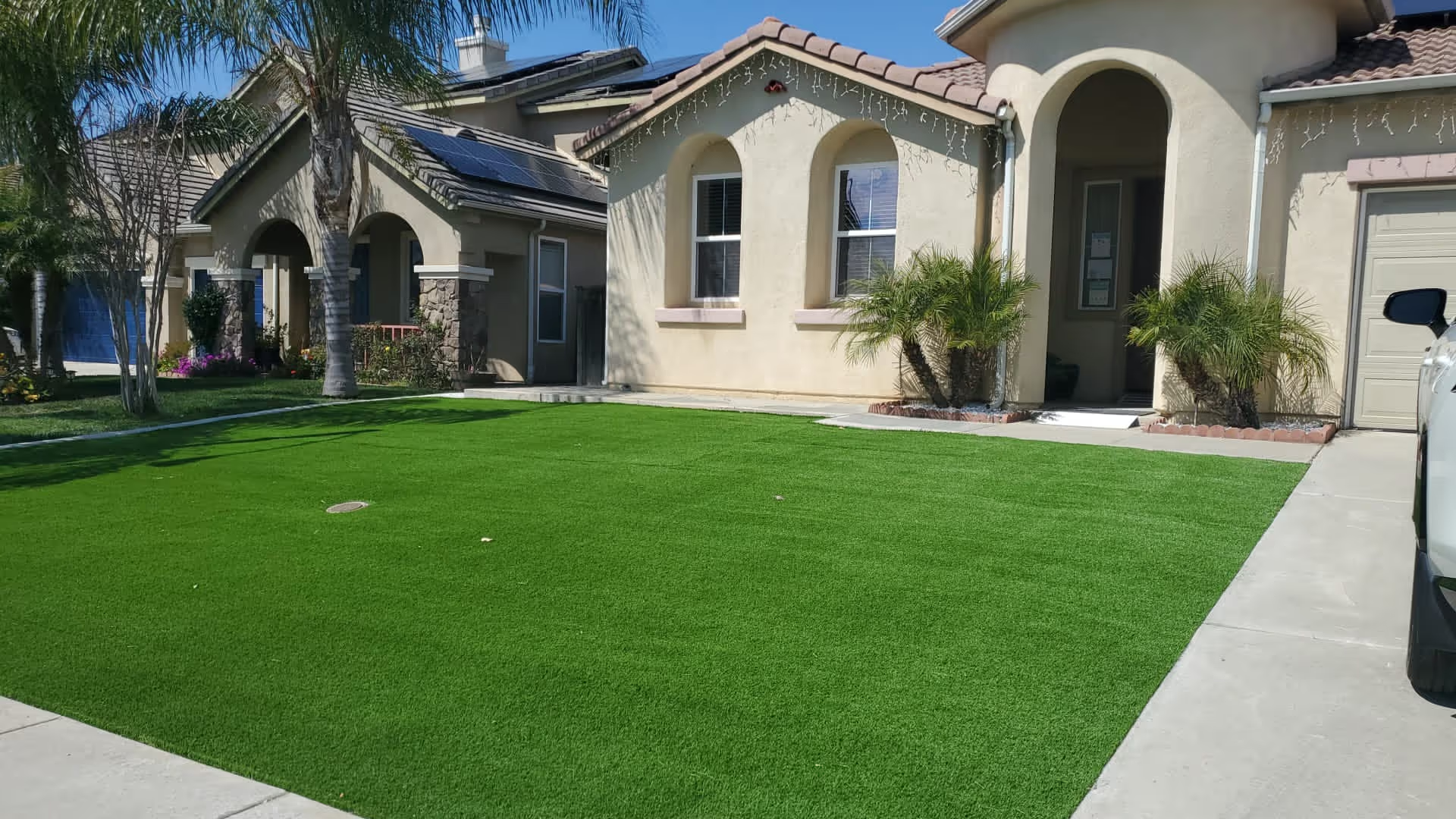
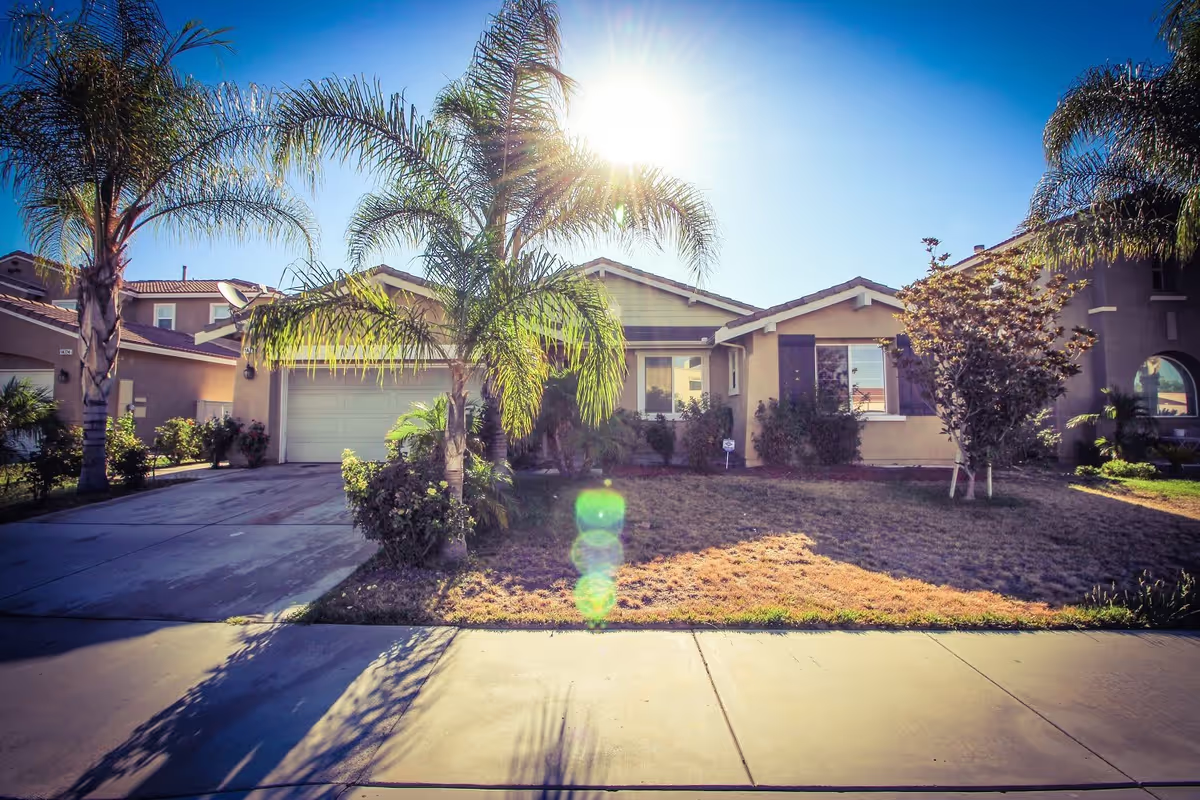
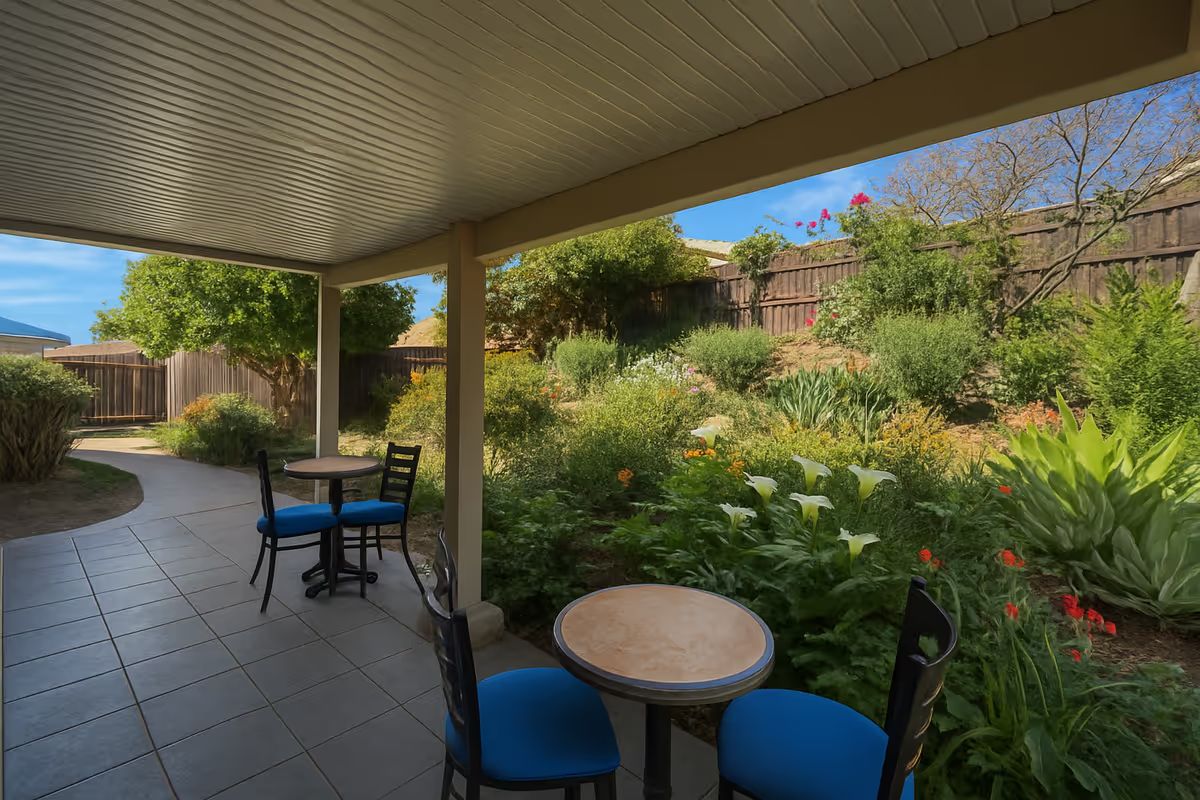
The physical accommodations are generally viewed positively. Apartments are described as spacious for the market, often with full kitchens, washers/dryers, balconies or patios, and ample storage. Several reviews praise prompt maintenance responses and specific maintenance staff. Conversely, there are repeated notes of maintenance delays and unresolved repair issues in other accounts, as well as exterior concerns such as uneven landscaping upkeep and changes to greenery that some residents dislike. Accessibility and wayfinding on the large campus are additional operational considerations for prospective residents.
Management, billing, and communications are the areas with the most consistent negative commentary. Common themes include frequent leadership changes, perceived unresponsiveness from administration, unexpected fee assessments, billing disputes, and contract modifications that shift costs onto residents (utilities, landscaping, internet, meal tickets, etc.). Technology infrastructure and vendor decisions have also been problematic during recent transitions: reviewers describe degraded internet speeds, limited device allowances, cable/DVR issues, and long vendor-migration timelines. These matters have a direct effect on residents' day-to-day experience and on family confidence in administrative transparency.
Overall assessment: Westmont of Riverside appears well suited to older adults seeking an active, amenity-driven campus with a wide range of programming and on-site care options. The community's strengths are its extensive activities, social environment, broad amenity set, and many compassionate frontline caregivers. However, prospective residents and families should perform focused due diligence on operational areas that reviewers commonly cited as problematic: current staffing and turnover rates (especially clinical staff), the dining service model and accommodations for mobility limitations, billing and contract terms (including recent fee changes), and the present internet/TV vendor status. Asking for written guarantees or service-level expectations, recent staffing metrics, sample menus, and a clear explanation of all recurring charges will help align expectations with current conditions at the community.