The review summaries convey a strong, positive impression of the people involved in the placement process and frontline caregiving. Placement specialists are described as knowledgeable, compassionate, and detail-oriented; reviewers emphasize clear communication, advocacy for families, and assistance in finding an appropriate match. Frontline staff are characterized as caring, professional and dedicated, with attention to residents’ individual needs.
Despite favorable comments about staff demeanor and the placement service, the summaries lack operational detail about core service areas. There is insufficient information to evaluate clinical-care quality objectively — for example, staffing ratios, medication-management practices, incident-response procedures, and measurable care outcomes are not described. Families seeking assurance about clinical reliability should request staffing rosters, care-plan examples, and any available quality metrics.
Dining and programming are areas with limited visibility. The summaries do not describe meal quality, menu variety, accommodation of dietary restrictions, or meal service logistics. Similarly, activity schedules, social-engagement programming, and therapeutic or cognitive-support offerings are not detailed. Prospective residents and families should ask for sample menus, dietary policies, and a current activity calendar during a tour.
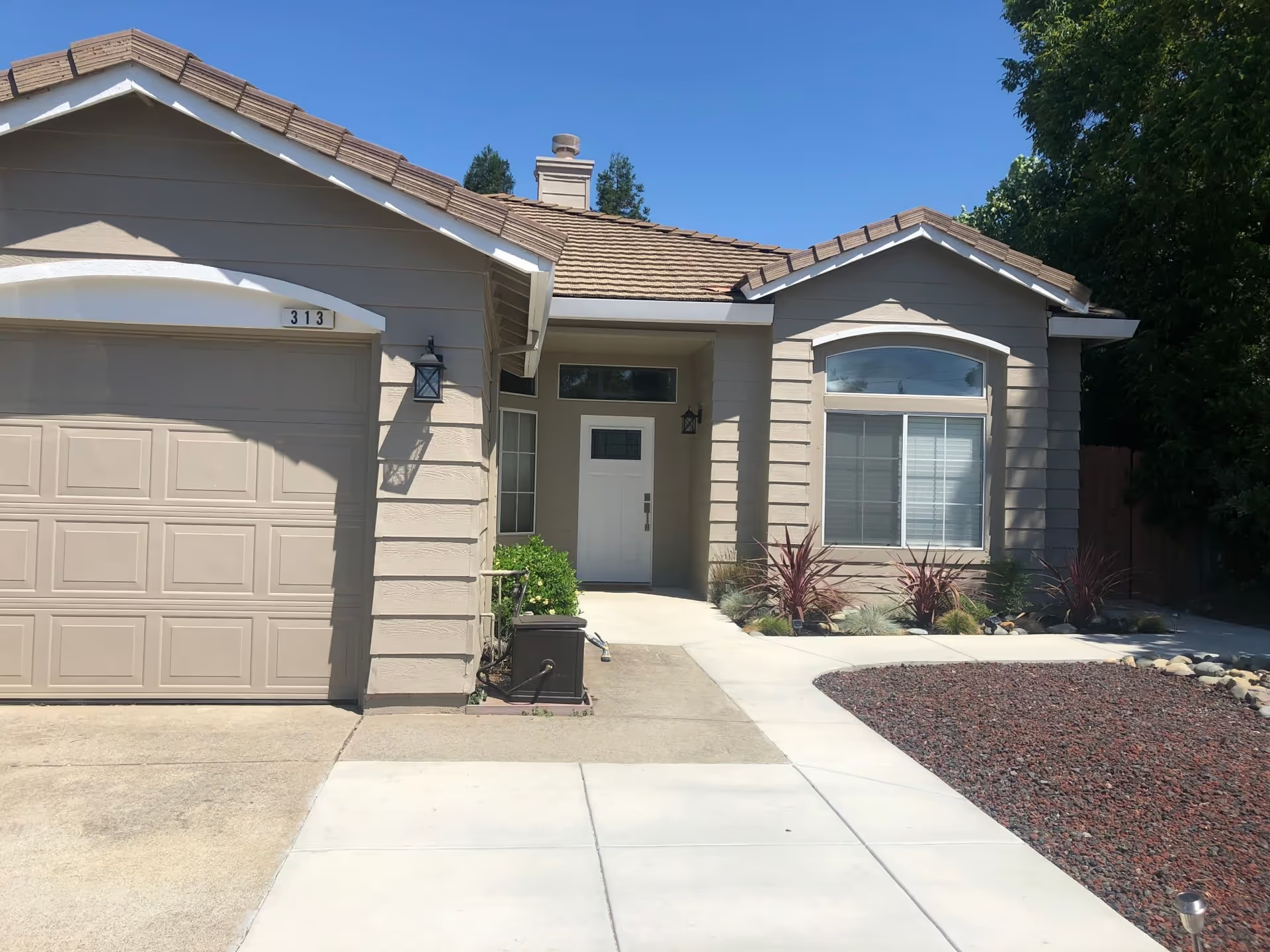
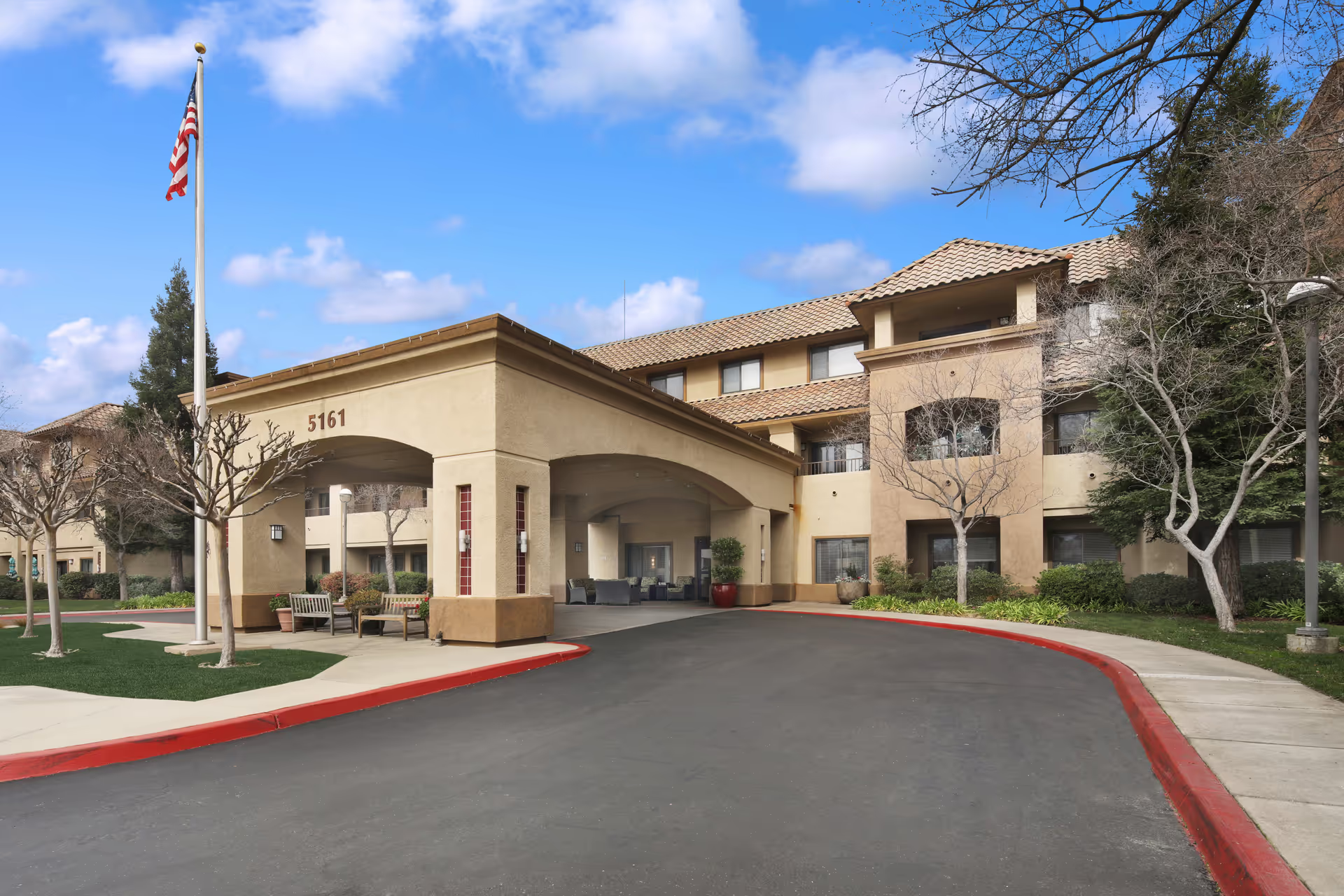
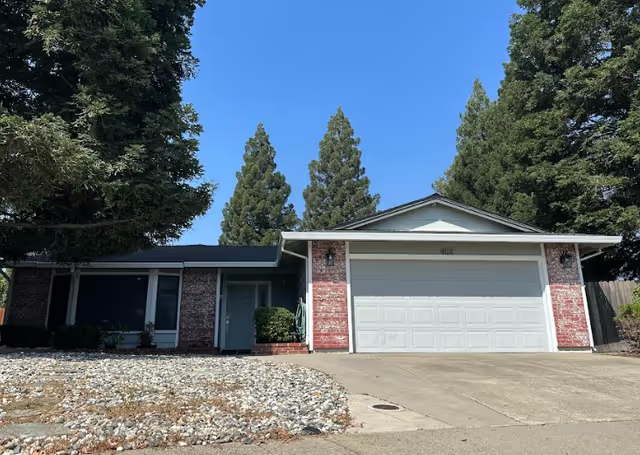
Facility-level information is also sparse. There are no specifics on the condition of common areas or private rooms, accessibility features, housekeeping and sanitation protocols, or amenity inventories (fitness spaces, outdoors, transportation). Because cleanliness and the physical environment are important to many families, requesting a walk-through, housekeeping schedules, and maintenance records can help fill this gap.
Management and communication appear to be strengths in interpersonal terms: placement specialists and some staff demonstrate strong family-centered communication and advocacy. However, the absence of operational detail creates a pattern: strong relational qualities are evident, but objective evidence about services such as clinical care, dining, activities, amenities, pricing, and sanitation is limited. For decision-making, families should verify operational documents, observe routines during an on-site visit, and ask for references or regulatory/inspection records to complement the positive impressions of staff and placement assistance.