Midtown Oaks Post‑Acute elicits strongly mixed impressions. Many reviewers describe compassionate, attentive nursing staff and a skilled rehabilitation team that support functional recovery; several families praised physical therapy, CNAs, admissions staff, and visible administrative leadership. Cleanliness and odor‑free common areas were noted repeatedly, and the facility offers dietitian‑guided meals, visitor accommodations, basic recreational services (salon, weekly games), and some language support for Tagalog speakers.
Care quality shows clear strengths but also operational inconsistencies. Positive accounts highlight personalized, attentive nursing and aide care, timely therapy interventions, and helpful case management. Conversely, reviewers describe recurrent issues with staffing levels, reliance on agency personnel, delayed responses to call bells, and medication/treatment timing problems. There are also reports indicating lapses in wound care and infection‑control practices and concerns about incontinence‑care timeliness; a small number of serious allegations prompted ombudsman involvement and warrant direct inquiry by prospective families.
Dining and activities are similarly mixed. Several families found meals appropriate, flavorful, and managed with dietitian input; others reported meals arriving cold or late and variability in food quality. The facility provides on‑site personal services and routine activities, but some reviewers indicated limited activity participation, minimal advance notice of events, and an activities program that can be inconsistent in engagement levels.
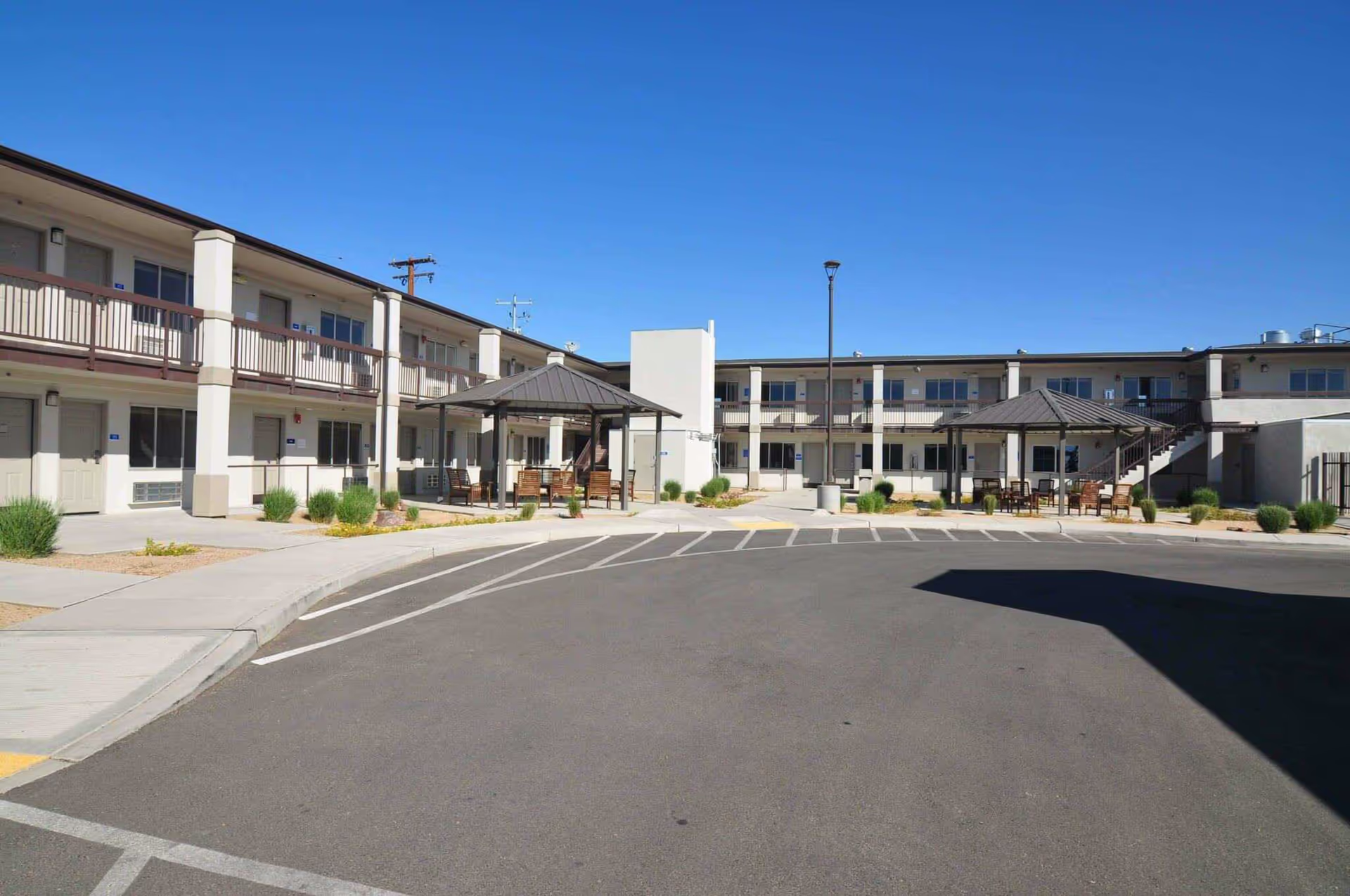
The physical plant receives both praise and criticism. Reviewers commonly describe clean, well‑kept common areas and rooms that are tidy and odor‑free. At the same time, the building and resident rooms were described as dated: small layouts, shared bathrooms, limited maneuvering space, and occasional equipment failures (e.g., bed function). Heating and air‑conditioning problems, including episodes of high indoor temperature, were reported and represent a substantive comfort and safety concern for vulnerable residents.
Management and communication show variability. Many reviewers commend strong, involved leadership, smooth admissions, and helpful social‑services coordination. Others report challenges with family communication, delayed medical updates, billing errors, and difficulty reaching managers during clinical concerns. Safety processes such as transfer readiness, bed setup on admission, and coordination for ER transfers were identified as areas needing clearer protocols.
Overall, Midtown Oaks demonstrates meaningful strengths in staff compassion, rehabilitative services, and a generally clean environment, but it also shows recurring operational weaknesses that can materially affect resident experience: inconsistent staffing, response times, clinical‑care processes (wound, infection prevention, medication timing), facility maintenance, and program communication. Prospective residents and families should consider an in‑person tour, ask specific questions about staffing ratios and agency use, inquire about infection‑control and wound‑care protocols, verify HVAC reliability, confirm bed/equipment readiness at admission, and request examples of activity calendars and meal schedules before placement.