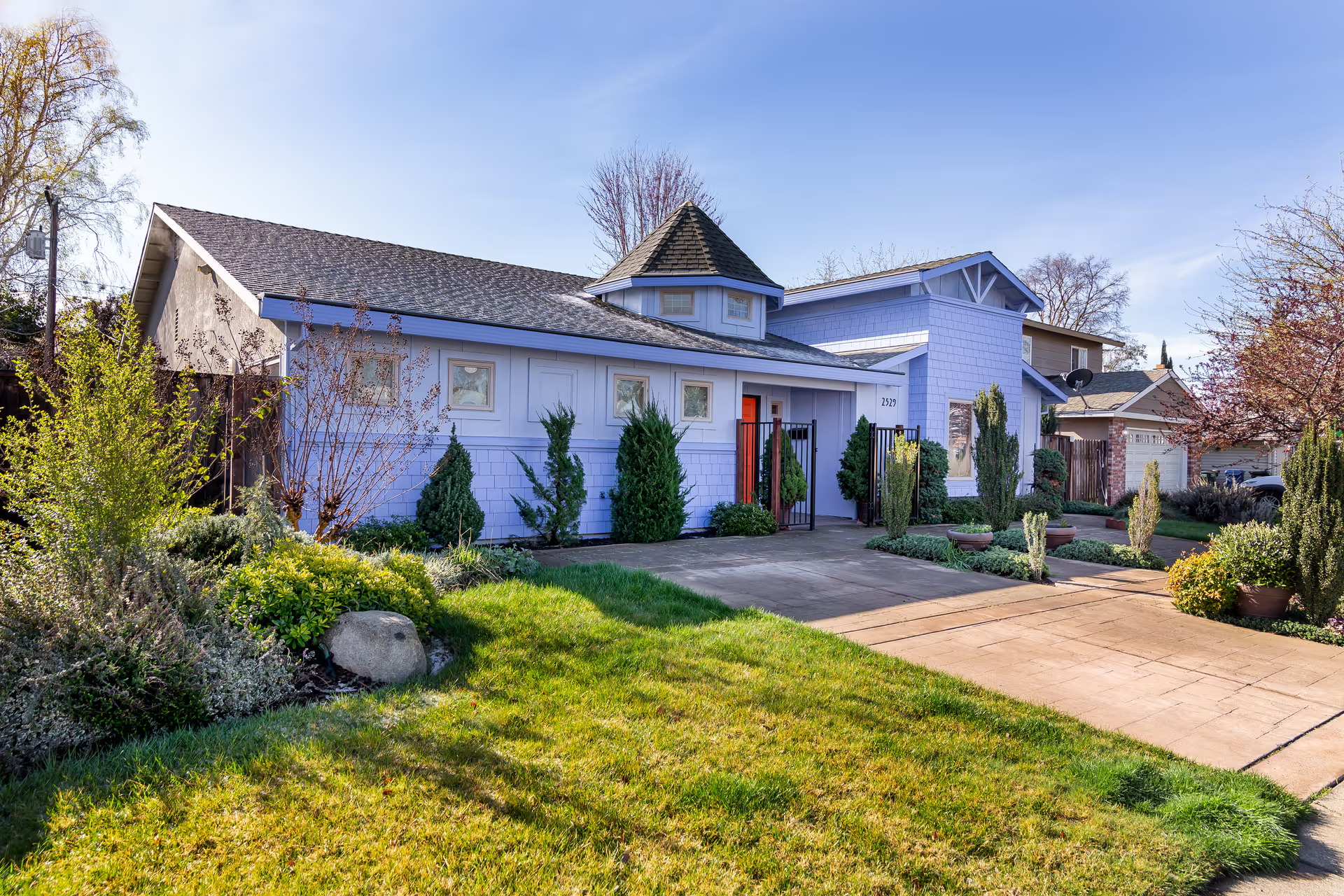
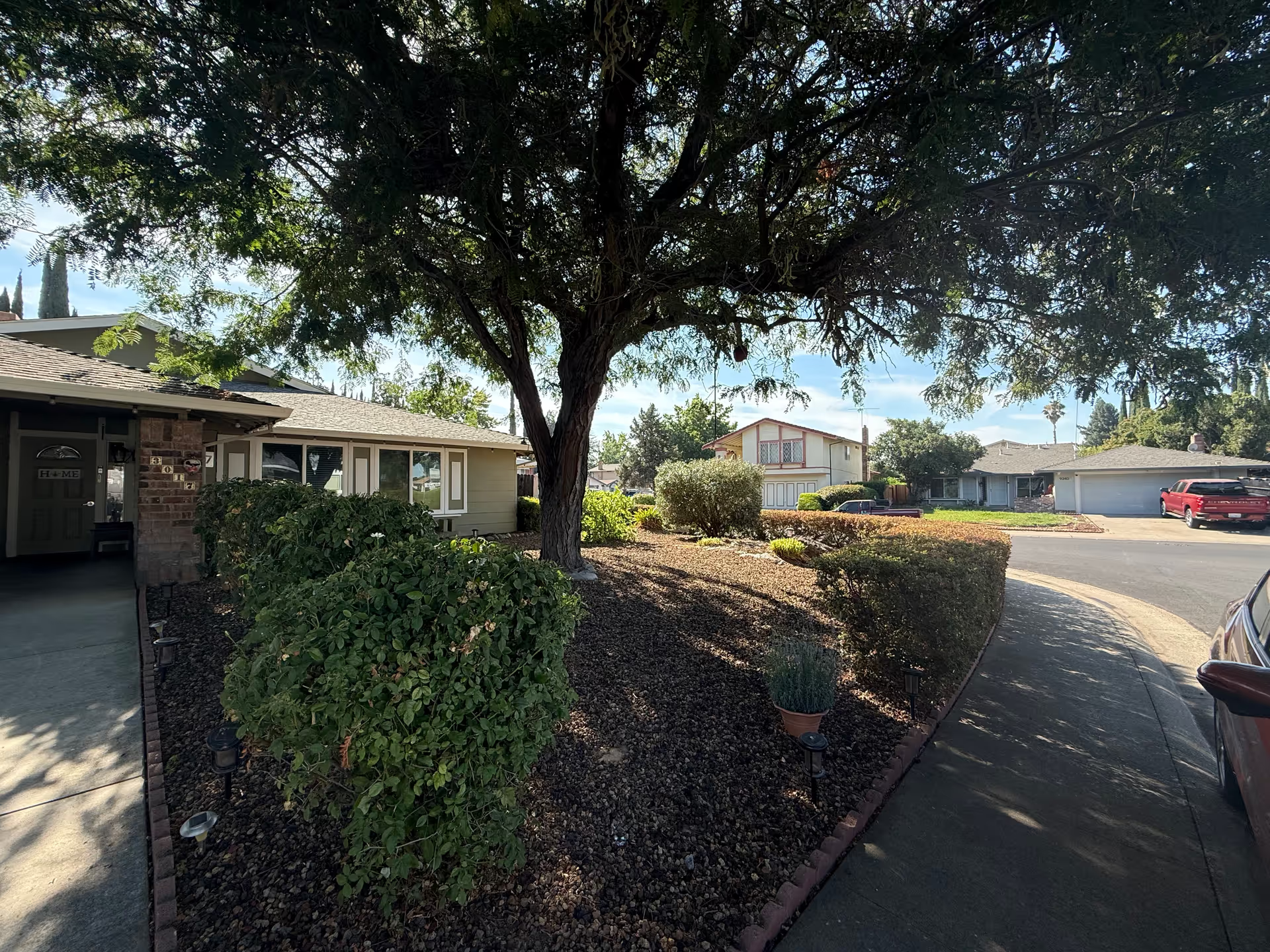
Overall impression: Ivy Park at Sacramento presents as a small-to-medium, well-maintained assisted living and memory-care community with a strong emphasis on personalized, compassionate caregiving. Many families described a warm, home-like atmosphere supported by long-tenured staff, continuity of caregiver assignments, and attentive nursing oversight. The facility's small size contributes to a feeling of individualized attention and frequent direct interaction between staff, residents, and families.
Care and clinical oversight: Clinical care is cited as a strength in multiple accounts—staff are described as competent, proactive, and current with infection-control guidance. Examples of active clinical practices include temperature monitoring, weekly physician visits, and regular communication with families. Hospice and end-of-life support are available and were characterized as compassionate by families who used those services. At the same time, the community appears designed primarily for assisted living and memory-care levels; reviewers who required higher-skilled nursing care indicated a potential mismatch between resident needs and the facility's capabilities.
Staff and management: Staff kindness, responsiveness, and teamwork are recurrently praised; several accounts highlight helpful receptionists, engaged managers, and directors who ease stressful transitions. However, operational strain is evident in descriptions of staffing shortages (notably on some evening shifts) and heavy workloads that can affect capacity. Administrative concerns appear intermittently: families noted billing opacity, occasional unstaffed front-desk coverage, and gaps in admissions/marketing communications. While leadership responsiveness is acknowledged in many cases, administrative consistency and billing transparency are areas where families indicate room for improvement.
Dining and amenities: Dining is frequently noted as a differentiator — the community offers restaurant-style dining with multiple main-course choices, a full menu, and casual options such as sandwiches available throughout the day. Amenities include an on-site hair salon, kitchenettes in some units, pleasant grounds and gardens, and on-site transportation for appointments and outings. These features support quality-of-life goals for residents and are commonly cited in positive experiences.
Activities and social life: The program offers a range of activities including memory-focused classes, crafts, and scheduled field trips. Reviewers described an active calendar and staff who will plan outings quickly. Persistent themes include low resident participation in some activities and a perceived lack of formal activity-staffing in certain periods; the absence of a dedicated recreation therapist or activity director was raised as a concern that could limit consistency and resident-driven programming. Some families also wanted more solicitation of resident input into activity planning.
Patterns and trade-offs: Two consistent trade-offs emerge. First, the community's boutique, high-touch model appeals to families seeking a small, attentive environment but carries a premium price; several families raised concerns about cost, hidden fees, and unclear per-day versus monthly pricing. Second, infection-control policies and visitor restrictions implemented during infection events are viewed differently by different families—some appreciate the proactive, safety-first approach, while others perceive the policies as overly restrictive and disruptive to resident comfort. Finally, practical constraints such as small apartment sizes and second-floor concentration of rooms may be limiting for those seeking larger units or greater accessibility.
Bottom line: Ivy Park is generally characterized by strong interpersonal caregiving, clean and attractive facilities, robust dining, and personalized attention. Prospective residents and families should weigh those strengths against operational considerations: pricing transparency, unit size, activity staffing consistency, and whether the community's clinical level aligns with anticipated future care needs. Meeting with leadership to discuss billing details, activity leadership, staffing patterns on specific shifts, and access/transportation logistics will help determine fit for a particular resident.