Care quality and staff: Reviews present a mixed but instructive picture. Frontline caregivers are widely described as compassionate, knowledgeable about dementia, and responsive; families repeatedly praised staff for individualized attention, hospice support, and a capacity to address concerns promptly. Several accounts emphasize formal or informal dementia training among caregivers and an emphasis on maintaining resident engagement and mobility. At the same time, a subset of reviews raises clinical concerns about medication oversight and inconsistent follow-through on external physicians' orders; prospective families should clarify medication-administration policies and documentation practices during tours.
Dining and activities: The facility is characterized by a holistic, memory-care approach to nutrition and activity. Many families highlighted plant-based menus, memory-focused dietary choices, and home-remedy practices such as specialty teas that are integrated into the daily routine. Activity offerings appear to prioritize movement and social engagement — examples include walking, dancing, and exercise-focused interactions — and the presence of companion animals is noted as a meaningful benefit for residents who respond well to pets.
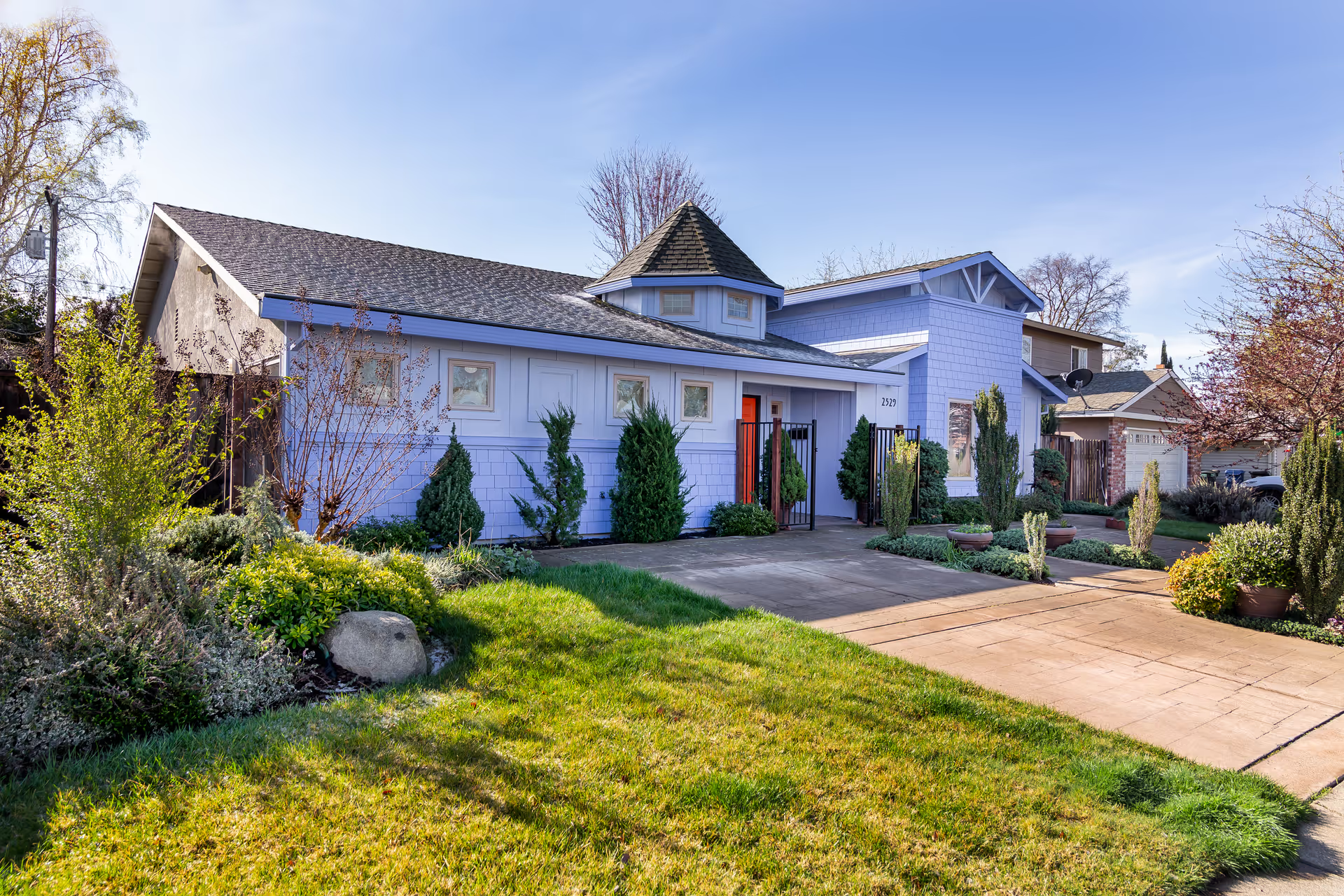
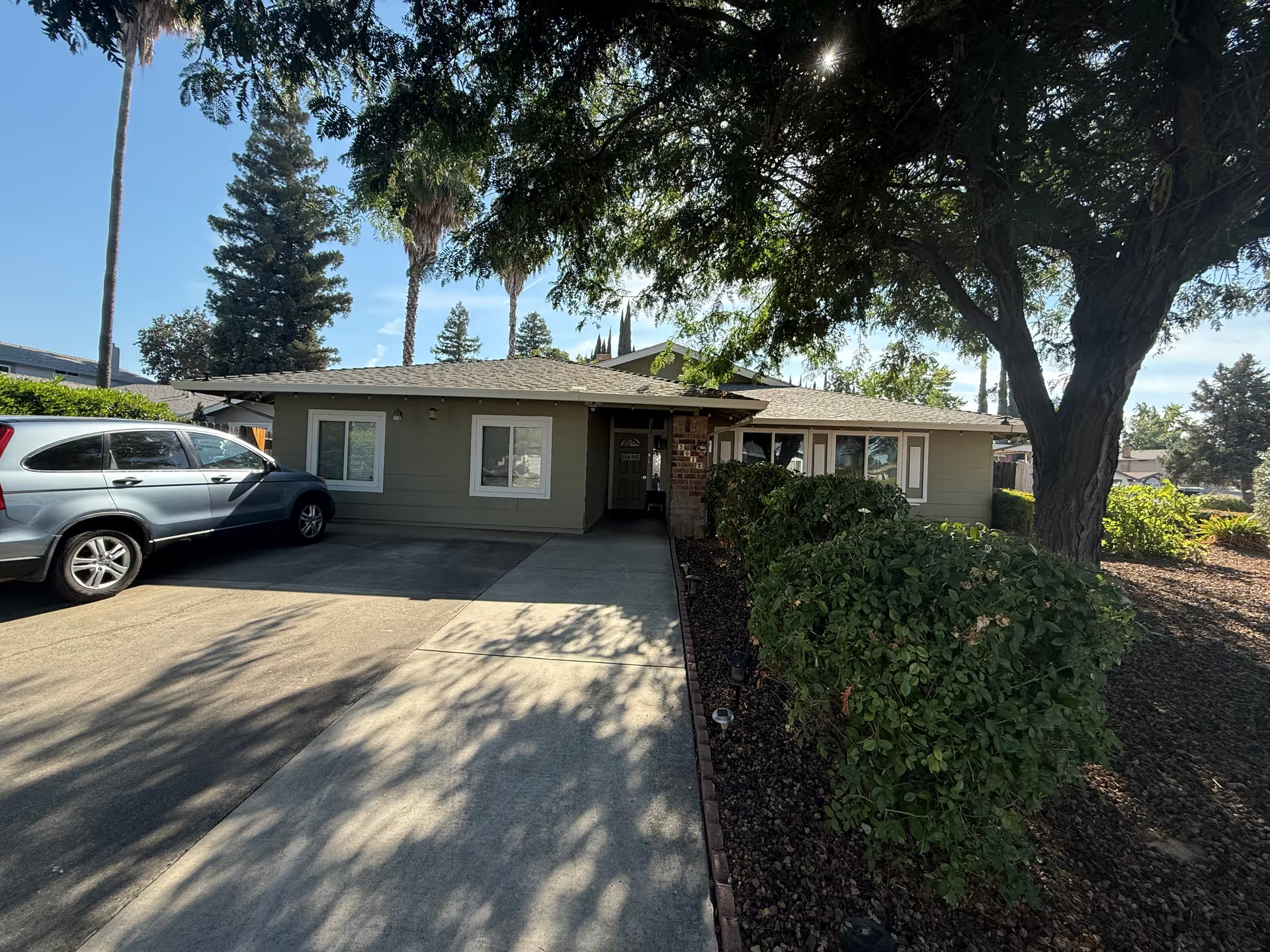
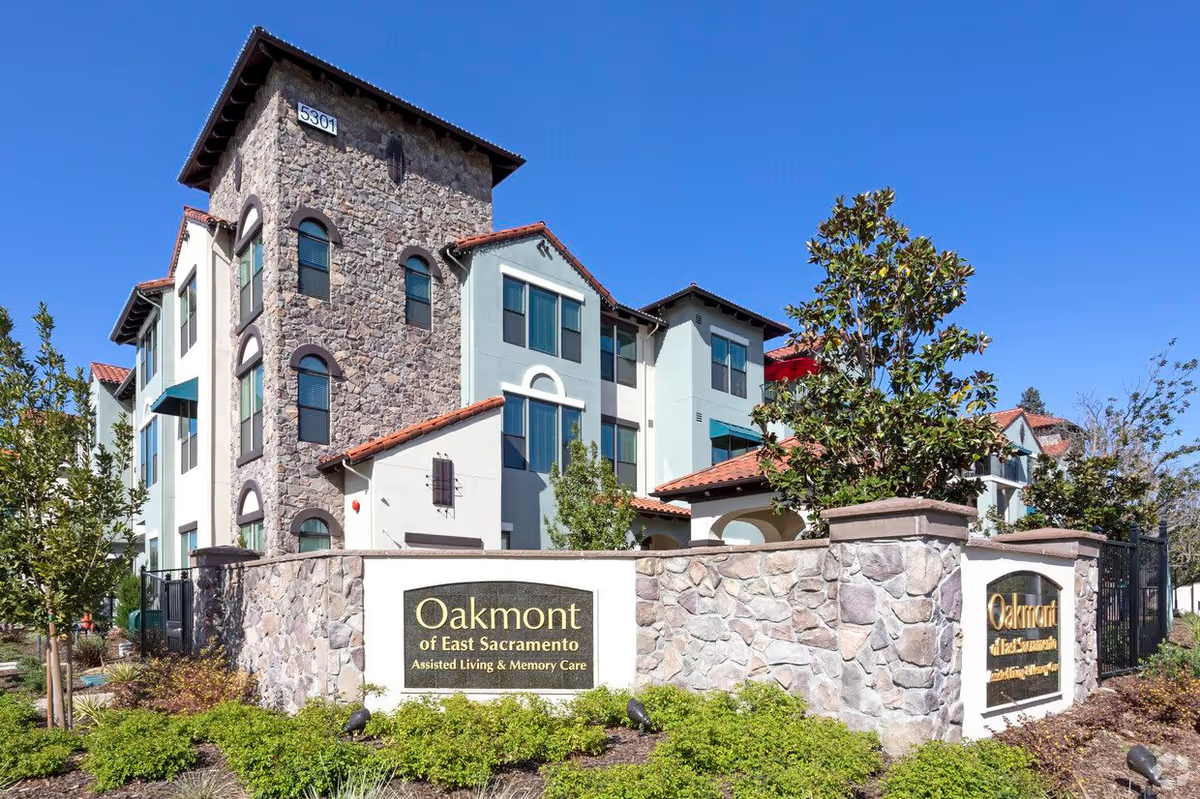
Facilities and atmosphere: The environment is frequently described as home-like and supportive, with multiple locations operating under a similar model. Families who valued a smaller, personalized setting and owner-driven philosophies found those attributes appealing. Prospective residents who prioritize pet access, a plant-forward diet, and activity-based memory care may find the setting aligned with their preferences.
Management and notable patterns: Management is a visible influence on care culture. The owner’s hands-on clinical philosophy — including a no-sedation orientation and alternative/holistic remedies — is a distinctive feature that some families appreciate and others view as a source of tension. Reviews indicate inconsistencies between management practice and staff execution in a few operational areas: communication transparency, visitation flexibility, and adherence to external medical directives. A regulatory citation by the state's licensing authority was mentioned, which suggests families should review licensing history and follow-up actions when evaluating the facility.
Areas for inquiry: Based on the patterns above, prospective families should ask targeted questions about medication administration controls, procedures for implementing physician orders, visitation policies and how exceptions are handled, infection-control protocols during visits, and incontinence-care and sanitation procedures. Also inquire about pricing structure and what is included versus billed as an add-on to determine value.
Overall impression: Jazba Care Tuolumne appears to offer a warm, dementia-focused, and activity-oriented environment with strengths in staff compassion, individualized care, and holistic dining and programming. However, the facility also exhibits operational risks tied to medication oversight, management–staff alignment, visitation flexibility, and certain clinical practices. These mixed signals make it important for families to perform direct checks — review licensing documentation, observe care routines, and discuss specific clinical and visitation policies — before making a placement decision.