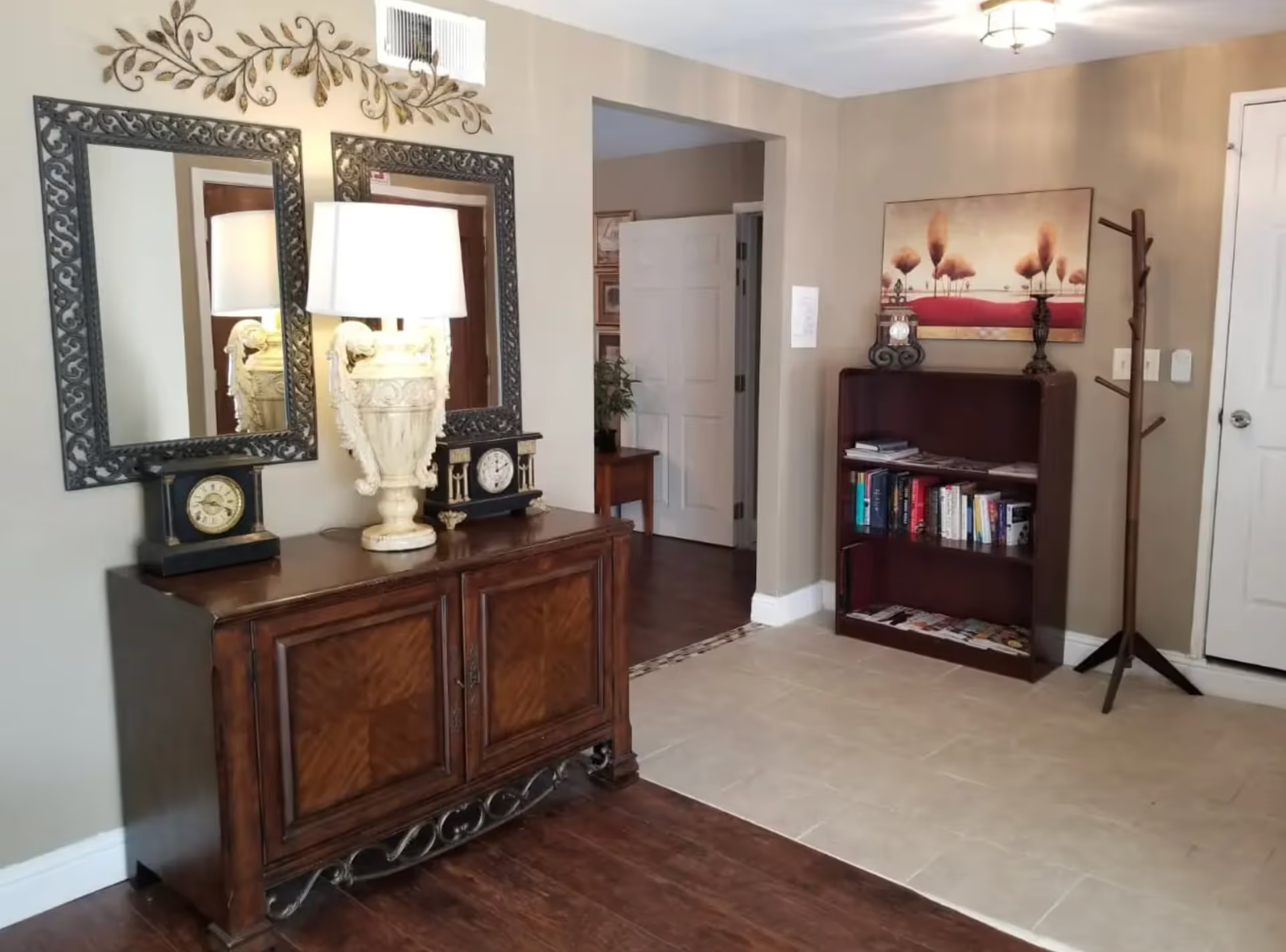
Overall impression: Siebenthal Elder Care Home is frequently described as a small, home-like residential option with a staff culture that many families characterize as compassionate and personally invested. Positive accounts emphasize engaged caregivers who provide individualized attention, encourage residents to remain active, and work as part of a care team that includes families and outside clinicians. The facility offers a breadth of daily activities, exercise options, social events, and community outings; multiple reviews highlight an inviting, family-style atmosphere and well-kept outdoor spaces.
Care and staff: The dominant strength across reviews is the caregiving team. Caregivers are frequently praised for hands-on involvement, proactive communication (text messages and photos), accompanying residents to medical appointments, and adapting day-to-day to residents' fluctuating physical and cognitive needs. Families note personalized approaches, encouragement of resident participation in chores and exercise, and meaningful end-of-life/hospice support. At the same time, several families expressed concern that staffing instability and turnover have, at times, reduced consistency of care and contributed to a perceived decline from earlier standards.
Dining and activities: Activity programming appears robust — music, chair exercises, group participation, birthday celebrations, and trips are commonly cited. However, participation levels vary by resident, so the presence of many activities does not guarantee individual engagement. Meal service receives mixed feedback: some families appreciate accommodating staff and homey meals, even for picky eaters, while others describe a decline in meal quality and continuity (including greater reliance on prepared or outside foods). Prospective families should clarify current meal sourcing and how special diets are handled.
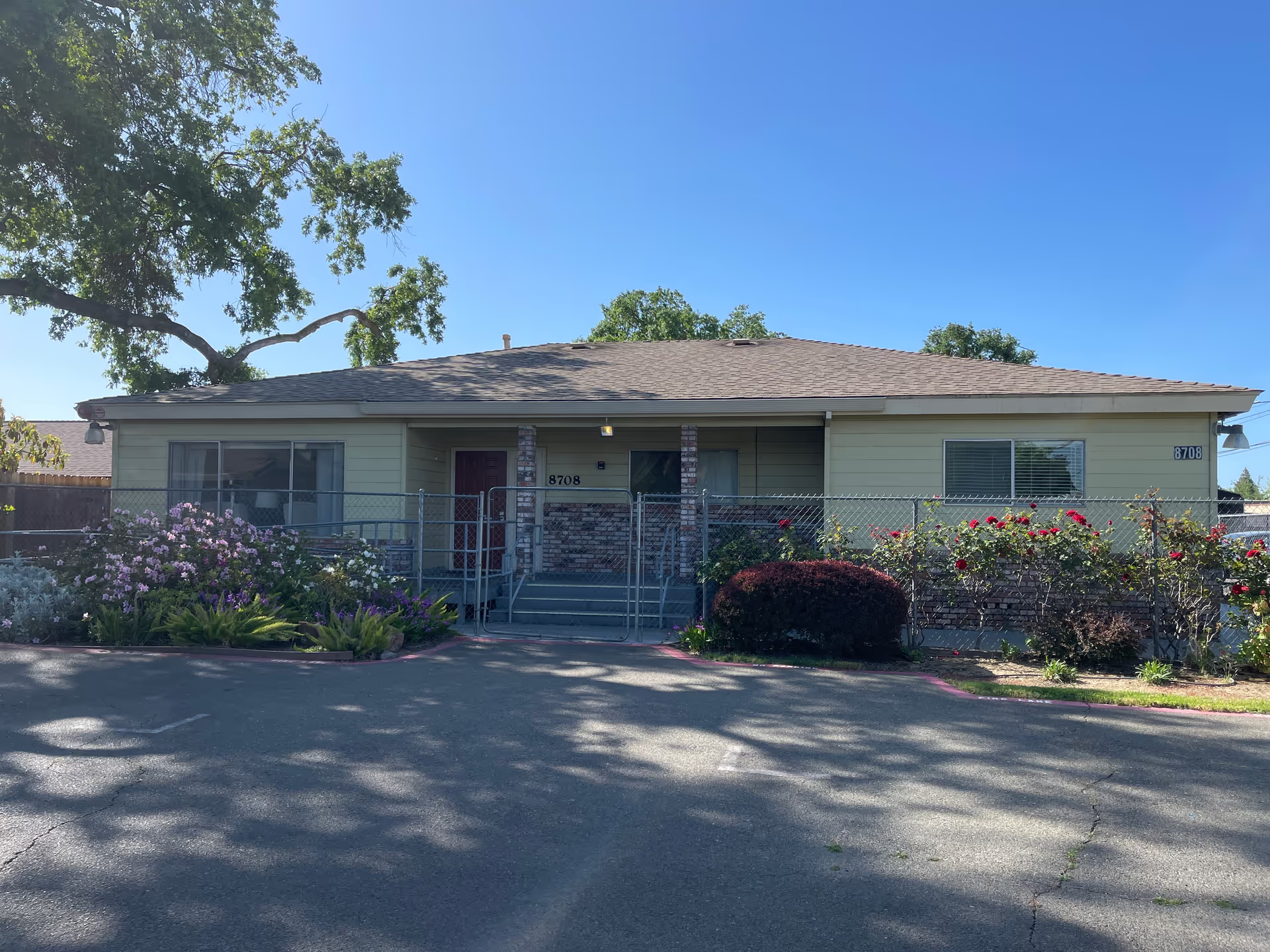
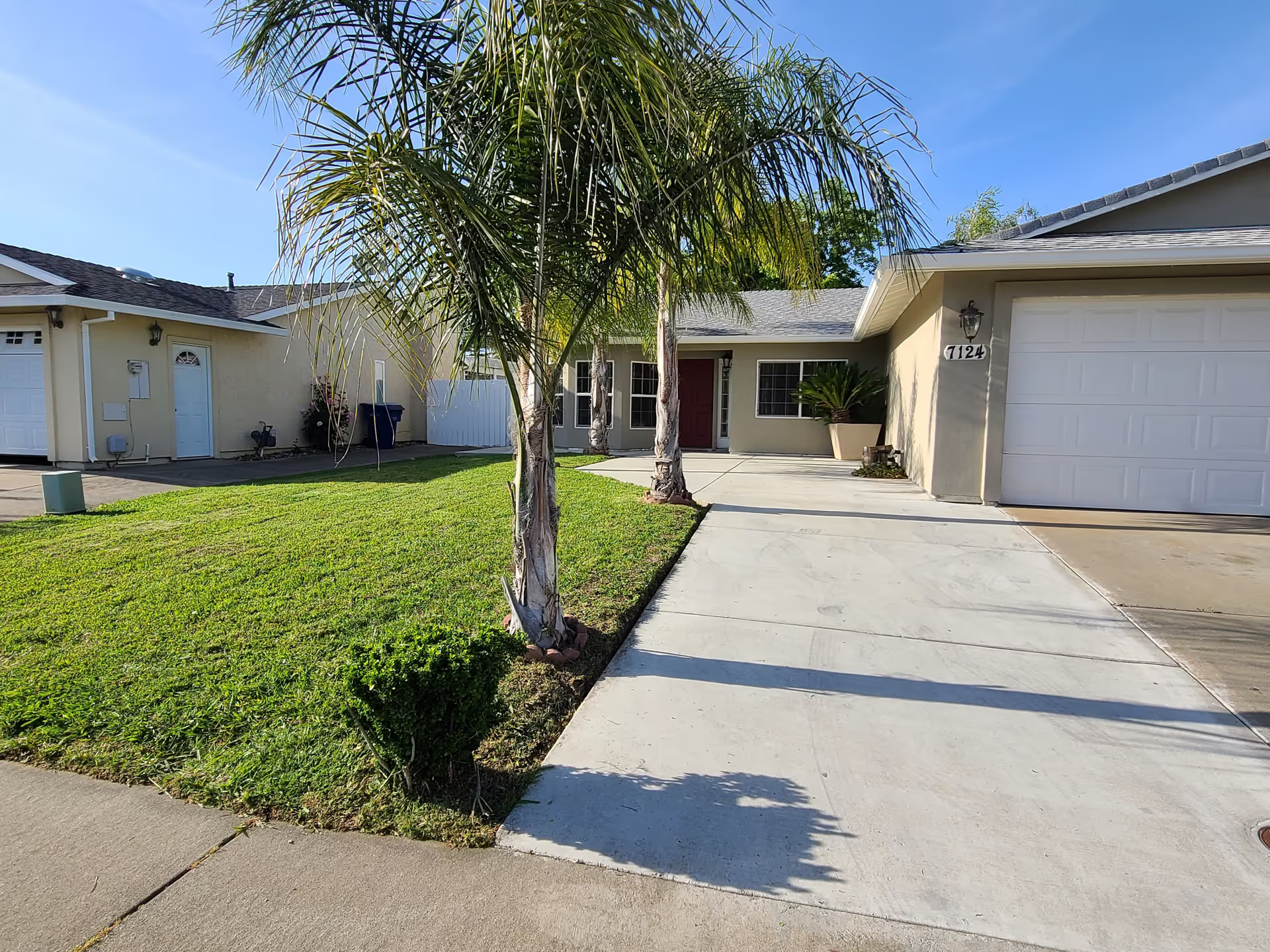
Facilities and operations: The setting is described as intimate and home-like, with tidy grounds and family-style dining in a smaller two-house arrangement. Facility-level operational concerns include sanitation issues in some common areas and occasional pest-control gaps, inconsistent laundry/clothing care, limited private room size with shared bathroom arrangements, and supervision/orientation gaps for residents with cognitive impairment. Some reviewers also noted uneven responsiveness during tours or delays in visitation access, which can create unease for families. A few comments suggest ownership and management attention are divided at times, which reviewers linked to operational variability.
Notable patterns and recommendation: The overall pattern is one of strong, heart-centered caregiving delivered within a small, community-oriented home, tempered by operational inconsistencies tied to staffing and management oversight. Families attracted to a smaller, personable environment and proactive caregiver communication may find the model a good fit; those prioritizing consistently high culinary standards, larger private rooms, or tightly regimented operational systems should seek clarifications during a tour. Before placement, ask about current staffing ratios and turnover, meal sourcing and special-diet protocols, sanitation/pest-control procedures, laundry processes, visitation policies, and how supervision is handled for residents with cognitive impairment.