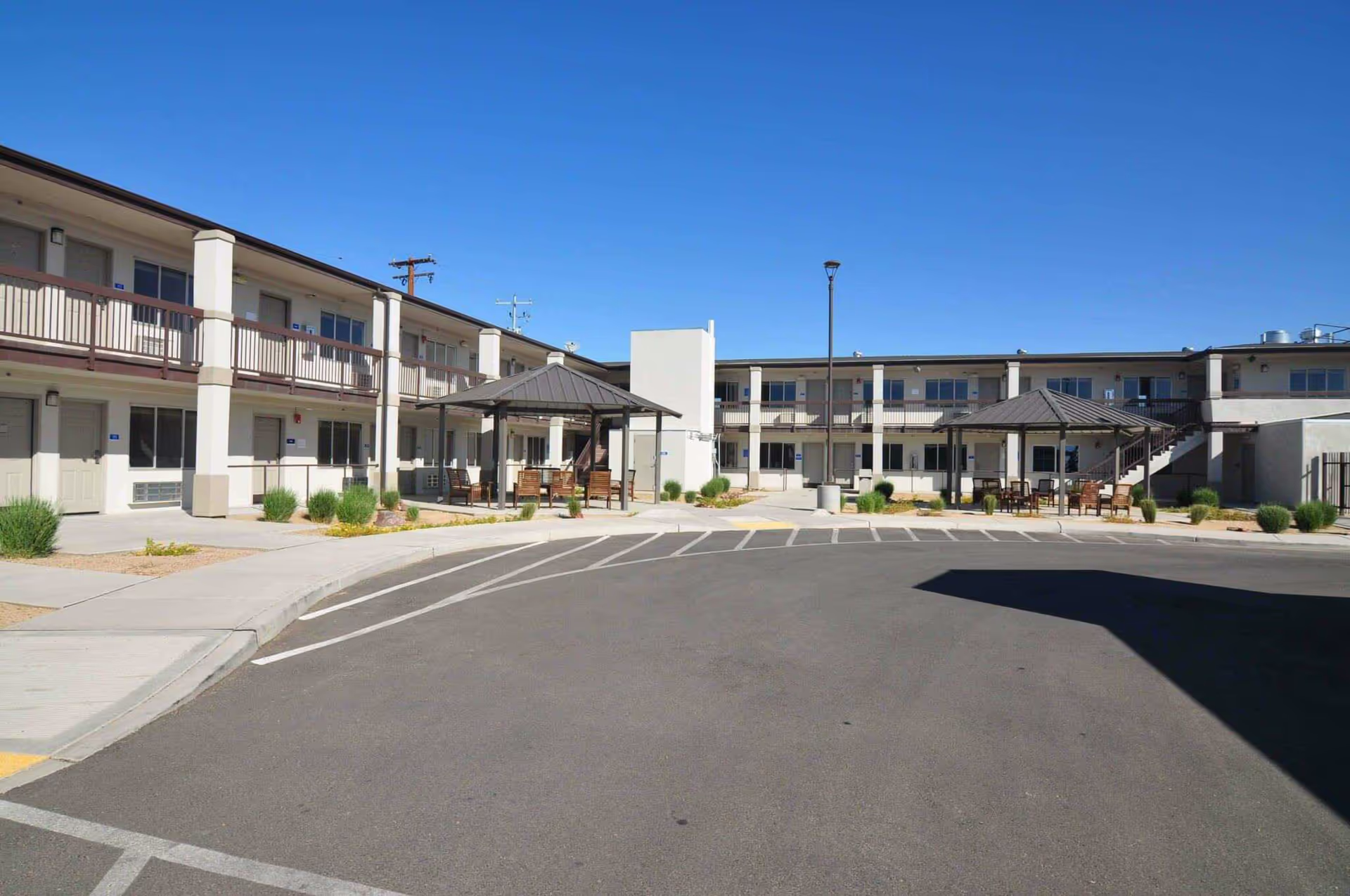
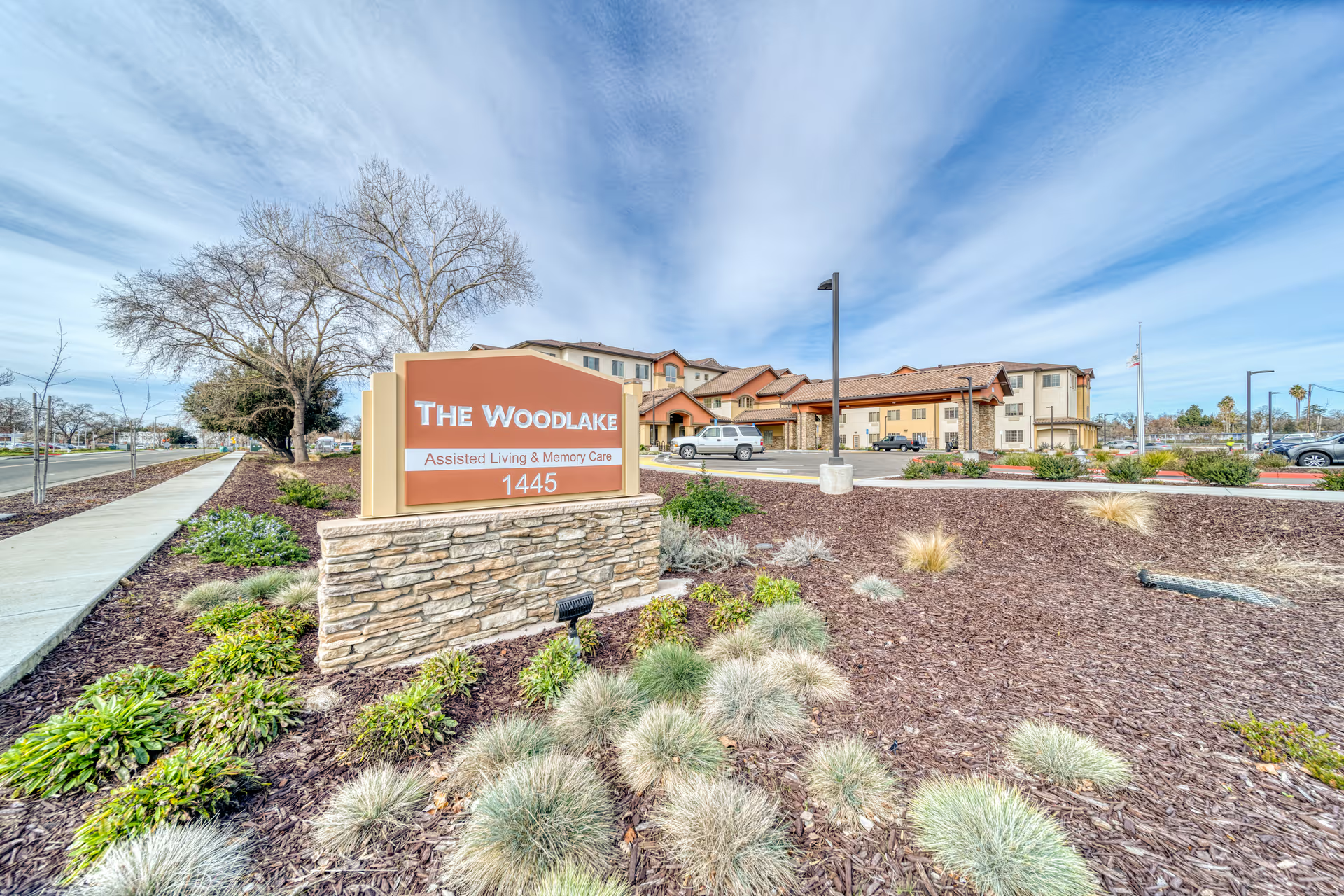
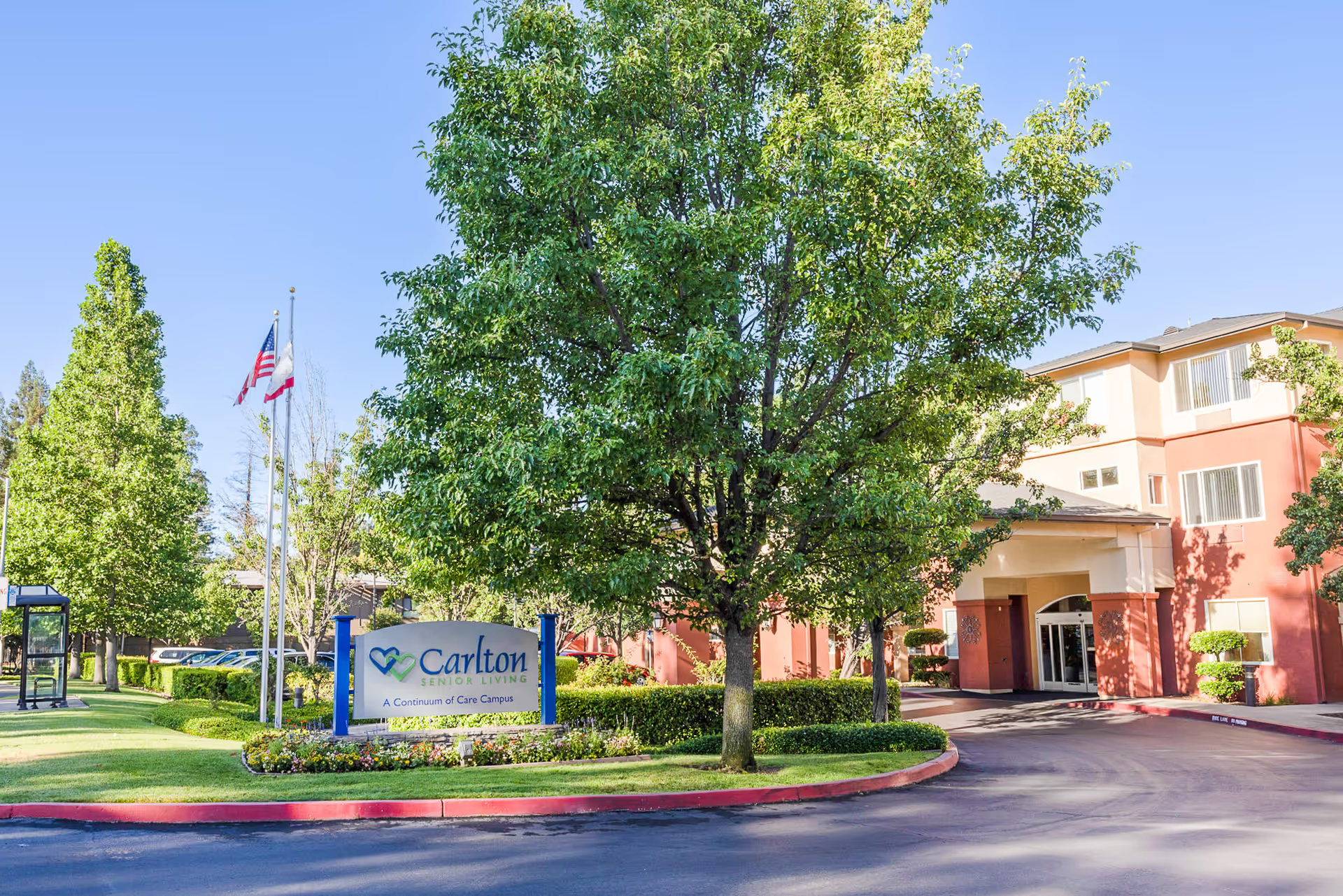
University Post-Acute Rehab receives frequent praise for its clinical rehabilitation capabilities and the compassion of its direct-care teams. Physical and occupational therapy staff are repeatedly described as skilled and effective, and many families credit the therapy program with measurable functional improvement. Wound care nursing, coordinated discharge planning, post-discharge follow-up, and person-centered care are also commonly identified strengths. The facility includes recent renovations and amenities that contribute to a clean, comfortable, and resort-like environment; several reviewers highlighted private rooms, a spa-like feel, and a generally odor-free, well-maintained interior.
Staff are the most commonly cited asset: nursing, therapy, CNAs, and administrative intake personnel are often characterized as friendly, attentive, and communicative. Multiple accounts mention a warm, family-like culture, helpful admissions experiences, dog-friendly visitation, meaningful peer interactions during recovery, and kitchen staff who produce high-quality meals. These elements create an environment that many families and residents find supportive for short-term post-acute rehabilitation.
At the same time, reviews reveal recurrent operational weaknesses. The most consistent concern is inconsistent staff responsiveness — long call-button delays and uneven attention during night shifts and peak times were described in a number of accounts. Relatedly, reviewers describe variable staffing levels that can limit direct-care availability and affect basic personal-care practices such as bathing and toileting. Therapy delivery is generally strong but scheduling and bedside-therapy availability were sometimes inconsistent, with a few accounts indicating limited therapy minutes during critical periods.
Dining and service operations present a mixed picture: while many families praised the kitchen and meal quality, others reported inconsistent meals, delivery errors, and frustrations with specific items. Communication gaps between staff and families, and between shifts, were also reported; these include delayed responses to family inquiries and inconsistent updates on care issues. Several reviewers noted limited physician on-site availability and wanted stronger clinical oversight at times. A subset of reviews raised more serious governance concerns, including management responsiveness and mention of past litigation or a settlement, which reviewers cited when discussing accountability and follow-through on complaints.
For prospective residents and families, the facility appears to offer strong rehabilitative care and a generally pleasant physical environment, supported by many dedicated clinicians and staff. However, consider asking targeted questions during a tour about staffing ratios (especially nights), call-button response expectations, average daily therapy minutes and scheduling, physician coverage, and the facility’s process for addressing family concerns. Those operational details will help determine whether the facility’s strengths align with an individual resident’s needs and risk profile.