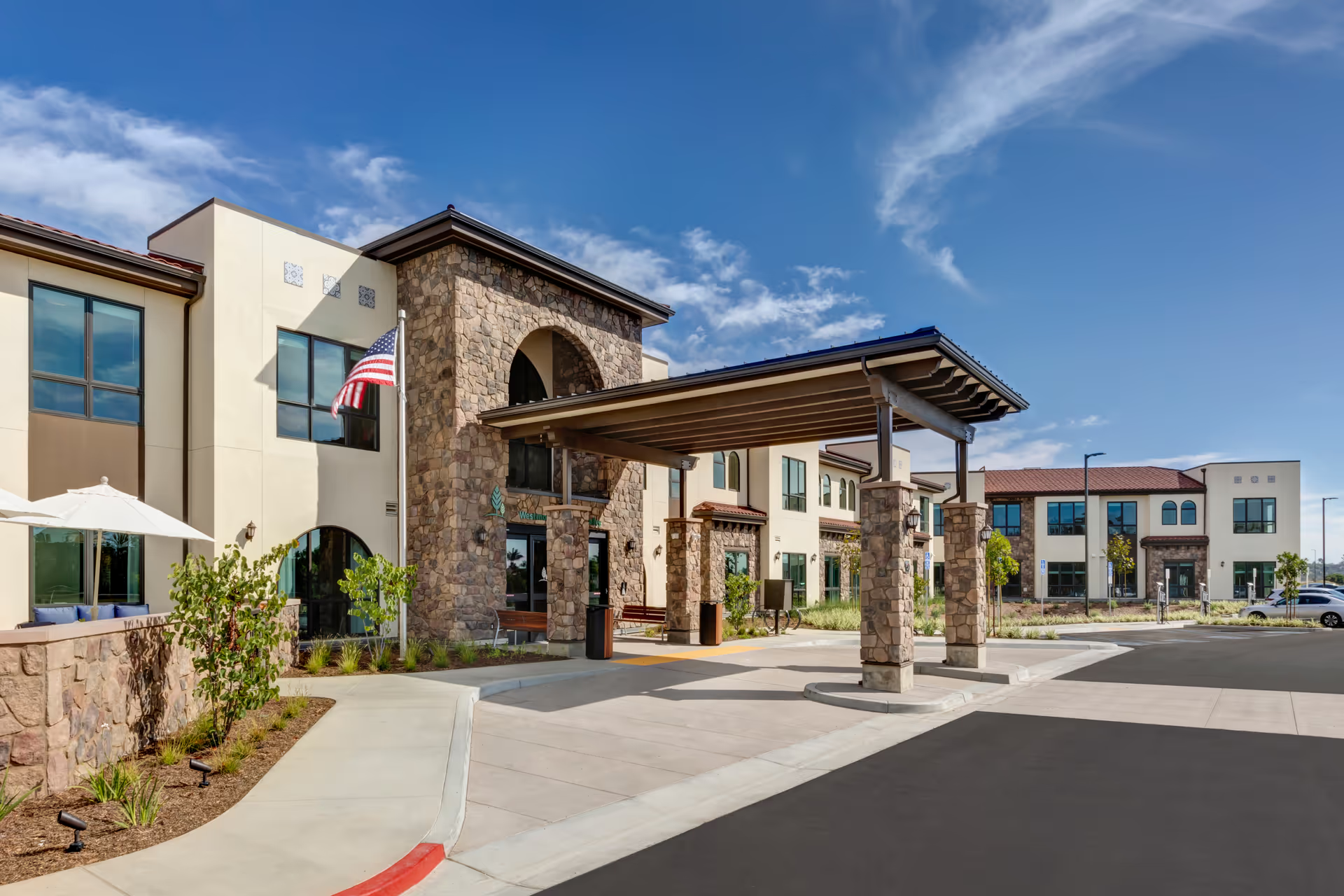
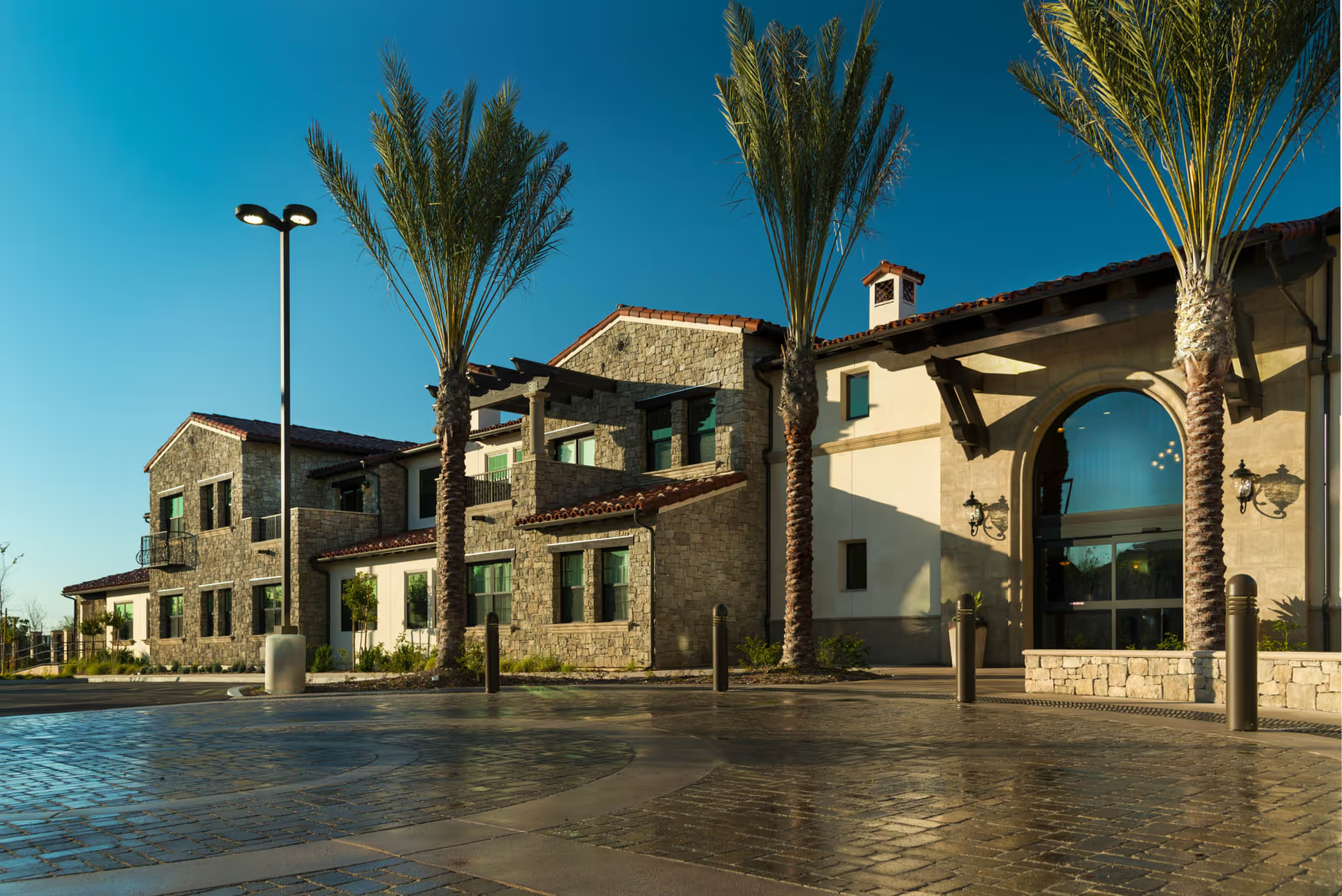
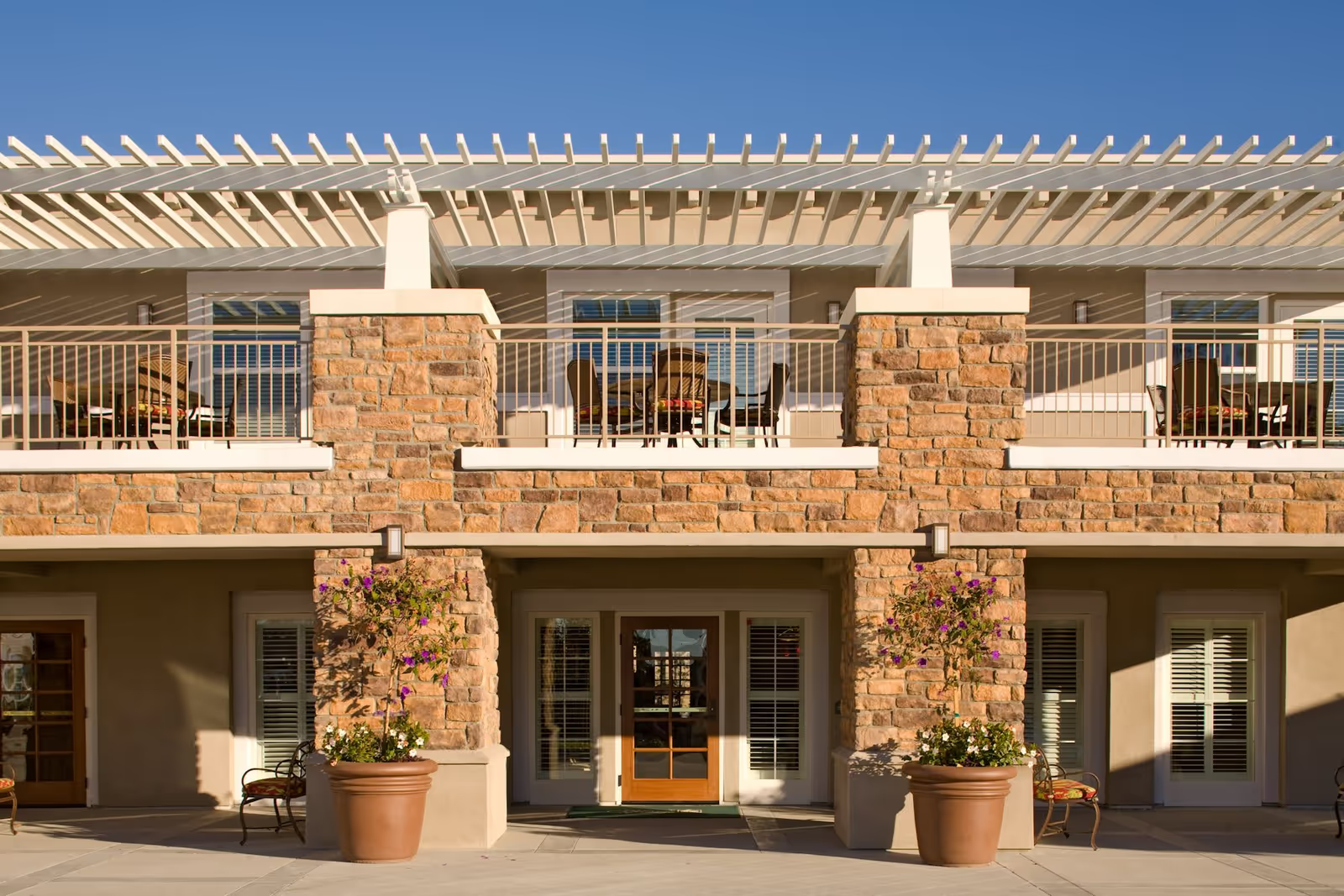
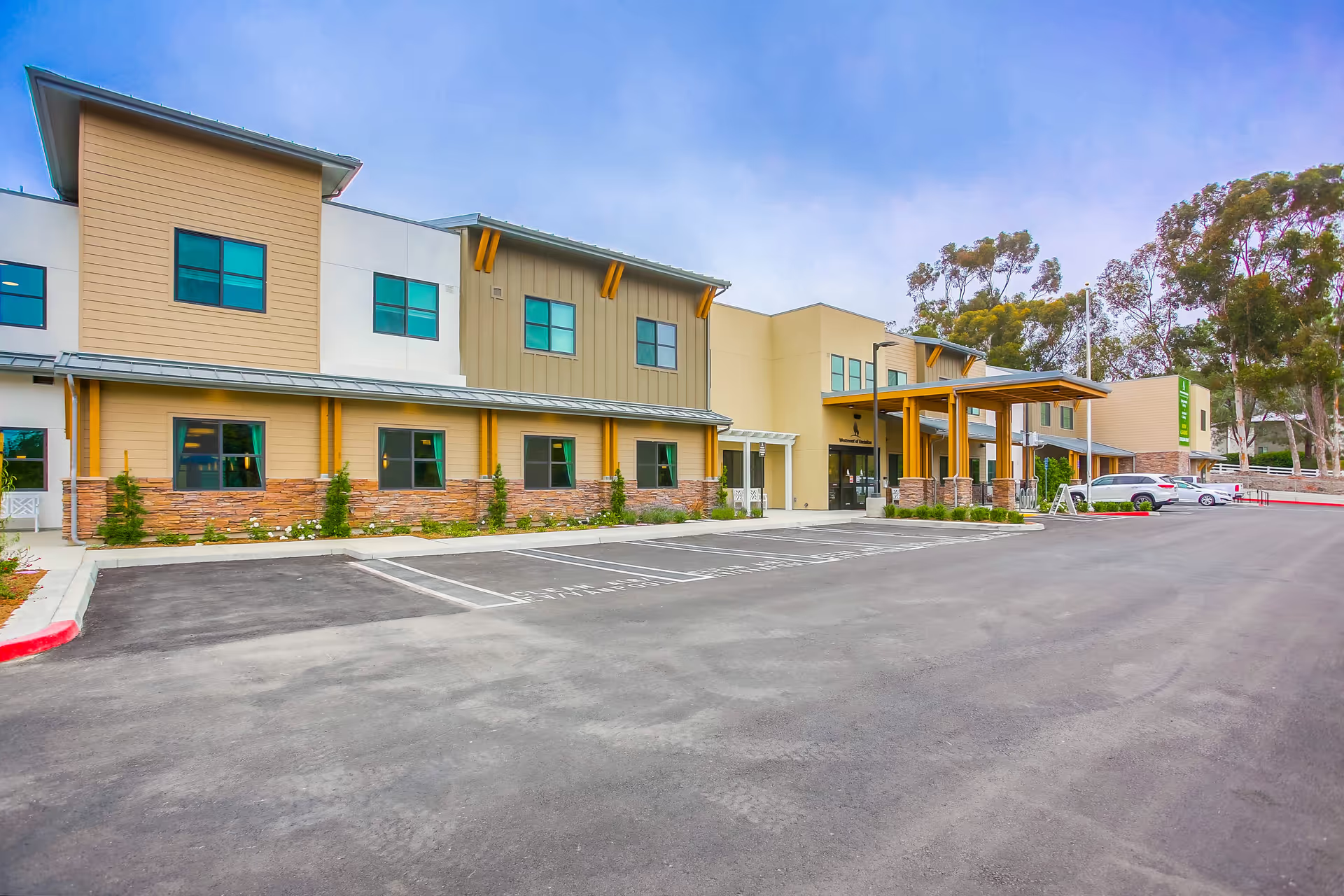
Bayshire Torrey Pines presents a mixed but largely positive profile: the strongest and most consistent praise centers on direct-care staff and rehabilitation services. Many families and residents described caregivers, nurses, and therapists as attentive, compassionate, and effective—particularly the physical and occupational therapy teams and short-term rehab programs that support recovery after illness or injury. Admissions and case-management functions are frequently described as organized and helpful, and housekeeping and maintenance are often noted as keeping the building and grounds clean and attractive.
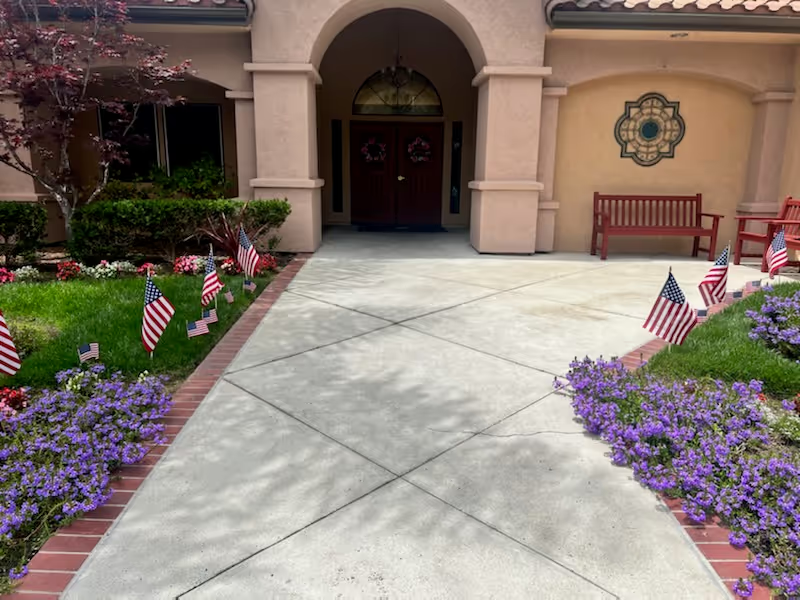
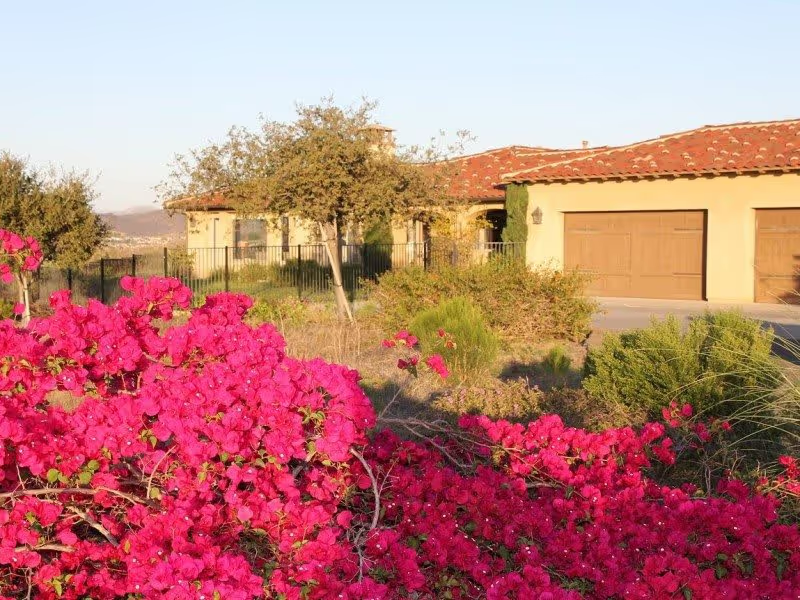
Dining and activities are another recurrent strength. Reviewers commonly praised varied menus, appealing meal presentation, and mealtime entertainment such as piano music. The community offers an active calendar with programs that encourage social engagement and recovery-focused therapies. Outdoor amenities—walking paths, fountain patios, and landscaped grounds—are repeatedly mentioned as pleasant features that support resident well-being.
At the same time, a number of consistent operational concerns appear across reviews. Staffing levels and shift coverage are uneven, with reports of slow call-button responses and longer waits for assistance—particularly at night. Reviewers also flagged variability in staff training and competency, which can affect consistency of care. Related clinical concerns include lapses in medication administration and follow-up care in isolated cases; these accounts suggest a need for clearer medication-handling protocols and family communication pathways.
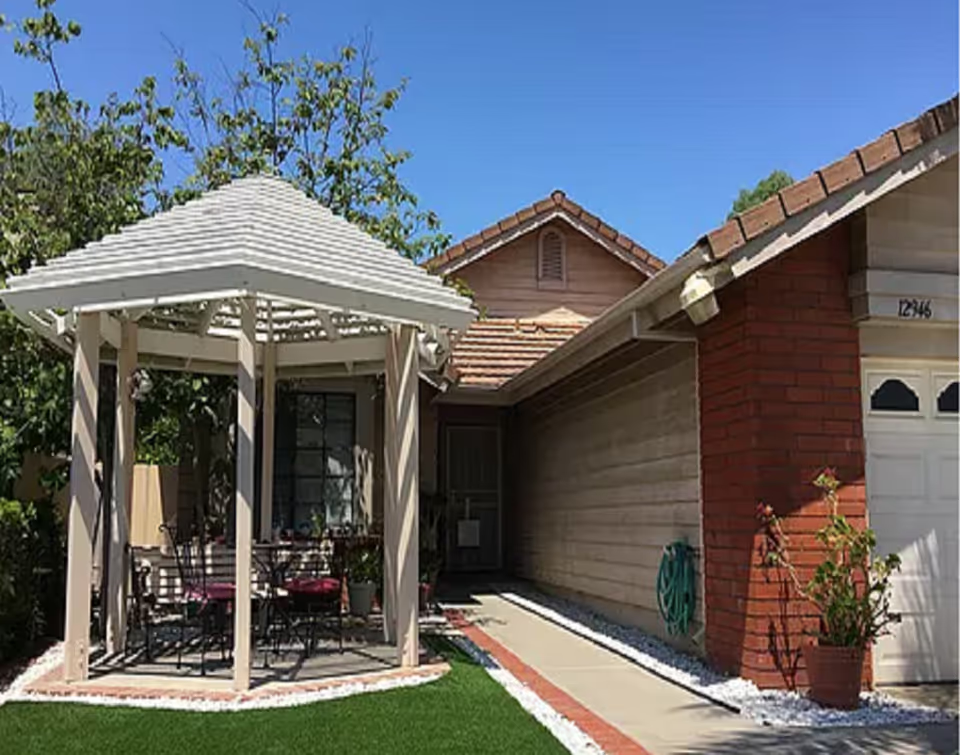
Facility condition and amenities show a split picture: many reviewers find the community clean, well-kept, and welcoming, while others describe an older building with smaller private rooms and limited in-room amenities such as phones or TVs. Maintenance responsiveness is sometimes uneven—some families cited repairs or equipment issues that were slow to be addressed. Meal timing and food-service continuity have occasional interruptions or delays, producing inconsistent experiences for some residents.
Management and administrative practices draw mixed evaluations. Admissions and frontline staff often receive positive remarks, but several families reported confusing billing statements and frustrating interactions around financial or discharge processes, with at least a few serious complaints about eviction or billing disputes. There are also perceptions among some reviewers that corporate responsiveness and leadership follow-up can be limited, and a small subset described restrictive visitation or documentation policies that complicated initial tours or family access.
What this pattern suggests for prospective residents and families: Bayshire Torrey Pines appears to deliver strong, recovery-oriented clinical services and warm resident-facing staff, supported by attractive grounds and a robust activities program. However, operational variability — particularly around staffing consistency, clinical handoffs, maintenance responsiveness, and billing/transparency — is an identifiable pattern. When evaluating the community, prospective families should ask targeted questions about staffing ratios (including RN coverage), call-response metrics, medication-administration procedures, maintenance turnaround times, billing itemization and dispute processes, and policies for respite or dementia-level care. An on-site visit during different shifts, and direct conversations with therapy, nursing leadership, and business office staff, will help clarify how the facility’s strengths align with an individual resident’s needs.