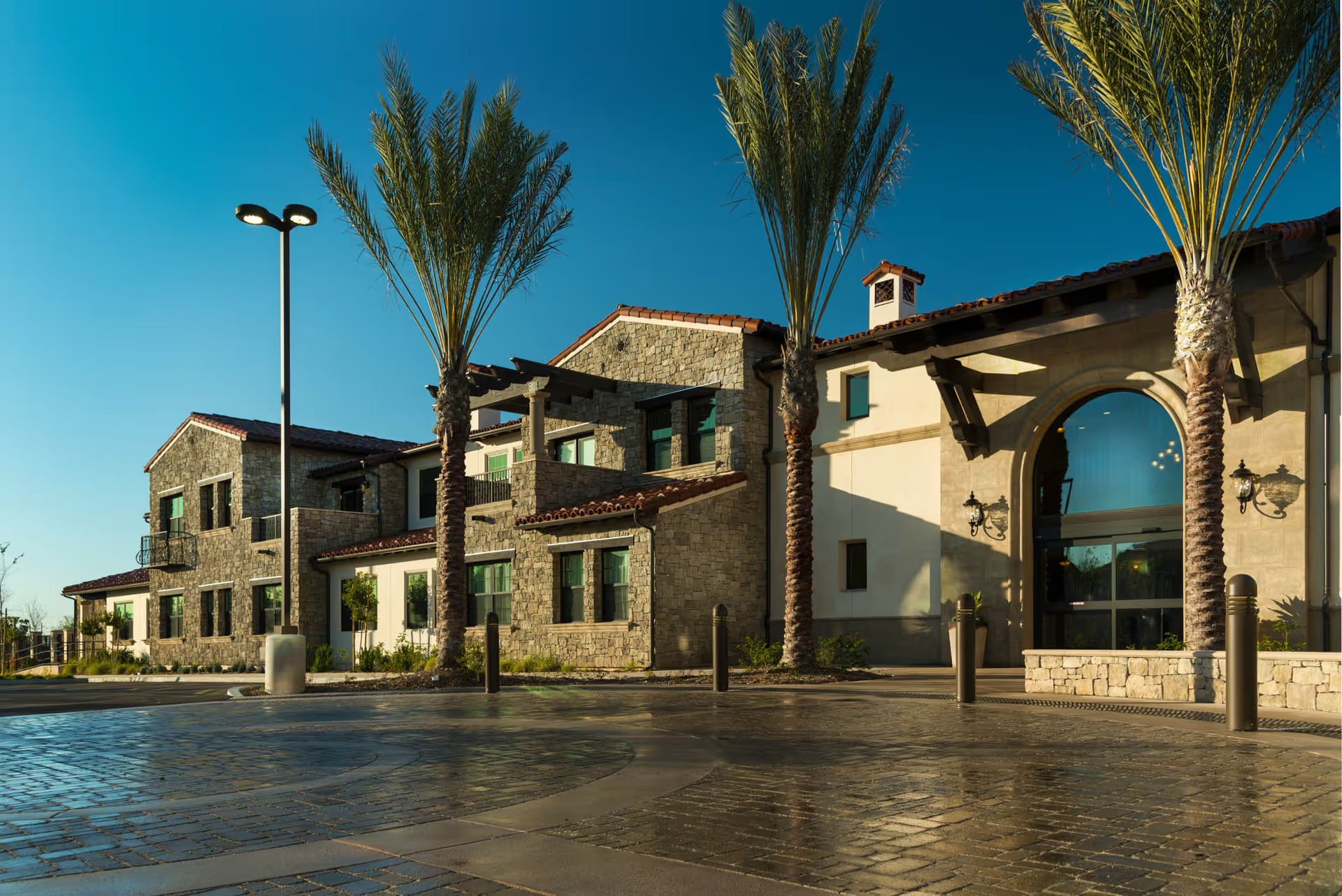
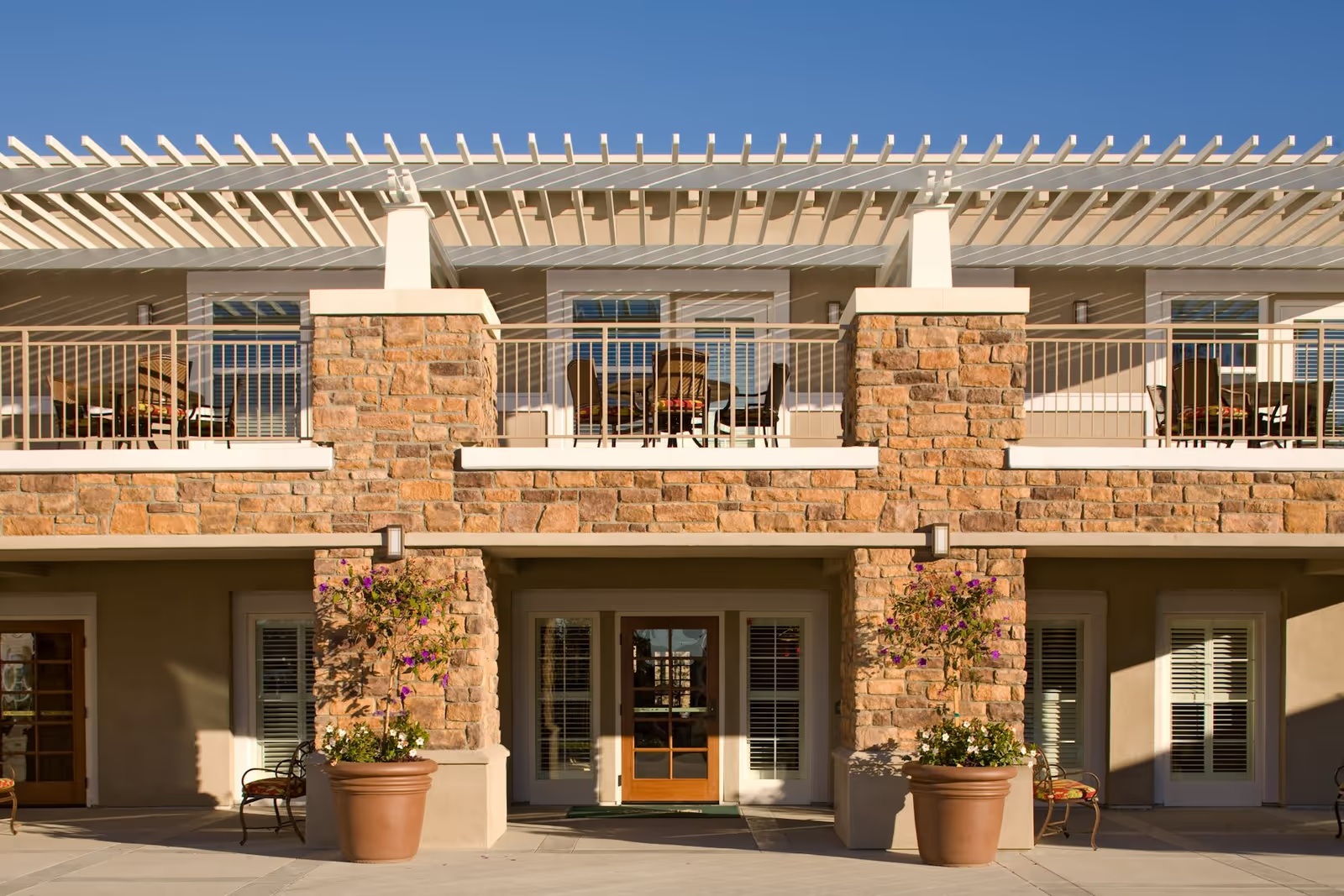
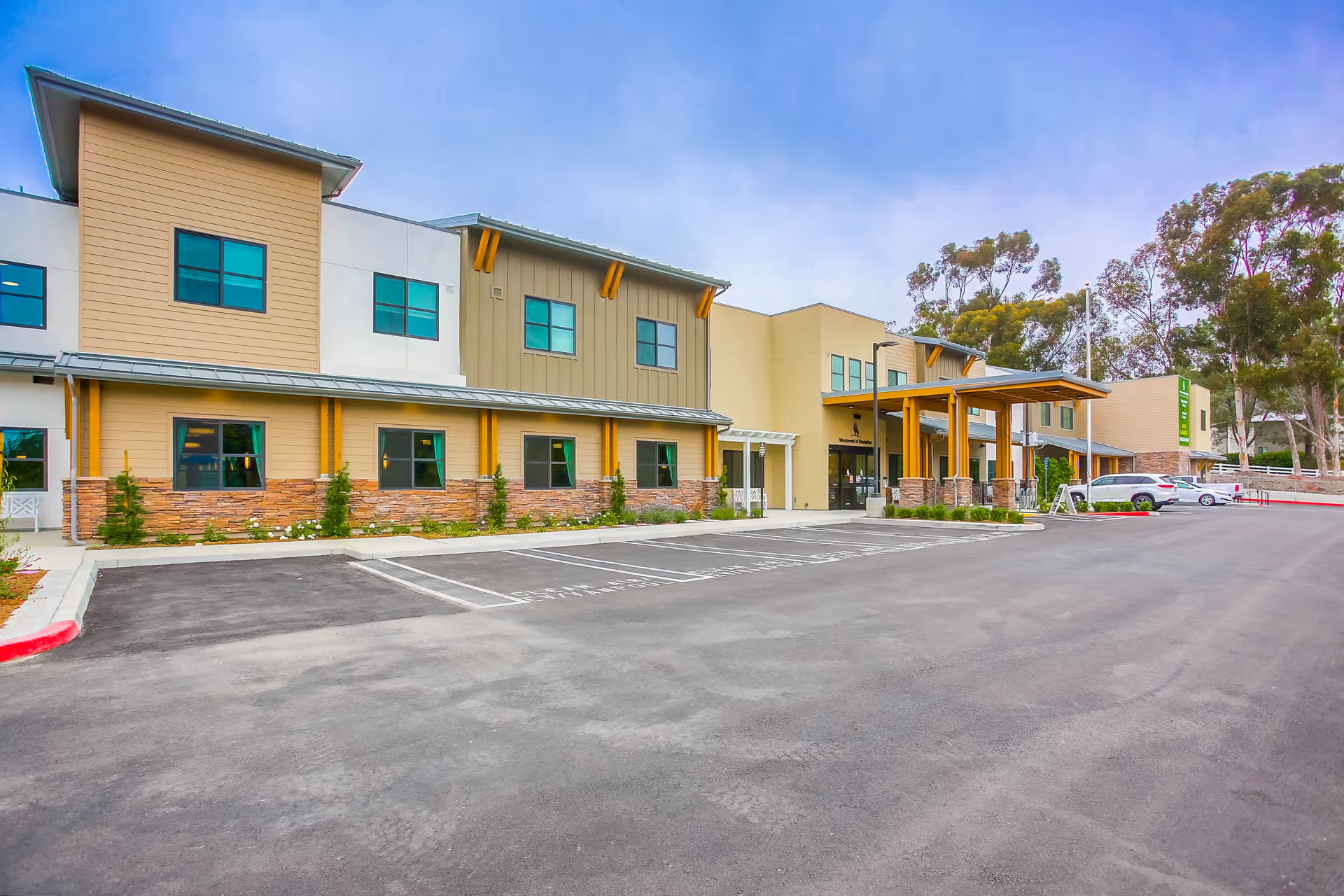
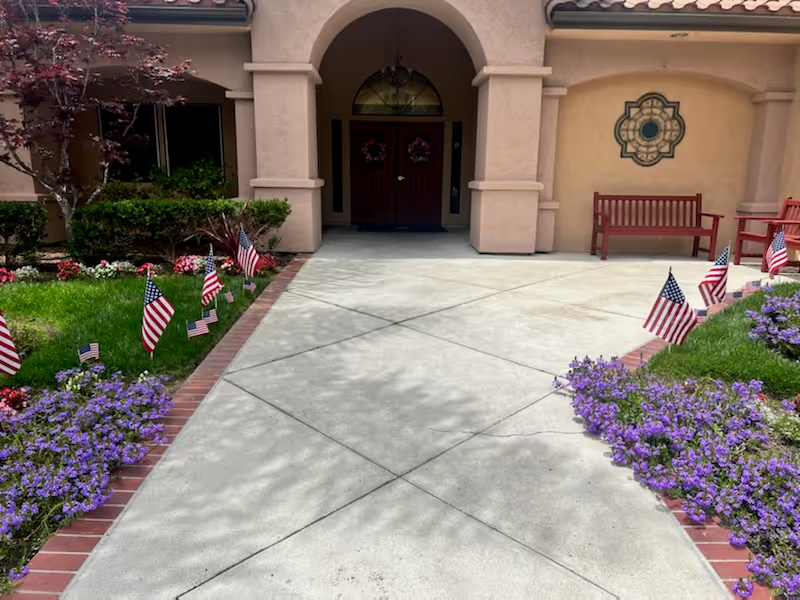
Westmont of Carmel Valley is consistently described as a modern, hospitality-oriented retirement community with strong social programming, attractive amenities, and a scenic location. Reviewers emphasize a welcoming culture, frequent on-site entertainment (live music, happy hours), and an active activities department led by engaged directors; these factors appear to contribute to a high level of resident social engagement and improved quality of life for many families. The property is new or recently updated in many areas, with spacious, well-appointed apartments, a large courtyard and pool, and convenient transportation options such as resident parking and shuttle service. Its hilltop setting and proximity to highways, shopping, beaches, and golf courses are repeatedly cited as lifestyle advantages.
Staffing and direct care quality draw mixed but notable attention. Many families praise frontline personnel—concierge, front desk, activities staff, and specific team members—for warmth, responsiveness, and helpfulness; after-hours availability is highlighted in some accounts. However, multiple reviews point to operational strain from staffing shortages and staff overextension. This is reflected in concerns about inconsistent therapy availability, variability in meal-service staffing and timeliness, and occasional gaps in follow-through. A smaller subset of reviewers raised serious clinical concerns, including falls and perceived decline in condition after admission; these items suggest prospective families should ask about staffing ratios, incident-response protocols, and continuity of clinical oversight before committing.
Dining and rehabilitative services receive generally favorable notes but with caveats. The dining program is often called high quality—chef-led offerings and social dining experiences are strengths—yet some reviewers mentioned inconsistent food taste and under-staffing in the dining room during busy periods. On-site rehabilitation is advertised and praised by some families, but others described limited or inconsistent therapy access; this points to variability in clinical-service availability that guests should verify during touring and contracting.
Management, organization, and transparency show both strengths and areas for improvement. Many accounts portray an attentive, family-like management approach and staff who go beyond hospitality to help with transitions. At the same time, reviewers mention operational disorganization, staff turnover, and occasional communication issues between families and leadership. Questions about pricing structure and additional dining fees were raised, and a sales-oriented approach was cited by some as a concern. Construction-phase disruptions were referenced in several reviews, indicating that parts of the campus have been active worksites during move-ins and might affect noise or access.
Overall, Westmont of Carmel Valley presents as an attractive, activity-rich community with strong hospitality and a modern physical plant. For prospective residents and families, the critical due-diligence items are to confirm current staffing levels and turnover trends, clarify the availability and scheduling of therapy services, review incident-response and family-notification procedures, verify dining fee structure and peak mealtime staffing, and ask about any ongoing construction or emergency-preparedness plans. Those factors will help balance the community’s clear strengths in amenities and social life against operational variability reported by some families.