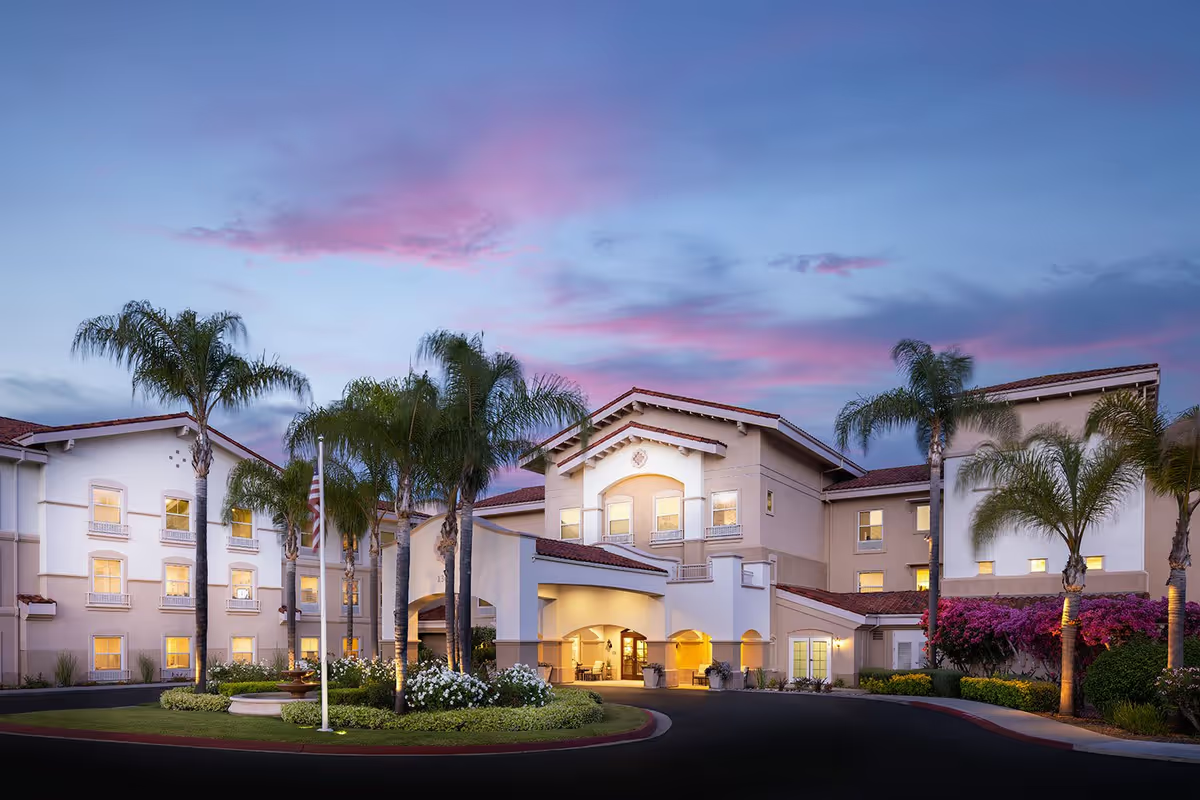
Rancho Penasquitos Senior Living presents a mixed but generally positive picture: reviewers frequently highlight a caring, hands-on staff, an active social calendar, and homestyle dining that many residents enjoy. The community is described as small and community-oriented, with a variety of apartments (including main-level one-bedroom units), regular housekeeping, and well-maintained common areas. Several reviews praise specific staff members and leadership figures, note effective medication administration and clinical responsiveness in many cases, and describe strong family communication through phone, email and an app. The community also receives consistent acknowledgement for organized outings, live entertainment, exercise classes, and seasonal programming.
Care quality and staffing: Caregivers and med-techs are often characterized as kind, attentive, and willing to go beyond routine duties. Many families reported quick responsiveness to concerns and individualized attention for residents with dementia. At the same time, a recurring operational pattern is inconsistent staffing and turnover; reviewers describe periods of understaffing, gaps in clinical supervision within the memory-care unit, and uneven availability of nursing support for more complex wound or clinical needs. A small number of reviews raised serious clinical-monitoring concerns (weight loss, skin integrity, recurrent infections); while these accounts are not universal, they point to gaps in clinical oversight and continuity that prospective families should assess directly.
Dining and activities: Dining is a frequently cited strength — homemade meals, an accommodating chef, flexible menus, and a restaurant-style dining room are commonly praised. Reviewers also note focus on hydration and individualized dietary accommodations. However, there is variability in meal quality and calls for more nutritious or diverse healthy options. The activities program is a notable asset for many residents: creative programming, live bands, outings, wellness classes, and memory-supportive activities are offered. That said, activity availability is reported to be uneven, particularly on the memory-care floor during periods of staff transition; some families described limited stimulation and grouped activities that did not meet individual needs.
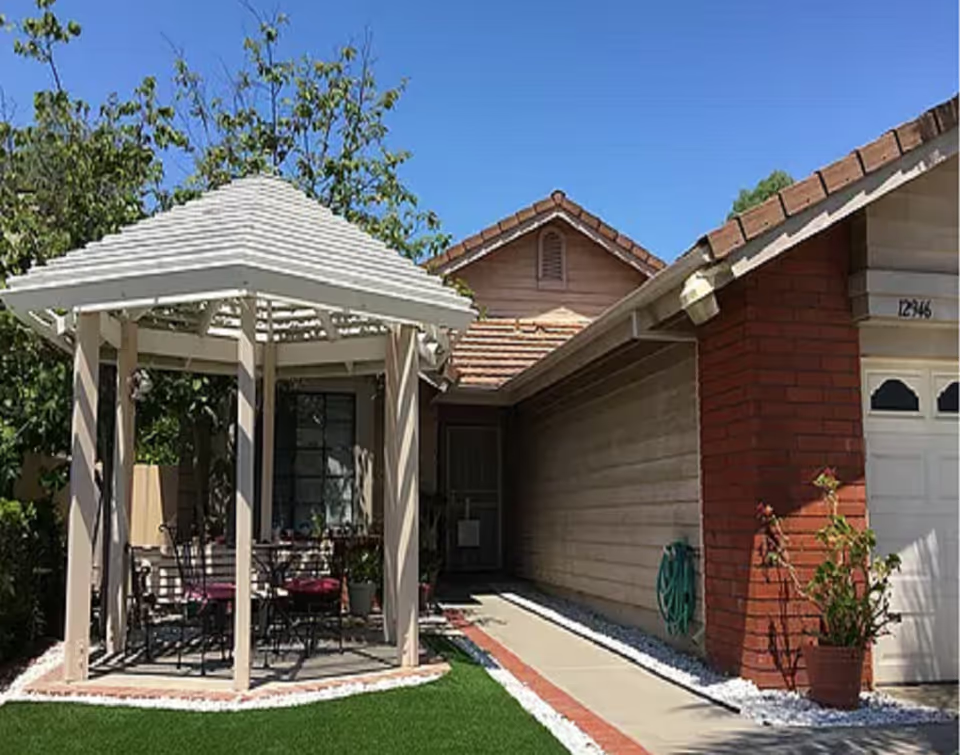
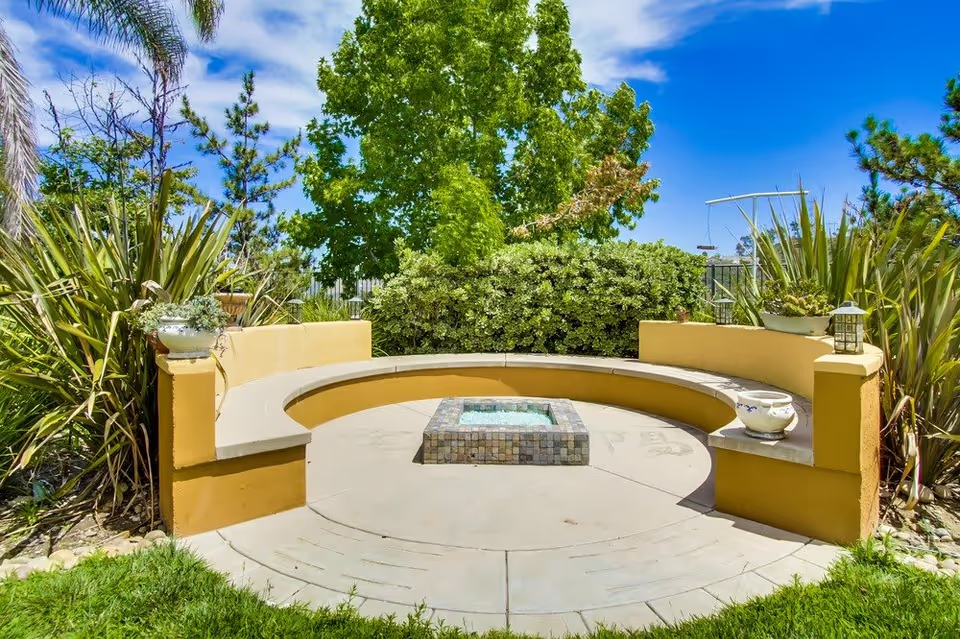
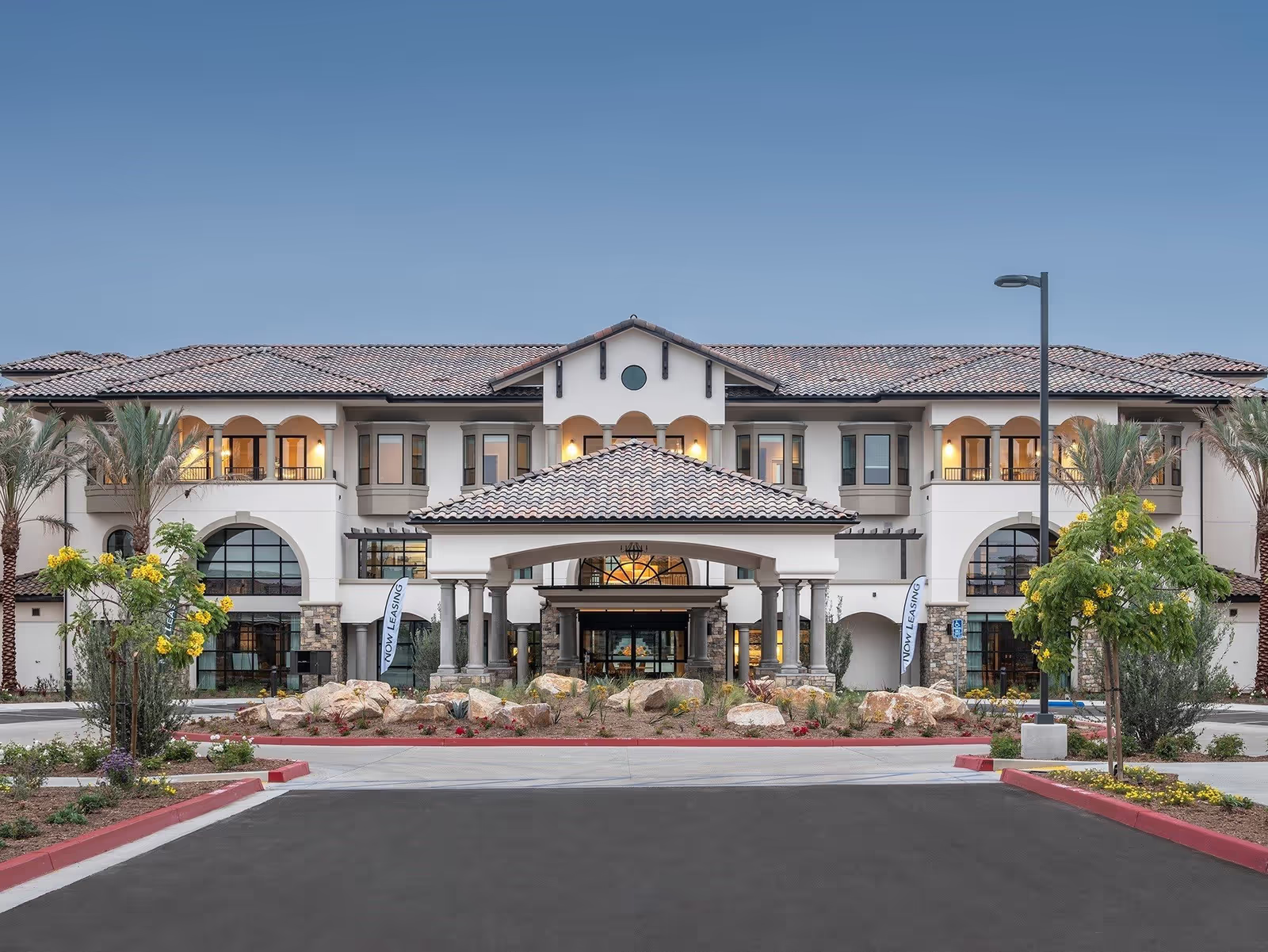
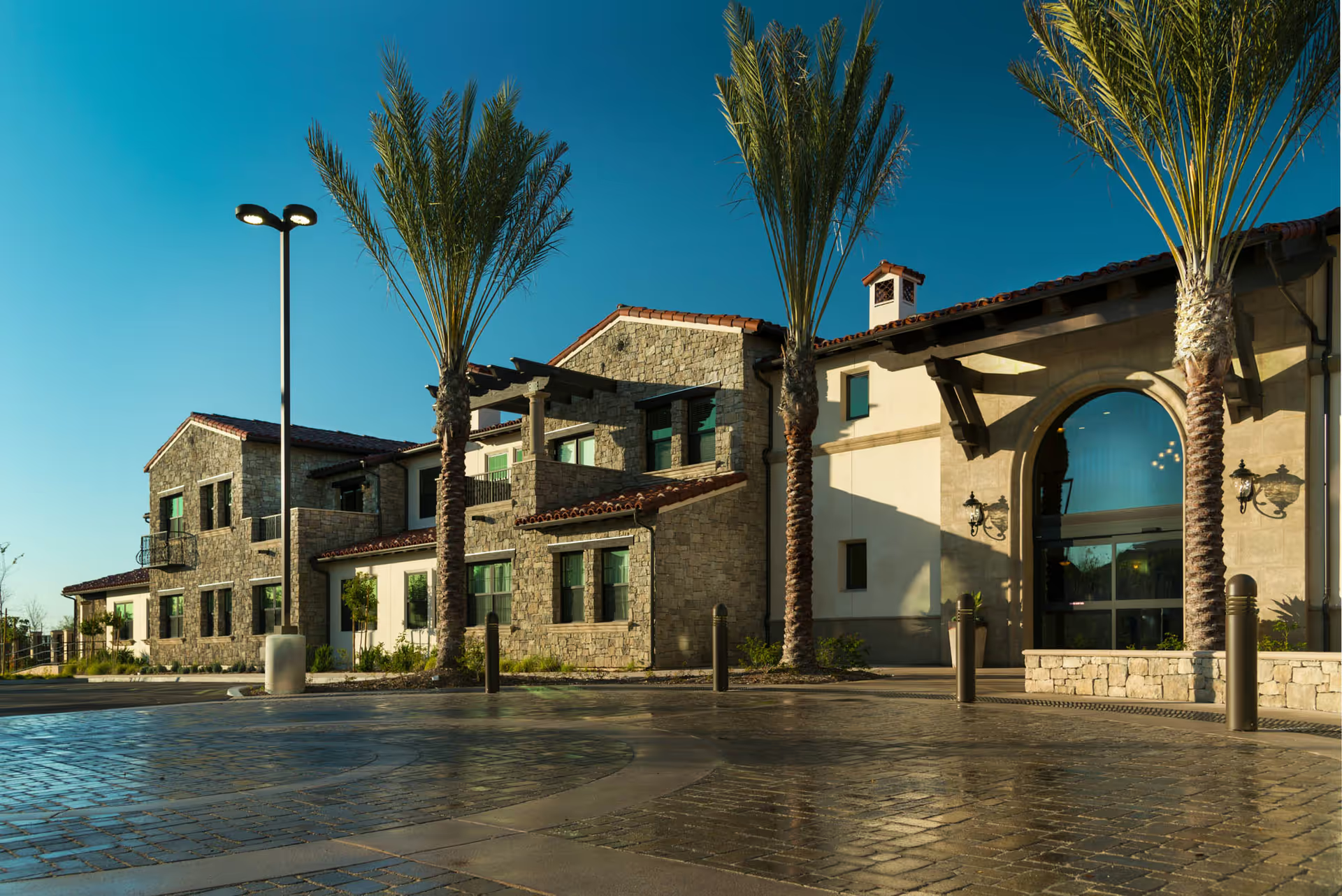
Facilities and accessibility: The property combines recently renovated areas with older, converted spaces. Common areas are often described as clean, bright, and well-decorated; holiday and seasonal touches are appreciated. Conversely, the building’s motel-conversion layout and narrow hallways create physical constraints for mobility devices, and several reviewers cited small apartment footprints and bathrooms that can be difficult to navigate with a wheelchair. Outdoor and secure walking spaces are limited. Ongoing renovations and planned upgrades are referenced positively, but work-in-progress can affect visibility of long-term improvements.
Management, communication, and operations: Communication and leadership elicit mixed impressions. Many families praise a responsive executive team and helpful administrative staff; others report inconsistent communication, billing surprises, and frustration during ownership or executive transitions. Transportation logistics (van availability and driver scheduling) and move-in support (e.g., elevator access, on-site assistance) are operational pain points for some families. Sanitation and housekeeping are generally described as good, yet intermittent sanitation or incontinence-care concerns appear in several accounts, suggesting variability in operational consistency.
Patterns and recommendations for prospective families: Strengths cluster around compassionate frontline staff, robust social programming, and a comfortable dining experience. Primary operational weaknesses to probe during a visit include current staffing levels and turnover, clinical oversight in the memory-care unit (nursing coverage and wound/incontinence protocols), transportation availability, billing transparency, and physical accessibility for mobility devices. Prospective residents and families should ask for current staffing ratios, nurse coverage schedules, recent inspection or incident follow-ups, sample activity calendars for both assisted and memory-care floors, and a clear description of move-in logistics and fee structures to determine fit.