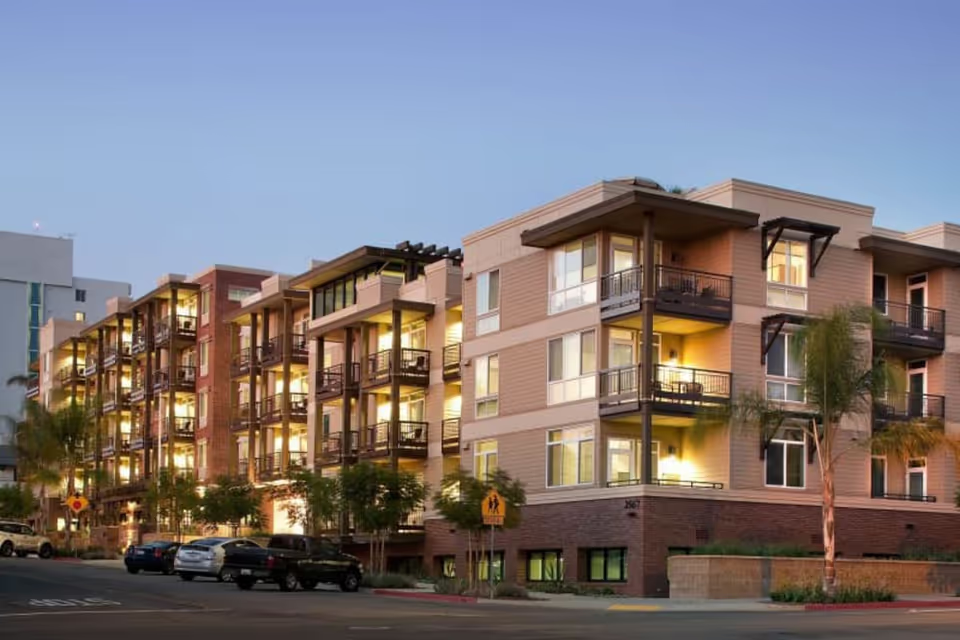
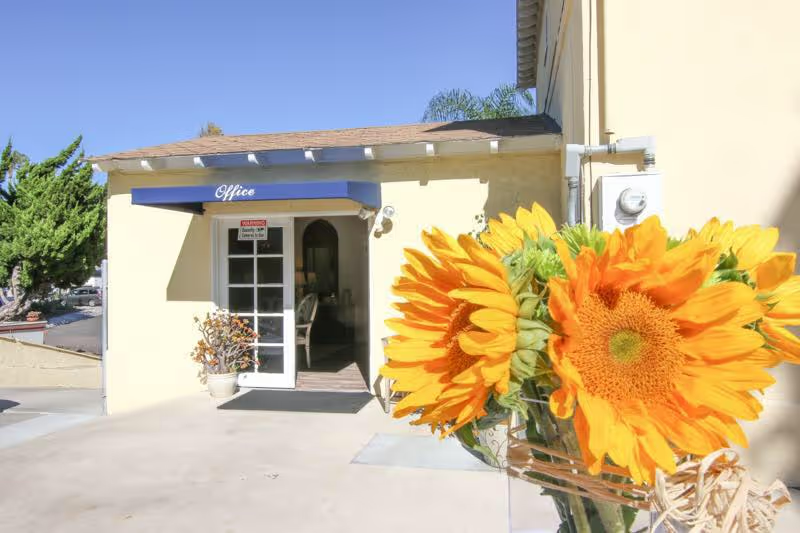
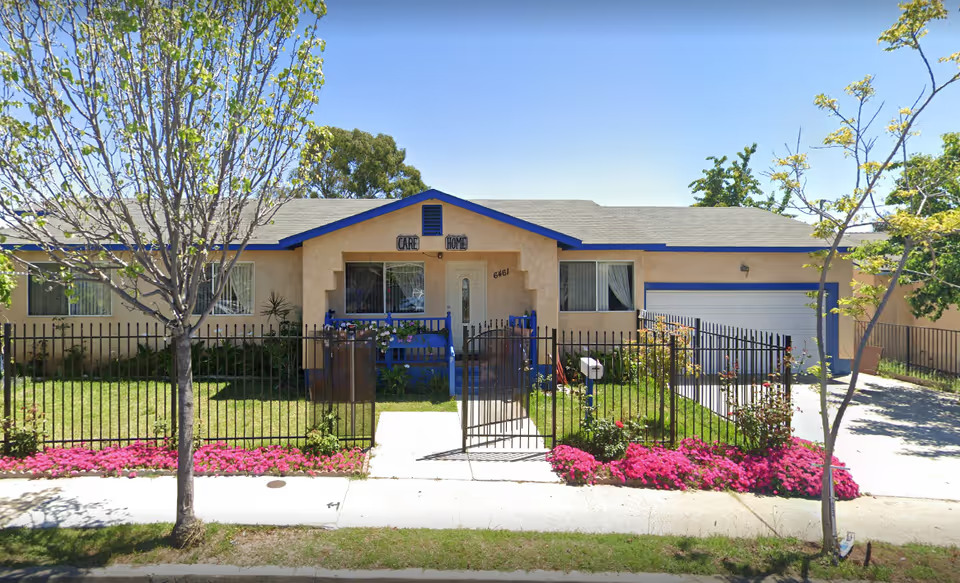
The Villa on Bankers Hill presents a mixed but informative profile for prospective residents and families. Strengths commonly described relate to direct care and the social environment: many families emphasize compassionate, attentive nursing and caregiving, effective medication management, and an efficient admissions process that includes insurance assistance. The facility operates an on-site continuum of care (independent living through hospice), which is a practical advantage for residents who may require changing levels of support. The location is centrally convenient to Balboa Park and nearby medical services, and public areas are generally described as clean and well maintained.
Dining and programming are notable positive features. Several accounts highlight high-quality meals with fresh presentation and attentive dining-room service. The activity program is described as diverse and engaging, with a particularly strong music program, live entertainment, outings, van trips, and frequent social events such as movie nights, sing-alongs, and themed dining functions. These elements contribute to an overall welcoming, social atmosphere that many residents and families appreciate.
However, recurring operational concerns appear across reviews and should factor into a decision. Staffing inconsistencies and turnover are frequently mentioned and are linked to reports of variable responsiveness, delays in care or room services, and uneven training. Related operational issues include laundry and personal-item management problems and intermittent sanitation and odor-management gaps in some areas. There are also reports of inconsistent food quality over time. Management and communication practices receive mixed assessments: while some families praise clarity and helpful intake processes, others note slow responses, brusque reception interactions, and uneven family communication.
Facility characteristics raise additional trade-offs. The building is described as older in parts, with some smaller, darker rooms, limited air conditioning in select units, and accessibility constraints such as narrow hallways and bathrooms that are difficult for wheelchair navigation. Reviewers also point out limited outdoor grounds and garden space, which may matter for residents who prefer regular outdoor access. Several reviewers questioned the facility’s suitability and layout for memory-care needs, citing locked memory-care floors but also limitations in design for that population.
There are a few serious, isolated concerns that warrant direct follow-up during a tour and in inquiry with management and regulators. These include allegations of coercive fundraising and unethical solicitation, reports of a contagious-skin condition leading to infection-control concerns, and occasional accounts of lost laundry or delayed cleaning. Given these mixed signals, families should verify staffing levels and turnover, review infection-control policies and incident records, ask about laundry and personal-property protocols, confirm accessibility and room-condition specifics, and clarify fundraising and donation policies before making a placement decision. Scheduling multiple visits at different times of day can help assess consistency of care, meal service, activities, and overall atmosphere.