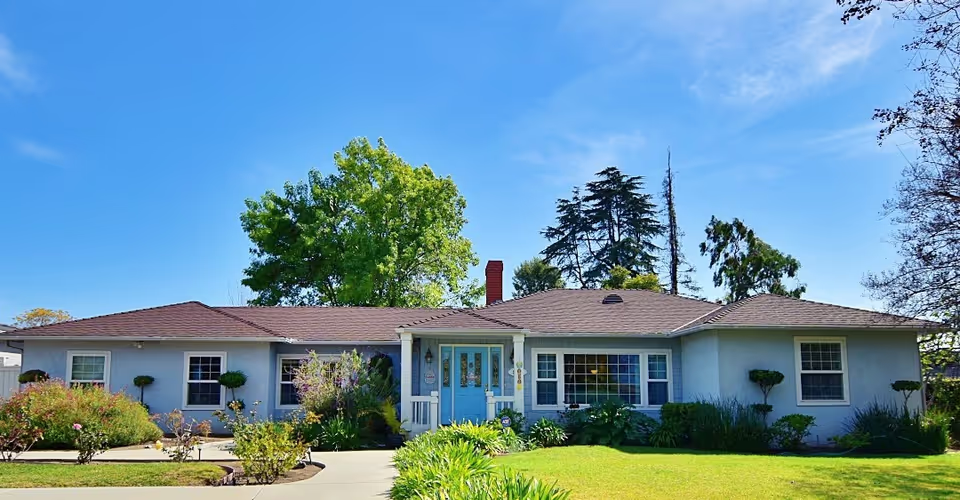
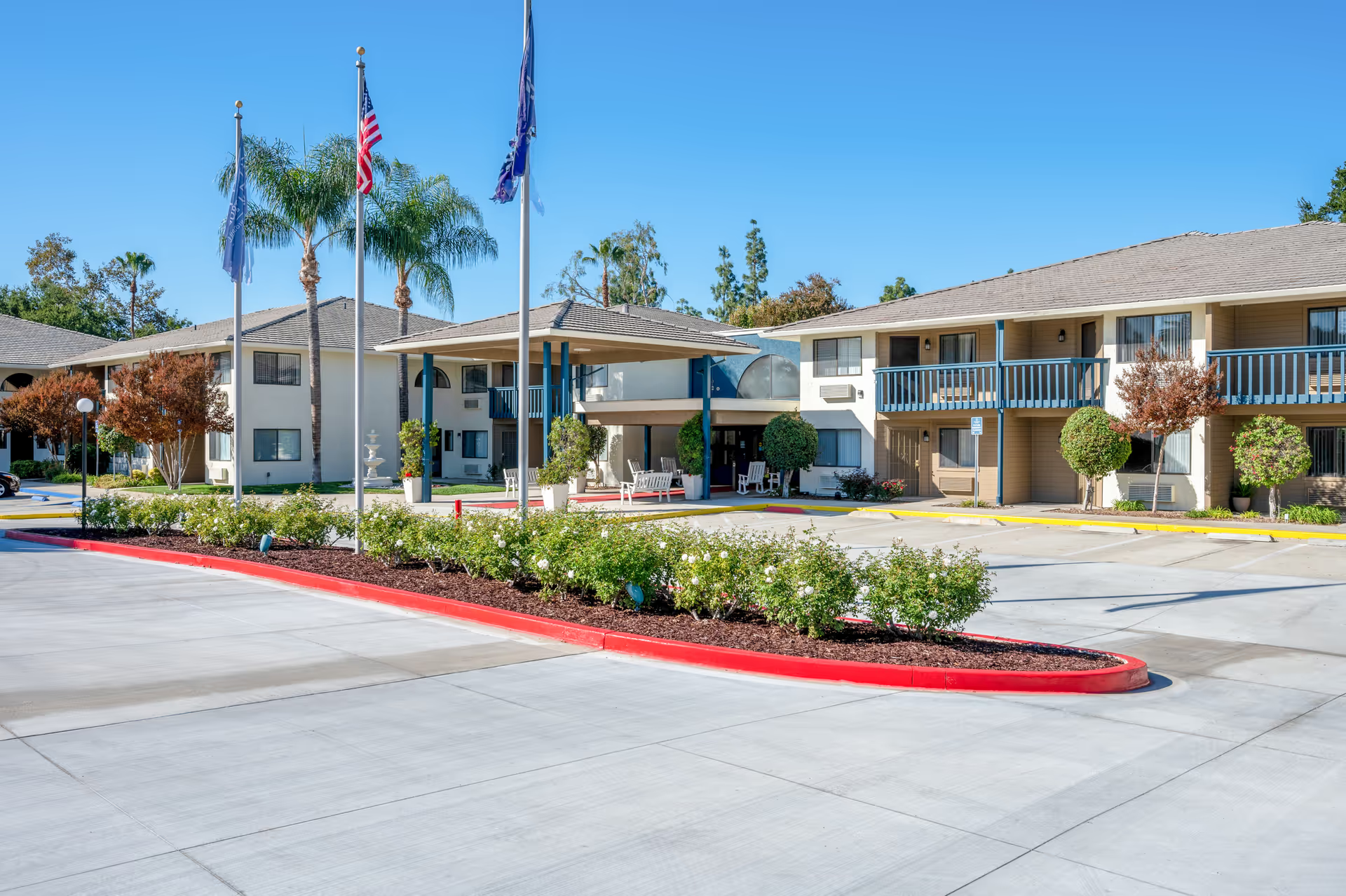
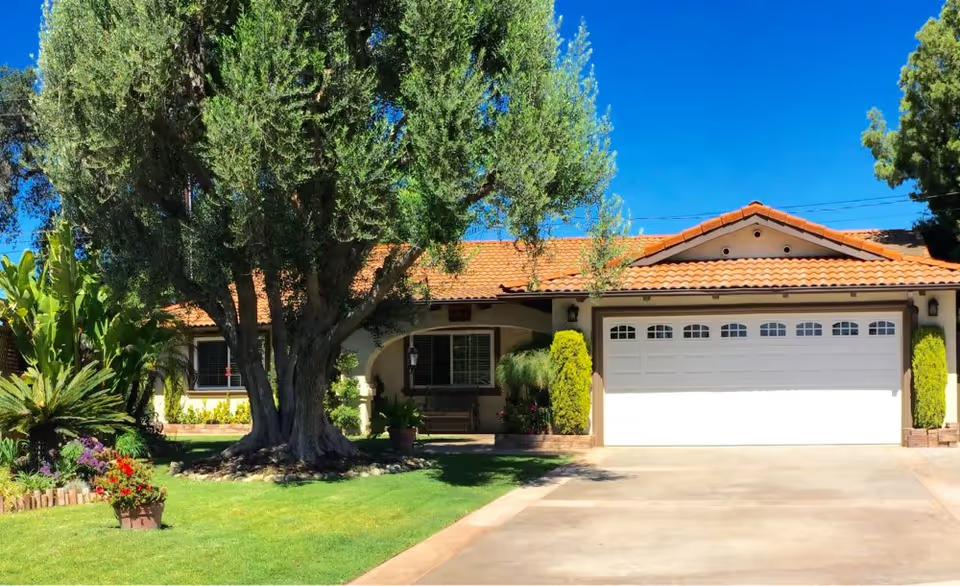
Overall impression: West Park Senior Living presents as a large, active community with a strong hospitality orientation. Many families and residents described a warm, welcoming atmosphere, frequent social activity, and staff who learn residents’ names and preferences. The property offers a resort-style dining room, multiple common rooms (ballroom, library, per-floor lounges), grounds for walking, and per-floor conveniences such as laundry and small retreat spaces. Renovations and maintenance work are visible and often described as discreet and well-executed.
Care and staffing: Care quality is a mixed but generally positive theme. Numerous accounts describe caregivers who go above and beyond, proactive monitoring of health concerns, timely medication oversight, and good coordination with families and hospitals during transitions. At the same time, reviewers noted operational weaknesses that affect care continuity: staffing levels and schedules are sometimes inconsistent, response times to call buttons vary, and there are limits on what care staff can safely perform (for example, tasks requiring specific dexterity or lift capability). There are also reports that emergency-response systems and pendant arrangements have variability in reliability; prospective families should verify emergency procedures and on-site clinical capabilities.
Dining and housekeeping: The dining program is frequently highlighted as a strength—restaurant-style service, chef-prepared entrees, and a broad menu with off-menu accommodations. Several reviewers praised the quality, aroma, and presentation of meals. However, there are also recurring comments about variability in food quality over time and occasional service changes (including increased fees for tray delivery and other surcharges). Housekeeping and maintenance are generally described as responsive and thorough, but intermittent cleanliness or sanitation inconsistencies were noted in some accounts.
Activities and social life: Activity programming is a clear strength. The community offers a wide range of options—exercise classes, walking groups, choir, games, balcony entertainment, themed nights, outings, and in-house performances—and many residents are actively engaged. Programming creativity (e.g., balcony bingo, front-door activities) was singled out positively. Reviewers did note that programming can change during infection-control periods and that some activity variety could be improved to better include male-oriented interests and other specific preferences.
Facilities and amenities: Physical assets include attractive grounds, large common areas, balconies and patios, gyms, a dog park, and per-floor amenities. Many units are renovated, feature walk-in closets and roomy bathrooms, and benefit from plentiful natural light. That said, the campus is large and partly older; some apartments were described as small or needing updates, and some building areas still show aging despite renovation projects.
Management and operations: Admissions, move-in coordination, and individual staff members (sales and directors) receive strong praise for professionalism and helpfulness. Conversely, recurring operational concerns appear around pricing transparency and administrative practices: reviewers cite periodic rent and fee increases, incremental surcharges, and perceived pricing volatility. There are also isolated but serious administrative lapses referenced, including mail and notification delays, disputes over service changes, and concerns about management engagement. A minority of accounts referenced regulatory inquiry or formal complaints related to administrative practices; families should review contracts carefully and ask about escalation and grievance processes.
Patterns and advice for families: Strengths cluster around staff engagement, dining, activities, and campus amenities; these make West Park appealing for residents seeking an active, social environment with hospitality-style services. Critical trade-offs reported by families include variable staffing/response times, limits on higher-acuity clinical services, occasional operational and communication lapses, and ongoing pricing increases. Prospective residents and families would benefit from clarifying three practical items during a visit: current staffing ratios and typical response times, exact scope and limits of on-site clinical and hospice services, and a detailed explanation of fees, fee escalation policies, and how additional care charges are assessed. Verifying emergency-response procedures, contract terms, and recent regulatory or administrative actions will help balance the community’s strong social and hospitality offerings against the operational concerns some families experienced.