Canyon Springs Post-Acute elicits a polarized set of impressions. Many families describe compassionate, engaged caregivers and a rehabilitation program that supports measurable recovery — examples include residents progressing from bed-dependence to walker use and positive outcomes from physical and occupational therapy. The therapy team, admissions and social-work staff, and front-line CNAs are frequently praised for clinical skill, encouragement during therapy, and individualized support. Reviewers also highlight multilingual staff, attentive coordination with physicians when present, and instances of staff going beyond basic duties to assist families.
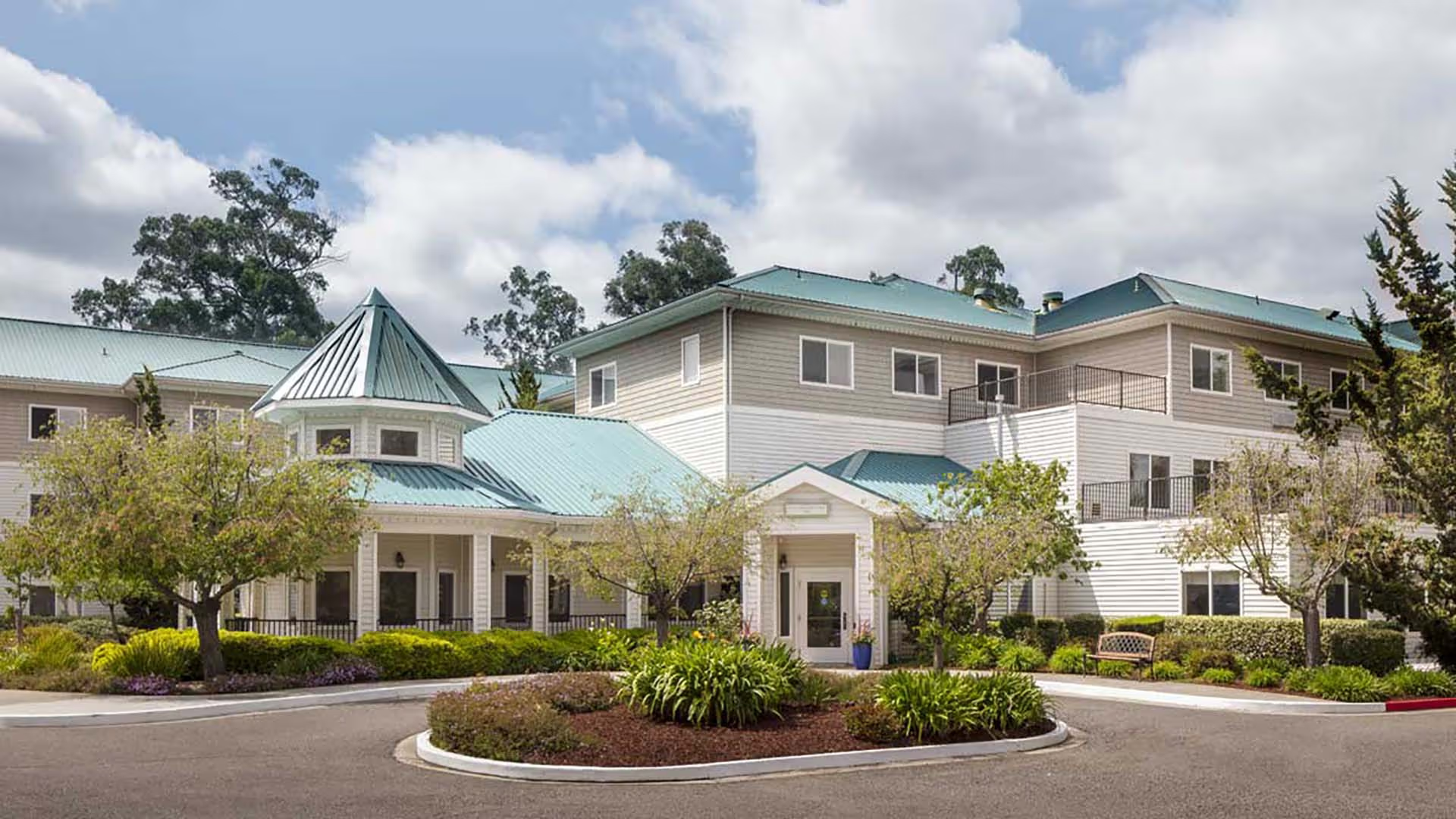
The facility's dining and activity offerings are commonly cited strengths. Meals are characterized as well prepared, and the community runs a varied activity calendar that includes live music, happy hours, and occasional special events such as candlelight dinners and fine-dining experiences. These social and recreational programs are noted as beneficial for resident engagement and morale. The physical plant benefits from recent renovations and functional therapy spaces, and its location across from a regional medical center is seen as a practical advantage for post-acute care transitions.
At the same time, a pattern of operational concerns appears across reviews. Communication with families is uneven: notifications about clinical changes, appointments, and critical events are sometimes delayed or absent, and scheduling procedures (including visitation windows and transportation) are described as rigid or unreliable. Several accounts indicate problems with medication handling and clinical follow-up, which families perceived as contributing to adverse outcomes. Staffing variation is another recurrent theme — while some nurses and aides receive strong praise, others are described as inconsistent in professionalism and teamwork, and staffing continuity during some shifts is questioned.
Sanitation and personal-care practices draw mixed commentary. Many reviewers affirm a clean, odor-controlled environment, yet there are isolated reports of sanitation issues and inconsistent personal-care scheduling (for example, difficulties with timely bathing or linen/towel availability). Infection-control procedures are generally described as established, but critiques about infection-notification and visitation restrictions during infection events suggest variability in how those protocols are communicated and implemented.
Management responsiveness presents a divided picture. Several families commend rapid issue resolution and visible administrative involvement, while others describe unsatisfactory handling of serious incidents and delayed communication after adverse events. Transportation logistics and appointment coordination emerge as recurring operational weaknesses that can affect follow-up care.
For prospective residents and families: Canyon Springs offers robust rehabilitation programming, engaging activities, and a recently upgraded, convenient facility with many attentive staff. However, it is advisable to directly assess current staffing patterns, medication-safety protocols, family-communication processes, visitation flexibility, and transportation arrangements during the decision process. Asking for explanations of medication administration checks, incident-notification procedures, and daily personal-care schedules can help clarify whether the facility’s operational practices align with your expectations for continuity and safety.