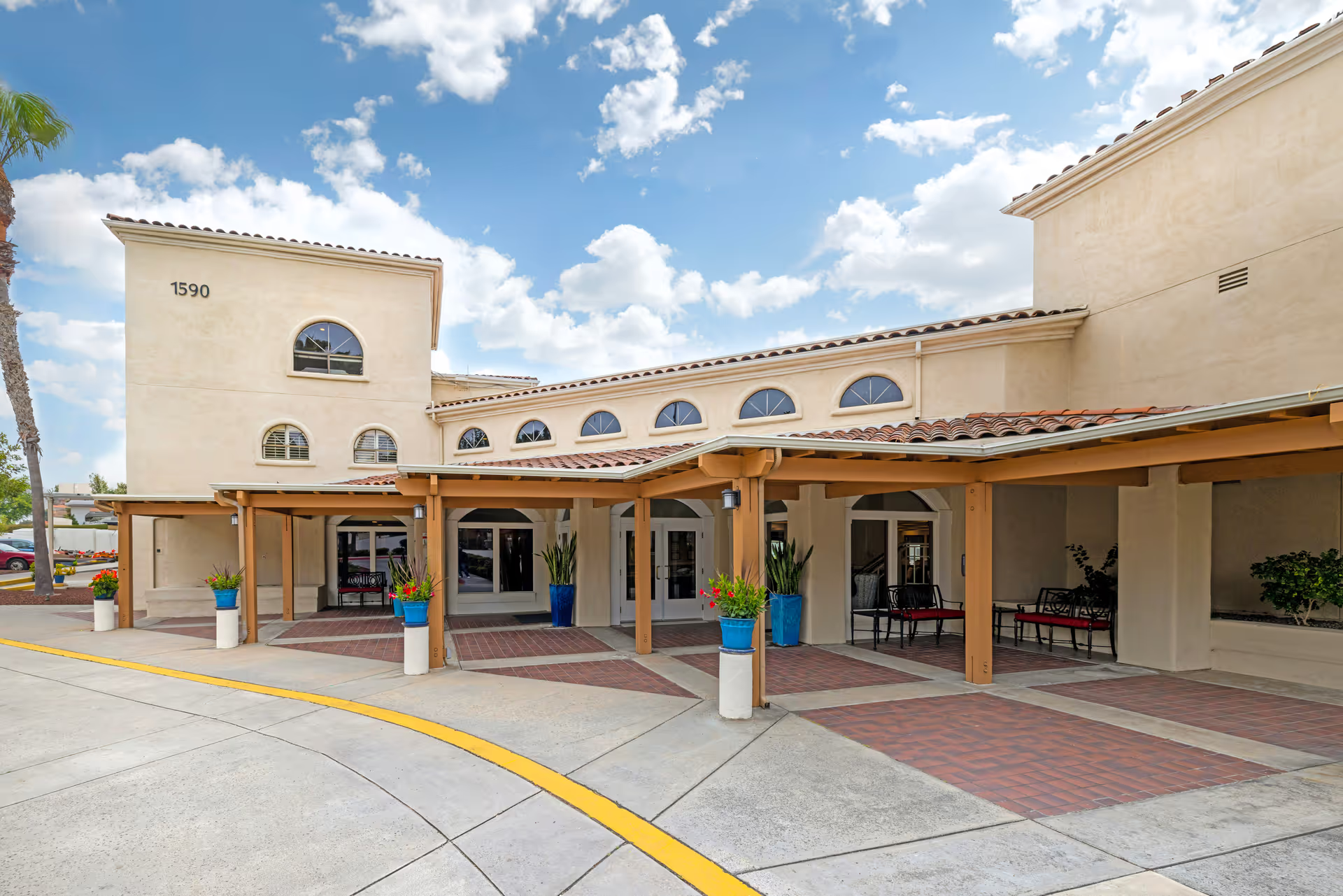
Meridian at Lake San Marcos is consistently described as a new, well-appointed community with a resort-like aesthetic and a wide range of amenities. Reviewers highlight spacious, thoughtfully designed units (from studios up to large multi-bedroom apartments), ADA features such as walk-in showers, kitchenettes in many units, and practical conveniences like underground parking and in-unit laundry in some floor plans. The campus offers multiple dining venues, a full bar, a pastry program, a movie theater, fitness spaces, salon services, and regular transportation, which supports an active lifestyle for independent and assisted residents.
Dining and activities are commonly cited strengths. The community operates restaurant-style dining with flexible hours and a credited culinary team; many residents and visitors praise the menu variety and pastry offerings. Activity programming receives frequent positive mention: a dedicated activities staff runs a broad calendar that includes classes, performances, outings, seasonal events, virtual chapel broadcasts, and in-room/virtual options. These social and recreational elements contribute to a strong sense of community and resident engagement.
Care and staffing present a mixed picture. Independent-living services are generally described as well organized and lifestyle focused. However, recurring operational concerns appear in assisted living and memory-care areas. Reviews point to inconsistent staffing levels during certain shifts, variability in caregiver training and competency, and gaps in clinical oversight. Specific operational patterns include irregular wellness checks, inconsistent communication to families about health status, medication-administration process problems, and incontinence-care or sanitation concerns. These are presented as systemic weaknesses rather than isolated aesthetic issues, with some families describing outcomes serious enough to prompt transfers.
Housekeeping, laundry, and operational follow-through also show variability. While weekly cleaning and laundry services are offered and praised in many accounts, others describe missed or delayed services and billing or administrative inconsistencies. A number of reviewers raise concerns about management responsiveness and accountability when issues are escalated; conversely, several comments single out executive and departmental leaders who are proactive and highly involved, indicating uneven leadership performance across time or teams.
Facility layout and grounds are a further area of mixed feedback. Landscaping, courtyards, and common spaces are frequently praised for their appearance, but some outdoor areas and garden boxes are noted as not fully accessible for residents. The campus design—involving multiple detached buildings or exterior walks between apartments and amenity spaces—can be inconvenient in inclement weather and presents mobility considerations for some residents. Memory-care neighborhoods are sometimes described as darker in circulation space, which may affect ambiance.
A consistent pattern in the reviews is polarization: many families and residents report high satisfaction with food, activities, staff warmth, and the overall lifestyle; at the same time, a meaningful subset report operational and clinical shortfalls primarily centered on assisted living and memory care. Prospective residents and families should weigh the strong lifestyle and amenity offerings against those operational risks. Recommended due diligence includes asking for current staffing ratios and schedules, documentation of medication and wellness-check protocols, clarification of what services trigger additional fees, recent inspection or compliance records, and an on-site visit during off-peak hours to observe assisted- and memory-care shifts. This approach will help validate whether the community’s demonstrated strengths align with each prospective resident’s priorities for daily care and oversight.