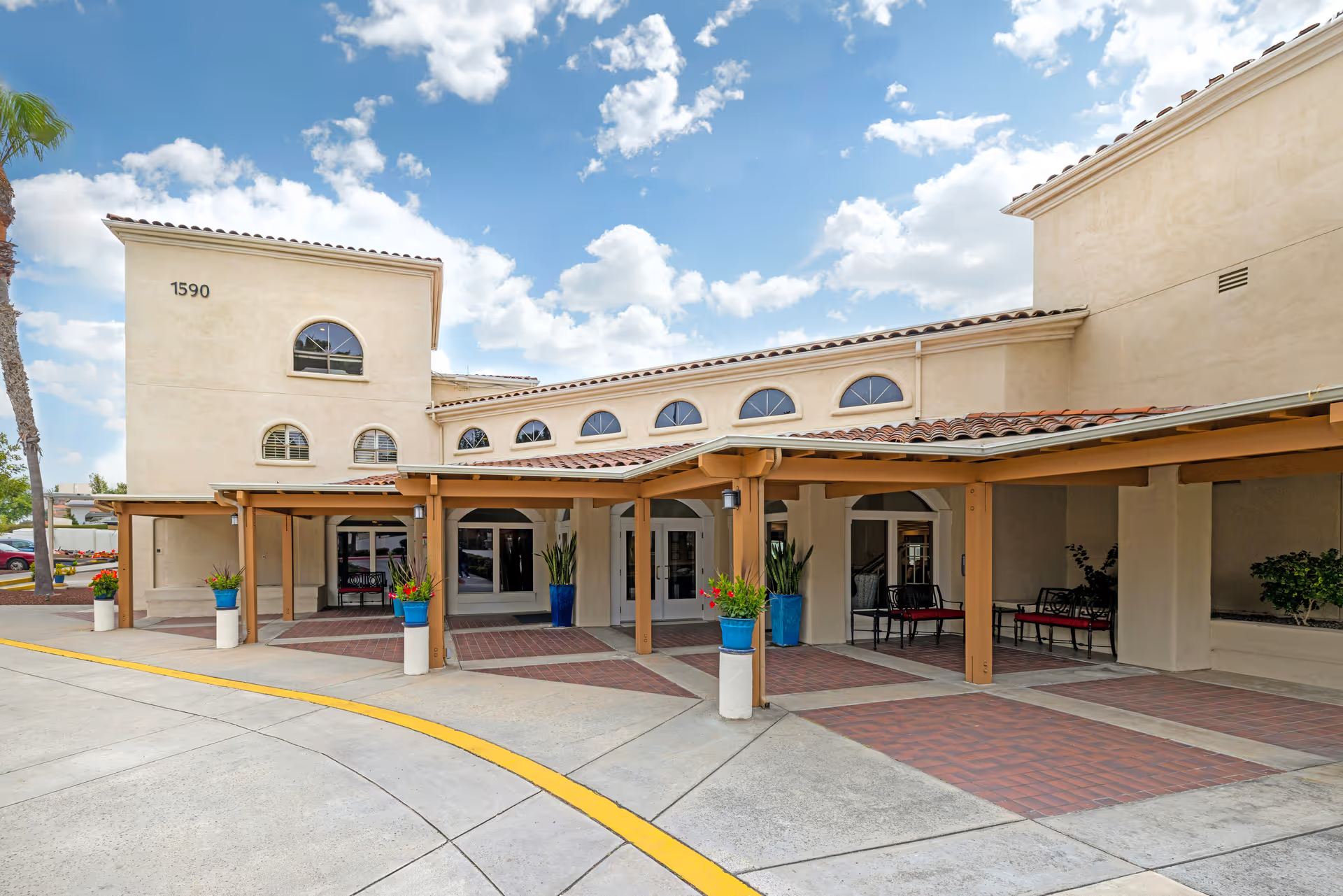
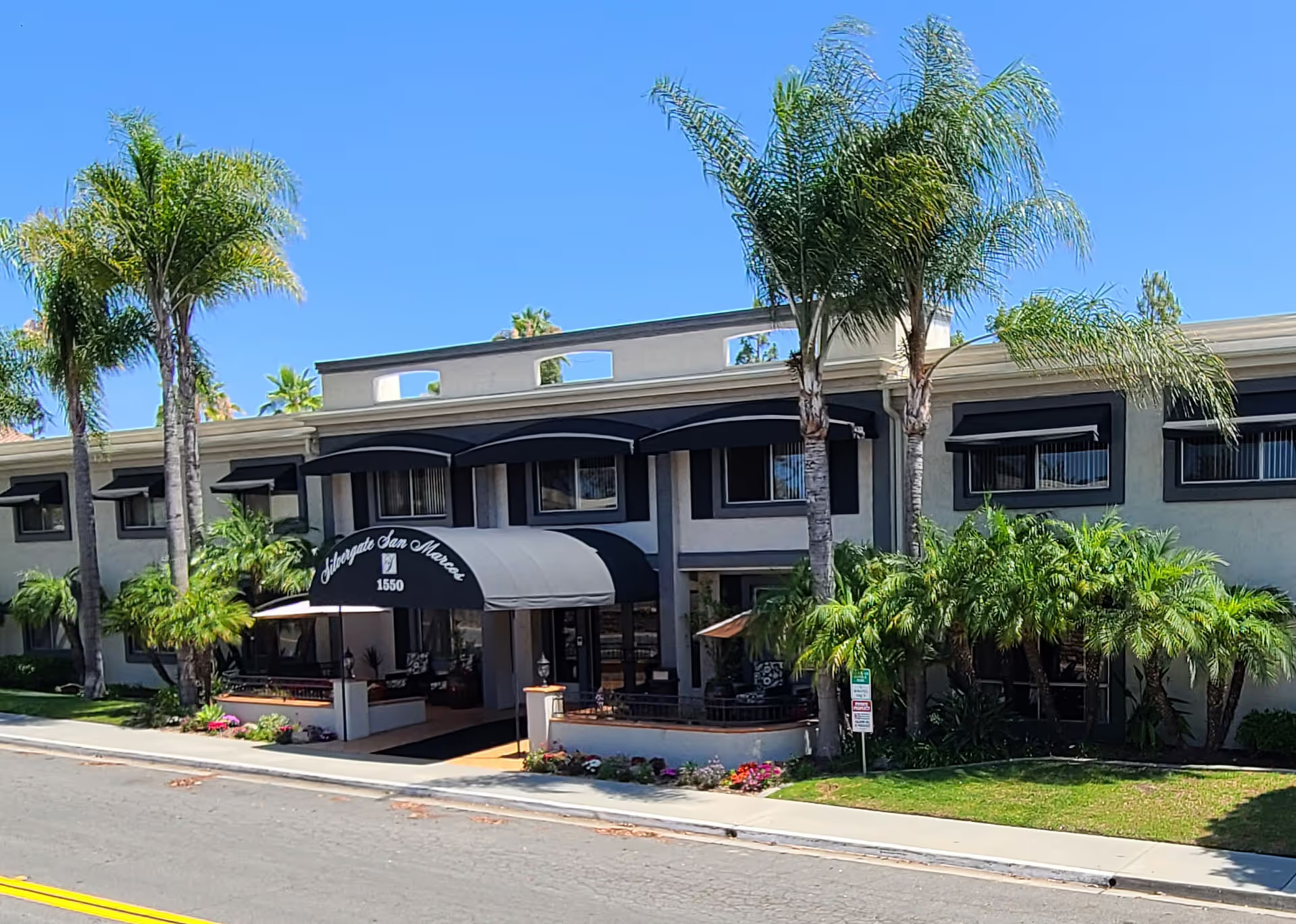
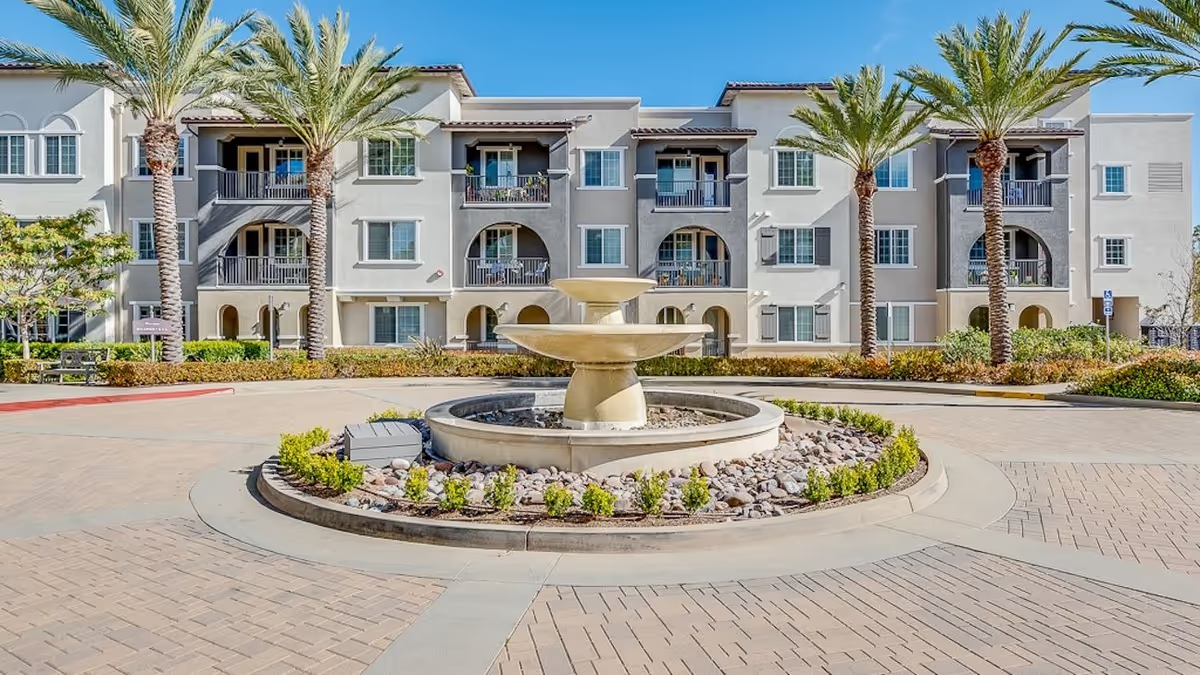
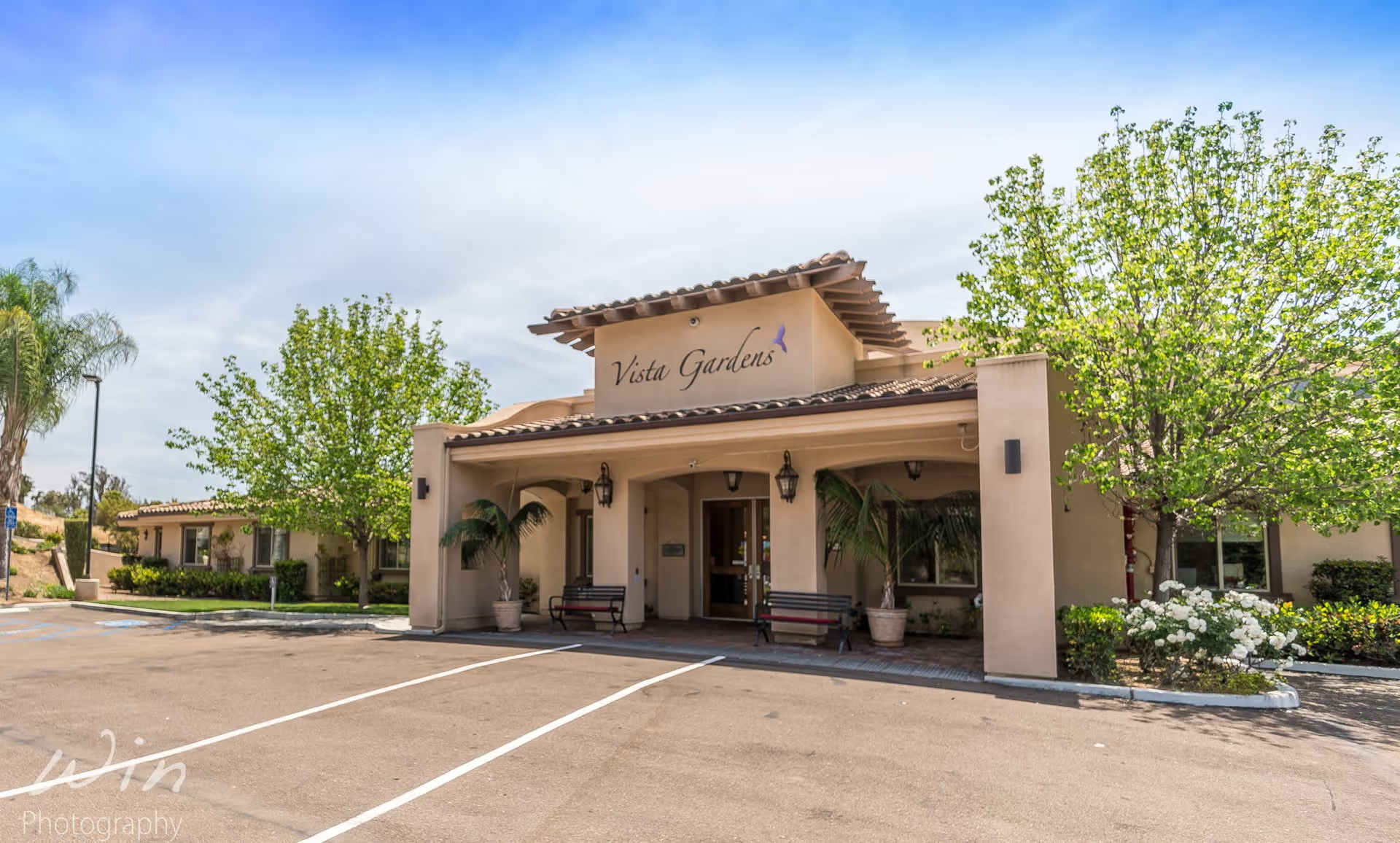
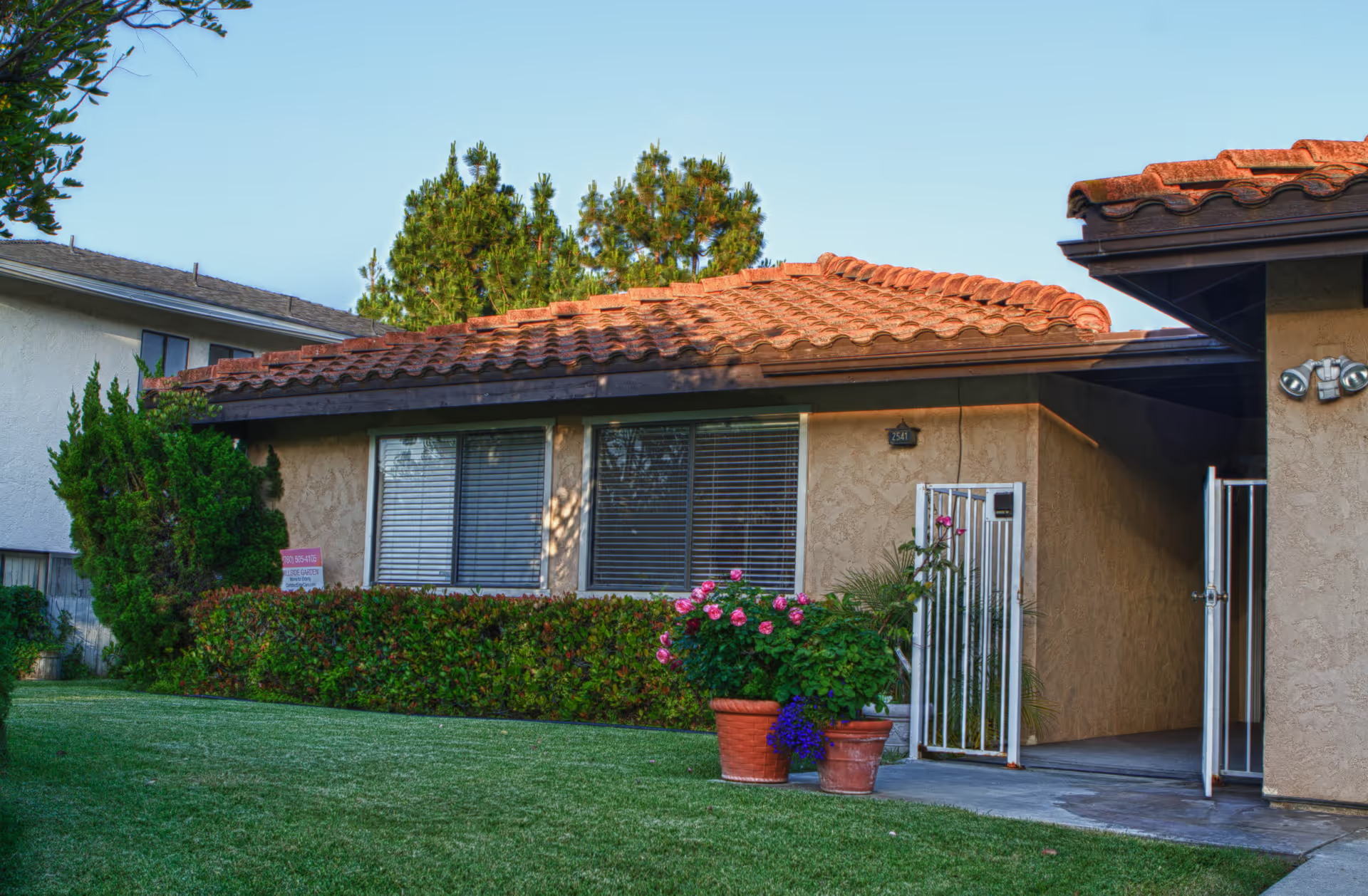
The reviews present a polarized view of Village Square Healthcare Center: many families and former residents praise its rehabilitation capabilities, therapy staff, and certain elements of hospitality, while others raise systemic operational concerns that affected care continuity and resident safety. Strengths most consistently cited include a robust inpatient rehab program with skilled physical and occupational therapists, several long-tenured clinical staff who provide attentive nursing care, helpful admissions and social-work personnel, and a facility layout that offers large rooms, outdoor terraces and walking areas that support mobility and family visits.
Care quality is uneven. Positive accounts describe effective therapy plans that enabled functional recovery and discharge, timely medications, attentive nurses, and individualized attention. Conversely, a substantive set of concerns centers on inconsistent nursing responsiveness (notably on nights and weekends), delays or omissions in medication and treatments, and gaps in clinical monitoring and physician/NP follow-up. Several families described situations that required heightened advocacy or hospital transfer. These comments point to variability in clinical oversight and handoffs that prospective families should assess directly.
Staff performance and unit culture are likewise mixed. Numerous reviewers highlight compassionate, professional, and experienced caregivers—nurses, therapists, and activity staff—who create a welcoming, homey environment. At the same time, others describe poor communication from leadership, phone lines that go unanswered, and episodes suggesting problematic staff conduct. Leadership changes and staff turnover were explicitly linked to differences in care continuity and morale; some reviewers indicated improvements following administrative adjustments, while others reported ongoing issues.
Dining and activities receive generally favorable mentions for nutritious meals, regular activities, and monthly outings, although food quality and dining experience were uneven across reviews. The therapy department is a clear asset for many patients needing short-term rehab. Activity programming and social engagement were described as meaningful by several families, contributing to a positive resident experience when staffing and scheduling align.
Facility and maintenance themes are split. Positive comments note clean, well-maintained hallways and rooms in parts of the campus, plus pleasant outdoor areas. However, recurring operational complaints include odor concerns in some common areas, lapses in sanitation and incontinence-care timeliness, broken equipment (e.g., elevators, phones), and intermittent hot-water or housekeeping issues. These maintenance and environmental inconsistencies appear correlated with staffing patterns and unit assignment.
Management and systems-level patterns merit particular attention. Reviews describe both helpful, accommodating administrators and episodes of unresponsiveness or poor follow-through on clinical incidents and family communications. Several reviewers reported problematic discharge coordination, billing or perceived pricing mismatches, and one or more serious conduct allegations that prompted mention of external complaints. Taken together, the pattern suggests variability by unit and shift, with stronger performance when leadership and staffing are stable.
Practical guidance for families: observe staffing levels and response times during different shifts, ask for staffing ratios and medication-administration protocols, confirm how the facility separates rehab and memory-care populations, review infection-control practices, meet the therapy team, and request examples of recent care-plan outcomes and transition processes. A pre-admission walk-through focused on cleanliness, equipment functionality, call response demonstration, and direct conversations with nursing leadership will help determine whether the facility’s strengths align with a prospective resident’s clinical needs and safety expectations.