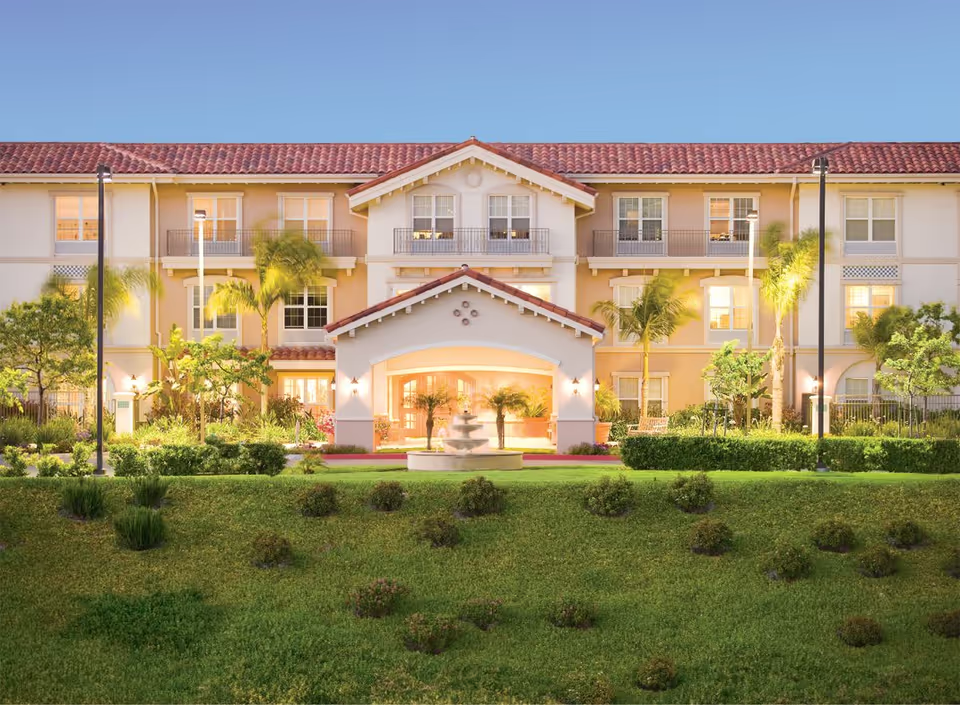
Harbor Terrace is frequently described as a socially active, service-oriented retirement community with many operational strengths. Families and residents commonly praise the staff as caring and attentive; long-tenured employees and low turnover are cited as contributors to a family-like atmosphere. The community offers a wide range of daily activities, including live music, piano in the lobby, comedy and happy-hour events, which many residents find engaging. Apartment-style units with kitchenettes, routine housekeeping and linen service, an on-site salon, and transport to appointments are recurring positives. Several reviewers describe effective case management and clinical coordination (including dialysis support and RN involvement) that produced measurable health benefits for some residents.
Dining and activity programming are clear selling points for many visitors: multiple reviewers complimented nutritious, well-presented meals, cafe-style coffee options, and frequent social dining. At the same time, accounts of meal quality are mixed—while many praise the food as excellent, others described unsatisfactory meals—so dining satisfaction appears uneven. The activity schedule is broad and lively, but some residents with mobility or back issues report difficulty participating in certain programs, indicating a gap between program breadth and accessibility.
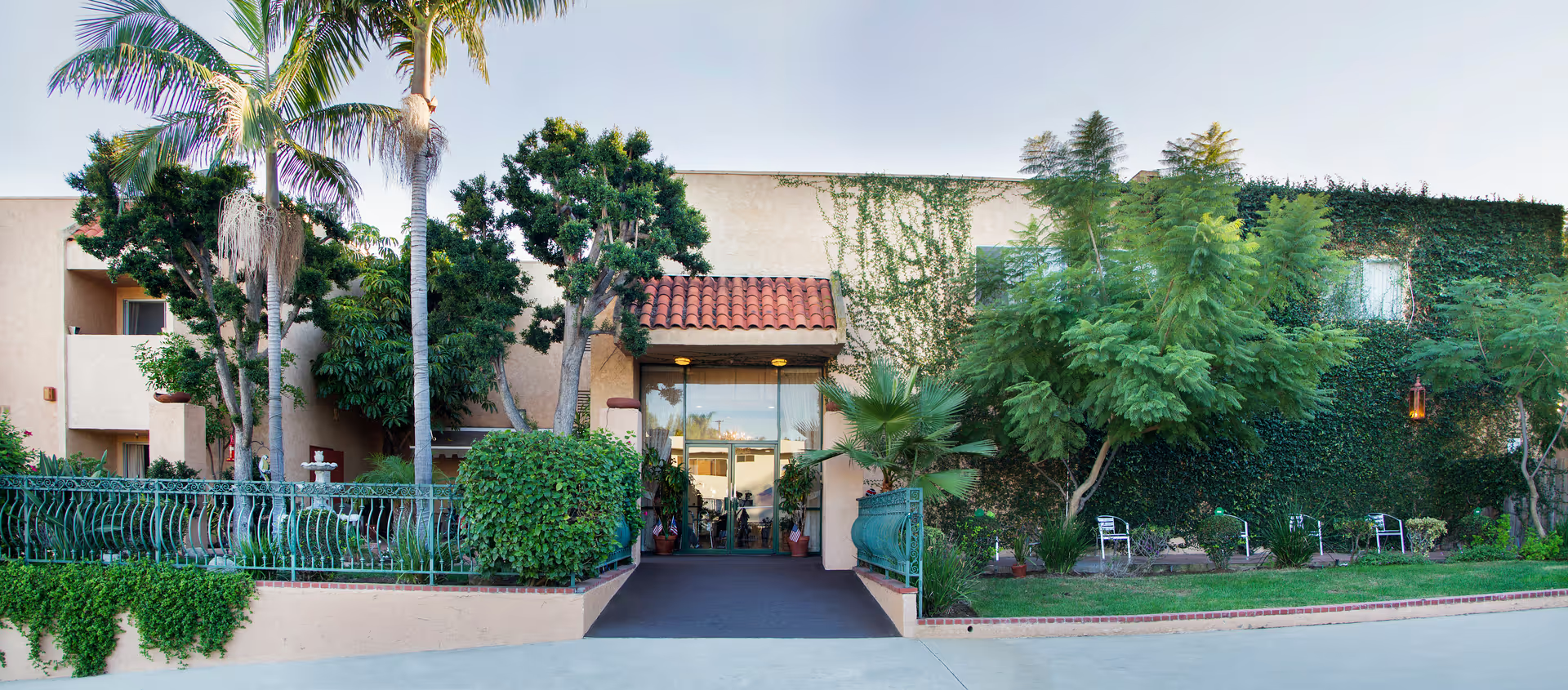
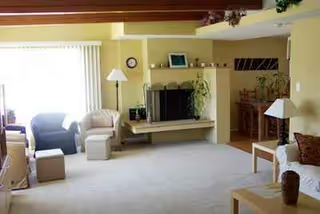
Facility condition and amenities present a mixed picture. Most commenters highlight clean, well-kept common areas, a pleasant lobby, courtyard/patio spaces, and secure underground parking. However, some sections of the building are described as dated and a few reviewers raised sanitation or odor concerns in specific common areas. Parking availability and the size of the underground parking were flagged as limited or cramped. A few reviewers also mentioned neighborhood-safety perceptions that prospective families may wish to evaluate in person.
Operationally, Harbor Terrace demonstrates strengths in individualized care planning and transitional support, with examples of staff coordinating medical needs and providing personalized assistance with activities of daily living. Yet there are recurring operational concerns: several reviewers perceived a drop in staff responsiveness after move-in, occasional lapses in attention to care details, and issues with staff communication or tone during interactions with guests. Pricing structure and add-on fees were also repeatedly noted as a pain point; some families view the community as higher-end and more expensive, with additional charges for certain services. Finally, there are indications the community may not accept or be the best fit for residents who need higher-acuity skilled nursing or significant mobility support, and certain unit types (for example, one-bedroom availability) can be limited.
In sum, Harbor Terrace appears to offer a warm, activity-rich environment with many families reporting improved quality of life, effective case coordination, and a strong social culture. Prospective residents should weigh those strengths against potential trade-offs: variable dining experiences, pricing and fee transparency, parking and neighborhood considerations, and possible variability in post-move-in responsiveness. An in-person visit that assesses unit condition, accessibility for specific mobility needs, and a conversation about fee structure and care protocols would help families determine fit for individual needs.