Overall impression: Reviews describe a facility with strong, compassionate frontline caregivers and a therapy-focused clinical team that often achieves good rehabilitation outcomes. Many families praised the bedside manner of nurses and CNAs, the effectiveness of PT/OT programs, and the presence of a dedicated case manager who assists with discharge planning. Activities programming, regular social events, pet visits, and an accessible courtyard contribute to a social, family-like atmosphere for residents.
Care and clinical quality: Clinical strengths are clustered around nursing attentiveness, effective physical and occupational therapy, and 24-hour coverage. Several reviewers credited therapy staff with measurable progress and timely return-to-home outcomes. At the same time, recurring operational concerns were described: inconsistent staffing levels, slow response times to call bells, gaps in medication-management practices, and uneven availability of specialized therapists (notably limited full-time speech-language pathology coverage). A few reviewers raised serious clinical concerns about incident handling and timely family notification; these appear to be isolated but important to clarify with facility leadership.
Dining and activities: Dining is frequently characterized as nutritious, well-prepared, and adaptable to individual needs. Kitchen and dietary teams received positive comments for food quality and responsiveness. Activities programming is generally highlighted as engaging, with daily offerings such as arts-and-crafts, trivia, parties, and companion-animal visits that promote social interaction and mental stimulation.
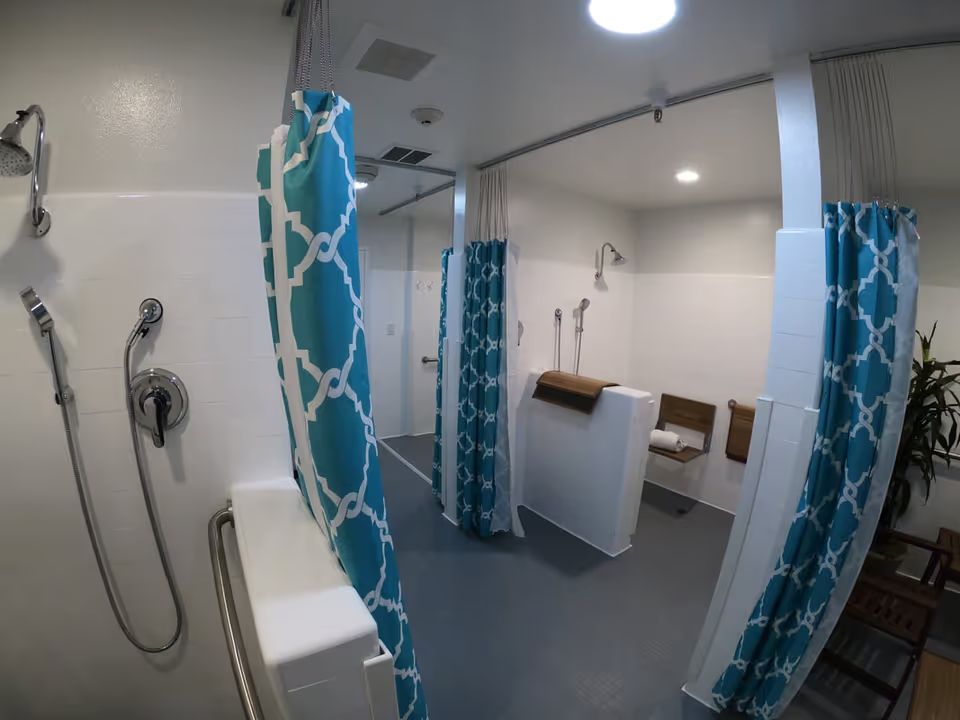
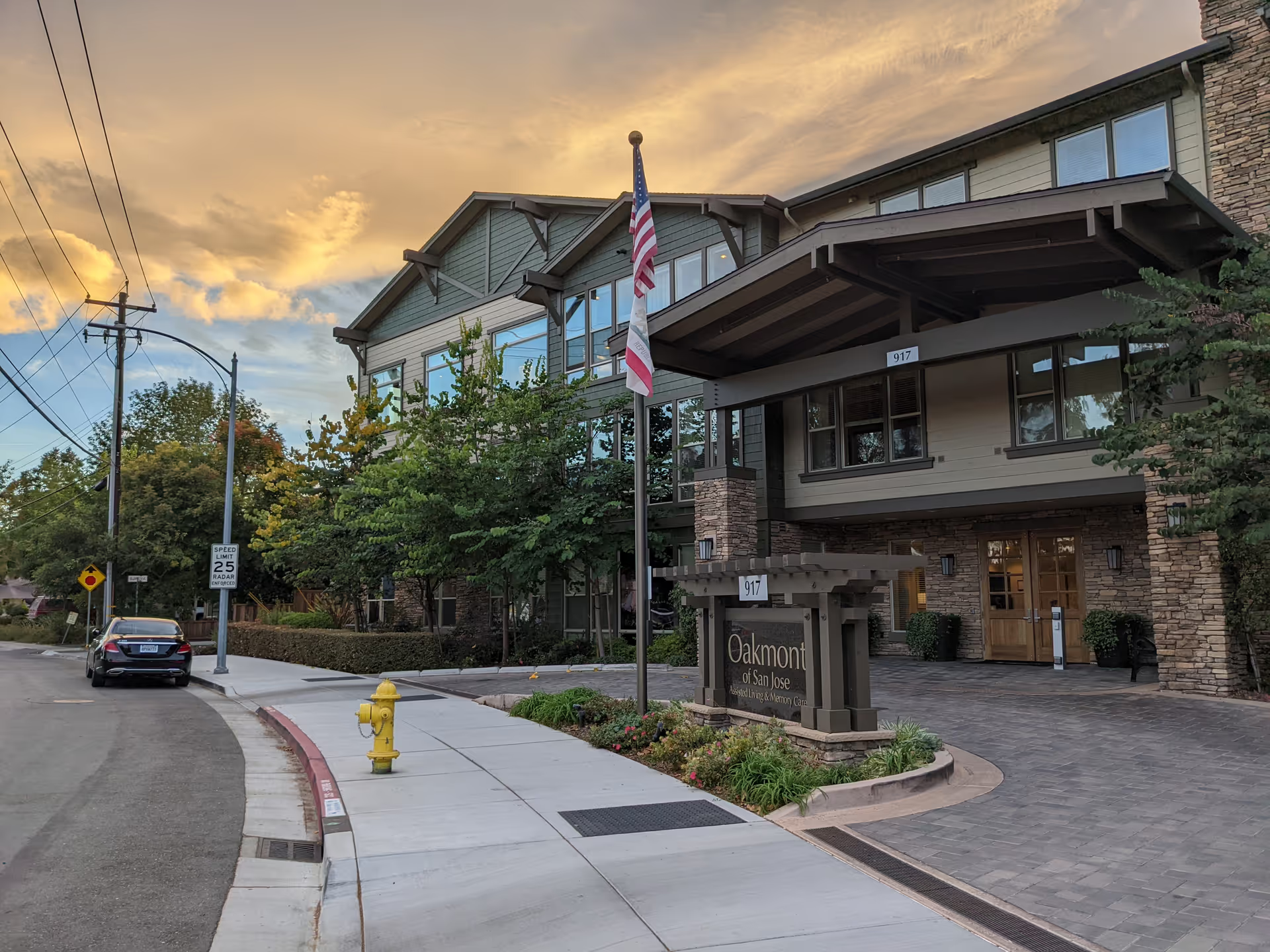
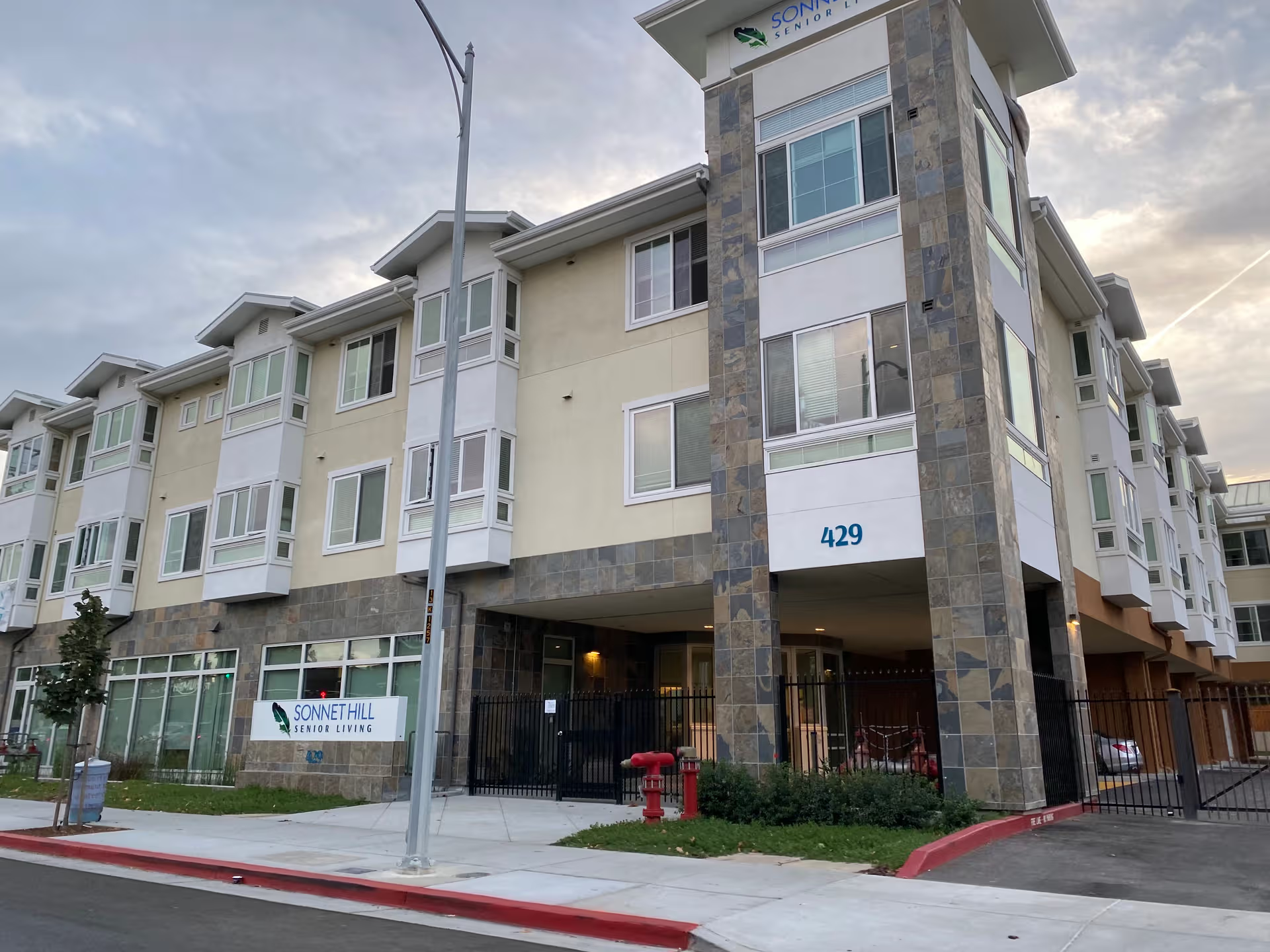
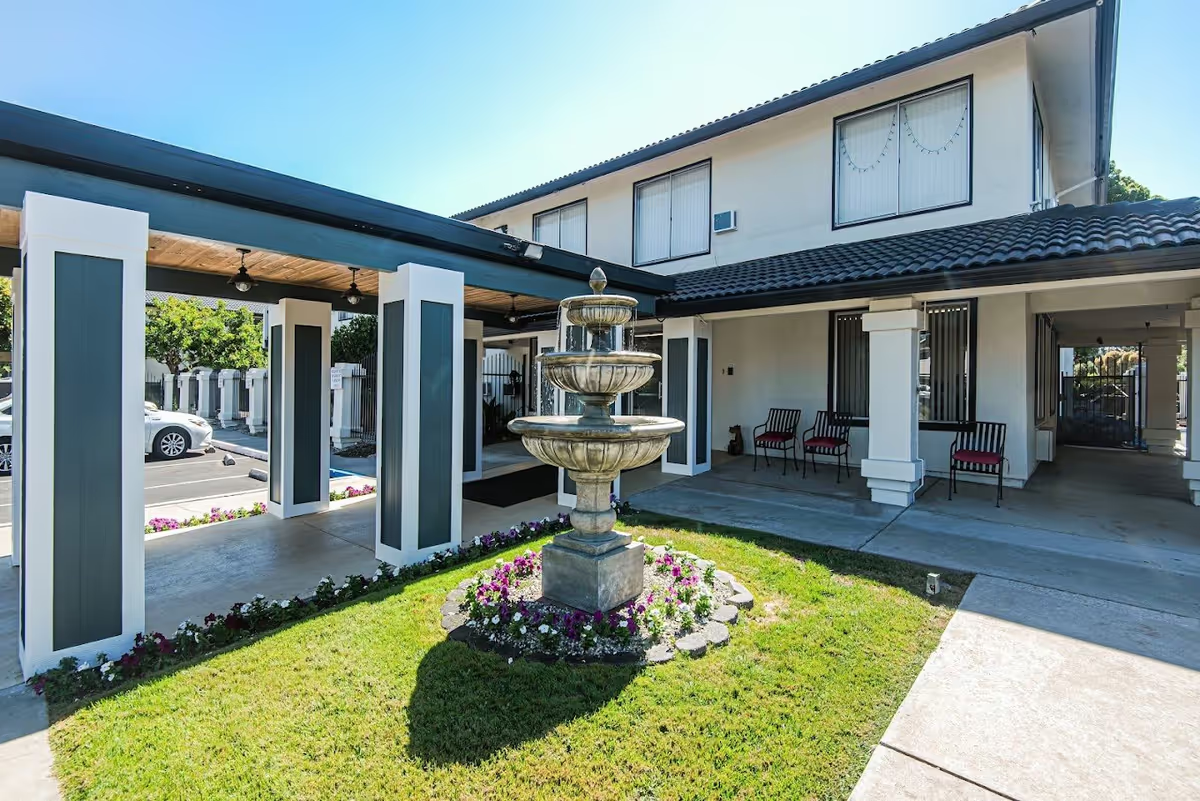
Facilities and environment: The facility’s common areas and courtyard are often described as clean and pleasant, and many families observed a welcoming environment. However, the building is aging and several reviewers noted the need for cosmetic refreshing and ongoing maintenance. Cleanliness and sanitation standards were described inconsistently across reviews, suggesting variability between units or shifts. Visitor amenities and in-room conveniences (for example, in-room telephones or adequate seating for visitors) were noted as limited in some cases.
Management and communication: Administrative performance and family communication were mixed. Multiple reviewers praised specific leaders and case-management staff for proactive coordination and follow-up, while others described slow or unresponsive front-office communication, inconsistent discharge instructions, and difficulty obtaining timely clinical updates. These mixed experiences point to variability in administrative processes or staffing that families should assess directly.
Notable patterns and recommendations for families: The most consistent strengths are compassionate direct-care staff, effective rehab services, active programming, and supportive case management when present. Recurrent operational weaknesses include staffing variability, response-time delays, uneven specialized therapy availability, and some inconsistencies in cleanliness and discharge continuity. Prospective residents and families should consider observing staff–resident interactions during a tour, asking about current staffing ratios and call-bell response metrics, confirming availability of required specialized therapies (such as SLP), reviewing the facility’s incident-notification and discharge-continuity procedures, and asking for specifics on cleaning schedules and physical-plant improvement plans. This approach will help balance the facility’s clear caregiving strengths against the operational issues that some families experienced.