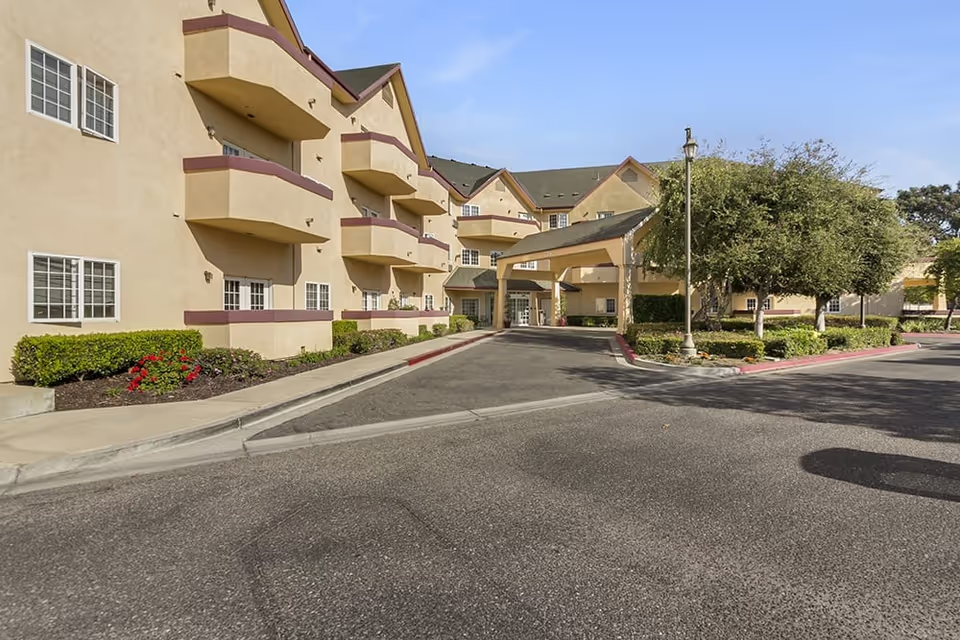
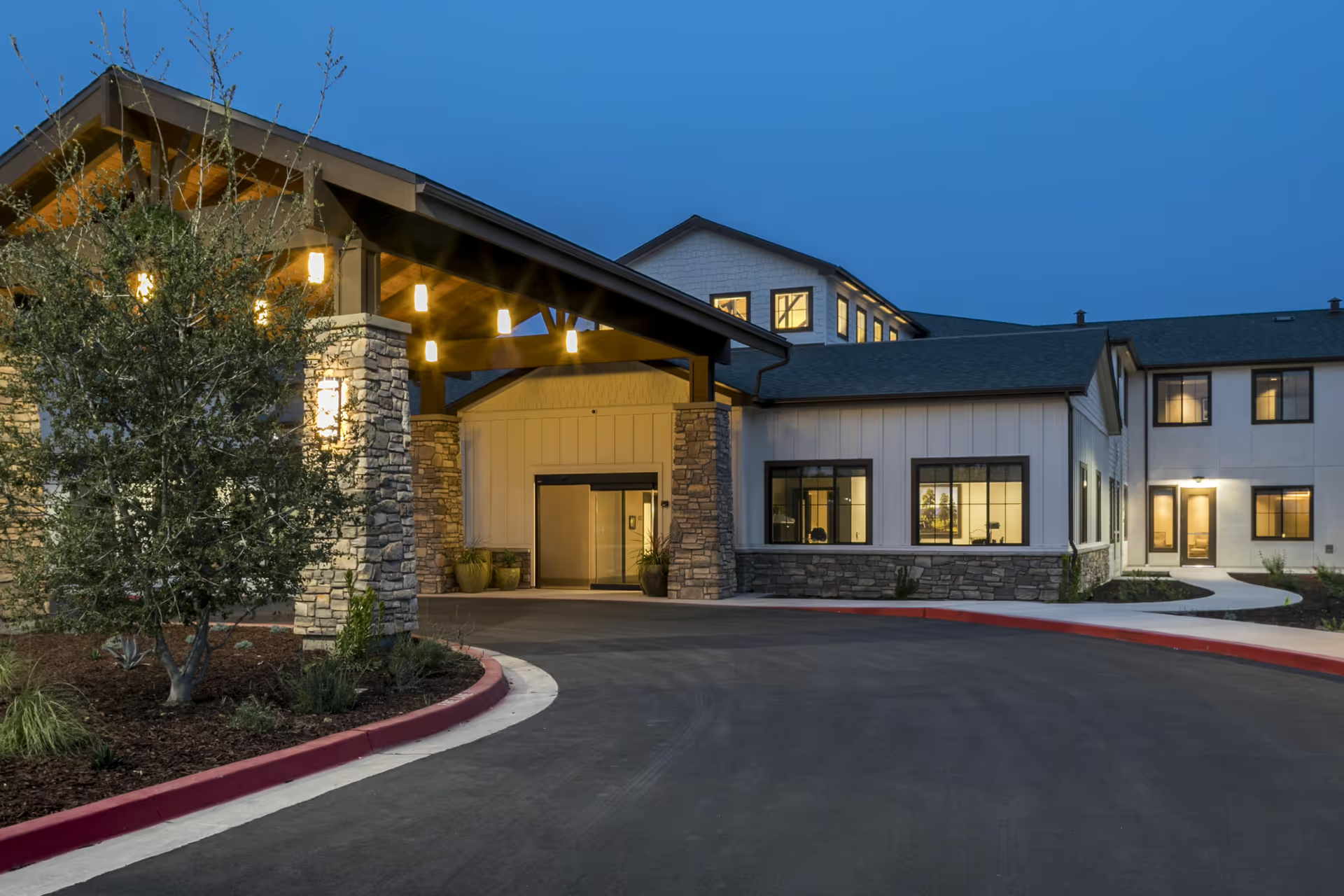
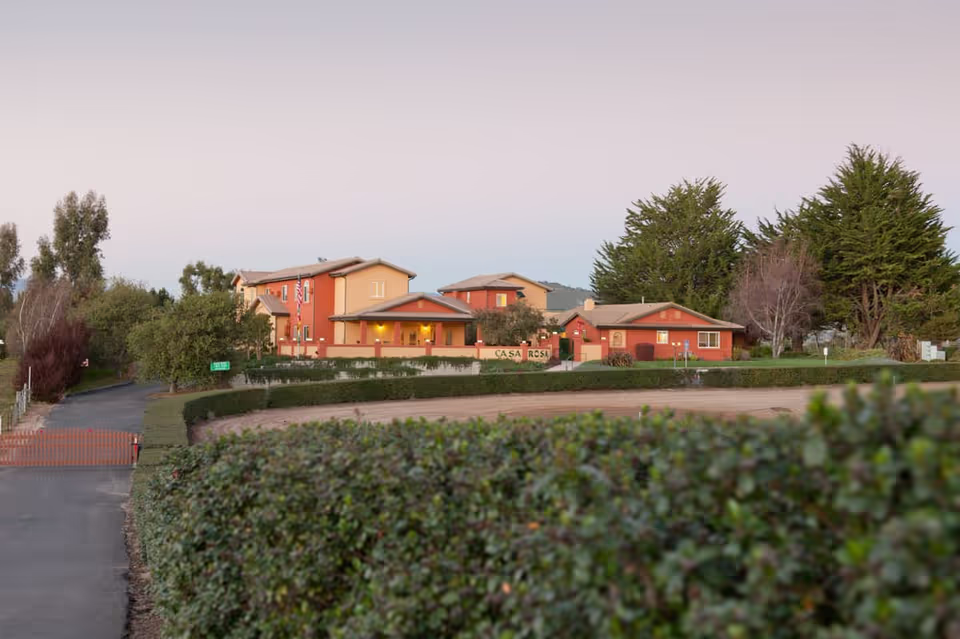
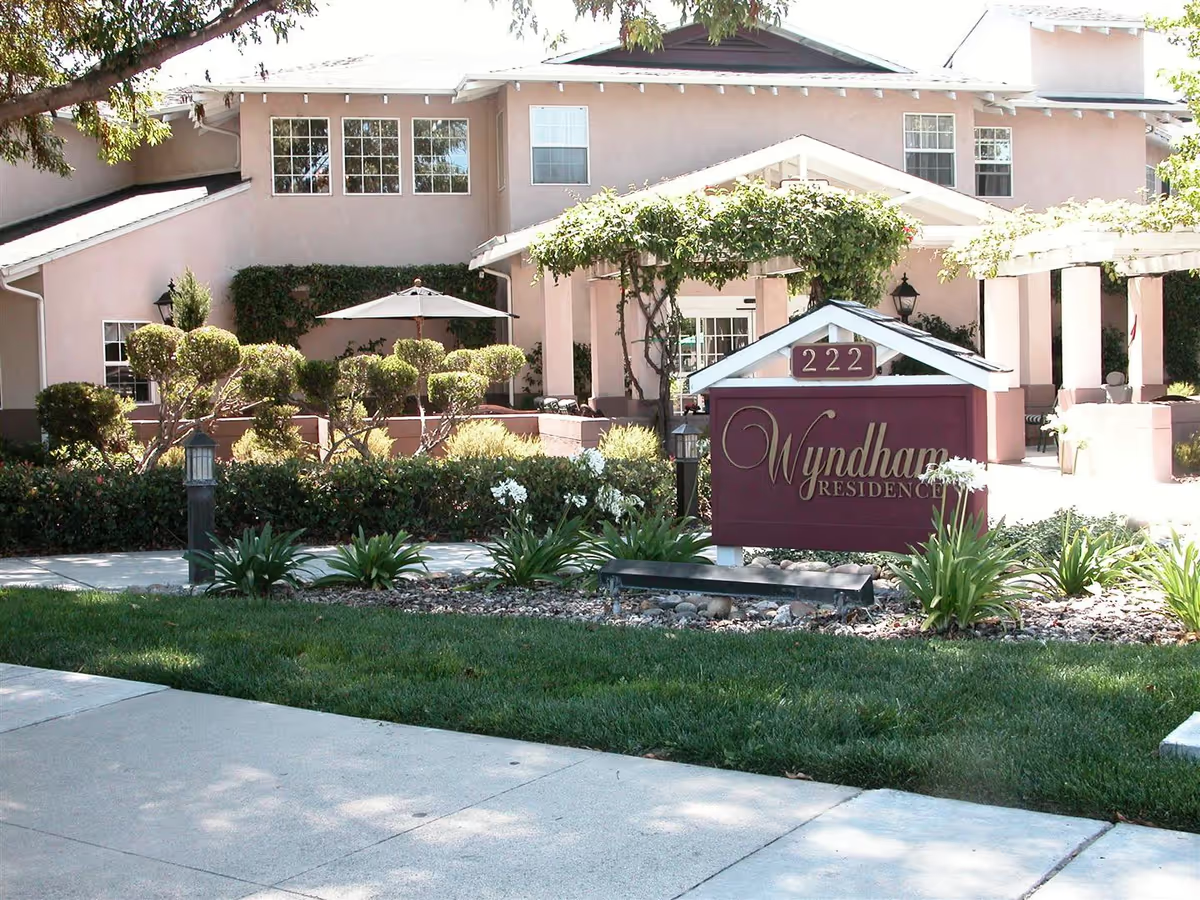
Santa Maria Terrace presents as a converted hotel-style assisted living community with a number of clear operational strengths and recurring operational challenges. Its location adjacent to hospitals and medical services, large suite-style rooms, restaurant-style dining, attractive gardens and courtyard, and visible activity programming create an appealing environment for many prospective residents and families. Many reviewers highlighted compassionate, patient staff, active social calendars (bingo, card games, trivia, socials), transportation to appointments, on-site salon services, and a sense of community that helps new residents transition.
Care and staff: Staff are frequently described as kind, attentive, and family-oriented; long-tenured employees and specific staff members received repeated praise. The facility offers medication management, incontinence and bathing assistance, and wellness programming, and some reviews noted strong moments of clinical responsiveness. At the same time, there are consistent concerns about variability in monitoring and overnight oversight, inconsistent follow‑through on promised services (for example, scheduled showers or escorts), and limited capability to manage advanced dementia-related behaviors. These gaps translate into operational risks for residents who require higher-acuity memory care or continuous clinical observation.
Dining and activities: Dining is a mixed picture. The restaurant-style dining room, white-tablecloth presentation, and menu customization are appreciated by many residents; outings and social meals are valued. However, reviewers also described intermittent declines in meal quality, small portions, slow service, and unfulfilled menu requests. The activity program is a noteworthy asset — with regular classes, socials, trips, and an ambassador program that eases transitions — but activity staffing and the consistency of escorts for offsite events and doctor visits were identified as areas needing more reliable staffing and scheduling.
Facilities and accessibility: The property’s hotel conversion yields large suites, bright dining areas, and attractive outdoor spaces, which many families find appealing. Conversely, the building’s age and layout impose accessibility limitations: narrow hallways and doors, small bathrooms that impede walker or wheelchair use, and motel-style room footprints without kitchenettes. Ongoing renovations and periodic utility outages have been mentioned, along with maintenance issues such as odors, bathroom discoloration, and pest-control concerns. Elevator reliability and extended outages were repeatedly cited as a safety and logistics concern, particularly for emergency transport and access to upper-floor units.
Management and patterns: Reviews reflect a mix of effective customer-service experiences and operational friction points. Some families praised administrators and marketing staff for thorough tours, move-in assistance, and responsiveness. Others described confusing billing practices, unexpected charges, uneven administrative follow-through, and a perception that sales messaging occasionally outpaced care commitments. Renovation activity and newer management were noted as contributors to transitional challenges; dust-control during work was sometimes adequate, but communication about service gaps could be improved.
Overall impression: Santa Maria Terrace offers many strengths that appeal to independent and lower-acuity assisted-living residents — location, suite-style housing, active programming, and a warm staff culture. Prospective residents with more advanced mobility, transfer needs, or significant dementia-related behaviors should carefully evaluate clinical staffing patterns, physical accessibility of assigned units, elevator reliability, and the facility’s dementia-care protocols. Families considering the community will benefit from targeted questions about overnight staffing ratios, escort and shower schedules, billing transparency, and contingency plans for elevator or utility outages to ensure the level of service matches the resident’s needs.