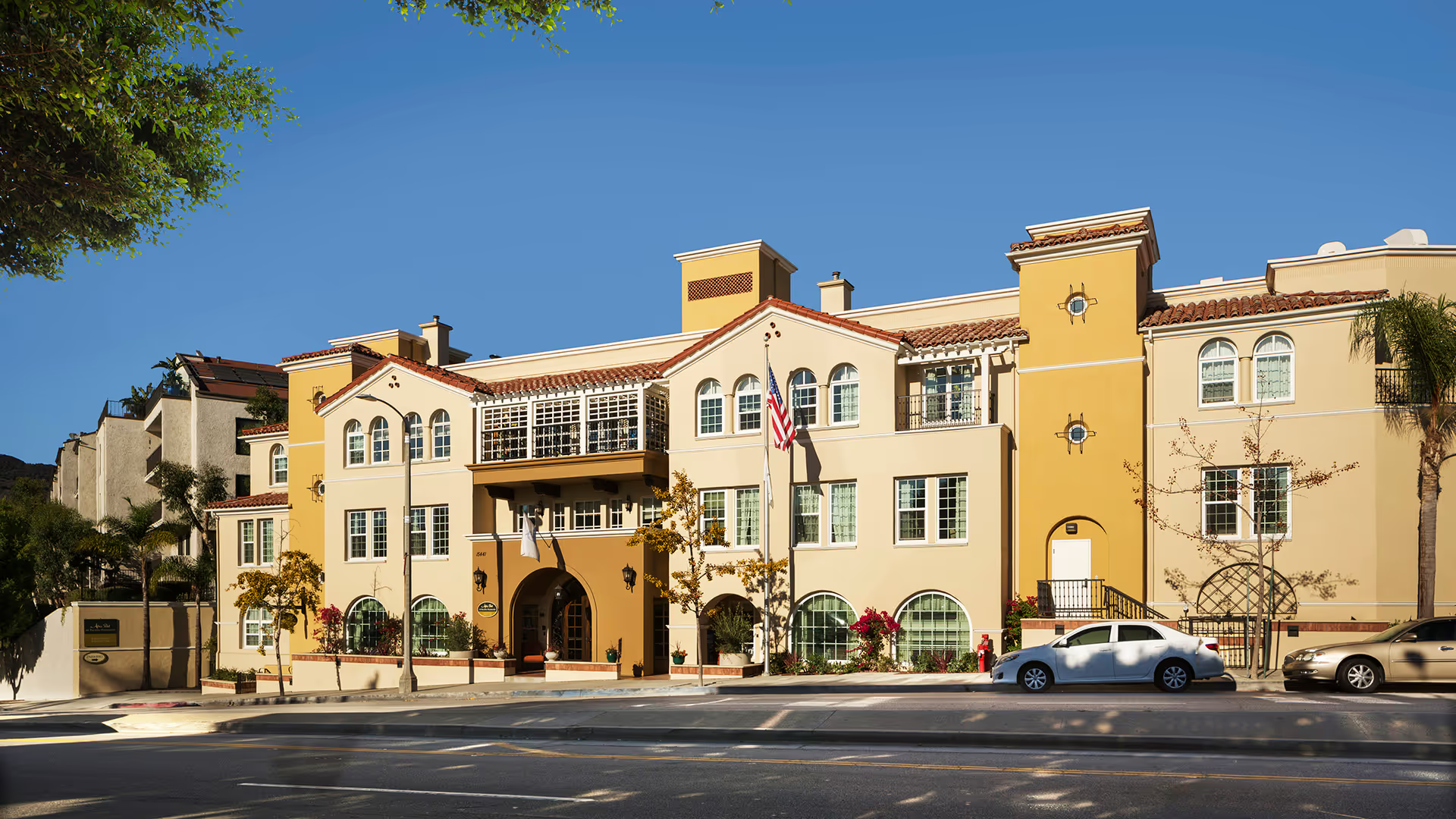
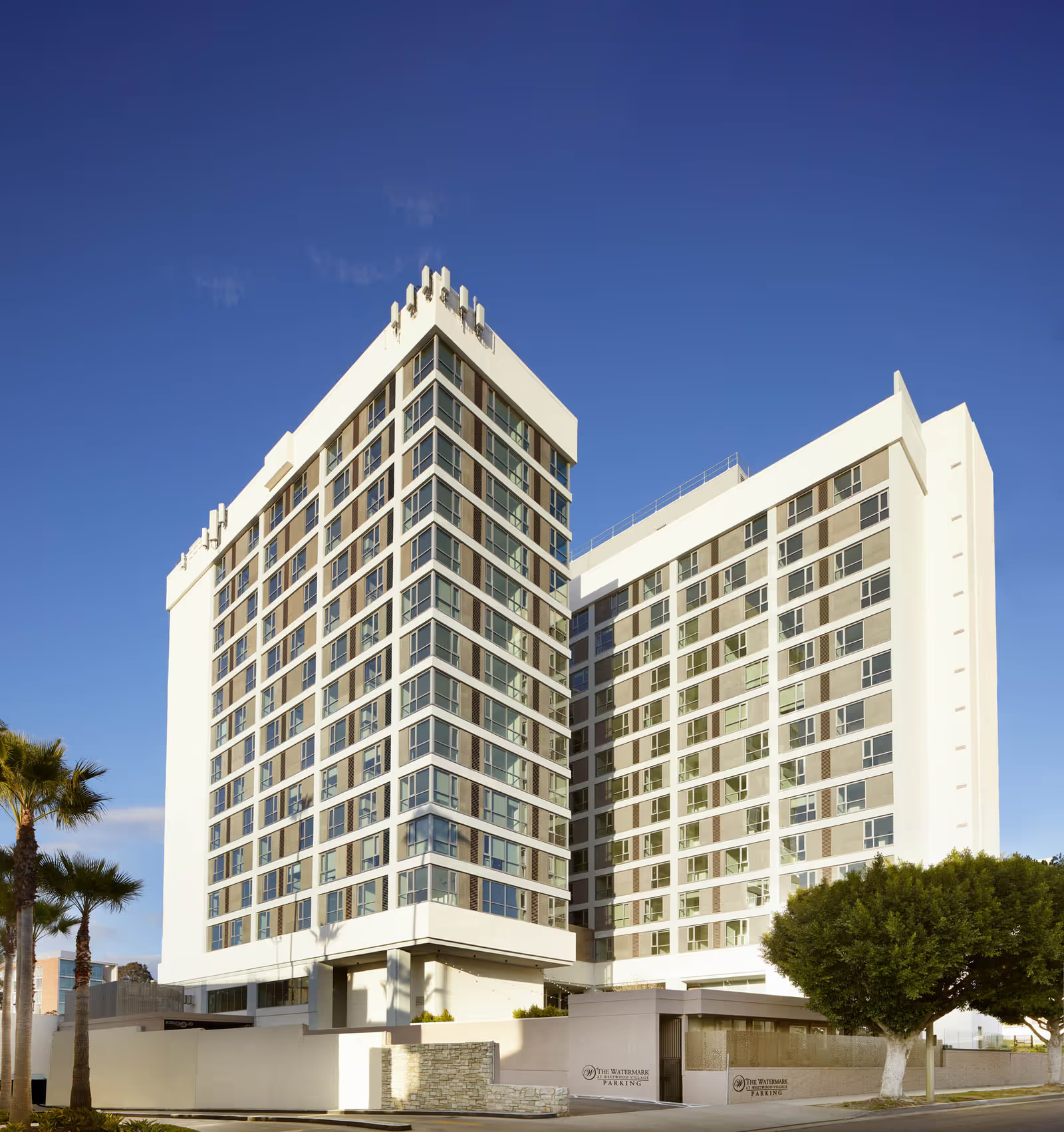
Beachwood Post-Acute & Rehab elicits highly polarized feedback. Many families and patients praise the facility’s rehabilitative strengths: an extensive, well-equipped therapy floor, experienced physical and occupational therapists, and therapy outcomes that helped some residents return home. Nursing and CNA staff receive frequent positive mention for compassionate, attentive bedside care and multilingual support (notably Farsi-speaking staff and an Iranian-focused unit). Activities programming, outdoor patio access, and social events are regularly described as engaging and supportive of recovery and morale.
Clinical quality descriptions are mixed. Positive reviews describe coordinated care, timely medication administration, effective wound and post-op management, and proactive case-management support for transitions to home or hospital services. Conversely, other reviews raise substantive clinical concerns: inconsistent physician oversight, gaps in wound-care practices, variable pain-control and medication administration, and instances where physical-therapy intensity or frequency did not meet expectations. There are also multiple accounts of delayed emergency response or delays in escalating medical issues, which reviewers identify as a care-safety risk.
Staffing and responsiveness appear to be uneven across shifts. Many families commend specific nurses, therapists, and administrators for being accessible and responsive; however, several accounts describe understaffing, long call-bell delays, heavy CNA workloads, and reduced coverage on nights and weekends. These operational patterns correlate with complaints about delayed assistance, missed treatments, and inconsistent bathing or toileting assistance. Communication with families is another recurring theme: while some caregivers describe open, proactive administrative updates, others report poor phone responsiveness and difficulty obtaining timely information.
Dining, activities, and amenities show similar variability. The activities department and social programs receive consistently positive feedback for variety and resident engagement. Dining opinions range from praise for individualized meal options and attentive kitchen staff to criticism about repetitive menus, order errors, and occasional poor meal quality. Facility features such as a secure entrance, clean therapy spaces, convenient Santa Monica location, valet parking, and weekly laundry service are valued; at the same time reviewers note maintenance issues in patient rooms (dark rooms, limited ventilation, nonfunctional in-room phones, squeaky elevators) and pest-control or sanitation concerns in some areas.
Management impressions are mixed and sometimes sharply divided. Several reviewers single out specific administrators for accessible, problem-solving leadership and effective case management. In contrast, other accounts describe inconsistent leadership, billing disputes, and serious allegations of theft or financial irregularities and contested charges. These serious allegations are a disruptive theme for family trust and warrant direct inquiry by prospective residents and families.
Notable patterns: the facility appears to perform well as a rehabilitation-focused center for patients with straightforward post-op or mobility goals, particularly when the therapy team and nursing staff are fully staffed and engaged. Conversely, outcomes are less consistent for medically complex residents requiring intensive nursing oversight, frequent physician involvement, or reliable wound and medication management. Given the variability in experiences, families should tour rooms, review staffing levels for the expected shift patterns, ask about wound-care protocols and physician coverage, confirm medication-administration procedures, inquire about pest-control and sanitation policies, and request clear billing and property-loss procedures before admission. These focused checks can help align expectations with the facility’s strengths and address potential operational weaknesses.