Berkley East Healthcare Center elicits strongly mixed but consistent themes across reviews. The facility is widely recognized for its rehabilitation strengths: a robust physical and occupational therapy program, strong speech therapy resources, well-equipped therapy spaces and a clinical team that many families and patients describe as effective in achieving mobility and functional goals. The building and common areas receive regular praise for cleanliness, a hotel-like atmosphere, rooftop garden with views, and infection-control practices that were especially valued during the pandemic. Individual staff—nurses, CNAs, therapy staff, and specific liaisons—are frequently singled out for compassionate, personalized service.
Alongside these strengths, operational inconsistencies appear as the most recurrent concern. Reviewers describe fluctuating staffing levels, frequent staff changes, and instances when call-button response and basic assistance are delayed. These patterns translate into variability in nursing responsiveness, medication and wound-care follow-up, and continuity of basic daily care. Several accounts note admission-orientation gaps and uneven oversight during transports or escorts, which indicate process weaknesses rather than isolated events. Families also describe variable experiences with case management and communication; some praise prompt, helpful discharge planning while others report difficulty reaching supervisors and receiving updates.
Dining and activities are similarly mixed. The activities program and specific activity staff receive positive mention for offering engaging programming, outings when feasible, and individualized attention for ambulatory residents. However, meal quality and service consistency are frequently criticized: issues include lukewarm food, inconsistent special-diet implementation, and occasional missed or poorly presented trays. Access to activities may be limited for more infirm or non-ambulatory residents, suggesting a gap between programming offerings and equitable participation.
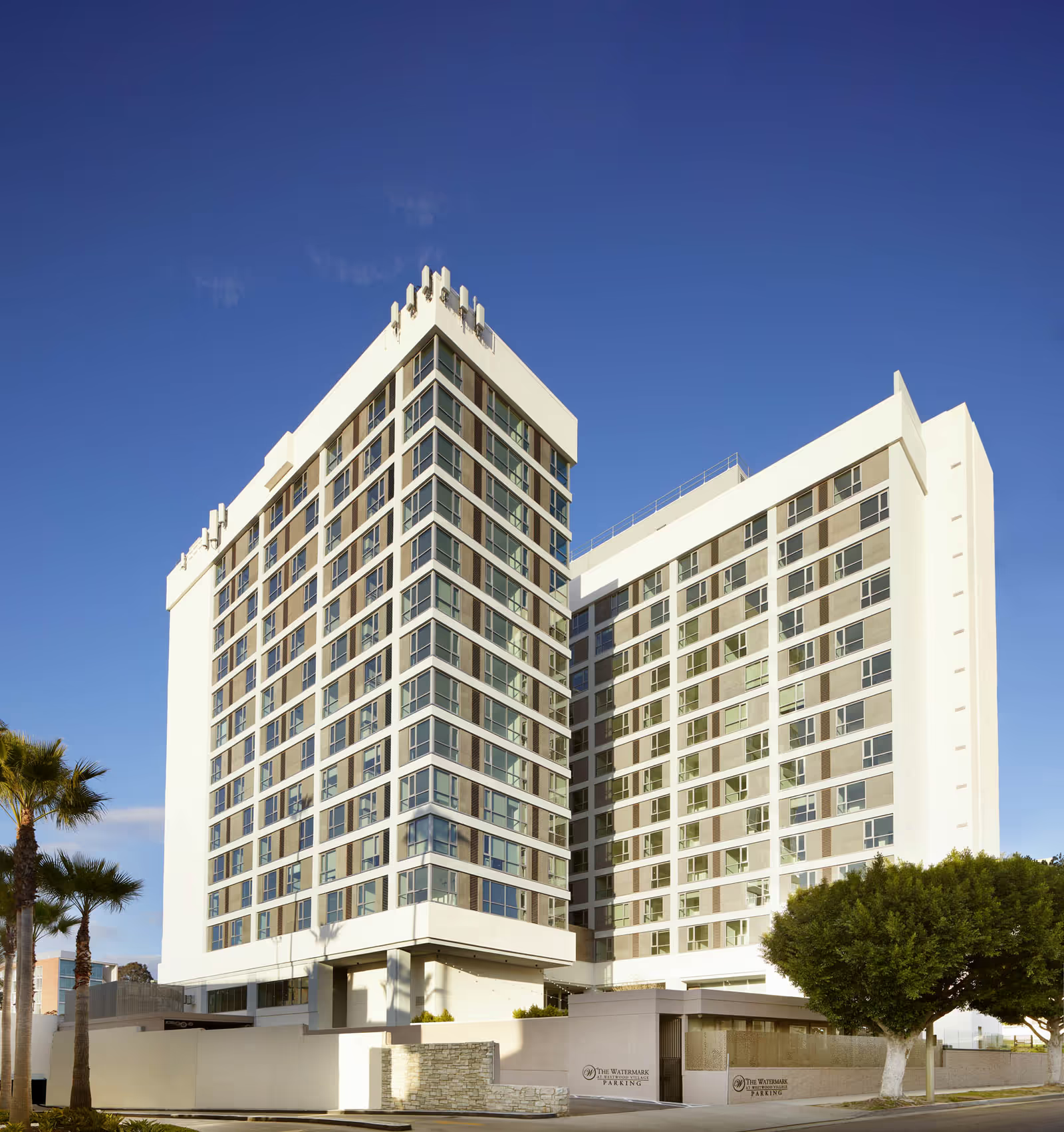
Facility amenities and logistics are generally seen as a strength—clean rooms, attractive communal spaces, a therapy gym, paid parking, and a rooftop garden are repeatedly noted. Accessibility concerns surface in some reviews, including elevator reliability and heavy entry doors, which could impede mobility for some residents. Billing and insurance transparency also emerge as an area for clarification: reviewers report confusion about extra charges and Medicare-related policies, pointing to a need for clearer financial communication at admission and during stays.
A small number of serious individual allegations appear in the feedback, including concerns about privacy, end-of-life handling, and extreme lapses of clinical care. These accounts are not the predominant theme but are significant and merit careful attention from prospective families. Given the polarized feedback, families considering Berkley East should weigh its strong rehabilitation capabilities and facility amenities against the potential for variability in staffing, responsiveness, and dining/housekeeping consistency. Practical next steps for families: ask about current staffing ratios, nurse-to-patient coverage overnight, call-button response metrics, wound-care protocols, meal-temperature procedures, the admission orientation process, insurance/billing policies, and recent quality/audit reports to verify how the facility is addressing the operational weaknesses noted above.