Overall assessment: Review summaries indicate that Welbrook Santa Monica is viewed primarily as a strong memory-care community with consistently positive feedback on frontline caregiving, individualized attention, and programming. Families frequently highlight staff who are trained in dementia care, provide patient and compassionate interactions, and deliver personalized 1:1 attention. Many accounts describe measurable improvements in residents’ mood and health after placement, and reviewers emphasize continuity of caregivers and a family-like atmosphere as important strengths.
Care and clinical responsiveness: Care quality is a recurring positive theme. Reviewers note timely identification and action on medical issues, thorough communication with families (including nightly updates in some cases), and staff comfortable with dementia-specific redirection and engagement techniques. The presence of skilled nursing leadership and competent care staff is mentioned repeatedly; however, some reviewers described notable exceptions related to administrative responsiveness and conflict resolution, which suggest variability at the management level rather than the bedside-care level.
Dining and activities: Dining is consistently praised—meals are described as appealing and the dining area as pleasant. Programming is a clear strength: a structured activities schedule, an active activities director, and offerings such as yoga, live music, barbershop services, and neighborhood walks or beach outings support social engagement. Reviewers describe long daily activity windows and frequent opportunities for social meals and entertainment, contributing to residents’ engagement and wellbeing.
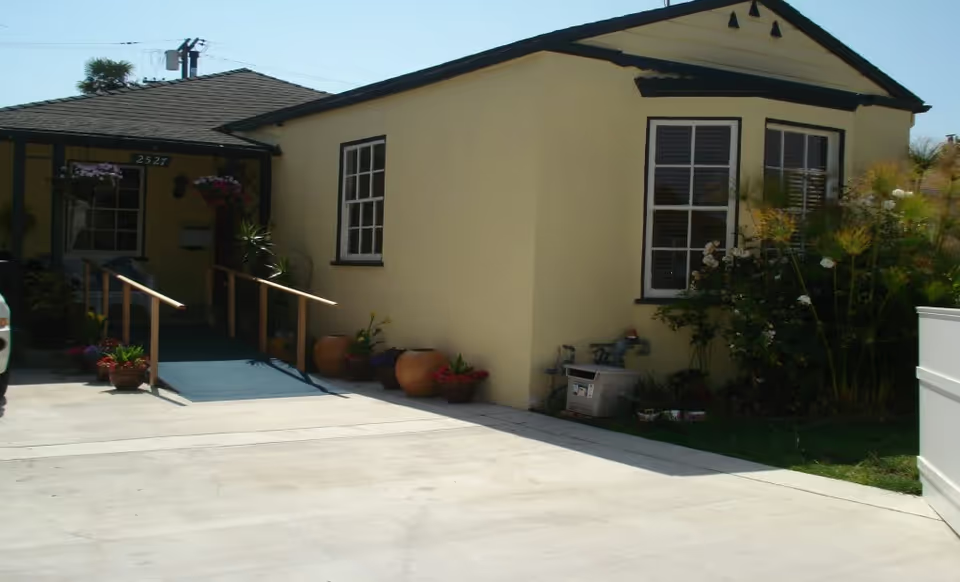
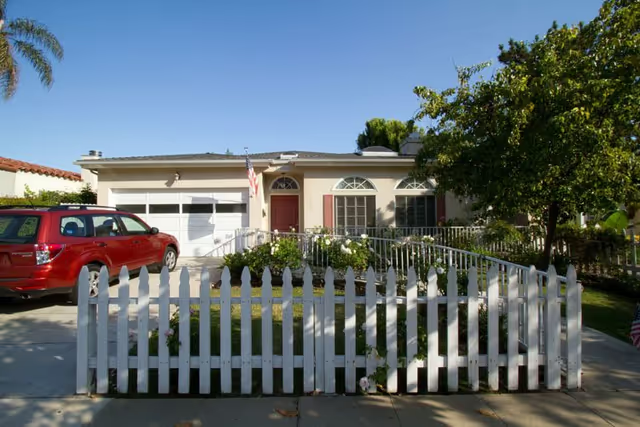
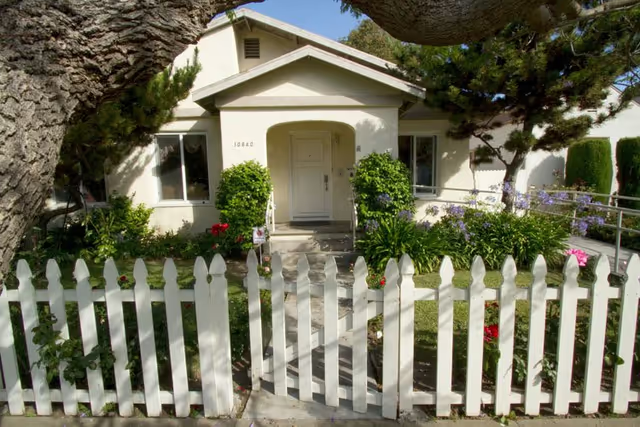
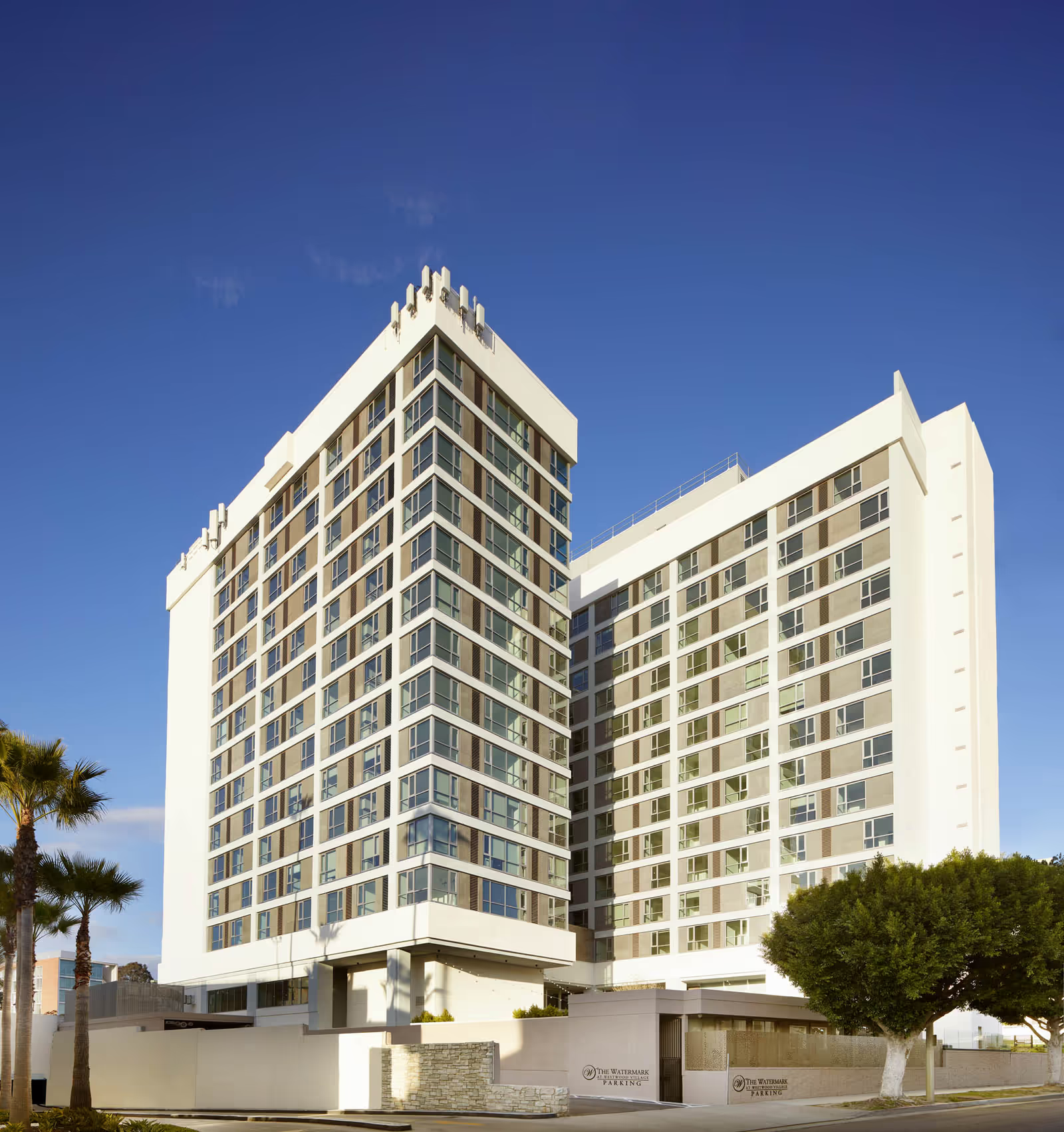
Facilities and location: The physical facility is characterized as modern, clean, and well maintained; suites and common areas are described as attractive and spotless in many accounts. The community’s two-level memory-care layout, open plan, and convenient proximity to medical providers and a hospital are cited as practical advantages. At the same time, some reviewers noted limited common-area and dining capacity, which may affect communal programming or visiting at peak times. Isolated pest-control concerns were also mentioned and warrant direct inquiry during a tour.
Management and notable patterns: While frontline staff and clinical care receive strong praise, commentary about administrative leadership is mixed. Several reviewers report positive, supportive management and low turnover, but a few describe inconsistent administrative responsiveness, challenges with problem resolution, and concerns about how end-of-life interactions and family communication were handled in specific situations. Cost was another recurring theme—some families consider the monthly rate high relative to their expectations. These contrasting impressions suggest operational strengths at the caregiving level with some variability in administrative or executive-level performance.
Recommendation for families: Prospective families should weigh the facility’s clear strengths in memory-care expertise, individualized attention, robust programming, and cleanliness against reported administrative variability, potential space constraints in common areas, pest-control follow-up, and cost considerations. Practical next steps include touring during a scheduled activity to observe staffing and engagement, reviewing recent inspection or pest-control records, asking for specifics on end-of-life planning and family communication protocols, and clarifying fee structures and what is included in the monthly rate.